










How to Tell If Your Car Needs Wheel Balancing


You’ll know your car needs wheel balancing if you feel vibrations in the steering wheel, seat, or floorboard, especially at higher speeds.
Uneven tire wear, vehicle pulling to one side, or unusual humming noises also signal imbalance.
Wobbly handling and off-center steering are key indicators too.
Regular tire balance prevents uneven wear and protects suspension parts.
If these signs sound familiar, exploring their causes and solutions will help you maintain safer, smoother driving.
Table
- Main Points
- Identifying Steering Wheel Vibrations
- Noticing Vibrations in the Seat or Floorboard
- Detecting Uneven Tire Wear Patterns
- Recognizing Wobbly or Unstable Vehicle Handling
- Hearing Unusual Noises From Tires
- Observing Frequent Air Pressure Loss in Tires
- Checking for Vehicle Pulling or Drifting
- Understanding the Impact of Tire Imbalance on Ride Quality
- Inspecting Lug Nuts and Tire Condition
- When to Consult a Tire Balancing Professional
- Frequently Asked Questions
- Final Thoughts
Main Points
- Notice steering wheel vibrations or shaking at higher speeds, indicating imbalanced wheels needing balancing.
- Feel vibrations in the seat or floorboard, especially when driving fast, signaling rear tire imbalance.
- Observe uneven tire wear patterns, such as excessive wear on one side or irregular tread depth.
- Listen for unusual buzzing or humming noises from tires that increase with speed, suggesting imbalance.
- Detect vehicle pulling to one side or off-center steering, indicating misalignment worsened by tire imbalance.
Identifying Steering Wheel Vibrations

How can you tell if your car’s front tires need balancing? When your steering wheel vibrates noticeably, especially at higher speeds, it signals imbalanced wheels. This vibration often points to tire balancing issues that, if ignored, cause uneven wear and premature tire wear. You might also notice an off-center steering wheel while driving straight, indicating alignment issues linked to imbalanced wheels. These conditions compromise vehicle handling and safety, reducing your control and freedom on the road. Addressing steering wheel vibrations promptly through proper tire balancing restores smooth, stable driving and prevents further damage. Regularly monitoring these signs liberates you from avoidable repair costs and unsafe driving conditions, ensuring your vehicle performs efficiently without restraint.
Noticing Vibrations in the Seat or Floorboard

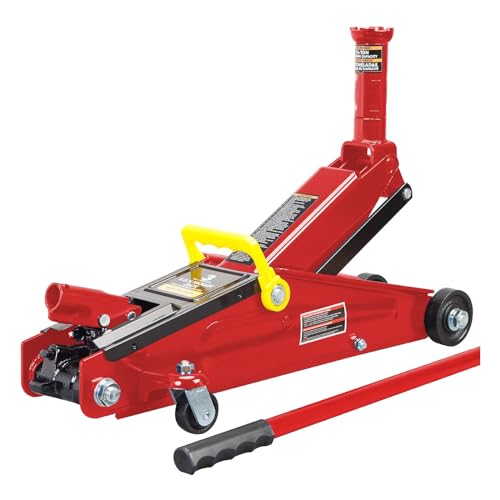
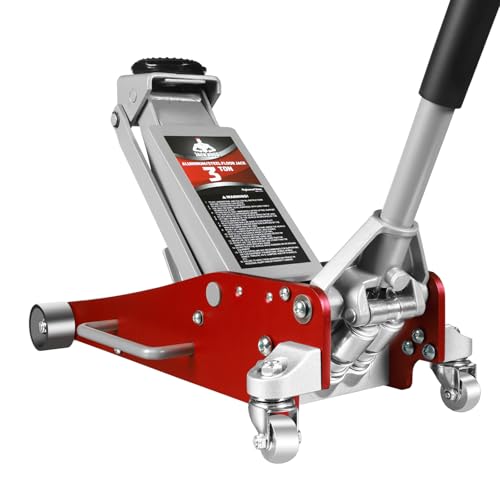
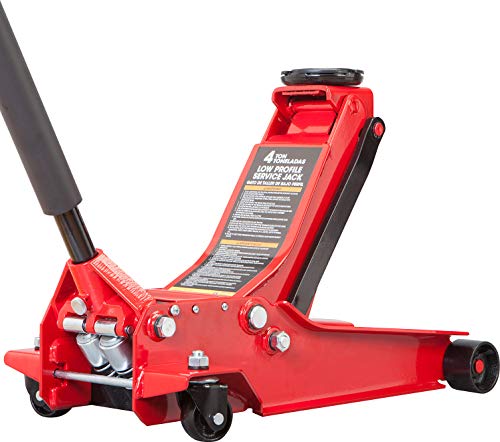
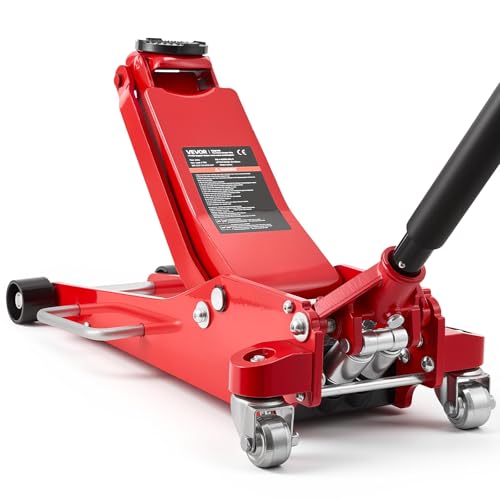
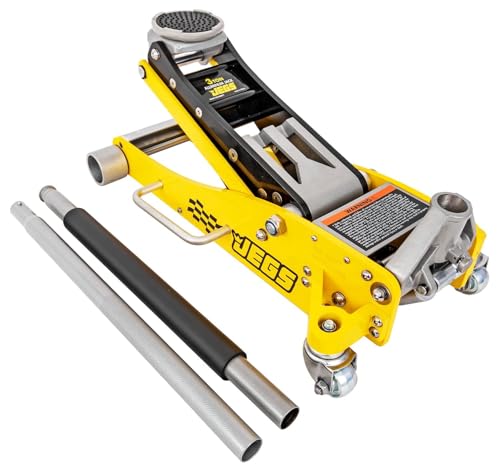
Vibrations felt in the seat or floorboard while driving often indicate an imbalance in your car’s rear tires, typically caused by uneven weight distribution. These vibrations become more noticeable at higher speeds, signaling an urgent need for tire balancing. If you’ve recently installed or rotated tires, balancing is essential to prevent such issues. Ignoring these vibrations compromises your vehicle’s performance, leading to uneven tire wear and potential suspension damage. Regular tire balancing every 5,000 to 6,000 miles guarantees a smoother ride and prolongs the lifespan of your tires and suspension components. Recognizing and addressing these rear tire vibrations empowers you to maintain control and freedom on the road, avoiding costly repairs and enhancing driving comfort. Using the right floor jack features when lifting your vehicle for tire maintenance ensures both safety and efficiency during the balancing process.
Detecting Uneven Tire Wear Patterns

You should regularly inspect your tires for uneven wear patterns, such as excessive wear on one side or irregular tread depth across the surface. These patterns often stem from wheel imbalance, misalignment, or improper inflation. Identifying the specific type of wear helps pinpoint the underlying cause and determine if wheel balancing is necessary.
 Why Balance Wheels After Changing Tires? 5 Reasons
Types of Tire Wear
Identifying specific types of uneven tire wear can reveal underlying issues like wheel misalignment, improper inflation, or suspension problems. For instance, center wear typically points to over-inflation, while edge wear often signals under-inflation or misalignment. A feathered appearance—where one side of the tread is more worn—indicates misalignment that may also cause balancing issues. Balding on a single edge suggests the need for wheel alignment or balancing. Consistent wear patterns across all four tires usually reveal suspension or alignment faults, not just tire balance problems. By regularly inspecting your tires every 5,000 to 6,000 miles, you can detect these uneven tire wear types early, enabling timely adjustments that enhance vehicle safety and prolong tire life.
Causes of Uneven Wear
Uneven tire wear often signals underlying issues such as improper tire balancing or misalignment, which can compromise vehicle handling and safety. Monitoring tire tread depth and pressure regularly helps you detect irregular wear patterns early. Flat spots and excessive wear on one side indicate imbalanced weight distribution or alignment problems. Regular visual inspections every 5,000 to 6,000 miles align with tire balancing schedules to prevent premature wear. Choosing jack stands with double locking mechanisms can provide additional safety when inspecting your tires for uneven wear.
| Wear Pattern | Possible Cause | Recommended Action |
|---|---|---|
| Bald spots | Flat spots from imbalance | Perform wheel balancing |
| One-sided wear | Misalignment | Adjust alignment |
| Edge wear | Under/over tire pressure | Check and maintain pressure |
| Patchy wear | Uneven weight distribution | Inspect suspension |
Recognizing Wobbly or Unstable Vehicle Handling

How can you tell if your vehicle’s handling is compromised by wheel imbalance? Wobbly handling is a clear indicator of unbalanced tires, which disrupts vehicle performance and control. You’ll notice steering wheel shaking, especially at higher speeds, signaling tire imbalance that demands immediate correction. Another sign to watch for is uneven tire wear—typically edge wear rather than uniform tread wear—which reduces tire lifespan and compromises safety. Even newly installed tires can cause instability if not properly balanced. Regular inspections and timely wheel balancing prevent these issues, ensuring stable handling and extending your tires’ life. By addressing tire imbalance promptly, you reclaim driving freedom and maintain ideal vehicle performance, eliminating the frustration and danger of unstable handling on the road. If you need to lift your car for inspection or maintenance, using a hydraulic bottle jack can provide safe and reliable support during the process.
Hearing Unusual Noises From Tires

When your tires aren’t balanced correctly, you’ll often hear unusual buzzing or humming noises that grow louder as your speed increases. These unusual sounds indicate unbalanced tires, which compromise vehicle handling and accelerate wear. Identifying these noises early helps you take timely action for tire balancing, preserving your vehicle’s performance and safety.
| Noise Type | Cause | Impact on Vehicle |
|---|---|---|
| Buzzing | Uneven tire weight | Vibration, reduced control |
| Humming | Tire imbalance at speed | Increased tire wear |
| Rhythmic Thumping | Weight distribution off | Handling instability |
| Continuous Noise | Persistent imbalance | Accelerated tread degradation |
Listen carefully to these noise patterns to maintain ideal tire condition and vehicle handling.
Observing Frequent Air Pressure Loss in Tires
Noticing that one or two tires lose air pressure more frequently than the others can signal an underlying imbalance issue. Frequent air pressure loss often results from unbalanced tires causing uneven wear, which accelerates deflation. Ideally, your tire pressure should decrease uniformly across all tires. When certain tires deflate faster, it indicates potential balance issues affecting the tire’s integrity. You should check tire pressure regularly, at least every other gas fill-up, to spot discrepancies early. If you find yourself adding air repeatedly to specific tires, inspect them for imbalance. Addressing balance issues promptly helps distribute tire pressure evenly, extends tire life, and enhances vehicle performance. Taking control of these signs liberates you from premature tire replacement and unsafe driving conditions.
Checking for Vehicle Pulling or Drifting
Why does your vehicle pull to one side or drift while driving? This issue often signals misalignment, which can be worsened by improper tire balancing. When your steering wheel isn't centered during straight-line driving, it’s a clear indicator of this problem. Pulling to one side not only hampers vehicle performance but also accelerates uneven tire wear, reducing tire lifespan. To maintain control and safety, check for drifting every 6,000 miles or during routine maintenance. If you struggle to keep your vehicle centered in the lane, addressing misalignment and tire balancing promptly is vital. Doing so liberates you from handling difficulties while preserving tire integrity and optimizing overall vehicle performance.
Understanding the Impact of Tire Imbalance on Ride Quality
Although tire imbalance may seem minor, it directly causes vibrations in the steering wheel, floor, or seats that degrade ride quality and vehicle stability. When you ignore tire imbalance, you risk premature tire tread wear and uneven tire wear patterns that shorten tire lifespan. These vibrations compromise steering stability, making your vehicle harder to control and increasing fatigue during driving. Over time, persistent imbalance can lead to suspension damage due to excessive stress on components. To preserve ride quality and maintain precise handling, you must commit to regular tire balancing every 5,000 to 6,000 miles. This proactive maintenance prevents uneven wear, enhances steering response, and protects suspension integrity, ultimately liberating you from costly repairs and unsafe driving conditions caused by neglected tire imbalance.
Inspecting Lug Nuts and Tire Condition
Maintaining proper wheel balance involves more than just addressing tire wear; it also requires a thorough inspection of lug nuts and tire condition. You need to regularly check lug nuts for tightness, as loose lug nuts can cause vibrations that signal potential balancing problems. Examine your tires for uneven wear patterns—these often indicate imbalance requiring balancing or alignment. Inspect the tire surface for bulges or deformities, which compromise handling and balance. Consistent tire pressure across all tires is vital; uneven pressure contributes to imbalance and reduces performance. If you experience shaking or wobbling at higher speeds, immediately inspect lug nuts and tire condition to prevent further issues. Vigilant attention to these details guarantees ideal balancing, improves ride quality, and maintains your vehicle’s safety and liberation on the road. For a safer inspection process, consider using reliable jack stands when lifting your vehicle to check tires and lug nuts.
 5 Best Wheel Alignment Services Near You
When to Consult a Tire Balancing Professional
When should you consult a tire balancing professional? You need a professional assessment whenever imbalanced wheels affect your vehicle’s performance. Here are key indicators to watch for:
Consult a tire balancing professional whenever your vehicle’s performance is impacted by imbalanced wheels.
- Steering wheel vibrations or seat tremors signal tire balancing issues.
- Your car pulls to one side, suggesting uneven tire wear from imbalance.
- After new tire installations, rotations, or flat repairs, confirm proper balancing.
- Unusual buzzing or humming noises from the tires require immediate evaluation.
Adhering to your tire maintenance schedule—checking balance every 5,000 to 6,000 miles—prevents further complications. Don’t ignore these signs; timely consultation guarantees safety and liberation from avoidable mechanical failures.
Frequently Asked Questions
How Do I Know if My Wheels Need Balancing?
You’ll notice vibration issues and reduced ride comfort during driving. Perform a wheel inspection for uneven wear and conduct an alignment check. Prioritize tire maintenance to restore steering stability and guarantee your liberation from unsafe handling.
What Are the Symptoms of Unbalanced Wheels?
Imagine driving on a shaky bridge: vibration issues and a pulling sensation signal uneven tire wear and alignment concerns. Steering problems, handling instability, and noise increase all warn you that wheel balancing demands your urgent attention.
How Do I Know if My Car Is Out of Balance?
You’ll spot signs of tire wear, vibrations, or driving performance effects indicating imbalance. Prioritize tire maintenance tips, understand wheel alignment importance, avoid common balancing mistakes, follow balancing frequency recommendations, and consider precise DIY balancing methods for ideal control.
How Much Does Tire Balancing Cost?
Back in the horse-and-buggy era, tire balancing cost $15 to $50 per tire today. Use tire maintenance tips and a cost comparison guide to grasp balancing techniques explained, improving wheel alignment importance and tire longevity factors.
Final Thoughts
You might not notice subtle vibrations or uneven tire wear at first, but ignoring these signs can turn a smooth ride into a nerve-wracking experience. While a perfectly balanced wheel offers seamless control and comfort, an imbalanced one threatens your safety and vehicle longevity. Don’t wait for steering to wobble or tires to wear unevenly—act promptly. Regular inspections and timely professional balancing keep your drive precise, stable, and secure.
 How Frequently Should You Schedule Wheel Alignment?
Reliable Floor Jacks on a Budget: Best Picks for Under $150
Top-Rated Floor Jacks Over $100: Built for Professionals, Priced for Smart Buyers
If you want to know other articles similar to How to Tell If Your Car Needs Wheel Balancing you can visit the Wheel Alignment Balancing category.
Top Advantages of Regular Wheel Balancing

Why Wheel Alignment Matters After Hitting a Pothole

7 Tips to Reduce Wheel Alignment Costs

How Proper Wheel Alignment Boosts Fuel Efficiency

5 Best Ways Wheel Alignment Differs From Balancing

Why Does Wheel Alignment Affect Uneven Tire Wear?

How Frequently Should You Schedule Wheel Alignment?

5 Best Wheel Alignment Services Near You
Leave a Reply
This is also interesting