















Spring Maintenance Checklist: 7 Tips for Aging Cars


For spring maintenance on your aging car, change the oil and filters to prevent engine wear, and check all fluids—engine oil, brake, power steering, coolant, and windshield washer—for proper levels and leaks.
Inspect tire pressure and tread depth, rotate tires, and replace worn wiper blades for visibility.
Test the battery and check belts and hoses for cracks or bulges.
Finally, verify all exterior and interior lights function correctly.
Stay proactive, and you’ll keep your vehicle running smoothly as conditions shift.
Table
Main Points
- Change oil and filters following manufacturer guidelines to prevent engine wear and maintain performance in aging vehicles.
- Check and top off all vehicle fluids, including engine oil, brake fluid, coolant, and windshield washer fluid.
- Inspect tires for proper pressure, tread depth, and even wear; rotate tires regularly to extend lifespan.
- Test battery health and examine belts and hoses for cracks or bulges, replacing worn parts promptly to avoid breakdowns.
- Verify all exterior and interior lights function correctly, replacing burnt-out bulbs for safe driving in varied spring conditions.
Change Oil and Filters

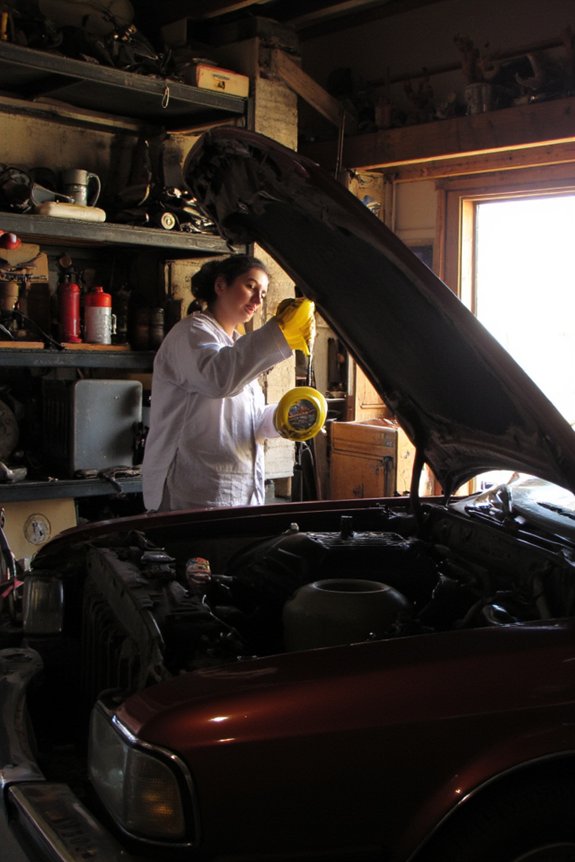
Start your spring maintenance by changing the oil and filters to guarantee your aging car's engine runs smoothly. Regularly changing oil and filters is essential to maintain engine health; oil lubricates, cools, and removes impurities from crucial engine components. Over time, old oil degrades, increasing friction and impairing performance, which can raise fuel consumption. Neglecting this maintenance risks severe engine damage as contaminated oil fails to protect moving parts. You should change oil and filters every 3,000 to 5,000 miles or follow your vehicle manufacturer’s guidelines precisely. Selecting the correct oil type, as specified in your owner’s manual, guarantees ideal lubrication, enhances engine longevity, and boosts performance. This step is fundamental to preserving fluid levels and liberating your vehicle’s potential for reliable operation and efficiency.
Check and Top Off Vehicle Fluids
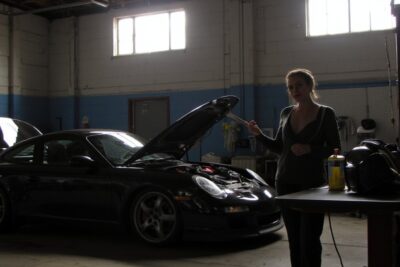
After changing your oil and filters, make it a priority to check and top off all other essential vehicle fluids. Begin by inspecting engine oil levels to confirm they meet manufacturer specifications, preventing wear and maintaining efficiency. Next, verify brake fluid and power steering fluid levels; both are critical for safe braking and responsive steering. Check coolant levels carefully, keeping them at least half full to avoid overheating as temperatures climb. Don’t overlook windshield washer fluid, essential for clear visibility. If you notice any significant drops in fluid levels, investigate promptly for leaks to prevent mechanical failures. Regularly performing these checks and topping off vehicle fluids safeguards your car’s performance and reliability, granting you the freedom to drive confidently without unexpected breakdowns. For an even cleaner and easier oil change process, consider using an oil drain pan capacity that suits your vehicle to help prevent spills and keep your garage tidy.
 10 Summer Maintenance Tips to Prevent Overheating
Inspect and Maintain Tires
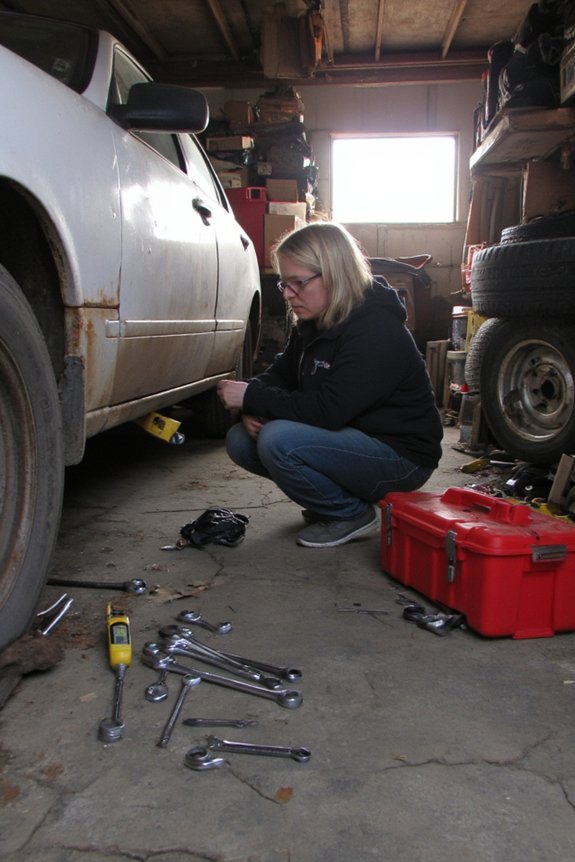
You should check your tire pressure regularly, as temperature changes affect inflation and vehicle safety—refer to the manufacturer's recommended levels inside the car door. Measure tread depth with a gauge or penny to confirm it meets the minimum 2/32 inch requirement for adequate traction. Also, rotate your tires every 10,000 kilometers to guarantee even wear and switch from winter to all-season tires when temperatures stay above 7°C.
Tire Pressure Checks
Three key factors affect tire pressure during spring: temperature fluctuations, vehicle specifications, and regular monitoring. You must check tire pressure frequently as it drops about 1 psi for every 10°F decrease. Properly inflated tires guarantee peak performance and safety, reducing fuel consumption by roughly 3%. Follow these steps to maintain tire pressure efficiently:
- Locate the recommended tire pressure on the driver’s door sticker or owner’s manual.
- Use a calibrated gauge to check tire pressure monthly and before long trips.
- Inflate tires, including the spare, to the specified psi for uniform wear.
- Conduct routine pressure inspections to prevent blowouts and maintain traction.
Tread Depth Inspection
Although maintaining proper tire pressure is essential, regularly inspecting tread depth plays an equally important role in ensuring safe driving conditions. Use a tread depth gauge or the penny test to measure; a minimum of 2/32 inches is critical, especially after using winter tires that may have hardened. Check for uneven wear patterns, which often signal alignment or suspension issues needing prompt correction. Look closely for balding or cracking, as these defects reduce traction and increase blowout risk. While tire rotation every 10,000 kilometers helps promote even wear, your immediate focus should be on tread depth integrity. By combining precise tread depth inspection with consistent tire pressure maintenance, you liberate yourself from unpredictable hazards and maintain peak vehicle control. If you notice uneven tread or damage, using the right scissor jack kit can make tire changes safer and more efficient during your maintenance routine.
Seasonal Tire Rotation
A crucial step in seasonal tire maintenance involves rotating your tires every 10,000 kilometers or during oil changes to affirm even tread wear. This practice extends tire life and guarantees consistent performance. When performing seasonal tire rotation, consider these critical points:
- Maintain proper tire pressure, adjusting for temperature changes to optimize safety and efficiency.
- Inspect tire tread depth, confirming it exceeds 2/32 of an inch for adequate traction, especially in spring’s wet conditions.
- Replace winter tires with summer tires after the last frost to sustain handling and grip suited to warmer weather.
- Monitor for uneven tread patterns regularly; they signal alignment or suspension issues that compromise tire integrity.
For added safety and stability while rotating tires, consider using self-locking ratchet stands to securely support your vehicle during maintenance. Implementing these precise steps liberates you from premature tire wear and unsafe driving conditions through disciplined tire maintenance.
Replace Wiper Blades and Check Visibility

Because worn wiper blades can drastically impair visibility during spring showers, you should replace them at least once a year, preferably in the spring. Begin by inspecting the blades for damaged blades such as cracks or tears, which cause streaking and reduce visibility. To replace wiper blades effectively, consult your vehicle’s owner’s manual for the correct size, ensuring proper fit and ideal visibility. After installation, check the windshield washer fluid level and top it off as needed; clean fluid helps remove pollen and debris prevalent in spring, maintaining clear sight lines. Prioritizing these steps guarantees you maintain ideal visibility and a safer driving experience during unpredictable weather conditions, reinforcing your control and freedom on the road.
Test and Service the Battery
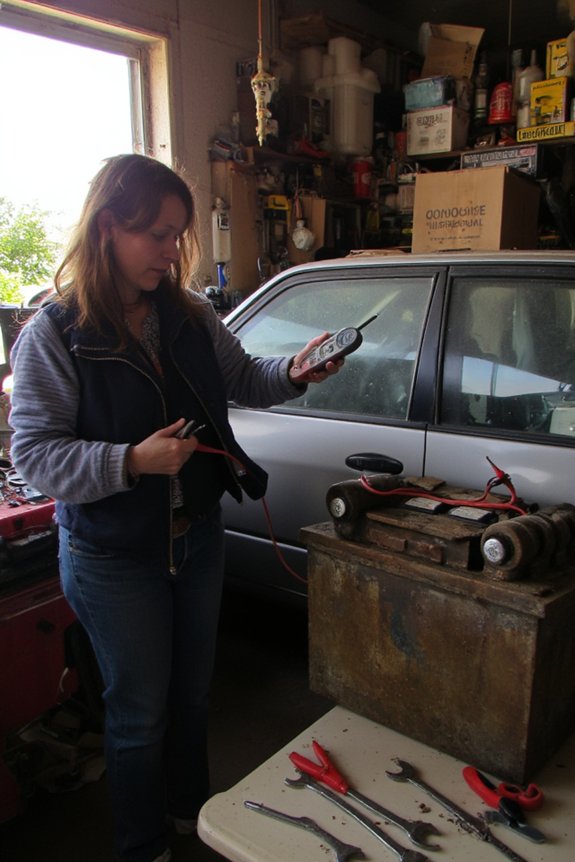
Since battery performance can drop by up to 60% after cold winter months, you should test its condition thoroughly during spring maintenance. Begin by inspecting the battery terminals for corrosion, which impedes electrical connections and reduces efficiency. Then, follow these steps to guarantee reliable operation:
- Test the battery voltage and perform a load test to assess capacity.
- Check that the battery is securely mounted to prevent vibration damage.
- Tighten all connections to avoid power loss or intermittent failure.
- Consider replacement if the battery is nearing 4 to 5 years of service.
For a more accurate assessment, using a car battery tester like the MOTOPOWER MP0515A can help you quickly determine your battery’s health and avoid unexpected issues. Routine battery maintenance liberates you from unexpected breakdowns and secures consistent performance as temperatures rise.
 3 Best Fluids to Inspect Before Winter Driving
Examine Belts and Hoses for Wear
Inspect belts and hoses closely during your spring maintenance to identify early signs of wear that could compromise your engine’s performance. Conduct a thorough inspection for cracks, fraying, or hardening on belts, as these defects signal imminent failure. Examine hoses for leaks, bulging, or soft spots, which can cause coolant loss and overheating. Rubber components typically require replacement every five years or sooner if wear appears. Prioritize timely replacement to maintain the integrity of your cooling system and power steering. Neglecting belts and hoses risks costly breakdowns and severe engine damage. Your precise inspection and proactive replacement guarantee these essential components uphold peak engine performance and vehicle reliability, granting you freedom from unexpected roadside failures.
Verify All Exterior and Interior Lighting
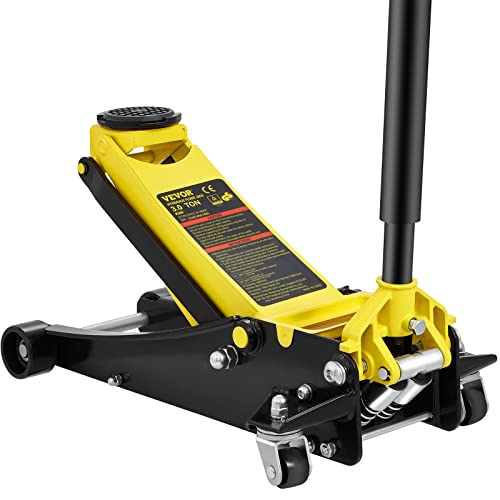
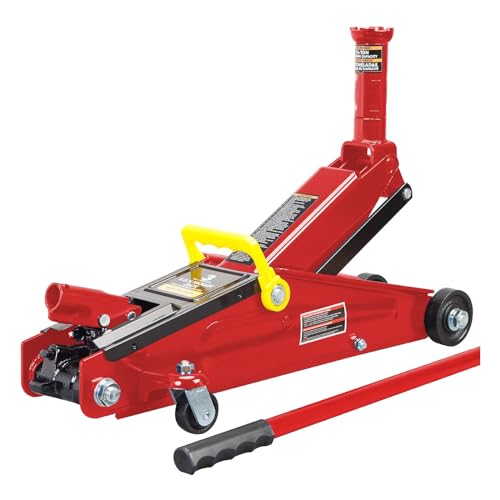
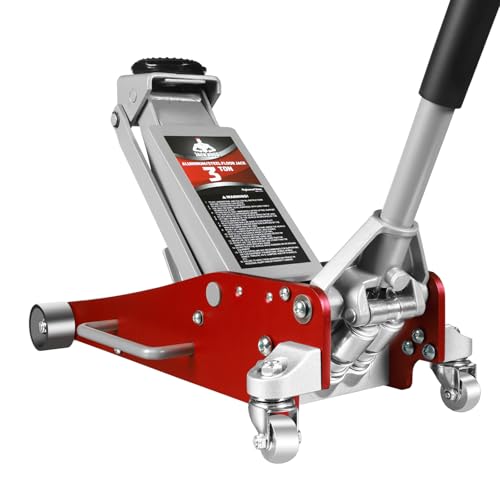
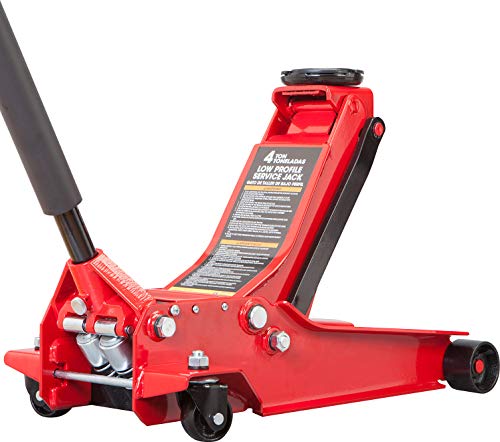
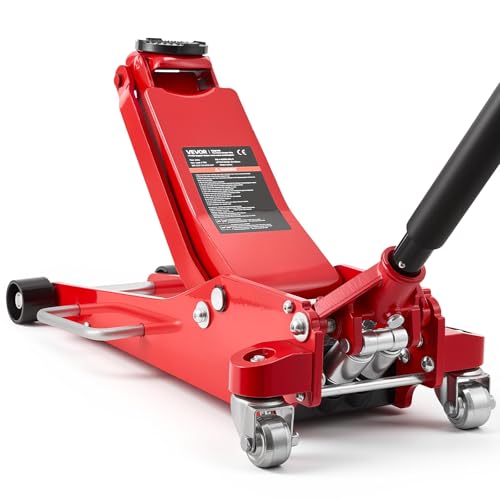
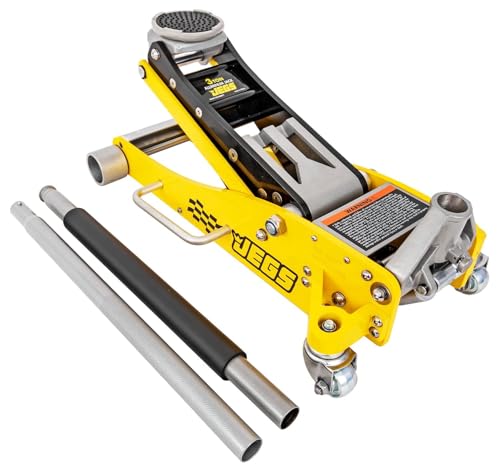
You should inspect all exterior and interior lights to confirm they function correctly, focusing on headlights, brake lights, turn signals, and dashboard illumination. Clean the lenses thoroughly to remove dirt and grime, which can reduce light output and visibility. Replace any bulbs or fixtures that show signs of wear or damage to maintain ideal safety and performance. For vehicles that require lifting during maintenance, using a quality floor jack is essential to ensure safe and efficient access to lighting components.
Inspect All Lights
When driving older vehicles, verifying that all exterior and interior lights function correctly is critical to maintaining safety and visibility. To guarantee safety driving and peak visibility, you must:
- Inspect and replace any burnt-out bulbs immediately to maintain good working condition and comply with traffic regulations.
- Thoroughly clean all exterior light lenses; dirt buildup reduces light output, compromising visibility.
- Conduct regular vehicle maintenance checks on headlights, brake lights, turn signals, hazard lights, and interior lights to detect defects early.
- Confirm that interior lights operate correctly for adequate illumination inside the vehicle during low-light conditions.
Clean and Replace
Maintaining clear and functional lighting is essential for safe driving, especially with aging cars. It’s important to check all exterior lights—headlights, taillights, turn signals—and clean their lenses to remove dirt and grime that reduce visibility. Dirt buildup can greatly dim light output, compromising your safety during night driving or adverse weather. Don’t forget to verify interior lights, such as dome lights and dashboard indicators, ensuring they’re operational for effective vehicle monitoring. Replace any burnt-out bulbs immediately; this maintenance step preserves ideal visibility and keeps you compliant with traffic laws. While inspecting, also examine windshield wipers, as clear vision complements effective lighting. Regularly cleaning and replacing lighting components safeguards you and others, empowering your liberation on the road with confidence and precision.
Frequently Asked Questions
What Is the 30-60-90 Rule for Cars?
You’ll use the 30 60 90 intervals for maintenance scheduling, applying preventative measures to aging vehicles. This boosts car performance, reduces repair costs, and liberates you from breakdowns by ensuring precise, timely servicing aligned with mileage milestones.
How to Prepare Your Car for Spring?
Before you hit the road, don’t skip the spring tire rotation and engine oil change. Check battery health, inspect windshield wipers, brake condition, and fluid levels meticulously to guarantee your car performs flawlessly and keeps you free.
How Do You Maintain a 15 Year Old Car?
You should check fluid levels, tire pressure, and battery health regularly, inspect brakes thoroughly, and maintain exterior care meticulously. These steps guarantee peak engine performance and safety, freeing you from unexpected breakdowns and costly repairs.
Which Task Is for Spring Car Maintenance?
While winter's grip fades, you shouldn’t delay tire rotation, fluid checks, brake inspection, battery maintenance, wiper replacement, and engine tuning. These precise tasks liberate your aging car to perform at its best in spring's demanding conditions.
 What Fall Car Maintenance Steps Ensure Safe Driving?
Final Thoughts
Keeping your aging automobile agile and alert requires attentive, annual action. By changing oil and filters, checking fluids, inspecting tires, replacing wipers, testing the battery, examining belts and hoses, and verifying all lighting, you prevent potential problems and prolong performance. Stay sharp and systematic with your spring maintenance—small steps safeguard safety, save costs, and sustain smooth steering. Don’t delay; diligent detail drives dependable daily driving.
Reliable Floor Jacks on a Budget: Best Picks for Under $150
Top-Rated Floor Jacks Over $100: Built for Professionals, Priced for Smart Buyers
If you want to know other articles similar to Spring Maintenance Checklist: 7 Tips for Aging Cars you can visit the Seasonal Car Care Tips category.
3 Best Fluids to Inspect Before Winter Driving

10 Summer Maintenance Tips to Prevent Overheating
Seasonal Tire Maintenance Tips for Improved Traction

7 Best Steps to Ready Your Vehicle for Rain

Budget-Friendly Seasonal Maintenance Tips for Students
Car Battery Care Tips for Winter Weather

Essential Winter Maintenance Guide for Beginners

What Fall Car Maintenance Steps Ensure Safe Driving?
Leave a Reply
This is also interesting