













How Proper Wheel Alignment Boosts Fuel Efficiency


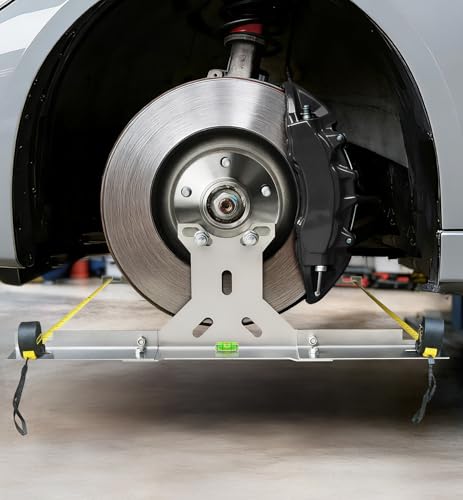
Proper wheel alignment guarantees your tires roll evenly and meet the road at manufacturer-specified angles, reducing rolling resistance and preventing uneven tire wear.
When your alignment is off, your vehicle drags, forcing the engine to work harder and consume more fuel.
Precise adjustments to camber and toe optimize tire contact, enhancing fuel economy by up to 10%.
Regular alignment checks also lower engine strain and extend tire life.
Exploring these concepts further reveals how alignment intricacies directly impact your vehicle’s efficiency.
Table
- Main Points
- What Wheel Alignment Means for Your Vehicle
- How Misalignment Increases Fuel Consumption
- Key Signs Your Wheels Need Alignment
- The Role of Camber, Toe, and Caster in Fuel Economy
- Benefits of Routine Alignment Checks for Gas Mileage
- Choosing Professional Services for Accurate Alignment
- Frequently Asked Questions
- Final Thoughts
Main Points
- Proper wheel alignment reduces rolling resistance, allowing the engine to use less fuel to maintain speed.
- Correct camber and toe angles ensure even tire wear, preventing increased friction and energy loss.
- Aligning wheels prevents the vehicle from dragging or pulling, which lowers unnecessary fuel consumption.
- Routine alignment checks improve gas mileage by up to 10% through optimized tire contact with the road.
- Reduced engine strain from proper alignment enhances overall fuel efficiency and vehicle longevity.
What Wheel Alignment Means for Your Vehicle

Wheel alignment refers to adjusting your vehicle's wheel angles—camber, toe, and caster—to match manufacturer specifications precisely. This process guarantees all four tires point uniformly, reducing rolling resistance and optimizing vehicle performance. Proper alignment prevents misaligned wheels from causing uneven tire wear, which compromises tire longevity and escalates replacement costs. By maintaining proper alignment, you enhance fuel efficiency since the engine faces less resistance, promoting smoother tire movement. Regular alignment checks are essential for sustaining these benefits, preserving your tires and improving the overall driving experience. Misaligned wheels degrade handling and increase energy consumption, limiting your freedom on the road. Embracing precise wheel alignment liberates you from unnecessary expenses and suboptimal performance, empowering you with better control and efficiency every time you drive.
 7 Tips to Reduce Wheel Alignment Costs
How Misalignment Increases Fuel Consumption

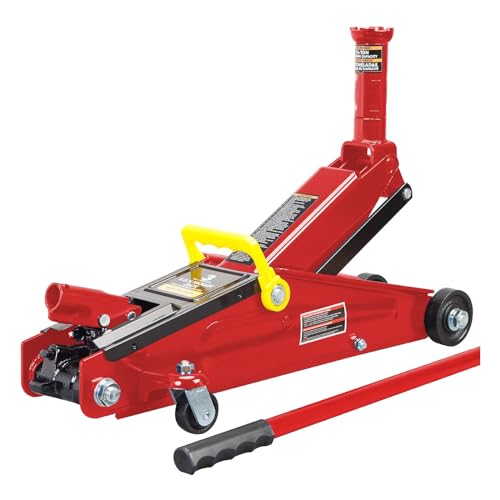
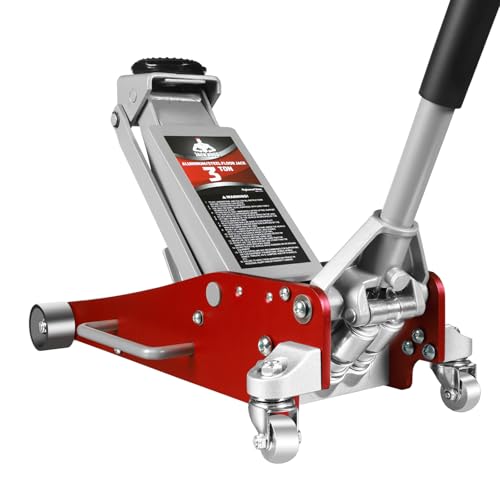
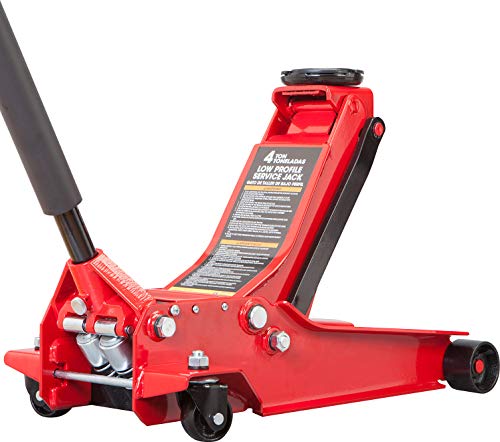
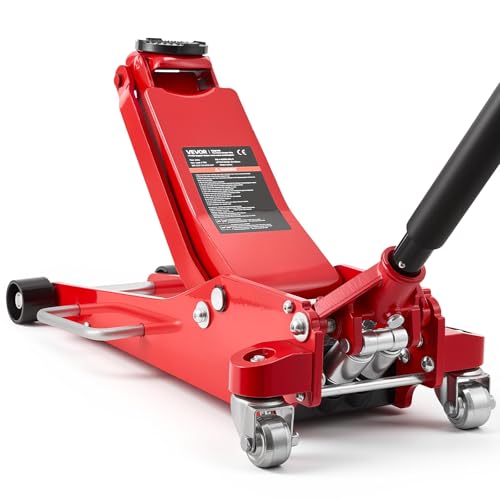
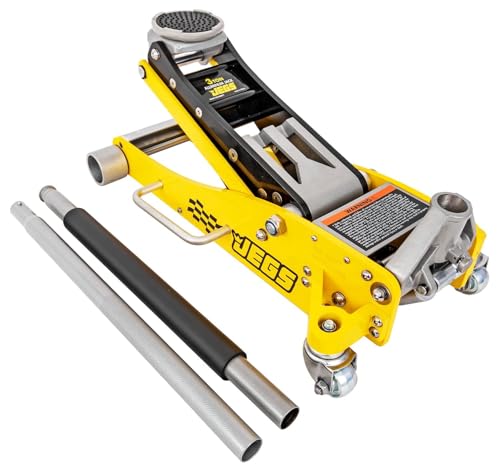
Misalignment increases rolling resistance, forcing your engine to expend more energy to maintain speed. When your wheels are misaligned, the vehicle drags to one side, elevating rolling resistance and causing higher fuel consumption. This inefficiency directly undermines fuel efficiency and vehicle performance. Additionally, improper alignment accelerates uneven tire wear, which not only reduces tire longevity but also compounds rolling resistance, further increasing fuel usage. You can liberate yourself from these inefficiencies by committing to regular maintenance and ensuring proper alignment. This technical adjustment minimizes friction and resistance against your vehicle’s forward motion, enhancing miles per gallon. By addressing misaligned wheels promptly, you reclaim control over fuel efficiency and optimize your vehicle’s performance and tire life. Proper vehicle upkeep, including the use of quality floor jacks, is essential for safe and efficient maintenance that supports optimal wheel alignment and overall vehicle performance.
Key Signs Your Wheels Need Alignment

When your vehicle exhibits uneven tire wear, such as bald spots or excessive wear on one side, it signals that alignment adjustments are necessary. Proper wheel alignment is essential to prevent further damage and achieve improved fuel efficiency. You should notice signs of misalignment early to avoid costly repairs and optimize performance. Key indicators include:
- Vehicle pulls to one side during straight driving, indicating misalignment.
- Off-center steering wheel when driving straight, compromising control.
- Steering wheel vibrations or shaking, suggesting alignment issues.
- Uneven tire wear patterns, showing improper tire contact with the road.
- Recent impact from hitting a pothole or curb, necessitating an alignment check.
The Role of Camber, Toe, and Caster in Fuel Economy

You need to understand how camber affects tire wear by altering the contact patch with the road, which can increase rolling resistance if misaligned. Toe angles misaligned inward or outward cause the tires to scrub against each other, creating drag that raises fuel consumption. Adjusting these settings precisely reduces friction and helps optimize fuel efficiency.
Camber’s Impact on Wear
Although camber primarily influences tire wear patterns, its effect extends directly to fuel efficiency by altering rolling resistance. When camber is misaligned, uneven tire wear occurs—positive camber wears outer edges, negative camber wears inner edges—boosting rolling resistance and increasing fuel consumption. Correct camber angles optimize tire contact with the road, enhancing tire longevity and vehicle performance. You must maintain precise alignment to minimize friction and drag that reduce fuel efficiency.
- Misaligned camber increases uneven tire wear and rolling resistance
- Positive camber accelerates outer edge tire degradation
- Negative camber causes excessive inner edge tire wear
- Proper camber alignment extends tire longevity and lowers fuel consumption
- Optimized camber angles improve overall vehicle performance and fuel efficiency
Controlling camber is essential for liberation from unnecessary fuel costs and premature tire replacement.
Toe and Fuel Use
Camber alignment sets the foundation for minimizing rolling resistance, but toe angle plays an equally significant role in fuel efficiency. The toe angle—measuring tire direction inward or outward—directly influences rolling resistance; deviations cause the engine to exert more effort, reducing miles per gallon by up to 10%. A toe-in condition increases friction and uneven tire wear, while a toe-out situation induces drag and instability, both harming fuel efficiency. Maintaining ideal tire contact through precise toe alignment following manufacturer specifications guarantees smoother movement and lowers rolling resistance. Regular alignment checks focusing on toe adjustments can substantially enhance your vehicle’s miles per gallon, translating into tangible cost savings. By mastering toe angle control, you liberate your driving experience from unnecessary fuel waste and tire degradation.
Benefits of Routine Alignment Checks for Gas Mileage

When you schedule routine wheel alignment checks, your vehicle experiences reduced rolling resistance, which directly enhances fuel efficiency. Proper alignment reduces the engine's workload, improving gas mileage by up to 10%. Regular maintenance prevents uneven tire wear, extending tire lifespan and cutting costs on fuel and replacements. By minimizing drag caused by misaligned wheels, you improve fuel consumption and protect your vehicle’s performance.
 Why Wheel Alignment Matters After Hitting a Pothole
Key benefits of routine checks include:
- Enhanced fuel efficiency through reduced rolling resistance
- Increased gas mileage, lowering overall fuel expenses
- Uniform tire wear, maximizing tire lifespan
- Decreased engine strain, promoting vehicle longevity
- Proactive maintenance preventing costly repairs
Routine alignment checks every 10,000 to 15,000 miles liberate you from unnecessary fuel waste and support efficient vehicle operation.
Choosing Professional Services for Accurate Alignment
How can you guarantee your vehicle maintains peak fuel efficiency through precise wheel alignment? Rely on professional services equipped with advanced tools to achieve accurate alignment. Expert technicians swiftly identify and correct misalignments in camber, toe, and caster angles, ensuring ideal tire-road contact. This precision reduces rolling resistance, directly improving fuel efficiency and enhancing overall vehicle performance. Regular alignment checks prevent uneven tire wear, which not only extends tire life but also sustains economical fuel consumption. Choosing reputable providers guarantees alignment adheres strictly to manufacturer specifications, securing consistent performance gains. Additionally, thorough inspections address other fuel efficiency factors, liberating you from unexpected expenses and inefficiencies. By entrusting your alignment to skilled professionals, you actively optimize your vehicle’s function and fuel economy, empowering freedom through smarter maintenance decisions.
Frequently Asked Questions
Does Wheel Alignment Affect Fuel Consumption?
You’ll notice alignment signs like uneven tire wear and reduced steering stability; correcting them improves fuel economy, driving safety, and performance improvement. Regular alignment checks, considering tire pressure and road conditions, cut maintenance costs and optimize alignment frequency.
How Do I Make My Car More Fuel-Efficient?
You can boost fuel efficient driving by optimizing aerodynamics, practicing tire maintenance tips, applying engine tuning techniques, using lightweight materials, leveraging hybrid technology benefits, evaluating fuel additives effectiveness, prioritizing regular maintenance importance, and refining driving habits impact.
What Does a Wheel Alignment Help With?
Coincidentally, wheel alignment benefits extend beyond tire wear reduction—you’ll improve steering response, driving comfort, and vehicle handling. Regular maintenance prevents suspension issues, optimizes alignment types, enhances safety, and yields cost savings while liberating your driving experience.
Does Wheel Balancing Affect Fuel Consumption?
You’ll notice that proper wheel balancing minimizes tire wear, enhances driving comfort, and improves handling stability and steering response. Regular alignment frequency checks and maintenance tips preserve suspension health, boost vehicle safety, and maximize cost savings despite varying road conditions.
 Top Advantages of Regular Wheel Balancing
Final Thoughts
When your wheels aren’t aligned, imagine your engine working harder, burning extra fuel to overcome uneven tire drag. Proper alignment guarantees camber, toe, and caster angles optimize tire contact, reducing resistance and improving fuel efficiency. By routinely checking alignment, you’re not just preserving your tires—you’re enhancing gas mileage and cutting costs. Trusting professional services assures precision, turning a complex adjustment into measurable savings every mile you drive.
Reliable Floor Jacks on a Budget: Best Picks for Under $150
Top-Rated Floor Jacks Over $100: Built for Professionals, Priced for Smart Buyers
If you want to know other articles similar to How Proper Wheel Alignment Boosts Fuel Efficiency you can visit the Wheel Alignment Balancing category.
How to Tell If Your Car Needs Wheel Balancing

Top Advantages of Regular Wheel Balancing

Why Wheel Alignment Matters After Hitting a Pothole

7 Tips to Reduce Wheel Alignment Costs

5 Best Ways Wheel Alignment Differs From Balancing

Why Does Wheel Alignment Affect Uneven Tire Wear?

How Frequently Should You Schedule Wheel Alignment?

5 Best Wheel Alignment Services Near You
Leave a Reply
This is also interesting