


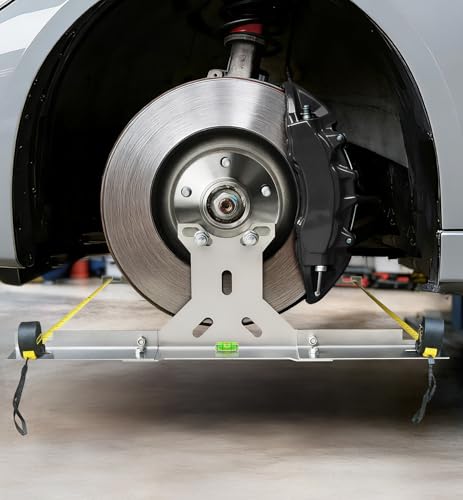


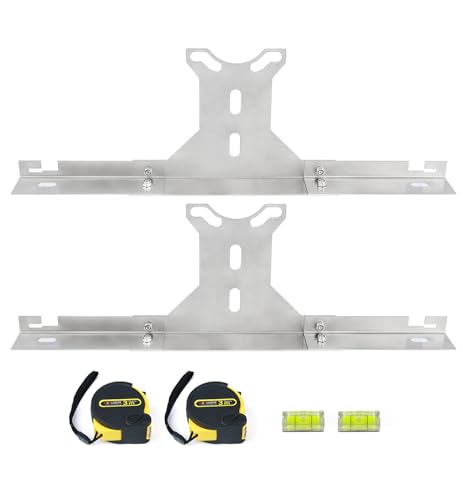







How Frequently Should You Schedule Wheel Alignment?


You should schedule wheel alignment at least every 12,000 to 15,000 miles or once a year to keep your tires wearing evenly and your vehicle handling safely.
If you notice steering pulling, vibrations, or uneven tire wear, get alignment checked immediately.
Driving on rough roads or after installing new tires may require more frequent checks.
Proper alignment improves fuel efficiency and prolongs tire life.
Understanding these factors helps you maintain peak vehicle performance and safety.
Table
- Main Points
- Importance of Regular Wheel Alignment
- Signs Indicating the Need for Wheel Alignment
- Recommended Wheel Alignment Frequency
- Influence of Tire Type on Alignment Needs
- Driving Conditions Affecting Alignment Schedule
- Impact of Road Hazards and Collisions
- Technological Factors in Modern Wheel Alignment
- Selecting a Professional Wheel Alignment Service
- Frequently Asked Questions
- Final Thoughts
Main Points
- Schedule wheel alignment annually or every 12,000 to 15,000 miles for optimal vehicle performance and tire longevity.
- Increase alignment checks to every 6,000 miles if frequently driving on rough terrain or pothole-prone roads.
- Perform alignment inspections after installing new tires to prevent uneven wear and maintain handling.
- Monitor for signs like steering wheel pull, off-center steering, or uneven tire wear and align immediately if noticed.
- Older vehicles and aggressive driving habits may require more frequent alignment assessments to ensure safety and stability.
Importance of Regular Wheel Alignment

Although you might not notice it immediately, regular wheel alignment plays a critical role in maintaining safe driving conditions by ensuring your tires maintain ideal grip on the road, especially in wet weather. When your wheels are regularly aligned, you achieve peak performance, enhancing vehicle handling and stability essential for control in all scenarios. Misalignment causes uneven tire wear, which not only shortens tire lifespan but also increases replacement costs. Proper alignment reduces engine workload, improving fuel efficiency and saving money over time. To preserve suspension integrity and steering components, you must schedule wheel alignment checks every 12,000 to 15,000 miles or annually. Prioritizing alignment keeps your vehicle operating safely and efficiently, freeing you from avoidable mechanical issues.
Signs Indicating the Need for Wheel Alignment

Regular wheel alignment maintains your vehicle’s safety and performance, but recognizing when your wheels need adjustment is equally important. Key signs of misalignment include a steering wheel that’s off-center when driving straight and a vehicle that pulls to one side, forcing you to constantly correct your direction. Uneven tire wear, especially excessive wear on one side, also indicates alignment issues that compromise tire lifespan and handling. Additionally, if you feel vibrations or a loose response in the steering wheel while driving, these symptoms signal misalignment affecting your control and comfort. Addressing these signs promptly guarantees ideal vehicle stability, tire efficiency, and your freedom to drive safely and confidently without unnecessary restrictions.
Recommended Wheel Alignment Frequency

You should have your wheel alignment checked at least once a year or every 12,000 to 15,000 miles to verify peak vehicle performance. Proper alignment is essential to guarantee ideal handling, tire longevity, and safety. Depending on your driving conditions and vehicle age, you might need a wheel alignment more frequently. Consider these key points for wheel alignment every interval:
Check wheel alignment annually or every 12,000-15,000 miles for optimal handling and tire life.
Why Does Wheel Alignment Affect Uneven Tire Wear?
- Inspect alignment after installing new tires to prevent uneven wear
- Increase frequency to every 6,000 miles if you drive on rough terrain or pothole-prone roads
- Older vehicles often require more frequent checks due to wear and tear
- Watch for signs like steering pulling or uneven tire wear to prompt immediate alignment
Scheduling regular wheel alignment helps liberate your driving experience by maintaining control and efficiency.
Influence of Tire Type on Alignment Needs

Wheel alignment frequency doesn't just depend on mileage or driving conditions; the type of tires on your vehicle plays a significant role. Sporty cars with wider or low-profile tires put extra stress on suspension components, demanding more frequent wheel alignments to maintain ideal handling. Performance tires, in particular, require regular alignment checks to prevent uneven wear and preserve vehicle safety. Ensuring your tires are properly inflated to the recommended PSI is equally essential, as under-inflated tires can cause misalignment and accelerated wear. Whenever you install or repair tires, have the alignment checked to guarantee your tires aligned correctly and perform efficiently. By understanding how tire type influences alignment needs, you can tailor your maintenance schedule and liberate yourself from unexpected tire wear or compromised driving habits and road control.
Driving Conditions Affecting Alignment Schedule

Although your vehicle’s alignment can stay stable over time, certain driving conditions accelerate misalignment risks and demand more frequent checks. If you frequently drive on rough roads or uneven terrains, the constant bumps can misalign your wheels faster than usual. To maintain ideal wheel alignment, you should check alignment regularly when exposed to challenging conditions.
Frequent rough road driving speeds up wheel misalignment, so regular checks are essential for maintaining optimal alignment.
Consider these key driving conditions affecting your alignment schedule:
- Regularly driving on rough roads or gravel paths
- Aggressive driving with sharp turns and rapid acceleration
- Seasonal road surface changes during winter and summer
- Mainly urban driving with frequent stops and starts
Using heavy-duty steel car ramps can help ensure safe and stable maintenance when checking your vehicle’s alignment, especially if you need to lift your car for inspection after driving in rough conditions.
Impact of Road Hazards and Collisions
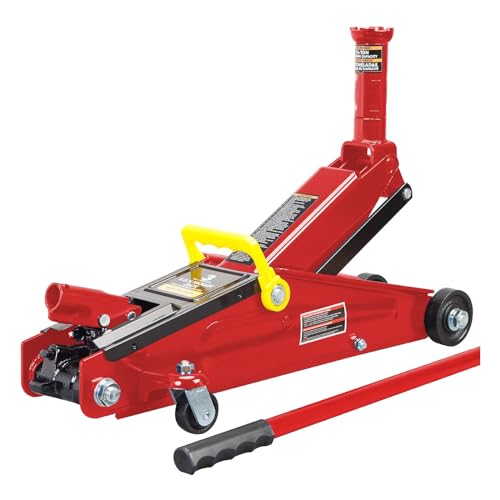
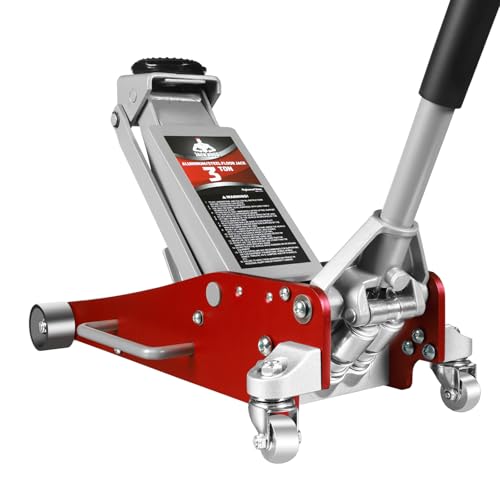
Driving over rough terrain and encountering challenging road conditions not only accelerates misalignment risks but also increases the chance of sudden impacts that can disrupt your vehicle’s alignment. As a vehicle owner, you must recognize that hitting road hazards like potholes or debris can cause immediate misalignment, requiring an urgent wheel alignment check. Even minor collisions or bumps disturb wheel angles, making inspections essential after any accident. Consistently driving on uneven surfaces such as gravel or rocky roads exacerbates misalignment over time, leading to uneven tire wear or a crooked steering wheel. To maintain precise control and safety, you should schedule more frequent wheel alignment inspections when traversing rough terrains regularly, preventing compounded alignment issues and ensuring peak vehicle performance. Using the proper safety features during maintenance, as highlighted in high-quality equipment like Grainger floor jacks, can further protect your vehicle and help maintain correct wheel alignment after repairs.
Technological Factors in Modern Wheel Alignment
You need to guarantee your wheel alignment accounts for the calibration of advanced driver assistance systems (ADAS), as misalignment can disrupt sensor accuracy and compromise safety features. After every alignment, recalibrating these systems is essential to maintain functions like lane-keeping assist and adaptive cruise control. Modern alignment tools integrate digital diagnostics that streamline this process, providing precise adjustments aligned with manufacturer specifications.
ADAS Calibration Needs
When your vehicle has Advanced Driver Assistance Systems (ADAS), wheel alignment isn't just about mechanical precision—it directly impacts the accuracy of critical safety features like lane-keeping assistance and adaptive cruise control. Misalignment skews steering angle data, disrupting ADAS functionality and compromising vehicle safety. To maintain peak performance, you must guarantee proper calibration after every alignment.
- ADAS calibration requires specialized tools and certified technicians
- Manufacturer-specific alignment tolerances must be strictly followed
- Regular alignment checks keep mechanical and electronic systems synchronized
- Incorrect calibration can degrade adaptive safety features’ reliability
Alignment and Sensor Integration
Many modern vehicles incorporate advanced sensor systems that rely heavily on precise wheel alignment to function correctly. ADAS sensors, critical for safety features like lane departure warnings, demand exact calibration after any wheel alignment to guarantee accuracy. Misaligned wheels can distort sensor readings, compromising system reliability and vehicle handling. Technological advances now enable laser or computer-assisted alignment checks, delivering unmatched precision. If your vehicle includes dynamic steering or integrated electronics, it requires specialized procedures to maintain peak performance. Regular alignment checks aren't just about tire wear—they protect sensitive ADAS components and preserve handling integrity. By scheduling timely wheel alignment services, you maintain both your vehicle’s safety systems and its liberation on the road, guaranteeing sensors communicate flawlessly and your driving experience remains uncompromised.
 5 Best Ways Wheel Alignment Differs From Balancing
Selecting a Professional Wheel Alignment Service
When choosing a wheel alignment service, prioritize providers with certified technicians who have expertise in both standard and modified vehicles. Ascertain they use advanced alignment equipment that delivers precise measurements for accurate suspension adjustments. This combination guarantees your vehicle receives the most reliable and effective alignment possible.
Certified Technicians Expertise
A certified technician brings specialized training and expertise to wheel alignment, guaranteeing adjustments strictly follow manufacturer specifications for peak vehicle performance. Proper alignment refers to adjusting the angles of camber, caster, and toe accurately, which certified technicians master to optimize your vehicle’s handling and safety. When you choose a certified technician, you assure precision in your vehicle’s alignment and minimize risks associated with misalignment.
- Certified technicians guarantee alignment refers to exact manufacturer specs.
- Expertise in adjusting the angles prevents uneven tire wear.
- Professionals provide insights on maintaining proper alignment based on your driving habits.
- Many certified services back their work with warranties for peace of mind.
Relying on certified technicians liberates you from alignment guesswork, preserving your vehicle’s longevity and performance.
Advanced Alignment Equipment
Although wheel alignment may seem straightforward, selecting a professional service equipped with advanced alignment technology is vital for accuracy. Advanced alignment equipment employs laser technology or 3D imaging to deliver precise measurements, enabling exact adjustments to wheel angles. When you choose wheel alignment services that use computerized systems, you benefit from rapid diagnosis of alignment issues and detailed reports on suspension and steering conditions. Certified technicians operating this equipment guarantee expertise in current alignment techniques and can manage various vehicle types, including modified ones. Opting for shops with regularly updated machines guarantees compatibility with modern vehicles featuring advanced driver assistance systems (ADAS). This combination of cutting-edge technology and skilled professionals liberates you from guesswork, assuring your vehicle’s alignment is accurate and reliable.
Frequently Asked Questions
How Long Does Wheel Alignment Last?
You’ll find alignment duration varies between 6,000 to 12,000 miles, influenced by your driving habits and tire wear. Seasonal changes and consistent vehicle maintenance help you maximize alignment life and maintain peak performance.
How Much Should an Alignment Cost?
You’ll find alignment pricing factors include vehicle type and modifications. Average alignment costs range $75-$100. Look for alignment service packages and discount offers. While DIY alignment tips exist, professional service guarantees precision and lasting results.
How Often Does a Car Go Out of Alignment?
You’ll notice alignment causes like hitting potholes or rough terrain disrupting wheel positioning. Watch for symptoms detection such as uneven tire wear or steering pull. Driving habits and seasonal changes also affect how often misalignment occurs.
How Do I Know When My Car Needs Alignment?
Ever felt your steering wheel dance off-center or noticed uneven tire wear? Those signs of misalignment, combined with suspension issues or tough driving habits, signal it's time you liberate your ride with a precise wheel alignment check.
Final Thoughts
Think of your vehicle’s wheel alignment as the compass guiding your car’s journey—without regular checks, you risk veering off course. By scheduling alignments every 6,000 to 10,000 miles or when you notice uneven tire wear or steering issues, you guarantee precise handling and extended tire life. Consider your tire type, driving conditions, and any impacts as factors demanding timely adjustments. Trust only professional services to keep your alignment—and your drive—true and safe.
 How Proper Wheel Alignment Boosts Fuel Efficiency
Reliable Floor Jacks on a Budget: Best Picks for Under $150
Top-Rated Floor Jacks Over $100: Built for Professionals, Priced for Smart Buyers
If you want to know other articles similar to How Frequently Should You Schedule Wheel Alignment? you can visit the Wheel Alignment Balancing category.
How to Tell If Your Car Needs Wheel Balancing

Top Advantages of Regular Wheel Balancing

Why Wheel Alignment Matters After Hitting a Pothole

7 Tips to Reduce Wheel Alignment Costs

How Proper Wheel Alignment Boosts Fuel Efficiency

5 Best Ways Wheel Alignment Differs From Balancing

Why Does Wheel Alignment Affect Uneven Tire Wear?

5 Best Wheel Alignment Services Near You
Leave a Reply
This is also interesting