







7 Tips to Reduce Wheel Alignment Costs


To reduce wheel alignment costs, schedule inspections annually or every 6,000-12,000 miles to catch issues early.
Regularly check tire pressure and keep it at manufacturer specs to prevent uneven wear. Avoid potholes and aggressive driving that stress suspension parts.
Rotate and balance tires every 5,000-7,500 miles for even wear. Shop around for competitive service prices and consider bundled maintenance deals.
Always choose experienced technicians for precise adjustments. These strategies can save you money while maintaining vehicle performance—learn effective ways to implement them.
Table
- Main Points
- Schedule Regular Wheel Alignment Inspections
- Monitor Tire Pressure and Maintain Proper Inflation
- Avoid Hazardous Road Conditions and Rough Driving
- Rotate and Balance Tires Frequently
- Shop Around for Competitive Alignment Service Prices
- Take Advantage of Service Bundles and Discounts
- Choose Experienced Technicians for Accurate Alignment
- Frequently Asked Questions
- Final Thoughts
Main Points
- Schedule regular wheel alignment inspections yearly or every 6,000 to 12,000 miles to prevent costly repairs and uneven tire wear.
- Maintain proper tire pressure monthly to reduce uneven wear and minimize the risk of misalignment.
- Rotate and balance tires every 5,000 to 7,500 miles to ensure even wear and detect alignment issues early.
- Compare prices, check reviews, and seek discounts or service bundles to get competitive alignment service rates.
- Choose experienced technicians who use advanced equipment to ensure precise alignments and identify suspension problems early.
Schedule Regular Wheel Alignment Inspections

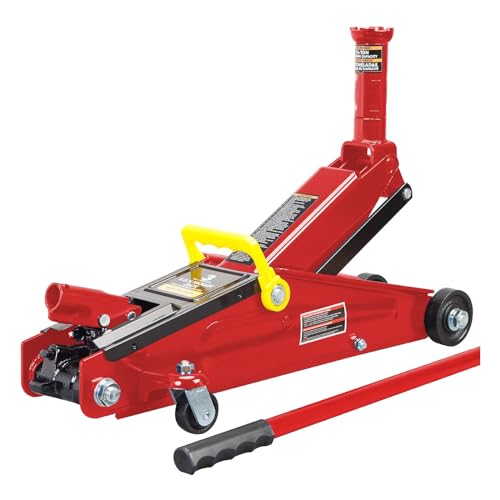
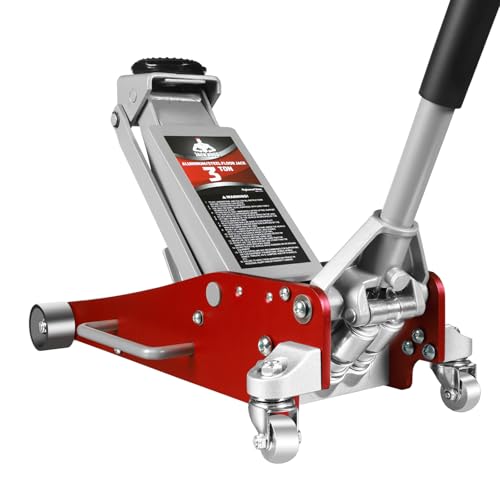
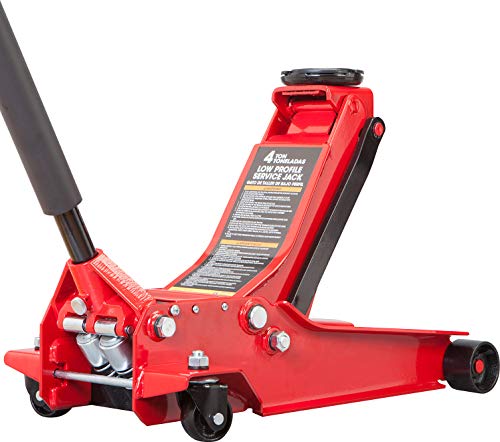
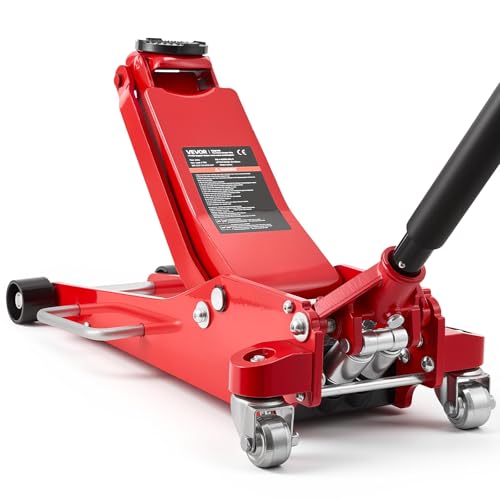
Although it may seem minor, scheduling regular wheel alignment inspections—ideally once a year or every 6,000 to 12,000 miles—can save you significant repair costs by catching misalignment issues early. Regular inspections help prevent costly repairs by identifying misalignment caused by rough roads or potholes, which degrade vehicle performance. Proper wheel alignment reduces uneven tire wear, extending tire life by up to 50%, and improving fuel efficiency by minimizing rolling resistance. By monitoring steering behavior—like a vehicle pulling to one side or off-center steering wheel—you can detect misalignment promptly. Consistent alignment checks not only enhance safety but also optimize your vehicle’s mechanical efficiency, liberating you from avoidable expenses and maintaining control over your driving experience. For added peace of mind during any at-home inspection, always use jack stands with double locking mechanisms to ensure safety and stability while working under your vehicle.
Monitor Tire Pressure and Maintain Proper Inflation

You should check your tire pressure at least once a month and inflate your tires to the manufacturer's recommended specifications, usually found in your owner’s manual or door frame label. Maintaining correct pressure, typically between 30-35 PSI, prevents uneven tire wear and reduces misalignment risks. Proper inflation also minimizes strain on suspension components, helping you avoid costly alignment repairs.
 Why Wheel Alignment Matters After Hitting a Pothole
Check Tire Pressure Regularly
Anyone maintaining proper tire pressure between 30 to 35 PSI can considerably reduce uneven tire wear and the frequency of wheel alignments. Checking your tire pressure regularly—at least once a month—helps you detect slow leaks or pressure loss that lead to misalignment issues. Under-inflated tires increase rolling resistance, strain suspension components, and degrade vehicle handling, which accelerates uneven tire wear and raises alignment costs. By keeping your tires properly inflated, you extend their lifespan by up to 25%, minimizing replacements and the need for frequent alignments. Consistent pressure monitoring not only optimizes vehicle handling but also helps you avoid misalignment problems before they escalate. Taking control of your tire pressure empowers you to reduce alignment costs and maintain your vehicle’s performance with precision.
Inflate Tires to Specs
A key factor in reducing wheel alignment costs lies in inflating tires to the exact specifications outlined by your vehicle manufacturer. Proper tire pressure prevents uneven tire wear, a leading cause of misalignment issues. Under-inflated tires increase rolling resistance, reducing fuel efficiency and stressing suspension components, which can prompt more frequent alignment services. Over-inflation causes harsh rides and uneven wear, also risking misalignment. By maintaining correct tire pressure, you enhance vehicle performance, extend tire life, and reduce costs related to alignment and premature tire replacement. Selecting auto maintenance tools with spill prevention features can also help keep your garage clean while performing routine tire and oil changes.
| Tire Condition | Effect on Vehicle |
|---|---|
| Under-inflated | Increased rolling resistance, fuel inefficiency |
| Over-inflated | Harsh ride, uneven tire wear |
| Properly inflated | Ideal handling, extended tire life |
| Uneven wear | Indicates misalignment issues |
| Correct pressure | Reduces alignment services frequency |
Avoid Hazardous Road Conditions and Rough Driving

You should avoid potholes and road debris, as these can cause immediate wheel misalignment and reduce tire life considerably. Minimizing aggressive driving, such as harsh acceleration and braking, protects your suspension components from premature wear. Maintaining smooth, controlled driving helps preserve alignment and reduces repair costs over time.
Steering Clear of Potholes
Since potholes and rough road conditions can cause significant misalignment, steering clear of them is essential for preserving your vehicle’s suspension and steering systems. You should regularly inspect road conditions and select smoother routes to reduce the risk of alignment issues. Maintaining proper tire pressure enhances your vehicle’s stability, making it easier to avoid potholes. Adjust your driving habits by reducing speed over uneven surfaces to minimize impact forces that often lead to misalignment. Avoiding sudden maneuvers further protects suspension components and lessens wear on tires. These practical steps help you delay costly alignment service by preventing damage before it occurs. By consciously maneuvering around potholes and hazardous road conditions, you maintain precise alignment, ensuring your vehicle’s best performance and extending the lifespan of critical steering and suspension parts.
Minimizing Aggressive Driving
When you minimize aggressive driving, you substantially reduce the risk of wheel misalignment caused by hazardous road conditions and rough handling. To maintain proper alignment, avoid sudden acceleration, harsh braking, and sharp turns that strain your vehicle’s suspension. Choose routes with well-maintained surfaces to limit exposure to rough conditions that can shift alignment angles. Drive at moderate speeds, especially on uneven terrain, to protect steering components from damage that leads to costly repairs. Additionally, keep a safe distance from curbs when parking or maneuvering to prevent suspension impacts that cause misalignment. By adopting smooth, controlled driving habits, you preserve your vehicle’s suspension integrity, reduce wear, and extend intervals between alignment services—ultimately lowering repair expenses while enhancing your driving freedom.
Rotate and Balance Tires Frequently

Regularly rotating and balancing your tires every 5,000 to 7,500 miles guarantees even wear, which helps prevent misalignment issues and extends tire life. To reduce alignment costs and enhance vehicle performance, you should:
- Rotate tires systematically to maintain even tread wear and identify early signs of misalignment.
- Balance tires during every rotation or when vibrations occur to prevent uneven wear and potential misalignment.
- Monitor tire maintenance closely, as balanced and rotated tires reduce rolling resistance, improving fuel efficiency.
- Address uneven wear promptly to avoid costly repairs and extend tire lifespan.
Shop Around for Competitive Alignment Service Prices

How can you guarantee you get the best value for your wheel alignment service? The key is to shop around and compare alignment service prices from multiple local shops. Average costs vary—two-wheel alignments typically range from $50 to $100, while four-wheel alignments cost between $100 and $200. Look for competitive pricing by checking customer reviews and ratings to ascertain quality isn’t sacrificed. Explore seasonal deals and discounts that local shops often offer. Investigate alignment packages, especially lifetime options, which provide long-term savings if you require frequent adjustments. Additionally, consider combining alignments with tire purchases or other maintenance tasks to maximize cost efficiency. By methodically researching and evaluating these factors, you liberate yourself from overpaying and secure precise, affordable wheel alignment services.
 Top Advantages of Regular Wheel Balancing
Take Advantage of Service Bundles and Discounts
Take advantage of service bundles and discounts to lower your wheel alignment expenses without compromising quality. By strategically selecting combined services, you can optimize costs efficiently:
- Opt for service bundles that include wheel alignment, tire rotation, and other maintenance services to reduce cumulative expenses.
- Seek promotional discounts from local shops or online platforms offering 10-20% off alignment and related services.
- Consider lifetime alignment packages from tire retailers if frequent alignments are necessary, locking in a fixed price for multiple visits.
- Monitor seasonal promotions and combine wheel alignment with tire purchases to maximize savings through additional discounts.
Implementing these tactics lets you maintain your vehicle’s precision while exercising financial control and liberating resources for other priorities.
Choose Experienced Technicians for Accurate Alignment
Because wheel alignment directly impacts your vehicle’s handling and tire wear, choosing experienced technicians is essential for ensuring accuracy. Skilled technicians use advanced alignment equipment to achieve precise measurements, meeting your vehicle’s specific alignment requirements. Their expertise helps identify underlying suspension problems early, preventing costly repairs down the line. Selecting technicians familiar with your vehicle make and model further enhances service quality and guarantees accurate alignment. While experienced technicians may charge higher upfront fees, their proficiency delivers long-lasting results, reducing the need for repeat adjustments. This investment not only optimizes vehicle performance but also cuts overall maintenance costs, granting you freedom from frequent service visits. Prioritize experience to secure reliable wheel alignment that preserves your vehicle’s integrity and your peace of mind.
Frequently Asked Questions
How Much Should a Full Wheel Alignment Cost?
You should expect a full wheel alignment to cost $100-$200, depending on alignment frequency and vehicle. Watch for alignment signs, understand alignment importance, and rely on alignment professionals with proper tools for precise alignment adjustments.
How Much Should I Pay for 4 Wheel Alignment?
You might pay $100 to $200 for four-wheel alignment, depending on your vehicle’s complexity and alignment importance. Don’t ignore alignment signs; frequent adjustments by skilled technicians guarantee benefits. DIY alignment needs precise tools and knowledge.
How Much Does It Cost to Get Your Wheels Aligned?
You should expect to pay $50–$175 for wheel alignment, depending on alignment types and service choice. Recognize misalignment symptoms, follow alignment frequency recommendations, and use alignment tools overview for DIY tips, ensuring tire longevity and vehicle safety.
What Can Throw off an Alignment?
Road hazards, pothole impacts, and accident damage can throw off your alignment. Uneven tires, worn components, suspension issues, tire pressure, driving habits, seasonal changes, and load weight also disrupt alignment, affecting handling and tire wear.
 How to Tell If Your Car Needs Wheel Balancing
Final Thoughts
By treating your wheels like the compass of your car’s journey, you steer clear of costly misalignments. Regular inspections, proper tire care, and smart driving habits act as your navigational tools, keeping expenses low and performance sharp. Shop wisely and trust skilled technicians to fine-tune your alignment with precision. Follow these tips, and you’ll glide down the road smoothly—saving money while extending your vehicle’s lifespan, one perfectly aligned turn at a time.
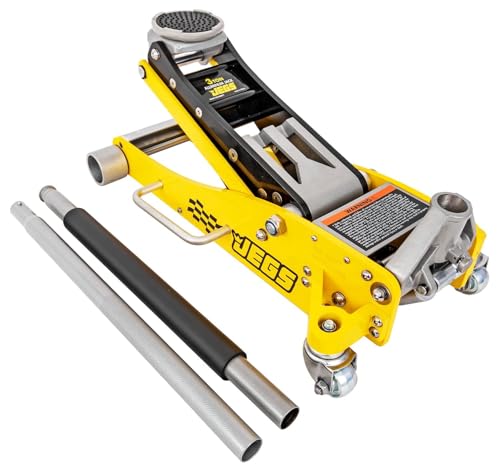
Reliable Floor Jacks on a Budget: Best Picks for Under $150
Top-Rated Floor Jacks Over $100: Built for Professionals, Priced for Smart Buyers
If you want to know other articles similar to 7 Tips to Reduce Wheel Alignment Costs you can visit the Wheel Alignment Balancing category.
How to Tell If Your Car Needs Wheel Balancing

Top Advantages of Regular Wheel Balancing

Why Wheel Alignment Matters After Hitting a Pothole

How Proper Wheel Alignment Boosts Fuel Efficiency

5 Best Ways Wheel Alignment Differs From Balancing

Why Does Wheel Alignment Affect Uneven Tire Wear?

How Frequently Should You Schedule Wheel Alignment?

5 Best Wheel Alignment Services Near You
Leave a Reply
This is also interesting