












Why Wheel Alignment Matters After Hitting a Pothole


When you hit a pothole, your wheel alignment can instantly shift, causing uneven tire wear and compromised steering control.
This misalignment reduces tire lifespan, increases fuel consumption, and strains suspension components, risking costly repairs and unsafe handling.
Addressing alignment issues quickly guarantees your vehicle maintains proper road contact and performance.
Understanding these impacts helps you recognize the importance of timely inspections and preventative care to keep your driving safe and efficient.
Table
- Main Points
- How Potholes Impact Your Vehicle’s Wheel Alignment
- Identifying Signs of Misalignment After a Pothole Hit
- The Role of Wheel Alignment in Vehicle Safety and Handling
- Effects of Misalignment on Tire Wear and Longevity
- Why Immediate Alignment Checks Are Crucial Post-Pothole
- Common Suspension and Steering Issues Linked to Pothole Damage
- The Connection Between Wheel Alignment and Fuel Efficiency
- Proper Techniques to Avoid Pothole Damage While Driving
- Professional Alignment Services: What to Expect
- Preventative Maintenance Tips to Protect Your Wheels and Alignment
- Frequently Asked Questions
- Final Thoughts
Main Points
- Hitting a pothole can instantly misalign wheels, affecting steering accuracy and vehicle control.
- Misalignment leads to uneven tire wear, increasing the risk of blowouts and costly replacements.
- Proper alignment ensures tires maintain optimal road contact for safe, predictable handling.
- Misaligned wheels cause vibrations and pulling, reducing driving comfort and increasing accident risk.
- Immediate alignment checks after pothole impacts prevent long-term suspension damage and costly repairs.
How Potholes Impact Your Vehicle’s Wheel Alignment

Although potholes may seem like minor road hazards, they can instantly misalign your vehicle’s wheels by altering their angles, which directly impacts handling and safety. When you’re hitting a pothole, the sudden jolt disrupts your wheel alignment, causing subtle shifts that compromise performance. These alignment issues don’t always show visible damage but manifest as uneven tire wear or compromised steering response. Ignoring signs that your wheels are misaligned can lead to accelerated tire degradation and increased maintenance costs. To maintain control and prolong your vehicle’s lifespan, you must recognize the impact potholes have on your wheel alignment and act promptly. Regular inspections after striking a pothole guarantee you avoid long-term damage and preserve your driving freedom. Using impact wrenches and torque tools during repairs can help ensure that wheel components are properly tightened, further preventing alignment issues after a pothole incident.
Identifying Signs of Misalignment After a Pothole Hit

When you hit a pothole, your vehicle’s wheel alignment can shift in ways that aren’t immediately obvious. One of the first signs of misaligned wheels is your vehicle pulling to one side. You might notice the steering wheel feels off-center when you drive straight, signaling alignment issues. Pay close attention if the steering wheel vibrates more at higher speeds or if handling changes—such as difficulty steering or a loose feeling—emerge. Uneven tire wear is another critical indicator: look for bald spots or excessive wear on one side of your tires. Recognizing these signs early lets you address misalignment promptly, ensuring your vehicle operates efficiently and maintains control without hidden compromises from pothole impacts. If you notice any of these symptoms, using the right socket set can help you safely inspect and address wheel or suspension components after pothole damage.
The Role of Wheel Alignment in Vehicle Safety and Handling

When your wheels are properly aligned, your vehicle maintains ideal contact with the road, improving safety by reducing the risk of drifting or loss of control. Misalignment compromises handling and stability, causing uneven tire wear and steering vibrations that can lead to hazardous driving conditions. Regular alignment checks guarantee your steering and suspension systems function correctly, preserving both safety and performance.
Alignment and Safety
Three key factors highlight why proper wheel alignment is essential for your vehicle's safety and handling. First, correct alignment guarantees tires are positioned to promote even wear, preserving tire integrity and maximizing handling. Second, misalignment causes your vehicle to pull to one side, compromising steering precision and increasing accident risk. Third, alignment affects your suspension’s ability to absorb road impacts effectively, maintaining consistent contact between tires and the road. Neglecting alignment after hitting a pothole can degrade suspension performance, leading to unpredictable handling and safety hazards. Regular alignment checks restore peak function, guaranteeing your vehicle responds accurately to steering inputs and road conditions. By prioritizing alignment, you safeguard your driving experience, reduce premature tire wear, and maintain essential control, reinforcing both safety and liberation on every journey. Just as proper lifting technique is crucial when correcting home structures, ensuring precise wheel alignment after a jarring impact is vital for restoring and maintaining your vehicle’s structural integrity and safety.
Handling and Stability
Maintaining proper wheel alignment directly influences your vehicle’s handling and stability on the road. When you hit a pothole, alignment problems can disrupt this balance, compromising your control. Here’s why you should act promptly:
- Correct wheel angles maintain consistent contact with the road, enhancing handling and preventing uneven tire wear.
- Misalignment causes your vehicle to pull to one side, reducing stability and increasing the risk of accidents.
- Alignment issues strain the suspension system, accelerating component wear and leading to costly repairs.
- Regular alignment checks detect hidden damage early, preserving responsive handling and overall safety.
Effects of Misalignment on Tire Wear and Longevity

When your wheels are misaligned, your tires wear unevenly, causing patterns like scalloping or cupping that drastically reduce their lifespan. This uneven wear forces you to replace tires more frequently, increasing your overall maintenance costs. Keeping your alignment in check guarantees your tires last longer and perform safely on the road.
 Top Advantages of Regular Wheel Balancing
Uneven Tire Wear
Although hitting a pothole might seem minor, it can cause misalignment that leads to uneven tire wear, wearing down specific areas faster and greatly reducing your tire’s lifespan. Ignoring this issue can result in:
- Premature tire replacement due to accelerated wear on one side.
- A vehicle that pulls to one side, increasing uneven tire wear further.
- Up to 25% sooner tire replacement costs, draining your budget.
- Decreased fuel efficiency by as much as 10%, thanks to increased rolling resistance.
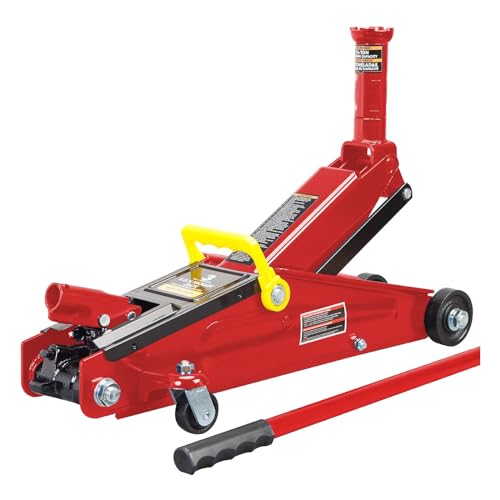
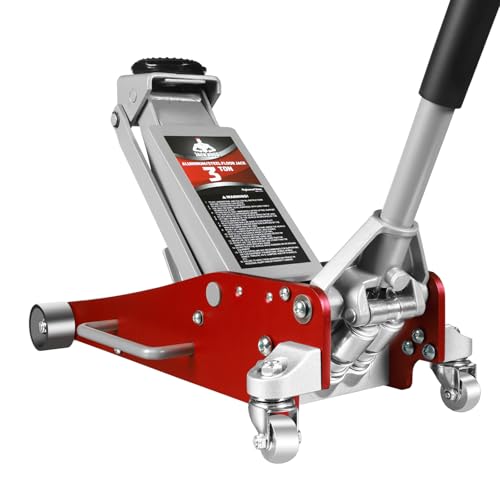
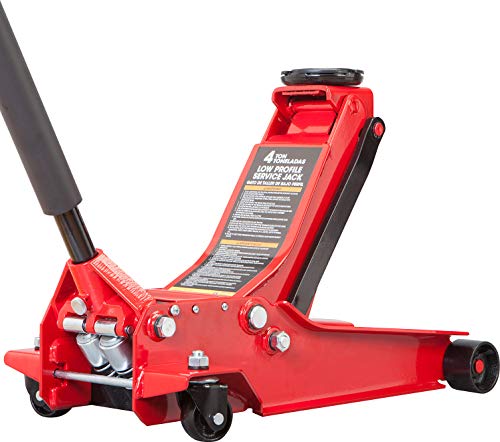
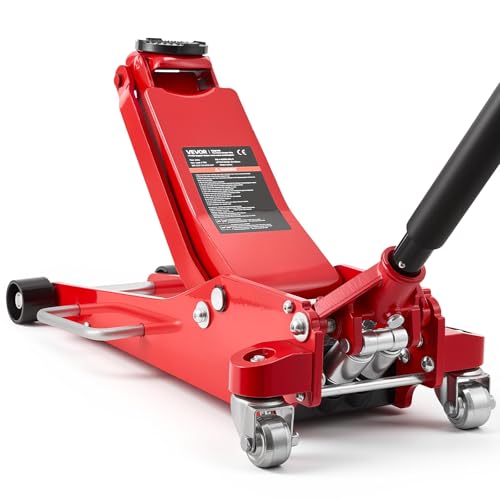
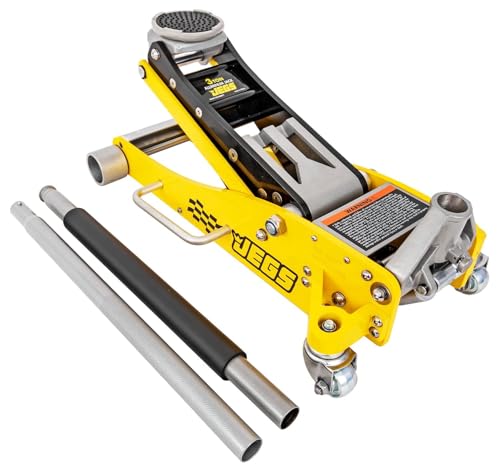
Regular alignment checks are essential after pothole impacts to correct misalignment and prevent uneven tire wear. By maintaining proper alignment, you liberate yourself from excessive repair costs and unsafe driving conditions, ensuring your tires wear evenly and last considerably longer. Don’t let potholes steal your freedom on the road. Investing in quality floor jacks can also make routine tire maintenance safer and more efficient, helping you address alignment issues promptly.
Reduced Tire Lifespan
Since misalignment often follows pothole impacts, it directly accelerates uneven tire wear, considerably shortening tire lifespan. When your wheels are misaligned, tread wears unevenly—often on one side—reducing tire lifespan by up to 30%. This means your tires might need replacement as early as 5,000 to 10,000 miles after hitting a pothole. Misalignment also increases rolling resistance, causing tires to degrade faster and compromising fuel efficiency by up to 10%. The vibration transmitted through the steering wheel further intensifies tire deterioration due to inconsistent road contact. By regularly checking and correcting alignment, you can prevent uneven tire wear, extending tire life from an average of 50,000 miles to over 70,000 miles. Proper alignment liberates you from premature tire failure and unnecessary fuel expenses, ensuring safer, more efficient driving.
Increased Replacement Costs
Uneven tire wear caused by misalignment doesn't just shorten tire lifespan—it also drives up your replacement costs. After pothole damage, misalignment can lead to these costly consequences:
- Tires wear unevenly, especially on edges, reducing lifespan by up to 25%, forcing premature replacements.
- Accelerated wear increases risks of tire failures like bulges and blowouts, adding to expenses.
- Misaligned wheels decrease fuel efficiency by about 10%, raising your fuel costs over time.
- Additional strain on suspension components from misalignment can cause costly repairs, ranging from $300 to $1,000.
To avoid these costly repairs, have your wheel alignment checked regularly—at least annually or every 10,000 miles—especially after hitting potholes. This proactive step liberates you from premature tire replacements and expensive maintenance. Investing in proper alignment tools, such as a precision torque wrench, can also help ensure bolts and components are secured to manufacturer specifications, further protecting your vehicle from alignment-related issues.
Why Immediate Alignment Checks Are Crucial Post-Pothole

When you hit a pothole, your vehicle's wheel alignment can shift instantly, causing subtle changes that may not be immediately obvious. You need to have your alignment checked promptly to detect immediate damage that could otherwise go unnoticed. Misalignment leads to uneven tire wear, which compromises tire lifespan and vehicle control. Ignoring early warning signs risks escalating damage to your suspension and steering system, resulting in costly repairs. Timely alignment checks restore proper vehicle geometry, ensuring ideal handling and safety. Additionally, correcting misalignment prevents increased fuel consumption caused by inefficient engine effort. By addressing alignment issues immediately after a pothole impact, you liberate yourself from avoidable breakdowns and expenses, maintaining your vehicle’s performance and your peace of mind on the road. For situations where pothole impacts can leave you stranded with a dead battery, having reliable power solutions like a portable car jump starter can be a crucial backup as recommended in top product guides.
Common Suspension and Steering Issues Linked to Pothole Damage
Beyond immediate wheel misalignment, pothole impacts often cause significant damage to your vehicle’s suspension and steering systems. Recognizing common issues linked to pothole damage helps you maintain control and safety:
- Steering problems: You may notice your steering wheel pulling to one side or feeling off-center, indicating misalignment and potential internal damage.
- Suspension issues: Damaged struts or shocks result in vibrations, poor handling, and a rough ride, compromising vehicle stability.
- Uneven tire wear: Misalignment leads to irregular tire wear patterns, increasing blowout risk and forcing early replacements.
- Noise and vibrations: Unusual sounds or shaking while driving often signal suspension component damage.
If you need to inspect your vehicle after hitting a pothole, using hydraulic car ramps can help you safely lift your car and thoroughly check for damage.
Addressing these symptoms promptly guarantees your wheel alignment and suspension remain intact, preserving driving freedom and vehicle integrity.
The Connection Between Wheel Alignment and Fuel Efficiency
When your wheels are properly aligned, they roll smoothly with minimal resistance, directly improving your fuel efficiency. Misalignment increases drag and forces your engine to work harder, which can boost fuel consumption by up to 10%. Keeping your alignment in check, especially after impacts like potholes, helps you save fuel and reduce unnecessary engine strain.
Alignment's Role in Efficiency
Fuel efficiency directly depends on the precision of your vehicle’s wheel alignment. Misaligned wheels, often caused by pothole damage, increase resistance and force your engine to work harder. To maintain ideal vehicle performance and fuel efficiency, consider these key points:
 How to Tell If Your Car Needs Wheel Balancing
- Proper alignment angles tires to reduce rolling resistance, improving fuel efficiency up to 10%.
- Misalignment increases drag, raising fuel consumption and operating costs.
- Fuel efficiency can drop 5% to 15% with severe misalignment.
- Regular alignment checks prevent long-term inefficiencies and protect your investment.
Misalignment Increases Fuel Usage
Although misalignment might seem minor, it considerably increases rolling resistance, causing your engine to consume more fuel to maintain speed. Misaligned wheels force your vehicle to work harder, decreasing fuel efficiency by as much as 10% or more. This inefficiency stems not only from increased friction but also from uneven tire wear, which amplifies resistance against the road surface. Without proper alignment, your tires deteriorate prematurely, escalating fuel consumption and undermining driving performance. Addressing wheel alignment promptly after impacts like potholes is vital to restoring ideal fuel efficiency and mechanical harmony. By maintaining proper alignment, you reduce unnecessary energy expenditure, ensuring your vehicle operates smoothly and economically, freeing you from excess fuel costs and preserving your vehicle’s long-term performance.
Maintaining Alignment Saves Fuel
Since proper wheel alignment guarantees ideal tire contact with the road, it greatly reduces rolling resistance and improves fuel efficiency by up to 10%. Maintaining alignment is essential because:
- Misaligned wheels increase drag, forcing your engine to consume more fuel.
- Each degree of misalignment can reduce fuel efficiency by up to 3%, notably impacting costs.
- Alignment prevents uneven wear, ensuring tires roll smoothly and consume less fuel.
- Enhanced driving dynamics from proper alignment allow efficient acceleration and braking, further conserving fuel.
Proper Techniques to Avoid Pothole Damage While Driving
When driving through pothole-prone areas, you should reduce your speed and maintain a safe following distance to give yourself enough time to react and avoid sudden impacts. Proper driving habits minimize pothole damage and preserve your vehicle’s alignment and suspension. Keep your tires properly inflated to absorb shocks efficiently and prevent premature tire wear. Avoid sudden braking or steering when encountering potholes to protect suspension components. For added security after a severe impact, using a hydraulic bottle jack can help you safely inspect for undercarriage or suspension damage.
| Technique | Purpose |
|---|---|
| Reduce speed | Minimize impact force |
| Maintain following distance | Allow reaction time |
| Proper tire inflation | Enhance shock absorption |
| Smooth steering/braking | Prevent suspension damage |
Adopting these techniques liberates you from costly repairs and maintains peak vehicle performance.
Professional Alignment Services: What to Expect
Even with careful driving techniques to minimize pothole damage, your vehicle’s alignment can still be affected. When you seek professional alignment services, expect a thorough process:
- Technicians perform detailed alignment checks, focusing on wheel angles to guarantee precise positioning.
- They inspect your steering and suspension systems, including ball joints, bushings, and struts, for pothole-induced damage.
- Advanced diagnostic tools measure and adjust each tire’s alignment relative to the road and each other, restoring peak handling.
- Many centers offer complimentary alignment checks with other services, helping you catch issues early.
This precise approach not only improves your vehicle’s safety and driving experience but also extends tire lifespan and enhances fuel efficiency, granting you freedom from unexpected repairs.
Preventative Maintenance Tips to Protect Your Wheels and Alignment
To protect your wheels and maintain proper alignment, you should regularly inspect your tires for uneven wear or damage, as these signs often indicate misalignment caused by pothole impacts. Maintaining ideal tire pressure is vital; it reduces strain on suspension components vulnerable to pothole damage. Incorporate preventative maintenance by scheduling alignment checks at least annually or immediately after hitting a pothole. Taking advantage of routine services that offer complimentary alignment evaluations can extend tire life and boost vehicle performance. Keep detailed records of your alignment history and service intervals to proactively address issues before they escalate. By adhering to these precise measures, you safeguard your wheels from pothole-induced misalignment, preserving both safety and freedom on the road. Investing in garage creepers for easy and comfortable car maintenance can also help you thoroughly inspect your undercarriage and suspension after a pothole hit, making preventative checks more accessible and convenient.
Frequently Asked Questions
Should I Get Alignment After Hitting a Pothole?
After a pothole impact, you should get an alignment check if you notice alignment symptoms like steering issues or uneven tire wear. This prevents suspension damage, ensuring your vehicle’s safety and peak performance. Don’t delay.
Can Hitting Something Mess up Alignment?
Think of your wheels like a compass—hitting something can cause alignment issues, steering problems, uneven tire wear, and suspension damage. These all compromise driving safety, so you must inspect and fix alignment promptly to stay liberated on the road.
What Happens if You Hit a Pothole Really Hard?
When you hit a pothole hard, pothole damage can disrupt your suspension impact, causing uneven tire wear and compromised steering response. This threatens vehicle safety, so promptly inspect and address these issues to maintain control and freedom on the road.
Why Is My Wheel Not Straight After an Accident?
Your steering wheel’s crooked like a compass gone rogue because steering issues signal suspension damage, causing uneven tire wear. This disrupts vehicle stability, jeopardizing driving safety. Fix it promptly to reclaim control and freedom on the road.
 Why Balance Wheels After Changing Tires? 5 Reasons
Final Thoughts
After maneuvering around a pothole, your vehicle’s alignment might be quietly signaling for attention. Ignoring these subtle cues can lead to uneven tire wear, compromised handling, and reduced fuel efficiency—issues that quietly escalate maintenance costs and safety risks. By promptly addressing alignment concerns, you’re not just preserving your tires but ensuring peak performance and safety. Think of alignment checks as a gentle recalibration, keeping your ride smooth and your journey secure.
Reliable Floor Jacks on a Budget: Best Picks for Under $150
Top-Rated Floor Jacks Over $100: Built for Professionals, Priced for Smart Buyers
If you want to know other articles similar to Why Wheel Alignment Matters After Hitting a Pothole you can visit the Wheel Alignment Balancing category.
How to Tell If Your Car Needs Wheel Balancing

Top Advantages of Regular Wheel Balancing

7 Tips to Reduce Wheel Alignment Costs

How Proper Wheel Alignment Boosts Fuel Efficiency

5 Best Ways Wheel Alignment Differs From Balancing

Why Does Wheel Alignment Affect Uneven Tire Wear?

How Frequently Should You Schedule Wheel Alignment?

5 Best Wheel Alignment Services Near You
Leave a Reply
This is also interesting