










Why Does Wheel Alignment Affect Uneven Tire Wear?


When your wheel alignment is off, your tires don’t sit squarely on the road or align properly with each other. This causes uneven contact with the driving surface, leading to irregular tire wear, such as excessive inner or outer edge wear from camber issues or feathered tread from toe misalignment.
Poor alignment also affects handling and safety by reducing stability. Understanding how alignment angles impact tire wear helps you maintain ideal performance and extend tire life, with more insights available ahead.
Table
- Main Points
- The Fundamentals of Wheel Alignment
- Key Wheel Alignment Angles: Camber, Toe, and Caster
- Common Causes of Uneven Tire Wear
- How Misalignment Alters Tire Contact With the Road
- Identifying Tire Wear Patterns Linked to Alignment Issues
- The Impact of Poor Alignment on Vehicle Handling and Safety
- Signs Your Vehicle May Need a Wheel Alignment
- The Role of Driving Habits and Road Conditions in Tire Wear
- Best Practices for Maintaining Proper Wheel Alignment
- Professional Alignment Services and Their Benefits
- Frequently Asked Questions
- Final Thoughts
Main Points
- Misaligned camber angles cause tires to tilt, wearing either the inner or outer edges unevenly.
- Incorrect toe settings make tires point inward or outward, accelerating uneven tread wear on one side.
- Faulty caster angles affect steering stability, indirectly contributing to irregular tire contact and wear patterns.
- Poor alignment disrupts tire-road contact, causing uneven pressure distribution and accelerated tire degradation.
- Regular alignment checks prevent uneven tire wear by maintaining optimal camber, toe, and caster angles.
The Fundamentals of Wheel Alignment

Although many drivers overlook it, wheel alignment plays an essential role in how your vehicle handles and how evenly your tires wear. Wheel alignment adjusts your tires’ angles relative to the road and each other, ensuring ideal contact with the road surface. When these angles, including camber, are correctly set, your tires maintain uniform contact, preventing uneven tire wear that can degrade tire health prematurely. Misalignment causes specific wear patterns, compromising grip and stability. By keeping your tires perpendicular to the ground and parallel to each other, wheel alignment maximizes tire lifespan and vehicle control. Regular alignment checks liberate you from unnecessary expenses and unsafe driving conditions, preserving tire health and maintaining your vehicle’s performance.
Key Wheel Alignment Angles: Camber, Toe, and Caster

Understanding camber, toe, and caster angles is essential for diagnosing and correcting wheel alignment issues. Camber measures the tire’s tilt inward or outward; negative camber causes inside edge tire wear, while positive camber wears the outside edges. Toe refers to the angle the tires point in or out when viewed from above—toe-in accelerates wear on outside edges, and toe-out affects the inside edges. Caster is the steering axis angle seen from the side; a positive caster improves stability but can influence tire wear if misadjusted. Misalignment in any of these angles disrupts tire-road contact, causing uneven tire wear patterns. You must perform regular alignment checks to maintain proper camber, toe, and caster settings, ensuring ideal tire lifespan and vehicle control.
Common Causes of Uneven Tire Wear

When your wheels aren't properly aligned, uneven tire wear becomes inevitable because incorrect camber, toe, or caster angles disrupt tire contact with the road. Misalignment causes specific tire areas to wear prematurely—toe misalignment, for example, rapidly erodes inside or outside edges depending on toe-in or toe-out conditions. Suspension problems, such as worn components or faulty adjustments, further contribute by altering how tires engage the road surface. Driving aggressively intensifies uneven wear by shifting camber angles and increasing tire stress. Additionally, poor road conditions and impacts like potholes can induce misalignment, accelerating uneven wear patterns. Understanding these common causes empowers you to maintain proper alignment, ensuring balanced tire wear, extending tire life, and preserving vehicle control and safety on the road.
How Misalignment Alters Tire Contact With the Road

Since misalignment changes the angles at which your tires meet the road, it causes uneven pressure distribution across the tire surface. When wheel alignment is off, camber angles shift, causing your tires to tilt inward or outward, which alters tire contact and concentrates force on specific areas. For example, negative camber increases pressure on the inside edges, accelerating uneven tire wear. Similarly, toe misalignment changes how tires scrub against the road, increasing wear on inner or outer edges depending on the direction. Caster misalignment affects steering stability, pulling your vehicle to one side and disrupting uniform tire contact. To maintain even tire wear and ideal tire contact, you must regularly check and adjust camber, toe, and caster angles, ensuring your wheel alignment supports balanced pressure distribution and maximizes tire lifespan.
Identifying Tire Wear Patterns Linked to Alignment Issues

You’ll notice camber misalignment when tire wear concentrates heavily on the inside or outside edges, signaling excessive negative or positive camber. Toe misalignment causes uneven tread wear patterns like feathering or accelerated wear on one side, often linked to toe-in or toe-out errors. Recognizing these specific wear indicators helps you pinpoint alignment problems before they compromise tire performance and safety.
Camber Wear Patterns
Although camber adjustments may seem subtle, improper camber angles directly cause uneven tire wear patterns that you can identify by inspecting the tire edges. Negative camber, where the top of the tire tilts inward, results in excessive tire wear on the inner edges, especially during cornering. Conversely, positive camber causes wear on the outer edges as the tire tilts outward. These camber wear patterns indicate misalignment that compromises tire longevity and vehicle handling. Regular alignment checks are essential because even slight deviations can accelerate tire wear and cause feathering—sharp tread edges that impair safety. If you notice persistent camber wear, inspect suspension components like struts or control arms to restore proper alignment and liberate yourself from premature tire replacements.
Toe Misalignment Effects
Improper camber angles often lead you to inspect tire edges for uneven wear, but toe misalignment also plays a significant role in tire degradation. Toe misalignment occurs when your front tires aren’t parallel—toe-in brings them closer, causing accelerated wear on outside edges, while toe-out forces inside edges to scrub the road, wearing faster. This misalignment often results in feathering, where one side of the tread smooths out while the other remains sharp, signaling alignment issues. By regularly examining tread wear patterns, you can identify toe misalignment early. Addressing these issues with proper adjustment not only prevents uneven tire wear but also extends tire lifespan, improves vehicle handling, and enhances fuel efficiency. Recognizing and correcting toe misalignment liberates you from premature tire replacement and unsafe driving conditions.
Uneven Tread Indicators
When you notice uneven tread wear on your tires, it often signals underlying alignment issues, especially with camber or toe settings. Recognizing these wear patterns helps you address wheel alignment problems early, preventing costly tire damage.
 5 Best Ways Wheel Alignment Differs From Balancing
| Wear Pattern | Likely Alignment Issue |
|---|---|
| Inside edge wear | Excessive negative camber |
| Outside edge wear | Toe-in condition |
| Feathering | Improper toe alignment |
| Opposite side wear | Vehicle pulling to one side |
Uneven wear like feathering or edge wear directly ties to misaligned wheels, affecting tire longevity and vehicle control. Regularly inspecting your tires for these indicators empowers you to maintain ideal alignment and liberate yourself from premature tire replacement.
The Impact of Poor Alignment on Vehicle Handling and Safety
When your wheels are misaligned, you’ll notice the vehicle pulling to one side and the steering wheel may sit off-center, compromising your control. This instability reduces handling precision, especially during cornering or sudden maneuvers, increasing the risk of accidents. Maintaining proper alignment is critical to guarantee steering stability and overall driving safety.
Steering Stability Issues
Because poor wheel alignment causes uneven tire contact with the road, your vehicle may pull to one side, compromising steering stability and control on straight roads. This misalignment leads to uneven tire wear, accelerating tread degradation and impairing vehicle performance. You might notice an off-center steering wheel or vibrations at higher speeds, both indicators of alignment issues affecting your steering stability. Such conditions force you to constantly correct your steering, increasing fatigue and diminishing precise handling. Regular alignment checks are essential—they guarantee your tires maintain ideal road contact, preserving consistent steering response. By addressing wheel alignment promptly, you regain full control, minimize uneven tire wear, and enhance overall driving stability, reinforcing your vehicle’s performance and your freedom to drive confidently.
Increased Safety Risks
Misaligned wheels don’t just affect steering stability—they directly compromise your vehicle’s safety. Poor wheel alignment causes uneven tire wear, reducing tire grip and increasing safety risks by impairing vehicle control. When your vehicle pulls to one side or the steering wheel is off-center, you lose precise control, especially during sudden maneuvers. Uneven tire wear can also lead to tire failure, a severe hazard at high speeds or sharp turns. Regular alignment checks are essential to maintaining stability and minimizing risks on the road.
- Vehicle drifts unexpectedly during turns
- Steering wheel misaligned off-center
- Tires wearing unevenly, exposing tread weakness
- Sudden loss of traction on wet or uneven surfaces
Stay vigilant with wheel alignment to liberate your driving safety.
Handling Performance Decline
Although wheel alignment issues might seem minor, they directly degrade your vehicle's handling performance and safety. Poor wheel alignment causes uneven tire wear, which reduces traction and increases stopping distances. You’ll notice the vehicle pulling to one side or an off-center steering wheel when driving straight—clear signs of compromised steering response. These issues delay your reactions and reduce control, especially during sudden maneuvers or at high speeds.
| Impact | Effect on Vehicle |
|---|---|
| Uneven tire wear | Reduced traction, poor grip |
| Off-center steering wheel | Distracted driving, instability |
| Misaligned wheels | Delayed steering response |
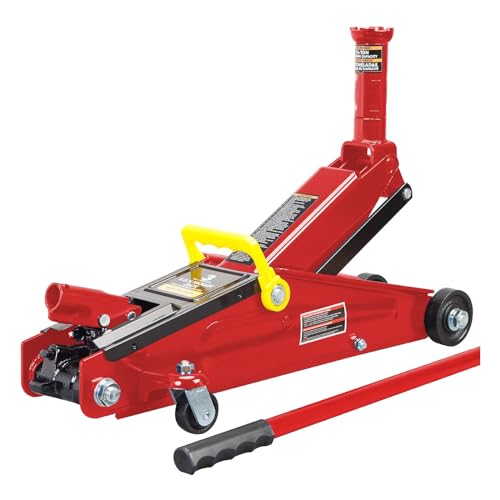
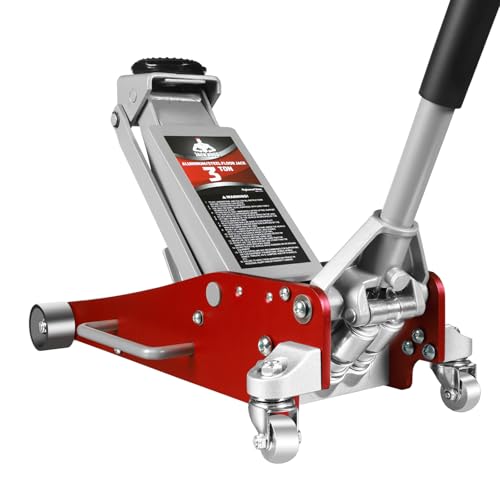
Regular checks and timely corrections of wheel alignment restore handling performance and enhance your safety on the road. Using proper floor jacks and equipment is also essential for accurate alignment checks and vehicle maintenance.
Signs Your Vehicle May Need a Wheel Alignment
How can you tell if your vehicle needs a wheel alignment? Pay close attention to specific indicators that signal misalignment, which directly causes uneven tire wear. If your car is pulling to one side while driving straight, it’s a clear sign your wheel alignment is off. An off-center steering wheel when driving straight also reveals alignment issues. Additionally, vibrations in the steering wheel, especially at higher speeds, often point to misaligned wheels. Regularly inspect your tires for uneven wear patterns, focusing on areas where tread wears faster.
- Vehicle pulls to one side on straight roads
- Steering wheel off-center when driving straight
- Noticeable vibrations in the steering wheel
- Uneven tire wear with irregular tread patterns
Addressing these signs promptly liberates you from premature tire damage and unsafe handling.
The Role of Driving Habits and Road Conditions in Tire Wear
You increase tire wear when you drive aggressively, especially with hard cornering and sudden braking that stress wheel alignment. Rough roads with potholes and uneven surfaces cause immediate misalignment, accelerating uneven tire wear on specific areas. Monitoring your driving style and road conditions helps you schedule timely alignments and extend tire life.
Impact of Aggressive Driving
When you drive aggressively, such as accelerating hard, braking suddenly, or taking sharp corners, you directly impact your vehicle’s wheel alignment and tire wear. Aggressive driving habits alter camber angles, causing uneven tire wear—especially on the tire edges. Without regular alignment checks, this accelerates premature tire replacement. You risk:
 How Proper Wheel Alignment Boosts Fuel Efficiency
- Increased load causing flex and wear on tire edges
- Tires scrubbing the road during sudden directional changes
- Inside edge wear from altered camber angles
- Reduced tire lifespan due to uneven stress
Understanding how wheel alignment affects tire wear empowers you to adjust your driving style and schedule timely alignment checks. This control liberates you from excessive maintenance costs and guarantees your tires wear evenly, extending their service life.
Effects of Rough Roads
Three key factors contribute to tire wear on rough roads: road conditions, driving habits, and vehicle maintenance. Rough road conditions like potholes and gravel cause sudden impacts that misalign your wheels, accelerating uneven tire wear. Your vehicle suspension suffers with frequent exposure to these surfaces, further disrupting wheel alignment. Since alignment affects tire wear patterns, neglecting wheel alignment checks can lead to inside or outside edge wear, compromising tire longevity. Aggressive maneuvers on rough roads intensify this effect by altering wheel angles. To liberate yourself from premature tire degradation, schedule wheel alignment checks every 6,000 miles or after significant impacts. Monitoring your tire wear in response to road conditions and driving style guarantees you maintain ideal alignment and extend tire life despite challenging terrain. Just as it's important to monitor progress closely when making structural adjustments under your home, regularly checking your wheel alignment after driving on rough roads can prevent further damage and ensure lasting safety.
Best Practices for Maintaining Proper Wheel Alignment
Although wheel alignment might seem like a minor aspect of vehicle maintenance, neglecting it can lead to accelerated and uneven tire wear. To liberate your vehicle from premature tire degradation, you need to adopt disciplined habits. Regularly inspect your wheel alignment every 6,000 miles, especially after rough road exposure. Monitor the condition of your vehicle suspension and steering components, as worn parts cause misalignment. Maintain proper tire inflation to avoid exacerbating uneven tire wear. Rotate your tires every 3,000 miles to guarantee balanced wear and detect alignment issues early.
Regular wheel alignment and tire rotation prevent uneven wear and extend tire life.
- Schedule alignment checks biannually or with oil changes
- Inspect suspension components for wear or damage
- Maintain manufacturer-recommended tire pressure
- Rotate tires systematically to distribute wear evenly
Using steel jack stands with ASME safety certification can provide a stable and secure platform when inspecting alignment or performing tire rotations. These practices maximize tire longevity and preserve peak handling.
Professional Alignment Services and Their Benefits
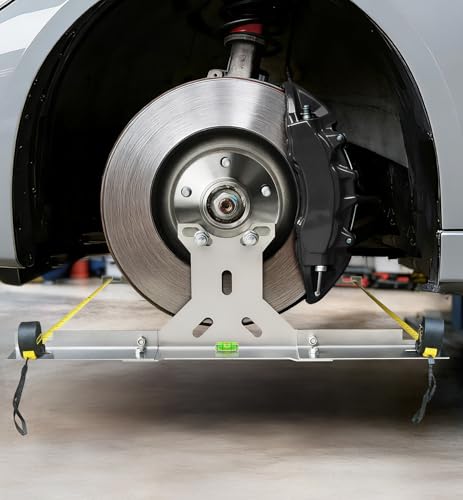
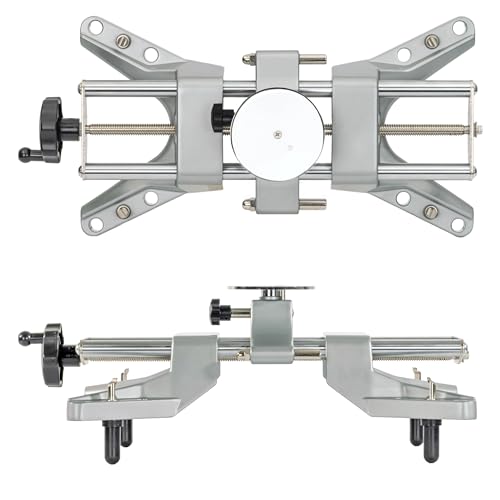
Since precise wheel alignment directly affects tire wear and vehicle handling, investing in professional alignment services guarantees your vehicle meets manufacturer specifications. These services use specialized equipment to measure and adjust camber, caster, and toe angles accurately, preventing uneven tire wear. Skilled technicians identify hidden issues—like worn suspension parts—that contribute to misalignment, ensuring thorough correction. You receive detailed before-and-after alignment readings, providing transparency and confidence in the adjustments made. Regular professional alignment not only enhances tire life but also saves you money by avoiding premature replacements. Additionally, many providers offer warranties on their work, assuring that your vehicle remains aligned over time. By choosing professional alignment services, you liberate yourself from costly tire damage and maintain peak vehicle performance.
Frequently Asked Questions
Does Alignment Cause Uneven Tire Wear?
Yes, misalignment causes uneven tire wear by altering wear patterns. You should prioritize alignment importance in tire maintenance, as poor alignment combined with suspension issues and harsh driving habits accelerates irregular wear, reducing tire lifespan and vehicle performance.
Does an Alignment Fix Unbalanced Tires?
An alignment benefits tire maintenance and driving safety by correcting suspension issues, but it doesn’t fix unbalanced tires. You need regular balancing alongside alignment, following alignment frequency guidelines, for ideal tire performance and longevity.
Can a Wheel Alignment Mess up Your Tires?
Like tuning a fine instrument, misaligned wheels can strain your tires, causing uneven wear. If you skip checking tire pressure, steering response, suspension components, or ignore your maintenance schedule and driving habits, alignment can indeed mess up your tires.
What Is a Symptom of Incorrect Wheel Alignment?
You’ll notice poor steering response and reduced driving comfort if your suspension components misalign. Incorrect tire pressure worsens this. Using alignment tools, technicians detect symptoms like off-center steering, signaling the need for precise wheel alignment adjustments.
Final Thoughts
If you’ve noticed your front tires wearing unevenly, like Sarah did when her camber was off by just a degree, it’s a clear sign your alignment needs attention. Misaligned wheels change how your tires contact the road, causing premature, irregular wear that compromises safety and efficiency. By regularly checking and correcting alignment angles—camber, toe, and caster—you’ll extend tire life, improve handling, and avoid costly replacements. Don’t overlook alignment; it’s key to tire health.
 7 Tips to Reduce Wheel Alignment Costs
Reliable Floor Jacks on a Budget: Best Picks for Under $150
Top-Rated Floor Jacks Over $100: Built for Professionals, Priced for Smart Buyers
If you want to know other articles similar to Why Does Wheel Alignment Affect Uneven Tire Wear? you can visit the Wheel Alignment Balancing category.
How to Tell If Your Car Needs Wheel Balancing

Top Advantages of Regular Wheel Balancing

Why Wheel Alignment Matters After Hitting a Pothole

7 Tips to Reduce Wheel Alignment Costs

How Proper Wheel Alignment Boosts Fuel Efficiency

5 Best Ways Wheel Alignment Differs From Balancing

How Frequently Should You Schedule Wheel Alignment?

5 Best Wheel Alignment Services Near You
Leave a Reply
This is also interesting