












What Does Professional Brake Maintenance Cost?


You can expect to pay between $115 and $500 per axle for professional brake maintenance, depending on your vehicle type, parts quality, and labor rates.
Brake pads alone range from $35 to $150, while rotor replacement or resurfacing adds $30 to $75 per rotor, plus labor costs averaging $80 to $200 per hour.
Additional services like brake fluid changes and caliper repairs can increase costs.
Understanding these factors helps you manage expenses effectively and guarantees peak system performance.
Exploring further reveals how to enhance costs and service quality.
Table
- Main Points
- Factors That Influence Professional Brake Maintenance Costs
- Typical Price Range for Brake Pad Replacement
- Cost Breakdown for Rotor Replacement and Resurfacing
- The Impact of Vehicle Type on Brake Service Expenses
- Additional Charges for Brake Fluid and Caliper Services
- How Driving Habits Affect Brake Maintenance Frequency and Cost
- Comparing Labor Rates Across Different Service Providers
- Benefits of Regular Brake System Inspections and Maintenance
- Cost-Saving Tips When Scheduling Professional Brake Services
- Evaluating Quality and Warranty Options for Brake Parts
- Frequently Asked Questions
- Final Thoughts
Main Points
- Brake pad replacement costs typically range from $115 to $270 per axle, including parts and labor.
- Labor rates vary from $80 to $200 per hour, with total labor per axle averaging $80 to $120.
- Rotor replacement adds $30 to $75 per rotor, with labor increasing total axle costs to $250-$500.
- Brake fluid replacement ranges between $100 and $250, essential for hydraulic system maintenance.
- Luxury or specialized vehicles incur higher costs, sometimes exceeding $1,000 due to complex parts and labor.
Factors That Influence Professional Brake Maintenance Costs

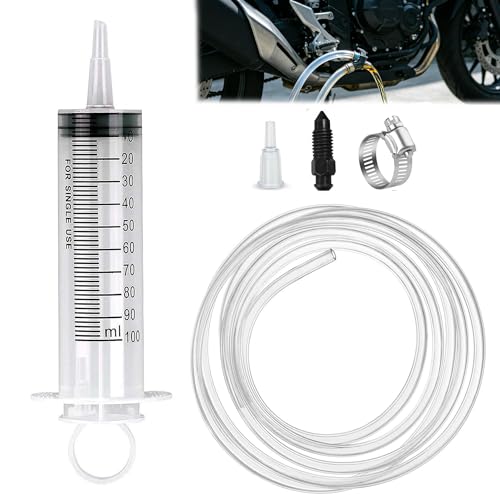
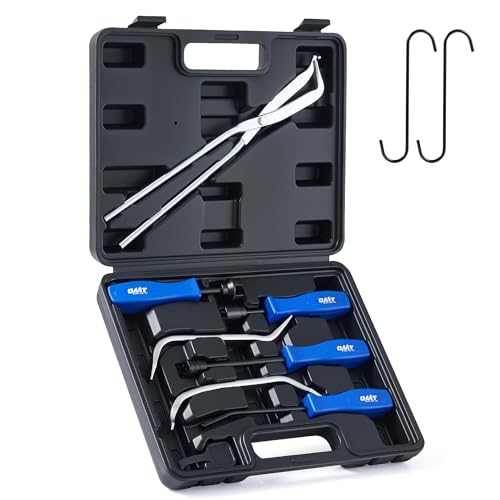
When determining the cost of professional brake maintenance, you need to evaluate several key factors that directly influence pricing. The type of vehicle plays an essential role; luxury and performance models demand specialized parts and skilled labor, raising labor costs. Brake pads vary in material, affecting the cost of replacing them—organic pads are the most affordable, while ceramic pads increase expenses considerably. A thorough brake repair job often includes replacing brake rotors alongside brake pads, which optimizes safety but adds to the overall brake maintenance cost. Labor rates typically range from $90 to $200 per hour, so the complexity of your brake pad replacement or rotor service directly impacts final expenses. Understanding these variables empowers you to navigate vehicle maintenance confidently and avoid unexpected costs. Investing in quality brake bleeder kits can also improve the efficiency of maintenance and may help reduce long-term service costs by ensuring precise and thorough brake fluid replacement.
Typical Price Range for Brake Pad Replacement

When replacing brake pads, you can expect the parts to cost between $35 and $150, depending on the material quality. Labor typically adds another $80 to $120 per axle, varying by service provider and vehicle type. Understanding these components helps you anticipate the overall price range for professional brake pad replacement.
Brake Pad Prices
Replacing brake pads typically costs between $115 and $270 per axle, depending on your vehicle type and the service provider you choose. Brake pad prices vary: organic pads range from $25 to $50, semi-metallic from $30 to $60, and ceramic brake pads cost between $50 and $100 per set. While the brake pad cost itself is a primary factor, thorough brake maintenance often recommends rotor replacement, which increases overall service costs. High-end vehicles or specialized brake systems can push brake repair expenses above $1,000, reflecting the complexity of parts and labor involved. Understanding these variables empowers you to navigate brake pad replacement effectively, ensuring safety without overpaying. Precise knowledge of brake pad pricing, including labor and rotor considerations, is essential for informed brake maintenance decisions.
Labor Cost Estimates
Labor costs for brake pad replacement typically range from $80 to $200 per hour, depending on your service provider and location. On average, expect the total labor cost per axle to add between $80 and $120 to your service price. If your repair includes rotors, labor costs can rise to $150 to $200 per axle. For complete brake repairs—covering pads, rotors, and calipers—labor demands 2 to 2.5 hours, pushing total labor cost to approximately $180 to $500 per axle. Dealerships usually charge higher rates than independent shops, impacting your final bill. Understanding these labor cost estimates helps you negotiate and choose the best option for professional brake maintenance, ensuring you liberate yourself from inflated service prices without sacrificing quality.
Cost Breakdown for Rotor Replacement and Resurfacing

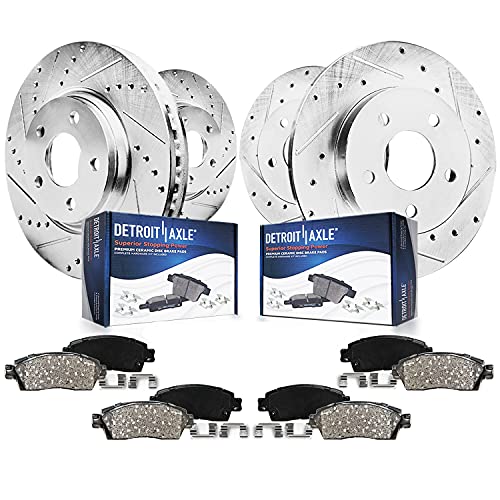
Brake rotor maintenance costs vary considerably based on whether you choose replacement or resurfacing. Rotor replacement averages $30 to $75 per rotor, influenced by vehicle type and brand. Labor costs for this brake service typically range from $150 to $200 per axle. Resurfacing rotors offers a cost-effective alternative, usually costing $10 to $50 per rotor, but it’s viable only if the rotors aren’t excessively worn. When installing new brake pads, replacing rotors is recommended to maintain peak braking performance and prevent mismatched component issues. A complete brake repair involving rotor replacement and brake pads generally falls between $250 and $500 per axle. Understanding this cost breakdown empowers you to make informed decisions about your brake maintenance investments without compromising safety or performance.
The Impact of Vehicle Type on Brake Service Expenses

Although maintenance essentials remain consistent, the type of vehicle you drive greatly influences the cost of brake service. Brake service costs vary widely depending on your vehicle type, impacting parts, labor, and materials. Luxury vehicles and performance vehicles demand specialized brake systems and premium brake pad material, driving prices up. European vehicles typically incur 20% to 50% higher costs than domestic makes due to pricier components and labor. Heavier vehicles, like trucks and SUVs, wear brakes faster and require more robust parts, increasing expenses.
 7 Best Ways to Maintain Your Car Brakes
Vehicle type significantly affects brake service costs due to parts, labor, and specialized requirements.
- Luxury and performance vehicles use advanced, costly brake pad material, often ceramic pads.
- European vehicles face higher labor and parts costs than domestic makes.
- Heavier vehicles demand stronger components, raising service costs.
- Specialized brake systems require expert labor, amplifying expenses.
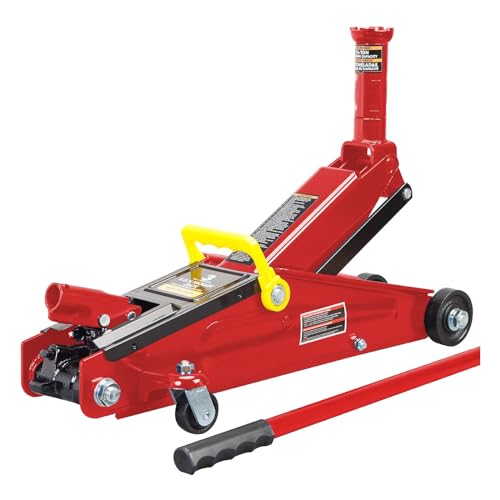
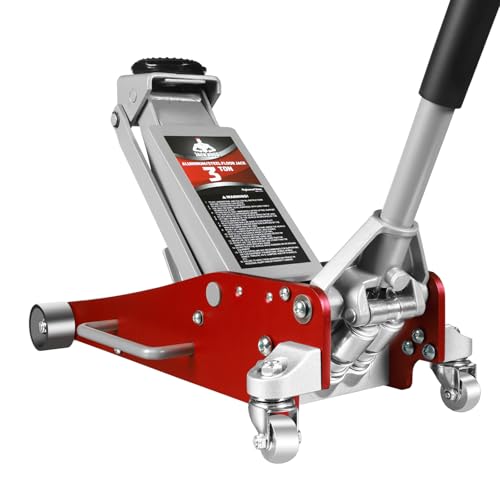
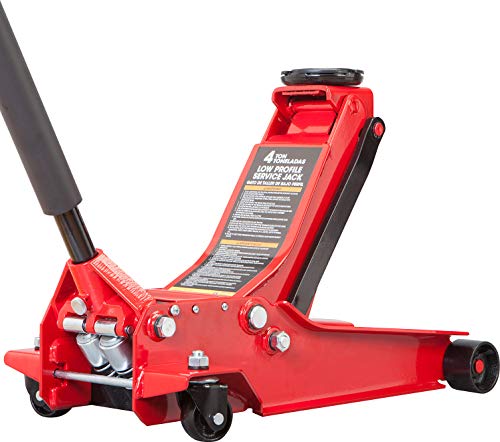
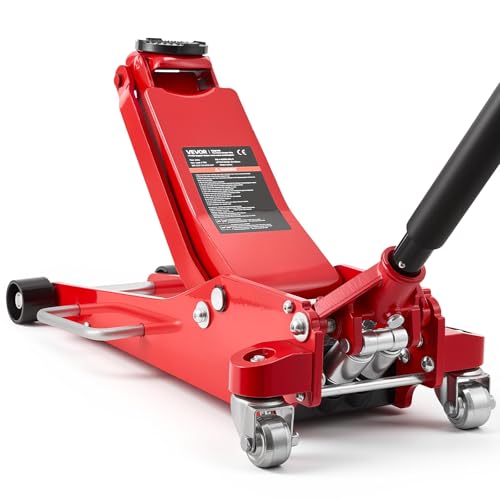
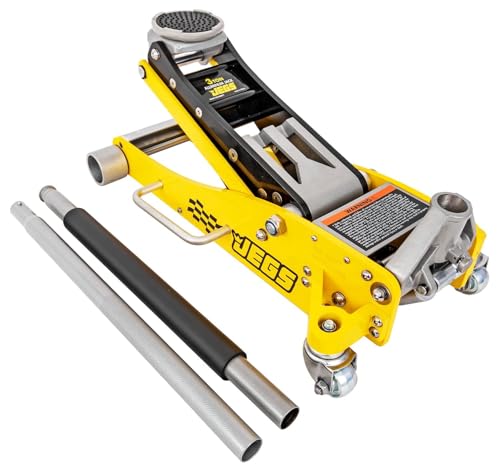
Understanding your vehicle type helps you anticipate brake service costs precisely. For heavier vehicles, having the right lifting equipment is crucial, both to ensure safety during brake maintenance and to accommodate the increased force required for robust brake components.
Additional Charges for Brake Fluid and Caliper Services

When you schedule brake maintenance, expect an additional $100 to $250 for brake fluid replacement, which is vital to prevent hydraulic corrosion. If your calipers are worn or faulty, replacing them can add $300 to $800 to your total repair cost. Addressing both fluid and caliper issues during service guarantees peak brake performance and safety but may increase your bill accordingly.
Brake Fluid Replacement Costs
Replacing brake fluid usually costs between $100 and $250, depending on your vehicle and the service provider. Regular brake fluid replacement is a critical part of professional brake maintenance, preventing corrosion in the hydraulic system and protecting your calipers from premature wear. Some service providers include this in a thorough brake service package, but additional labor charges may apply. Neglecting maintenance can degrade braking performance and escalate repair costs. Consider these key points:
- Brake fluid replacement preserves hydraulic integrity and caliper lifespan.
- Corrosion from old fluid risks costly damage beyond routine service.
- Thorough brake service often bundles fluid replacement with inspection.
- Skipping fluid changes reduces safety and increases long-term repair expenses.
Stay proactive with brake fluid replacement to maintain peak braking and avoid costly caliper issues.
Caliper Repair Expenses
Maintaining your brake fluid not only protects the hydraulic system but also plays a key role in caliper function and longevity. Caliper repair costs typically range from $150 to $300 per caliper, varying by vehicle make and model and damage severity. Brake fluid replacement adds $100 to $250 to the overall brake service cost but is essential for preventing corrosion issues that can lead to caliper failure. If corrosion or malfunction is detected, you may need to replace calipers, greatly increasing total expenses—complete brake repairs can exceed $800. Signs like uneven brake pad wear or pulling during braking demand immediate professional inspection. Prioritizing regular maintenance and timely brake fluid replacement helps you avoid costly caliper repairs and guarantees safer, more reliable braking performance.
How Driving Habits Affect Brake Maintenance Frequency and Cost
Although brake systems are designed to withstand regular use, your driving habits directly influence how often you’ll need maintenance and the associated costs. Aggressive acceleration and frequent hard braking accelerate brake wear, increasing brake replacement costs and requiring you to replace brake pads more often. In stop-and-go traffic, brake pads can wear out as early as 25,000 miles, forcing frequent maintenance. Carrying heavy loads further stresses brake components, possibly mandating specialized pads with shorter lifespans. Conversely, smooth, gradual braking extends component life, reducing brake maintenance frequency. Regular maintenance helps detect wear from driving habits early, preventing costly rotor or caliper damage.
Driving habits affect brake wear and maintenance costs—smooth braking extends lifespan, while aggressive driving accelerates wear.
- Hard braking and aggressive driving increase brake wear and maintenance frequency
- Stop-and-go traffic accelerates brake pad replacement needs
- Heavy loads require specialized brake pads, raising brake replacement costs
- Smooth braking prolongs brake system lifespan and reduces expenses
Comparing Labor Rates Across Different Service Providers
You’ll notice labor rates for brake services vary considerably depending on the provider and location, typically ranging from $90 to $200 per hour. Dealerships usually charge at the higher end, while independent shops and major chains offer more competitive pricing that can affect your total cost. Understanding these differences helps you choose the most cost-effective option without compromising quality.
Labor Cost Variations
Since labor costs vary widely among service providers, understanding these differences can help you make informed decisions when seeking brake maintenance. Labor rates for brake services typically range from $90 to $200 per hour, influenced by the repair center’s location and expertise. Dealerships often charge higher rates than independent shops, impacting your total labor cost considerably. Urban areas generally demand more due to higher overhead and competition. Vehicle complexity also plays a role—specialized vehicles, especially European models, require skilled labor, increasing costs. Additionally, watch for extra shop fees that can add to your bill.
- Dealerships vs. independent shops: notable labor rate gap
- Urban areas: elevated labor costs due to local economics
- Specialized vehicles: higher labor demands and pricing
- Additional shop fees: hidden contributors to total labor cost
Service Provider Pricing
When comparing service providers, you'll find that labor rates for brake maintenance vary widely, directly influencing your overall cost. Choosing the right service provider means balancing labor costs, warranty offerings, and included services like shuttle rides or inspections. Here’s a concise comparison of brake pad replacement pricing per axle and associated labor costs:
| Service Provider | Cost Range (per axle) |
|---|---|
| Midas | $200 - $219 |
| Jiffy Lube | $370 - $410 |
| Christian Brothers Automotive | $380 - $450 (warranty included) |
| Firestone | $350 - $470 (free inspections) |
| Labor Costs (Hourly) | $90 - $200 |
These variations reflect differences in labor costs and the scope of professional brake maintenance. You should weigh these factors carefully to optimize cost without compromising quality in your automotive repair.
 Top 3 Warning Signs Your Brakes Need Attention
Benefits of Regular Brake System Inspections and Maintenance
Although brake systems are built for durability, regular inspections and maintenance play an essential role in extending the lifespan of their components and preventing costly repairs. By committing to regular brake service, you guarantee your brake system maintains peak performance and vehicle safety. Inspections allow you to detect wear on brake components early, avoiding metal-to-metal contact that leads to expensive rotor and caliper damage. Additionally, timely brake fluid replacement prevents corrosion in the hydraulic system, protecting calipers and extending their life.
Regular brake inspections and fluid changes prevent costly damage and ensure your vehicle's safety and performance.
Key benefits include:
- Early detection of brake wear and potential failures
- Enhanced vehicle safety and control
- Prevention of costly repairs due to damaged rotors or calipers
- Corrosion prevention through brake fluid maintenance
Utilizing efficient tools such as a vacuum brake bleeder can streamline brake fluid replacement, making regular maintenance more accessible and effective. Prioritize your brake system with annual inspections or every 12,000 miles for lasting reliability.
Cost-Saving Tips When Scheduling Professional Brake Services
To optimize your brake service expenses, you should actively compare quotes from multiple providers, as prices for complete brake repairs can range widely from $200 to $800. Utilizing cost-saving tips such as inquiring about seasonal promotions at service centers and opting for high-quality aftermarket parts can greatly reduce costs without sacrificing performance. Scheduling regular inspections and maintenance prevents premature wear and costly replacements. Additionally, ask about warranties; some providers offer lifetime coverage on brake pads, which can save future expenses when you replace brake components. Investing in a versatile brake bleeder kit can also help maintain your braking system more affordably by enabling at-home brake fluid changes, which reduces reliance on professional labor.
| Cost-Saving Tip | Benefit |
|---|---|
| Compare service quotes | Identify best price offers |
| Check for promotions | Access discounts and seasonal deals |
| Use aftermarket parts | Lower parts cost, maintains quality |
| Schedule regular inspections | Early fault detection, less repairs |
| Ask about warranties | Financial protection on replacements |
Evaluating Quality and Warranty Options for Brake Parts
Since brake components vary considerably in quality and price, evaluating the options carefully can guarantee you get the best value and performance. When choosing brake parts, balance cost and quality to optimize maintenance costs without compromising safety. Premium aftermarket parts often deliver superior performance and longevity. Professional brake services include thorough inspections and may offer warranties covering parts and labor, enhancing long-term value. Consider these key factors:
Choosing quality brake parts balances cost and safety, ensuring lasting performance and valuable warranties.
- Confirm the brand and type of brake parts used to ascertain quality.
- Compare warranty terms; some offer lifetime coverage on pads.
- Evaluate labor warranties, typically 3 years/36,000 miles.
- Factor in the expected lifespan of organic, semi-metallic, or ceramic pads.
Prioritize quality and warranty to reduce replacement frequency and secure reliable braking freedom.
Frequently Asked Questions
How Much Should a Full Brake Service Cost?
You should expect brake service pricing between $250 and $500 per axle, factoring in labor cost variations, brake pad materials, and brake system components. Prioritize maintenance frequency, brake fluid quality, safety inspections, and warranty considerations over risky DIY brake repairs.
How Much Does a Dealership Charge for a Brake Job?
You’ll find dealership pricing for brake service varies by brake pad types, service frequency, and regional differences. Cost comparison reveals quality parts and warranty coverage, but customer reviews suggest DIY maintenance can sometimes offer more affordable alternatives without sacrificing safety.
What Is Included in a Full Brake Job?
While DIY repairs might save time, a full brake job includes rotor replacement, brake fluid change, and thorough inspection process, addressing brake noise, warning signs, and safety checks, aligning with your maintenance schedule and cost factors for ideal brake system care.
How Much Does a Full Set of Brake Pads Cost?
You’ll find brake pad types range from organic to ceramic, affecting installation costs, performance, noise, and lifespan. Brand comparisons and warranty coverage matter, while safety and replacement frequency guide your DIY options and overall maintenance strategy.
 10 Tips to Keep Your Car Brakes Reliable
Final Thoughts
When it comes to professional brake maintenance, you’ll find costs vary based on parts, labor, and vehicle type. Remember, “an ounce of prevention is worth a pound of cure”—regular inspections can save you from costly repairs. By understanding price ranges and comparing service providers, you’ll make informed decisions without sacrificing quality. Prioritizing timely brake care not only guarantees safety but also extends your vehicle’s lifespan, making every dollar spent truly worthwhile.
Reliable Floor Jacks on a Budget: Best Picks for Under $150
Top-Rated Floor Jacks Over $100: Built for Professionals, Priced for Smart Buyers
If you want to know other articles similar to What Does Professional Brake Maintenance Cost? you can visit the Brake System Maintenance category.
7 Best Ways to Maintain Your Car Brakes

Why Regular Brake Fluid Changes Matter Most

7 Best Tips for DIY Brake System Cleaning

How Frequently Should You Inspect Car Brake Pads?

Top Products for Effective Brake System Cleaning

Top 5 Warning Signs Your Brakes Need Service

3 Best Tips for Winter Brake System Care

10 Tips to Keep Your Car Brakes Reliable
Leave a Reply
This is also interesting