









7 Best Signs Your Car Alternator Is Failing


You’ll notice your car alternator is failing if the battery warning light comes on or your headlights flicker unpredictably.
Frequent battery drain or trouble starting the engine also signals issues.
Sluggish or malfunctioning electrical accessories, unusual growling noises near the engine, and a burning rubber or electrical wire smell are red flags.
These symptoms point to inconsistent power delivery and potential mechanical wear.
Keep an eye out, and you’ll uncover what to address next.
Table
- Main Points
- Battery Warning Light Illuminates on Dashboard
- Headlights Flicker or Change Brightness Unexpectedly
- Car Battery Frequently Dies or Fails to Hold Charge
- Electrical Accessories Operate Slowly or Malfunction
- Difficulty Starting Engine or Engine Stalls Frequently
- Unusual Growling or Whining Noises From Engine Area
- Detectable Smell of Burning Rubber or Electrical Wires
- Frequently Asked Questions
- Final Thoughts
Main Points
- Battery warning light illuminates or flickers on the dashboard, indicating voltage irregularities from the alternator.
- Headlights or dashboard lights flicker or change brightness unexpectedly due to inconsistent alternator voltage output.
- Electrical accessories operate slowly or malfunction because of insufficient power delivery from the failing alternator.
- Car battery frequently dies or fails to hold a charge as the alternator cannot maintain proper battery voltage.
- Unusual growling or whining noises near the alternator suggest belt misalignment or impending alternator failure.
Battery Warning Light Illuminates on Dashboard

When the battery warning light illuminates on your dashboard, it signals a problem with your vehicle’s electrical charging system, often pointing to alternator failure. This light, resembling a battery symbol, activates when voltage drops below the normal 13-14.5 volts, indicating compromised continuous power supply. A flickering light suggests fluctuating voltage from the alternator, a clear sign inspection is needed. Ignoring this warning risks a dead battery and subsequent car problems, potentially leaving you stranded. Addressing the battery warning light promptly protects critical electrical components from damage, ensuring your vehicle’s reliable operation. By recognizing this diagnostic indicator early, you maintain control over your car’s electrical integrity and avoid the cascading failures that stem from alternator malfunction.
Headlights Flicker or Change Brightness Unexpectedly

If your headlights flicker or shift between dim and bright, your alternator may be failing to deliver consistent voltage. This instability in the electrical system can compromise your visibility, especially during night driving. You should have the alternator and voltage regulator inspected immediately to prevent further electrical issues.
 Why Is My Car Experiencing Electrical Issues?
Dim and Bright Fluctuations
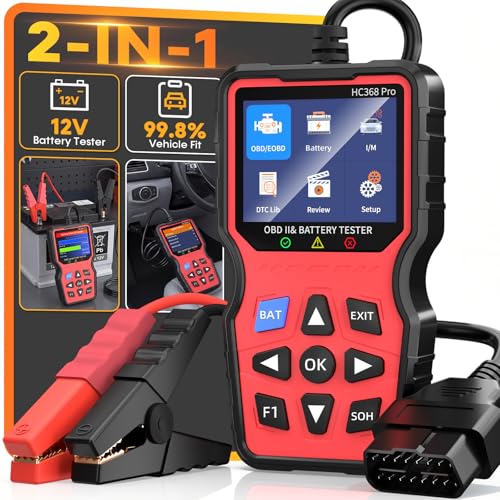
Headlights that flicker or shift between dim and bright signals an unstable voltage supply from your car’s alternator. This irregular voltage output indicates the alternator is failing to regulate electrical flow effectively. When your headlights fluctuate unexpectedly, it reveals underlying electrical irregularities directly linked to alternator malfunction or a faulty voltage regulator. Such flickering isn’t mere inconvenience—it’s a diagnostic red flag that your alternator’s capacity to maintain consistent voltage is compromised. Since the alternator powers all essential electronics, these dim and bright fluctuations often precede broader electrical issues. To regain control and prevent cascading failures, you must inspect the alternator promptly. Ignoring these symptoms risks deeper electrical system damage. Don’t let erratic headlights undermine your vehicle’s reliability—address alternator problems decisively and liberate yourself from unexpected breakdowns. For accurate diagnosis, using a modern OBD2 scanner can help you identify alternator-related trouble codes before costly damage occurs.
Electrical System Instability
Because inconsistent voltage from a failing alternator disrupts your vehicle's electrical system, you may notice headlights flickering or shifting in brightness unexpectedly. These flickering lights are clear signs of a bad alternator struggling to maintain a stable voltage supply. When the alternator is failing, the voltage fluctuates, causing headlights that are either too dim or excessively bright. This instability often triggers a battery warning and other electrical problems, especially as power demands increase with additional accessories. If you observe such erratic behavior in your lighting system, it's essential to have the alternator inspected promptly. Addressing these symptoms helps keep the engine running smoothly and prevents further damage to your vehicle’s electrical components, ensuring you maintain control and freedom on the road.
Impact on Night Driving
How can you tell if your alternator is jeopardizing your night driving safety? Flickering headlights signal an unstable electrical supply, often caused by a failing alternator unable to maintain consistent voltage output. When your headlights shift between dim and overly bright, it reflects erratic headlight brightness resulting from voltage drops below the ideal 13-14.5 volts range. Using electrical accessories can exacerbate this issue, revealing the alternator’s struggle to meet power demands. This instability directly compromises night visibility, increasing accident risk. Ignoring these signs invites potential damage to your vehicle’s electrical system. Diagnosing flickering headlights promptly promotes you maintain control and freedom on the road, securing both your safety and your vehicle’s operational integrity. Just as regular inspection is crucial for maintaining tools like floor jacks, staying alert to changes in your vehicle’s lighting helps prevent more serious electrical failures.
Car Battery Frequently Dies or Fails to Hold Charge

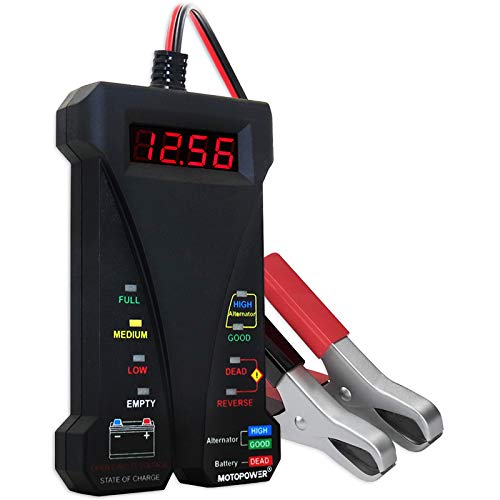
If your car battery frequently dies or fails to hold a charge, it’s a clear sign the alternator may not be providing adequate power. You’ll notice charging inconsistencies, such as voltage dropping below 12.6 volts when the engine is off or the battery draining quickly after a jumpstart. These symptoms indicate the alternator isn’t maintaining the battery’s charge effectively.
Repeated Battery Failures
When your car battery frequently dies or fails to hold a charge, it often signals that the alternator isn’t functioning properly. Repeated battery failures usually stem from a faulty alternator unable to maintain the 13-14.5 volts needed to charge the battery effectively. If you find yourself needing to jumpstart your car often, this suggests alternator problems rather than a bad battery. A dead alternator won’t keep your car battery charged, causing premature battery depletion and frequent replacements. Watch for the battery light on your dashboard—it’s a vital diagnostic indicator. Remember, a malfunctioning alternator, especially with a faulty rectifier, can drain power even when the engine’s off, risking an electrical fire. Understanding battery vs alternator issues empowers you to act promptly and avoid being stranded.
Charging Inconsistencies Detected
Repeated battery failures often point to underlying charging inconsistencies caused by a faulty alternator. When your car’s battery frequently dies or fails to hold a charge, it’s a clear sign the alternator is failing to supply adequate current while the engine runs. If, after jump-starting, the battery struggles to maintain power, the alternator isn’t effectively recharging it. This symptom intensifies during short trips, where the alternator lacks time to replenish the battery fully. Additionally, if your car dies shortly after starting, it signals the alternator can't sustain the necessary charge. Recognizing these signs helps diagnose alternator issues early, freeing you from unexpected power loss and ensuring your battery and electrical systems operate reliably. Addressing these charging inconsistencies promptly is key to your vehicle’s performance liberation.
Electrical Accessories Operate Slowly or Malfunction

Although modern vehicles prioritize essential systems, you may notice electrical accessories like power windows, seat warmers, or the radio operating slowly or malfunctioning when the alternator begins to fail. This happens because a failing alternator delivers insufficient power, causing malfunctioning accessories to exhibit slow response times or erratic behavior. The battery warning light often illuminates simultaneously, signaling inconsistent voltage supply. These symptoms indicate alternator issues that compromise the vehicle’s electrical system integrity. Since modern cars allocate power first to vital components, nonessential electrical accessories suffer early signs of decline. If you regularly experience sluggish or malfunctioning electrical accessories, it’s important to seek a professional inspection promptly. Diagnosing and addressing alternator faults early prevents total power loss, ensuring your vehicle’s electrical system remains reliable and you stay liberated from unexpected breakdowns.
Difficulty Starting Engine or Engine Stalls Frequently

Anyone experiencing difficulty starting their engine or frequent stalling should consider the alternator as a potential cause. A failing alternator often results in insufficient power to the battery, leading to slow cranking or the engine failing to start despite multiple attempts. Frequent stalling during operation signals the alternator's inability to maintain adequate current for the electrical system and engine management. If the battery warning light illuminates during these episodes, it strongly indicates alternator malfunction. Monitoring your starting behavior and stalling patterns provides critical diagnostic insight. Early detection of these signs can prevent sudden breakdowns and guarantee reliable engine function. Addressing difficulty starting engine and stalling promptly helps maintain freedom from unexpected vehicle immobilization caused by a compromised alternator.
 What Are the Steps to Replace Headlight Bulbs?
Unusual Growling or Whining Noises From Engine Area
A growling or whining noise coming from the engine area often signals issues with the alternator’s belt alignment or worn bearings. This unusual growling or whining typically indicates impending alternator failure. Ignoring these sounds risks mechanical damage and inconsistent power delivery, causing flickering lights and difficulty starting. To maintain your vehicle’s liberation from breakdowns, recognize these diagnostic signs:
- Persistent whining from the alternator region
- Belt slipping or misaligned belts causing noise
- Fluctuating dashboard lights or electrical irregularities
- Engine struggles or stalls during ignition attempts
- Noises worsening with engine speed increases
Addressing these symptoms through regular maintenance guarantees consistent power and prevents costly repairs. Don’t let worn bearings or misaligned belts compromise your vehicle’s performance. Prompt inspection preserves system integrity and your driving freedom.
Detectable Smell of Burning Rubber or Electrical Wires
Detecting the smell of burning rubber or electrical wires near your alternator signals an urgent mechanical or electrical issue. A detectable smell of burning rubber often points to wear or slippage on the alternator’s drive belt, which causes overheating and reduces efficiency. Simultaneously, frayed or damaged electrical wires adjacent to the car alternator can emit a burning odor, a critical warning sign of electrical resistance and imminent failure. Overheating due to excessive current flow exacerbates wire insulation breakdown, increasing risk of severe electrical failures or fire. Ignoring this burning odor compromises safety and functionality. Immediate inspection is essential to identify frayed wiring or belt deterioration, allowing you to intervene before damage escalates. Addressing these warning signs liberates you from costly repairs and potential hazards linked to alternator malfunction.
Frequently Asked Questions
What Are the First Signs of an Alternator Going Bad?
You’ll notice alternator warning lights or dashboard lights flickering, dim lights, and electrical issues like flickering gauges. Strange noises, engine stalling, battery problems, poor performance, or frequent jump starts signal your alternator’s failing.
How Would You Recognize an Alternator Failure?
You'll recognize alternator failure through dashboard indicators like flickering lights and warning lights, power loss, electrical issues, battery problems, strange noises, and belt failure. These alternator symptoms cause performance issues you shouldn’t ignore.
What Can Mimic a Bad Alternator?
Like a magician’s trick, battery issues, loose connections, or blown fuses mimic alternator failure. Electrical problems, starter failure, wiring damage, dashboard lights, ignition system faults, fuel pump glitches, and engine misfires all confuse your diagnosis.
How Do You Tell if You Need to Replace Your Alternator?
You’ll spot alternator replacement indicators through dashboard warning lights, electrical system diagnostics, and battery charging issues. Notice engine performance symptoms or unusual noises? Use DIY troubleshooting methods, but prioritize professional inspection importance to extend battery life expectancy and vehicle maintenance tips.
Final Thoughts
Think of your alternator as the heart of your car’s electrical system—when it falters, everything slows or stops. If you notice warning lights, flickering headlights, or strange noises, these are signals your car’s lifeblood is weakening. Don’t ignore these symptoms; diagnosing and addressing alternator issues early guarantees your vehicle runs smoothly and prevents unexpected breakdowns. Stay alert to these signs—your car’s health depends on it.
 Fixing Car Interior Lights That Won't Turn On
Reliable Floor Jacks on a Budget: Best Picks for Under $150
Top-Rated Floor Jacks Over $100: Built for Professionals, Priced for Smart Buyers
If you want to know other articles similar to 7 Best Signs Your Car Alternator Is Failing you can visit the Lighting Electrical Care category.
Fixing Car Interior Lights That Won't Turn On

What Are the Steps to Replace Headlight Bulbs?

Why Is My Car Experiencing Electrical Issues?

What Causes Issues in Your Car Fuse Box?

How to Upgrade Car Lighting for Safer Driving

Car Wiring Harness Repair Costs: Top 10 Factors

How to Identify Car Battery Drain Sources

5 Best LED Headlights for Older Cars
Leave a Reply
This is also interesting