














7 Best Steps to Ready Your Vehicle for Rain


To ready your vehicle for rain, start by scheduling routine maintenance to guarantee brakes, battery, and fluids are in top shape.
Regularly inspect tire tread and pressure for peak wet-road traction.
Test and replace windshield wipers for clear visibility.
Check all lights for proper operation and clean lenses.
Apply wax or sealant to protect your vehicle’s exterior, and treat the windshield with rain repellents.
Finally, assemble an emergency kit with essentials for rainy conditions.
Discover more ways to enhance your safety and vehicle performance in wet weather.
Table
- Main Points
- Schedule Routine Vehicle Maintenance
- Inspect and Maintain Tire Tread and Pressure
- Test and Replace Windshield Wipers
- Check and Clean All Vehicle Lights
- Apply Wax or Sealant to Protect Exterior
- Clean and Treat the Windshield for Better Visibility
- Prepare an Emergency Kit for Rainy Weather Safety
- Frequently Asked Questions
- Final Thoughts
Main Points
- Schedule routine vehicle maintenance, focusing on brakes, battery, and washer fluid for reliable rainy-day performance.
- Regularly inspect and maintain tire tread depth and pressure to enhance traction on wet roads.
- Test and replace windshield wipers annually, ensuring clear visibility with proper washer fluid and rain-repellent treatments.
- Check and clean all vehicle lights, replacing bulbs and fog lights to maintain optimal visibility in rain.
- Prepare an emergency kit with essentials like a flashlight, first aid supplies, jumper cables, and reflective warning devices.
Schedule Routine Vehicle Maintenance

Although many drivers overlook it, scheduling routine vehicle maintenance is essential to ascertain your car performs reliably in rainy conditions. Adhering to your manufacturer’s recommended service intervals guarantees all critical systems function effectively. During inspections, have your brakes checked rigorously to confirm stopping power remains uncompromised on wet roads. Regularly verify windshield washer fluid levels to maintain clear visibility amid rain and spray. While tread depth and tire pressure demand monthly monitoring, their importance cannot be overstated for traction and hydroplaning prevention. Extensive bumper-to-bumper evaluations at trusted auto shops identify early wear or damage, mitigating risks posed by adverse weather. Prioritize these maintenance tasks to liberate yourself from avoidable breakdowns and unsafe driving, securing confidence and control every time you face rainy conditions. It’s also wise to include accurate battery testing as part of your routine, since a weak battery can lead to unexpected breakdowns, especially when wet weather challenges your vehicle’s electrical systems.
Inspect and Maintain Tire Tread and Pressure

You need to check your tire tread depth regularly, ensuring it’s at least 4/32 inches for proper wet-road traction. Maintain the correct tire pressure, adjusting for temperature changes to optimize handling and safety. Also, inspect your tires for damage or uneven wear that could reduce grip in rainy conditions.
 Seasonal Tire Maintenance Tips for Improved Traction
Check Tread Depth
Tire tread depth plays a critical role in maintaining traction on wet roads, directly impacting your vehicle's safety during rain. To stay liberated from hydroplaning risks, you must routinely check your tire pressure and tread depth, ensuring your tires are in good shape. Conduct regular tire checks focusing on these points:
- Use a quarter to measure tread depth; if Washington's head is visible, tread depth is below the 4/32-inch safety threshold.
- Perform the penny test: visible Lincoln means it’s time for new tires.
- Inspect tires for cuts, bulges, or uneven wear that compromise wet-road performance.
- Rotate tires periodically to promote even tread wear and extend lifespan.
Consistent, precise attention to tread depth empowers you to maintain control and safety in rainy conditions. For the most accurate readings, consider using a digital torque wrench to ensure your tire lug nuts are secured to the manufacturer's recommended specifications after any tire maintenance.
Maintain Proper Pressure
Maintaining proper tire pressure is essential for ideal vehicle performance and safety, especially in wet conditions. You need to check your tire pressure at least once a month, as temperature variations can shift PSI by 1-2 points every 10 degrees, directly affecting traction on wet roads. Utilize tire pressure monitoring systems for accurate, real-time data. Proper tire pressure optimizes grip, reduces hydroplaning risks, and promotes safe driving. Inspect tires regularly for damage and uneven wear, rotating them every 5,000 to 7,500 miles to maintain balanced tread wear. Also, guarantee the tread depth remains above 4/32 inches—use the quarter test to verify this. By maintaining these standards, you liberate yourself from avoidable hazards and maximize your vehicle’s efficiency and control in adverse weather.
Test and Replace Windshield Wipers

Although often overlooked, testing windshield wipers before heavy rain is essential to guarantee they clear water effectively without leaving streaks or missed spots. You should regularly inspect your windshield wipers to maintain peak visibility in wet weather. Replace wiper blades at least annually or sooner if you notice cracking, skipping, or reduced performance. To confirm your wipers function seamlessly, follow these key steps:
- Examine blades for wear, cracks, and flexibility.
- Test wiper operation to verify smooth, streak-free movement.
- Use windshield washer fluid rated for low temperatures to prevent freezing.
- Check the wiper mechanism and fluid reservoir for damage or leaks.
Prioritizing these tasks liberates you from visibility hazards and enhances safety during rainstorms.
Check and Clean All Vehicle Lights

Before you hit the road in rainy weather, inspect all your vehicle lights—including headlights, taillights, brake lights, and turn signals—to confirm they operate correctly. Check that each light is functioning properly, as visibility is essential for safe driving in wet conditions. Replace any dim or burnt-out bulbs immediately; cloudy or dirty light casings can reduce brightness by up to 50%, severely compromising visibility. Don’t forget to check fog lights, which enhance sight distance in dense rain or fog. Clean all light lenses thoroughly to remove dirt and grime, allowing maximum light output. Conduct monthly inspections to catch issues early and maintain peak visibility. Taking these precise steps confirms your vehicle’s lights perform effectively and keeps you liberated from avoidable hazards on rainy roads. For best results, use interior cleaning kits with microfiber towels to remove grime from both interior and exterior light surfaces, ensuring your lights stay as bright as possible.
Apply Wax or Sealant to Protect Exterior

You should apply a high-quality wax or sealant to create a hydrophobic barrier that causes rainwater to bead and roll off your vehicle’s exterior, improving visibility and reducing water transfer to the windshield. This protective layer also shields your paint from pollutants and corrosive materials carried by rain. For best results, apply it on a clean, dry surface and maintain the coating with regular reapplications every few months.
Hydrophobic Surface Benefits
When you apply wax or sealant to your vehicle’s exterior, it forms a hydrophobic barrier that causes water to bead and roll off efficiently, enhancing visibility during rain. This hydrophobic surface promotes superior water runoff, reducing water accumulation that can impair your sight. Using protective wax not only improves clarity but also preserves your vehicle’s finish. To maximize benefits, apply wax or sealant on a clean, dry surface.
Key advantages of a hydrophobic surface include:
- Enhanced visibility by minimizing water sheeting on glass and paint
- Efficient water runoff reducing water spots and streaks
- Protection of paint from moisture-induced damage
- Prolonged lifespan of exterior finish through consistent application
These benefits empower you to maintain ideal control and safety in wet conditions.
 Spring Maintenance Checklist: 7 Tips for Aging Cars
Pollutant Protection Advantages
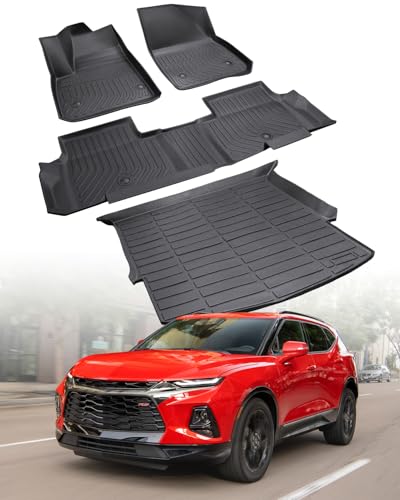
Although applying wax or sealant primarily creates a hydrophobic barrier to repel water, it also plays a critical role in protecting your vehicle’s exterior from pollutants carried by rain. By forming a durable shield, wax reduces moisture accumulation on the surface, preventing harmful contaminants from bonding with the paint and clear coat. This pollutant protection not only preserves your vehicle’s finish but also minimizes water sheeting that can impair visibility by transferring excess water onto the windshield during driving. Applying wax or sealant immediately after washing guarantees ideal adherence and long-lasting defense against environmental contaminants. Regular maintenance with wax decreases the frequency of exterior cleaning, saving you time and effort while maintaining a pristine, protected surface. This strategic step liberates you from constant upkeep and safeguards your vehicle effectively. For additional protection inside your vehicle, consider using Motor Trend Rubber Floor Mats, which are reviewed for their ability to shield your car’s interior from water, dirt, and pollutants during rainy seasons.
Clean and Treat the Windshield for Better Visibility
Because clear visibility is essential during rain, maintaining a clean and well-treated windshield is critical. You should clean your windshield every 1-2 weeks using a quality glass cleaner to remove dirt and grime that impair visibility. Regularly inspect your wiper blades; replace them if they leave streaks or miss spots, as effective blades dramatically enhance your view in wet conditions. Applying a rain-repellent product helps water bead and roll off, further improving visibility during heavy rain.
- Clean windshield with quality glass cleaner biweekly
- Inspect and replace wiper blades when streaking occurs
- Apply rain-repellent treatments for water beading
- Use windshield washer fluid designed for rain
These steps liberate you from impaired vision, ensuring safer, confident driving in the rain.
Prepare an Emergency Kit for Rainy Weather Safety
Maintaining clear visibility is just one part of staying safe during rainy conditions; preparing an emergency kit equips you to handle unexpected situations on the road. Your emergency kit should include a flashlight with extra batteries to maintain visibility if power fails or you’re stranded. Pack a fully stocked first aid kit to address any medical emergencies promptly. Include jumper cables to mitigate battery failures, which are common in wet conditions. Reflective triangles or flares are essential for signaling help and enhancing your vehicle’s visibility to others. Don’t forget non-perishable food and water to sustain yourself during extended delays caused by heavy rain. Assembling this kit guarantees you maintain control and confidence, empowering you to navigate emergencies with preparedness and autonomy.
Frequently Asked Questions
How Do You Prepare for Driving in the Rain?
You should perform tire maintenance, ensuring adequate tread and pressure. Replace windshield wipers for clear visibility. Apply visibility techniques like checking lights, and reduce driving speed to maintain control and prevent hydroplaning during rain.
What Drive Mode Is Best for Rain?
Like a guardian angel, your vehicle's rain mode enhances traction and hydroplaning prevention. Use it alongside tire maintenance for ultimate control—these rain driving tips liberate you, ensuring safety and confidence on slippery roads.
How Do You Prepare Your Vehicle for Extreme Weather Conditions?
You should follow vehicle maintenance tips: perform tire safety checks to guarantee proper tread depth, replace wiper blades annually, adjust headlight visibility for clarity, and inspect brakes and fluids thoroughly to maintain control in extreme weather.
What Three Actions Should a Driver Do When in Rain?
You should check your windshield wipers for clear visibility, guarantee your tire tread provides proper grip, and maintain a smooth brake response to avoid skidding. These actions help you stay safe amid visibility issues in rain.
Final Thoughts
By following these seven essential steps, you're not just preparing your vehicle for rain—you’re safeguarding your journey against nature’s unpredictability. Think of your car as a shield; maintaining tires, wipers, lights, and visibility tools guarantees it holds strong under pressure. Don’t underestimate the power of routine care and a well-stocked emergency kit—they’re your frontline defense. Stay proactive, and you’ll drive confidently through every downpour, turning potential hazards into manageable challenges.
 10 Summer Maintenance Tips to Prevent Overheating
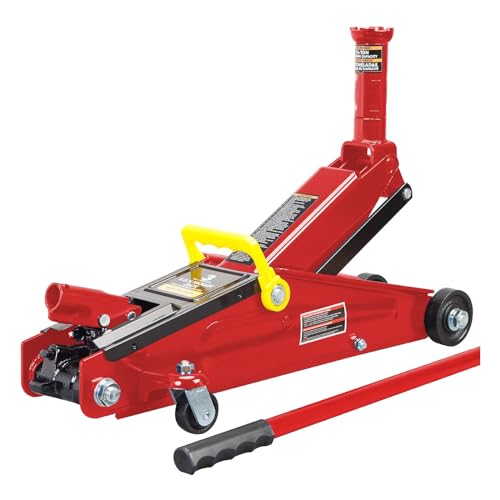
Reliable Floor Jacks on a Budget: Best Picks for Under $150
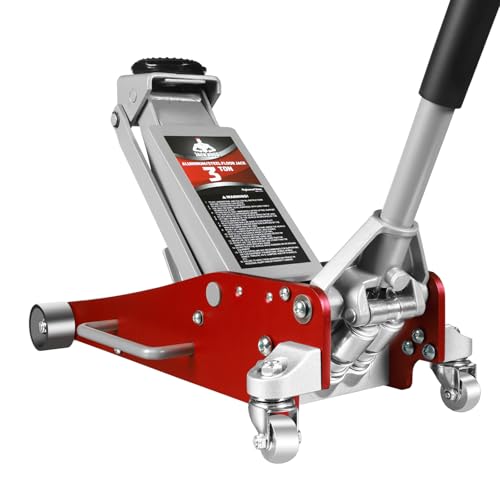
Top-Rated Floor Jacks Over $100: Built for Professionals, Priced for Smart Buyers
If you want to know other articles similar to 7 Best Steps to Ready Your Vehicle for Rain you can visit the Seasonal Car Care Tips category.
3 Best Fluids to Inspect Before Winter Driving

10 Summer Maintenance Tips to Prevent Overheating

Spring Maintenance Checklist: 7 Tips for Aging Cars

Seasonal Tire Maintenance Tips for Improved Traction

Budget-Friendly Seasonal Maintenance Tips for Students

Car Battery Care Tips for Winter Weather

Essential Winter Maintenance Guide for Beginners

What Fall Car Maintenance Steps Ensure Safe Driving?
Leave a Reply
This is also interesting