

















How Often to Rotate Tires on All-Wheel Drive


You should rotate your all-wheel drive tires every 3,000 to 5,000 miles to prevent uneven wear and maintain ideal traction.
Regular rotation balances tread wear, protects your AWD system from undue stress, and extends tire lifespan.
AWD vehicles require specific rotation patterns to guarantee even tread depth and avoid drivetrain strain.
Paying attention to signs like pulling or uneven tread helps you know when to rotate.
The following details explain why timing and technique matter.
Table
- Main Points
- Why Regular Tire Rotation Matters for AWD Vehicles
- Recommended Tire Rotation Intervals for AWD
- Understanding AWD Tire Wear Patterns
- Proper Tire Rotation Pattern for AWD Systems
- Tools and Preparation for Rotating AWD Tires
- Step-by-Step Guide to Rotating Tires on AWD Vehicles
- Signs Your AWD Tires Need Rotation
- Professional Tire Rotation Services for AWD Vehicles
- Frequently Asked Questions
- Final Thoughts
Main Points
- Rotate AWD tires every 3,000 to 5,000 miles to prevent uneven wear and maintain traction.
- Follow the AWD-specific rotation pattern for balanced tread wear and drivetrain efficiency.
- More frequent rotations are necessary for AWD compared to FWD or RWD vehicles.
- Rotate before tread depth drops below 2/32 of an inch to preserve safety and performance.
- Regular rotation reduces drivetrain stress and extends both tire and AWD system lifespan.
Why Regular Tire Rotation Matters for AWD Vehicles

Because all wheels on an AWD vehicle receive power simultaneously, you need to rotate your tires every 3,000 to 5,000 miles to prevent uneven wear. Uneven tread on your tires reduces traction, directly impacting vehicle handling and safety. By rotating tires regularly, you maintain balanced tread wear, ensuring consistent performance across all wheels. This practice not only enhances your AWD system’s efficiency but also prolongs the lifespan of your tires, saving you money on replacements. Neglecting tire rotation places unnecessary stress on your AWD drivetrain, increasing the likelihood of expensive repairs and diminished performance. Committing to tire rotation every 3,000-5,000 miles is an essential service step that liberates you from premature tire degradation and preserves ideal traction and handling throughout your vehicle’s service life.
Recommended Tire Rotation Intervals for AWD

Although tire rotation intervals can vary by manufacturer, you should rotate the tires on your AWD vehicle every 3,000 to 5,000 miles. This prevents uneven tread wear and guarantees consistent performance across all tires. AWD vehicles demand more frequent rotations than other drivetrains due to simultaneous tire engagement causing accelerated wear. Adhering to the proper rotation pattern—left rear to right front, right rear to left front, right front to left rear, left front to right rear—balances tire wear effectively. Neglecting rotations increases drivetrain strain and risks costly repairs.
Key points to take into account:
- Rotate AWD tires every 3,000 to 5,000 miles
- Follow the specific AWD rotation pattern
- Prevent uneven tread wear
- Maintain consistent performance
- Avoid drivetrain strain and costly repairs by regular rotations
Understanding AWD Tire Wear Patterns

You’ll notice that AWD vehicles generally exhibit more uniform tread wear since power distributes evenly to all four tires. However, variations can still occur if you neglect regular rotations, causing uneven tread depths that strain the drivetrain. Understanding these wear patterns helps you maintain consistent traction and prevent costly damage.
AWD Tread Wear
When you drive an all-wheel drive (AWD) vehicle, the tires wear more evenly since all four wheels engage simultaneously. However, uneven tread wear can still occur, reducing traction and stressing the drivetrain. To maintain peak safety and handling, you must perform tire rotation every 3,000 to 5,000 miles using the specific AWD rotation pattern. Monitoring tire tread depth is critical—rotate before it drops below 2/32 of an inch to preserve performance.
 Why Does Skipping Tire Rotation Harm Your Car?
Key considerations for AWD tread wear include:
- Simultaneous engagement promotes balanced tread wear
- Uneven wear risks decreased traction and drivetrain strain
- Rotation pattern: left rear ↔ right front, right rear ↔ left front
- Regular tire rotation extends tire life and performance
- Monitoring tire tread guarantees timely rotation and safety
Tire Wear Variations
Since all four tires on an AWD vehicle share power delivery, you’ll notice more uniform wear compared to FWD or RWD systems. However, without regular tire rotation, uneven wear can still develop, leading to traction issues and compromised ideal handling. Maintaining a consistent rotation interval—typically every 3,000 to 5,000 miles—ensures consistent wear, extends tire lifespan, and preserves performance. Below is a comparison highlighting tire wear dynamics for AWD vehicles:
| Aspect | Impact on AWD Vehicles |
|---|---|
| Power Distribution | All tires receive power simultaneously |
| Wear Pattern | More uniform across all tires |
| Rotation Interval | Recommended every 3,000–5,000 miles |
| Consequence of Neglect | Uneven wear, traction issues |
| Benefits of Rotation | Extends tire life, improves handling |
Regular tire rotation liberates you from premature tire replacement and maintains confident control.
Proper Tire Rotation Pattern for AWD Systems

You should rotate your AWD tires every 3,000 to 5,000 miles to maintain even wear. The proper pattern moves the left rear tire to the right front, the right rear to the left front, and swaps the front tires to the opposite rear positions. Following this pattern guarantees balanced traction and extends tire life.
AWD Rotation Interval
Rotating your tires every 3,000 to 5,000 miles is essential for maintaining even wear on all-wheel drive (AWD) vehicles. This interval guarantees consistent tire rotation that balances tread wear, preserves traction, and enhances handling. Skipping this routine risks uneven tread wear, which compromises your AWD system’s performance and can stress drivetrain components, leading to costly repairs. Sticking to a proper rotation pattern within this timeframe extends tire life and maintains safety.
Key points to remember:
- Rotate tires every 3,000 to 5,000 miles on AWD vehicles
- Prevent uneven tread wear that reduces traction and handling
- Protect drivetrain components from excessive stress
- Follow the recommended rotation pattern precisely
- Maintain ideal tire life and AWD system performance
Adhering to this interval liberates your vehicle’s capability and your driving confidence.
Tire Movement Pattern
Maintaining an effective tire movement pattern plays a vital role in preserving even tread wear on AWD vehicles. For peak performance, rotate your tires every 3,000 to 5,000 miles following a specific rotation pattern: move the left rear tire to the right front, the right rear to the left front, the right front to the left rear, and the left front to the right rear. This pattern addresses the unique demands of AWD systems, which engage all four tires simultaneously, helping prevent uneven tread wear. Consistent tire rotation not only promotes even wear but also protects your drivetrain from unnecessary strain. Additionally, it enhances traction and handling, ensuring your vehicle maintains stability and control. Stick to this rotation pattern to maximize tire lifespan and maintain the liberation that comes with confident driving.
Benefits of Rotation
Consistently following the proper tire rotation pattern for AWD systems greatly enhances tire longevity and vehicle performance. When you rotate your tires correctly on AWD vehicles, you achieve even tire wear, which is critical to maintaining consistent traction and handling. This prevents uneven tread wear that can compromise your vehicle’s stability, especially in challenging conditions. Additionally, proper rotation reduces stress on the drivetrain, helping extend lifespan and avoid costly repairs.
Key benefits include:
- Promotes uniform tread wear across all tires
- Enhances traction and handling balance
- Maintains AWD system performance integrity
- Reduces mechanical stress on drivetrain components
- Extends tire and drivetrain lifespan
Regular tire rotation every 3,000 to 5,000 miles is essential to liberate your AWD vehicle’s full potential.
 10 Best Times to Rotate Your Car Tires
Tools and Preparation for Rotating AWD Tires

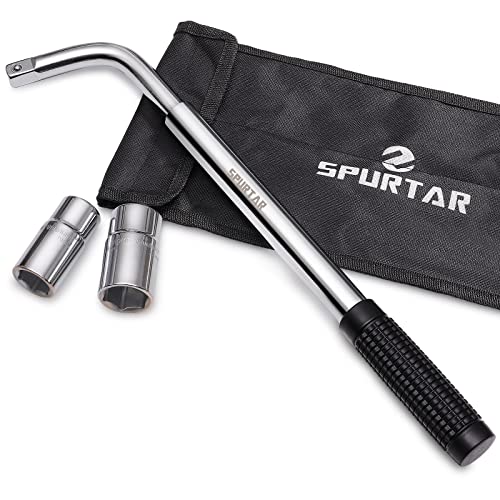
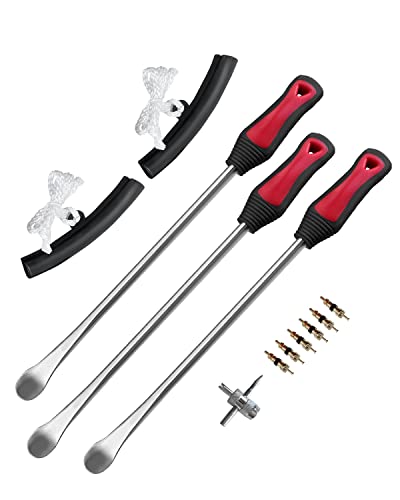
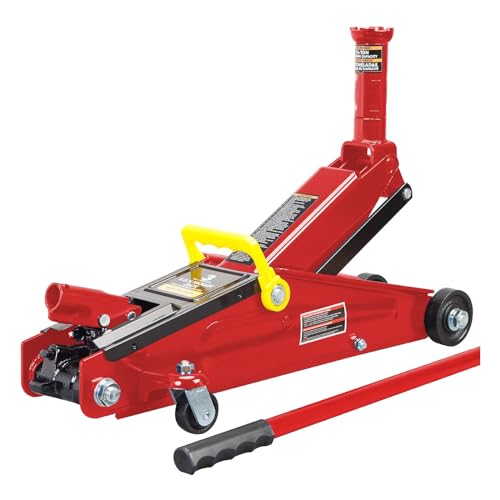
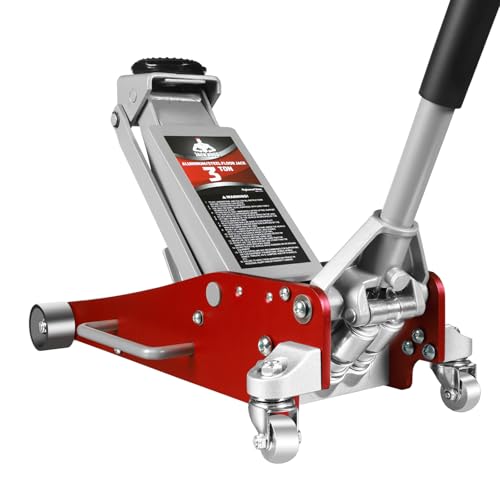
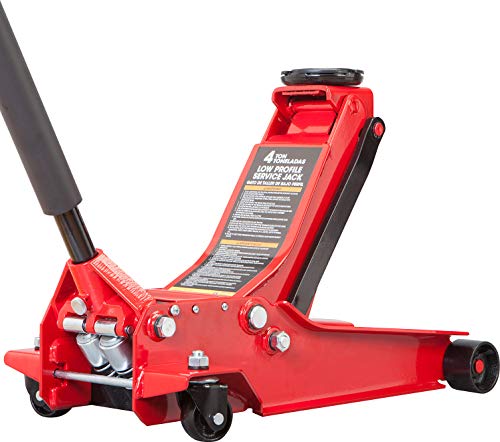
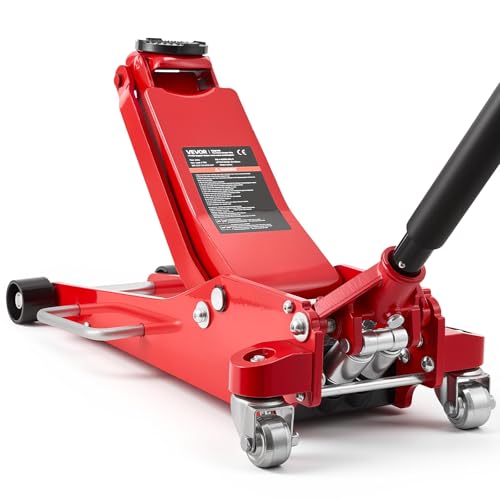
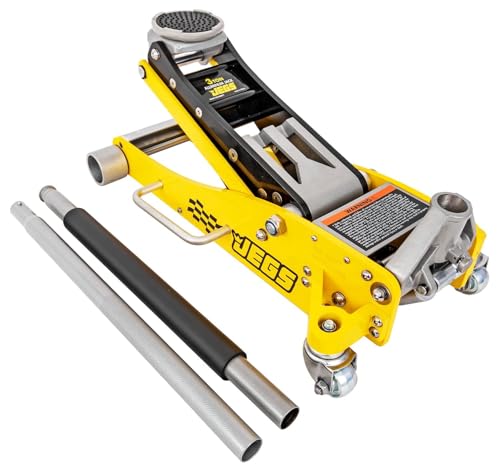
To safely rotate the tires on your all-wheel drive vehicle, you'll need a few essential tools: a car jack, jack stands, and a lug nut wrench. Begin by parking your vehicle on a level surface and engaging the parking brake to prevent any movement. Use the lug nut wrench to slightly loosen the lug nuts on all four AWD tires before lifting. Next, raise the vehicle with the car jack and securely support it with jack stands to guarantee stability during the tire rotation. These preparations are vital to promote even tire wear and maintain your vehicle’s peak performance. Proper tool use and safety measures free you to perform tire rotation confidently and effectively, extending the life of your AWD tires. When selecting a car jack for this task, consider the load-bearing requirements of your vehicle to ensure the jack you choose provides adequate support and safety.
Step-by-Step Guide to Rotating Tires on AWD Vehicles
After securing your vehicle and preparing the necessary tools, you can begin the tire rotation process specific to AWD systems. To rotate tires effectively and maintain peak performance, follow these tire rotation tips:
- Lift the vehicle and remove all four tires.
- Follow the AWD rotation pattern: left rear to right front, right rear to left front, right front to left rear, left front to right rear.
- Inspect tire tread for uneven wear before and after rotation.
- Tighten lug nuts to manufacturer specifications to guarantee safety.
- Record mileage to schedule next rotation between 3,000 to 5,000 miles.
Rotating tires regularly prevents uneven wear, preserves traction, and extends tire lifespan on AWD vehicles, making sure you stay liberated from premature tire issues.
Signs Your AWD Tires Need Rotation
When your AWD vehicle starts pulling to one side or you notice uneven tread wear, it's a clear sign that your tires need rotation. Uneven tread wear compromises traction and handling, directly impacting your control on slippery conditions. Another important sign is increased road noise, especially at higher speeds, which often indicates uneven tire wear. Pay close attention to tread depth; if one tire’s tread drops below 2/32 of an inch compared to others, it’s time for tire rotation to preserve even wear across all AWD tires. Declining traction during wet drives also signals uneven wear. Recognizing these signs early guarantees your vehicle maintains ideal handling and safety, freeing you from the risks and limitations caused by neglected tire rotation.
Professional Tire Rotation Services for AWD Vehicles
Noticing uneven tread wear or handling issues means your AWD tires are ready for rotation, but performing this service correctly requires specific expertise. Professional tire rotation services for AWD vehicles follow precise patterns to guarantee even wear and maintain peak performance. Neglecting proper rotation risks damaging drivetrain components, compromising handling and traction. A professional service not only rotates tires but also checks tire pressure and inspects your vehicle thoroughly. To liberate your AWD’s full potential, consider these key aspects:
- Follow rotation intervals of 3,000 to 5,000 miles
- Use the specific AWD rotation pattern for balanced wear
- Monitor tire pressure during service for consistency
- Detect early signs of drivetrain or tire issues
- Maintain handling and traction across all driving conditions
Trust professional expertise to preserve your AWD system’s integrity and performance.
Frequently Asked Questions
How Often Should AWD Tires Be Rotated?
You should rotate your tires every 3,000 to 5,000 miles to manage tire wear and maintain AWD performance. Regular rotation frequency, alignment checks, and monitoring tread depth improve handling, even with varying driving conditions and seasonal changes.
Is It Okay to Rotate Tires Every 10,000 Miles?
You might think rotating tires every 10,000 miles saves time, but it risks uneven tread and tire wear. Stick to the maintenance schedule, check alignment and tire pressure regularly to optimize performance and cost effectiveness, especially with seasonal changes.
What Is the Best Tire Rotation Pattern for AWD?
You should follow tire rotation patterns that cross tires diagonally for AWD, enhancing tread wear analysis, vehicle handling improvement, and noise reduction. Combine this with tire pressure monitoring, alignment checks, and seasonal tire changes for all wheel drive maintenance.
How Much Does a Dealership Charge to Rotate Tires?
Think of dealership pricing as a gateway, where tire rotation service fees typically range from $20 to $50. You’ll want to compare maintenance costs, customer reviews, warranty implications, and service intervals against local mechanics or DIY options for freedom.
Final Thoughts
You might think your AWD system handles everything flawlessly, but neglecting tire rotation is like expecting a symphony from an untuned instrument. Rotating your tires every 5,000 to 7,500 miles guarantees even wear, preserves traction, and extends tire life. Ignoring this simple step risks uneven tread and costly repairs—hardly the smooth ride you imagined. So, don’t let your tires outpace your attention; keep them balanced for peak performance.
 Top Tire Rotation Patterns for SUV Maintenance
Reliable Floor Jacks on a Budget: Best Picks for Under $150
Top-Rated Floor Jacks Over $100: Built for Professionals, Priced for Smart Buyers
If you want to know other articles similar to How Often to Rotate Tires on All-Wheel Drive you can visit the Tire Care and Rotation category.
Top Tire Rotation Patterns for SUV Maintenance

10 Best Times to Rotate Your Car Tires

Why Does Skipping Tire Rotation Harm Your Car?

Why Do Your Tires Show Signs of Needing Care?

What Tire Maintenance Checklist Should New Owners Follow?

7 Tips to Save on Local Tire Rotation Costs

How to Rotate Your Car Tires Yourself

Essential Tire Maintenance Tips for Winter Driving
Leave a Reply
This is also interesting