






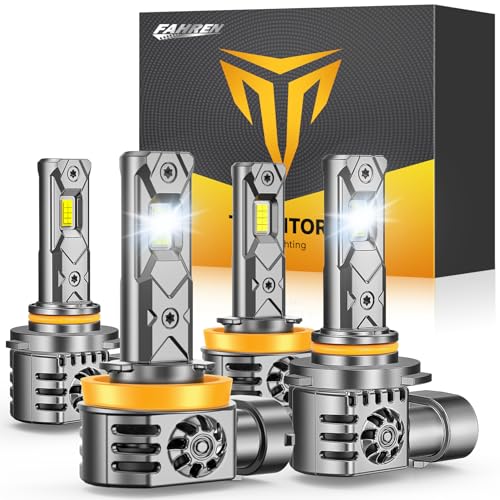
![TOPIK H11/H9/H8 Bulbs [40,000LM Super Bright] 900% Brighter Than Halogen,](https://m.media-amazon.com/images/I/51pGOjHfOcL._SL500_.jpg "How to Upgrade Car Lighting for Safer Driving 37")











How to Upgrade Car Lighting for Safer Driving


To upgrade your car lighting for safer driving, start by replacing halogen bulbs with brighter, energy-efficient LEDs.
Always replace bulbs in pairs for uniform brightness.
Install fog lamps for better visibility in poor weather, and select driving lights that suit your needs while ensuring proper alignment to avoid glare.
Clean headlights regularly to restore light output, and upgrade brake lights for enhanced signaling.
These steps boost safety and performance—explore further to master each upgrade’s technical details.
Table
- Main Points
- Understanding Stock Light Upgrades
- Benefits of Installing Fog Lamps
- Choosing the Right Driving Lights
- Importance of Regular Headlight Cleaning
- Selecting and Replacing Bulbs Correctly
- Enhancing Brake and Tail Light Visibility
- Advantages of LED Headlight Technology
- Ensuring Proper Installation and Alignment
- Frequently Asked Questions
- Final Thoughts
Main Points
- Upgrade to LED headlights for brighter, longer-range illumination and improved nighttime visibility with energy efficiency and extended lifespan.
- Replace bulbs in pairs and verify compatibility to ensure uniform brightness and maintain proper beam patterns.
- Regularly clean and maintain headlights and brake lights to restore brightness and enhance signaling for increased road safety.
- Install fog and driving lights properly to reduce glare and improve visibility in adverse weather and highway conditions.
- Have professional technicians align headlights and fog lights precisely to prevent glare and maximize lighting effectiveness.
Understanding Stock Light Upgrades

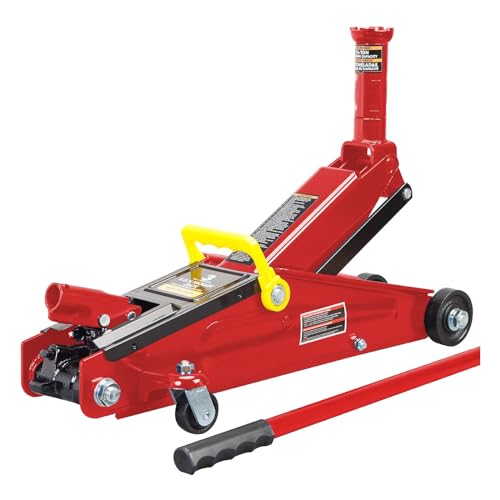
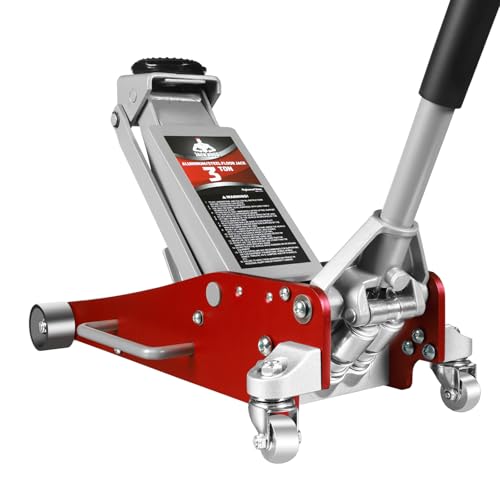
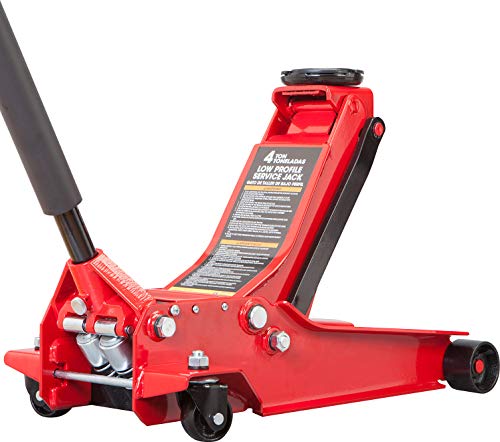
Although stock lighting systems rely primarily on halogen bulbs, you can greatly enhance your vehicle’s nighttime visibility by upgrading to LED, HID, or xenon options. LED upgrades, in particular, improve visibility by producing brighter, more focused light compared to traditional halogen bulbs. When considering lighting upgrades, focus on consistency—replace bulbs in pairs to maintain uniform brightness and prevent confusing oncoming drivers. While stock lighting provides basic illumination, upgrading can double brightness, vital for drivers experiencing reduced night vision. Don’t overlook other essential lights; regularly inspect and upgrade brake and tail lights to guarantee timely signaling. Although fog lamps are specialized for adverse weather, your initial step should be optimizing stock lighting with efficient LED or similar technology, granting you greater control and safety on the road. For those who enjoy hands-on car maintenance, investing in quality floor jacks not only ensures safer access when performing upgrades but also enhances efficiency during automotive tasks.
Benefits of Installing Fog Lamps

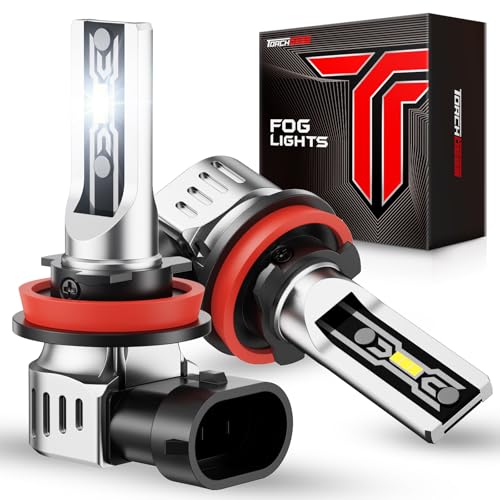
When you drive in fog, mist, or heavy rain, installing fog lamps can dramatically improve your visibility. Fog lamps emit a low, wide beam that cuts through poor weather, enhancing visibility by reducing glare caused by light reflecting off moisture. Positioned lower on your vehicle, they minimize light scatter, helping you see the road and roadside hazards more clearly. This enhancement is important for nighttime driving, where limited visibility increases risks. By improving your visibility when driving under such conditions, fog lamps greatly boost your safety and reduce accident likelihood. For those regularly traversing fog-prone areas, fog lamps are an essential upgrade. Just remember, maintaining proper alignment and cleanliness is critical to sustain their effectiveness and guarantee optimal safety benefits.
Choosing the Right Driving Lights

When choosing driving lights, consider the beam angle and purpose—highway lights focus on distance, while Euro beams enhance side visibility. You’ll also need to follow proper installation techniques to aim the lights correctly and avoid blinding other drivers. Selecting the right type and installing them precisely guarantees maximum effectiveness and legal compliance.
 What Causes Issues in Your Car Fuse Box?
Types of Driving Lights
Since different driving conditions demand specific lighting solutions, choosing the right type of driving lights is essential for both safety and performance. Normal driving lights enhance beam intensity and distance, ideal for highway driving where reaction time matters. Euro light beams focus on side road illumination, improving hazard visibility on less lit routes. Cornering lights activate with steering, illuminating the direction you turn, vital for maneuvering sharp bends at night. Off-road lights provide high-intensity beams for rugged terrain but are illegal on public roads due to glare risks. Modern LED headlights offer improved brightness and a precise beam pattern, greatly boosting night driving safety. Selecting the appropriate driving lights not only enhances visibility but also liberates you to drive confidently in varied environments.
Proper Installation Techniques
Selecting the right driving lights requires careful attention to installation techniques to guarantee peak performance and safety. Proper installation guarantees the beam angle is correctly aligned to maximize visibility without blinding oncoming traffic. You should use a suitable installation kit and consider professional help to optimize safety and lighting performance. Regular maintenance prevents dirt buildup and misalignment that degrade visibility and safety. Below is a comparison table to guide your choices:
| Driving Lights Type | Beam Angle Focus | Safety Considerations |
|---|---|---|
| Normal | Narrow, highway | Legal on roads, glare control |
| Euro | Wider, side visibility | Enhances peripheral vision |
| Off-road | Broad, rugged terrain | Illegal on public roads |
Adhere strictly to these principles for effective and safe driving lights installation.
Importance of Regular Headlight Cleaning

Although many car owners focus on upgrading bulbs or lenses, they often overlook the vital step of regularly cleaning headlights. Dirt, dust, and grime accumulate, obstructing light output and reducing visibility, especially during driving at night. To maintain ideal safety, you must prioritize headlight cleaning.
- Cleaning headlights restores up to 30% of lost light output, essential for hazard detection.
- Neglected headlights can develop cloudiness or yellowing under protective covers, further diminishing brightness.
- Consistent cleaning extends headlight lifespan, ensuring reliable illumination over time.
Selecting and Replacing Bulbs Correctly

When selecting replacement bulbs, always consult your owner's manual to verify compatibility with your vehicle's lighting assembly, preventing installation issues. You should replace headlight bulbs in pairs to maintain even brightness and avoid confusing oncoming drivers. This approach reduces the risk of uneven lighting and enhances overall road safety.
Bulb Compatibility Matters
Because mismatched bulbs can cause inconsistent brightness and confuse other drivers, you should always consult your owner's manual to identify the correct bulb types before upgrading your car lighting. Ensuring bulb compatibility is essential for maximizing the benefits of LED bulbs and other advanced options without compromising safety.
Focus on these key points:
- Verify bulb specifications to maintain proper beam pattern and intensity, avoiding glare that jeopardizes safer driving.
- Choose high-quality automotive lighting products designed to match your vehicle’s socket and electrical system.
- Replace bulbs with compatible types to preserve consistent brightness across all lighting assemblies.
Replace Bulbs in Pairs
Verifying bulb compatibility is only part of upgrading your car lighting effectively; replacing bulbs in pairs plays a key role in maintaining consistent brightness and peak visibility. When you replace bulbs in pairs, you prevent uneven illumination that can confuse other drivers and create safety hazards, especially with headlights and turn signals. Many dealers offer bulbs in pairs to guarantee both sides emit the same light intensity, preserving maximum visibility and communication on the road. Check all related bulbs during replacements—headlights, brake lights, and turn signals—to verify synchronized performance. Regular paired replacements reduce risks during nighttime driving and signaling maneuvers. By committing to this practice, you liberate yourself from inconsistent lighting issues and enhance your vehicle’s overall safety and reliability.
Enhancing Brake and Tail Light Visibility
Although tail lights and brake lights may seem like simple components, upgrading them greatly improves your vehicle's safety by enhancing visibility. You can liberate yourself from outdated lighting by focusing on these key upgrades:
 7 Best Signs Your Car Alternator Is Failing
Upgrading your brake and tail lights significantly boosts vehicle safety by improving visibility and driver reaction time.
- Replace traditional bulbs with LED lights for both brake lights and tail lights; LEDs illuminate faster and shine brighter, increasing reaction time for drivers behind you.
- Verify your third brake light is fully functional and consider upgrading it to a high-intensity model; its elevated position offers critical additional visibility during sudden stops.
- Regularly test all brake and reverse lights for brightness and responsiveness, replacing any dim or faulty bulbs to maintain consistent, safer signaling.
Advantages of LED Headlight Technology
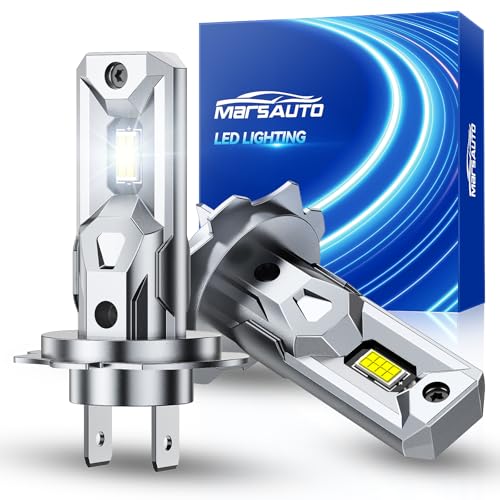
When you upgrade to LED headlights, you gain access to superior brightness and extended beam distance, reaching up to 300 meters—three times that of traditional halogen bulbs. This LED lighting emits a daylight-like color temperature around 5800K, improving your ability to recognize road details and hazards in low-light conditions. The efficient light source consumes only 12 watts, reducing electrical load and enhancing fuel efficiency. With a lifespan between 30,000 and 50,000 hours, LED headlights minimize replacement frequency, saving you time and money. Their instantaneous lighting response sharpens hazard detection, making driving much safer, especially at night. Overall, shifting to LED lighting greatly improves your driving experience by providing clearer visibility, longer durability, and enhanced safety, empowering you with greater freedom and confidence on the road.
Ensuring Proper Installation and Alignment
Because upgraded lighting systems like LEDs and HIDs produce more intense and focused beams, you need to install and align them carefully to prevent glare and optimize visibility. Proper installation guarantees your headlights and fog lights project light correctly without blinding others or reducing your own visibility. To liberate yourself from poor lighting performance, follow these steps:
Upgraded LEDs and HIDs require careful installation and alignment to ensure optimal visibility and prevent glare.
- Consult your owner’s manual for bulb compatibility and installation techniques.
- Engage professional technicians for precise alignment of headlights and fog lights.
- Schedule regular maintenance checks to verify alignment and correct any deviations.
Misaligned lighting systems can reduce visibility by up to 50%, increasing accident risks. Prioritizing proper installation and alignment elevates safety and maximizes the performance of your upgraded car lighting. When upgrading your lighting, it's important to consider safety features such as locking safety bars, which help prevent accidental lowering or misalignment during adjustments.
Frequently Asked Questions
Can I Legally Upgrade My Headlights to LED?
You can upgrade to LED headlights, but LED headlight legality varies by state lighting regulations. Verify your aftermarket modifications meet vehicle safety standards, match headlight bulb types, and improve road visibility without violating laws for safe, legal use.
How Can I Improve My Car Lights?
You can improve car light types by upgrading to LEDs for enhanced headlight brightness, installing fog lights, following lighting safety tips, choosing proper bulb replacement options, and ensuring compliance with automotive lighting laws for safer, liberated driving.
How Can I Increase the Intensity of My Car Headlight?
Imagine boosting headlight brightness by switching to LED bulbs—these aftermarket options enhance visibility. Prioritize proper headlight alignment and follow safety standards. Installation tips include replacing bulbs in pairs for ideal performance and road safety.
How Can I Upgrade My Car Lights?
You can upgrade your car lights by selecting high brightness levels and appropriate bulb types, considering color temperature, following installation tips, performing wiring upgrades, and ensuring compliance with legal regulations to enhance performance and safety effectively.
 Why Is My Car Experiencing Electrical Issues?
Final Thoughts
Upgrading your car’s lighting transforms your nighttime drive into a clear, confident journey. Imagine piercing through dense fog with crisp fog lamps or spotting hazards early thanks to bright, well-aligned LED headlights. Regularly cleaning and correctly selecting bulbs sharpens every beam, while enhanced brake and tail lights guarantee others see you clearly. By investing in precise installation and quality components, you’ll navigate the road with improved safety and reliability, illuminating your path ahead with confidence.
Reliable Floor Jacks on a Budget: Best Picks for Under $150
Top-Rated Floor Jacks Over $100: Built for Professionals, Priced for Smart Buyers
If you want to know other articles similar to How to Upgrade Car Lighting for Safer Driving you can visit the Lighting Electrical Care category.
Fixing Car Interior Lights That Won't Turn On

What Are the Steps to Replace Headlight Bulbs?

Why Is My Car Experiencing Electrical Issues?

7 Best Signs Your Car Alternator Is Failing

What Causes Issues in Your Car Fuse Box?

Car Wiring Harness Repair Costs: Top 10 Factors

How to Identify Car Battery Drain Sources

5 Best LED Headlights for Older Cars
Leave a Reply
This is also interesting