


















Essential Tire Maintenance Tips for Winter Driving


You need winter tires with at least 4/32 inches of tread for safe traction on ice and snow.
Check tire pressure monthly, as cold temps lower it by 1-2 PSI per 10°F drop, affecting grip and stopping distance.
Rotate tires every 5,000 to 7,500 miles and guarantee proper balancing and alignment for even wear and stability.
Inspect for cracks or uneven wear regularly.
Proper installation and off-season care also maintain performance.
Discover how these practices improve winter driving safety.
Table
- Main Points
- Understand the Importance of Winter Tires
- Regularly Check Tire Pressure
- Inspect Tread Depth for Safety
- Rotate Tires to Promote Even Wear
- Balance and Align Tires Properly
- Inspect Tires for Winter Wear-and-Tear
- Proper Installation and Rotation Practices
- Clean and Store Tires During Off-Season
- Frequently Asked Questions
- Final Thoughts
Main Points
- Maintain a minimum tread depth of 4/32 inches for optimal traction on icy and snowy roads.
- Check and adjust tire pressure monthly, as cold temperatures reduce tire pressure by 1-2 PSI per 10°F drop.
- Rotate tires every 5,000 to 7,500 miles to promote even tread wear and enhance winter driving stability.
- Inspect tires regularly for cracks, bulges, uneven wear, and valve condition to prevent winter tire failures.
- Install winter tires as a full set on all four wheels to ensure consistent traction and control on slippery surfaces.
Understand the Importance of Winter Tires

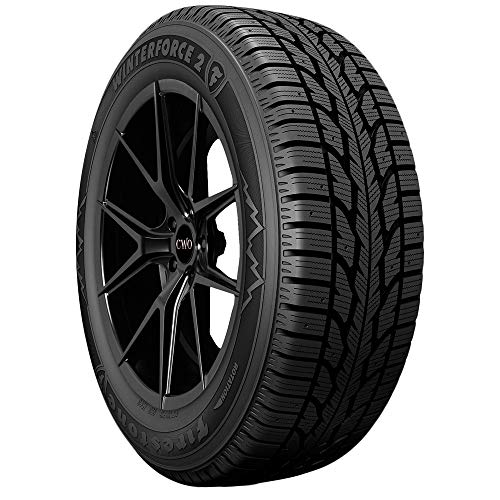
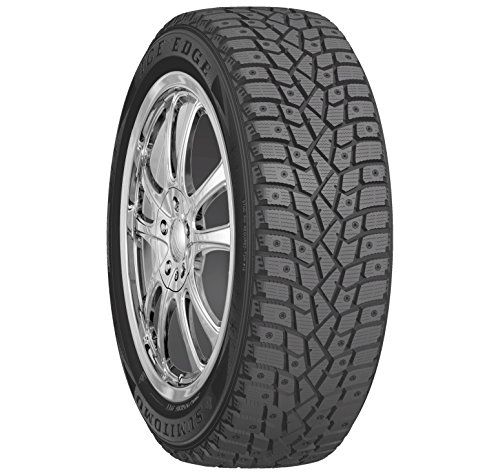
Although all-season tires may seem adequate, winter tires provide markedly better traction in cold, snowy, and icy conditions due to their specialized tread patterns and softer rubber compounds. Recognizing that winter tires is key to safe winter driving empowers you to maintain control and reduce stopping distances on icy conditions by up to 30%. Use a tread depth gauge regularly to verify your tires meet the minimum 4/32-inch depth standard, essential for adequate grip. Tire care matters immensely; neglecting it compromises performance and safety. Investing in a full set of winter tires prevents uneven traction, maximizing your vehicle’s stability. By understanding these technical details and maintaining your tires vigilantly, you liberate yourself from the risks winter roads impose, guaranteeing confident and secure driving through harsh conditions.
Regularly Check Tire Pressure

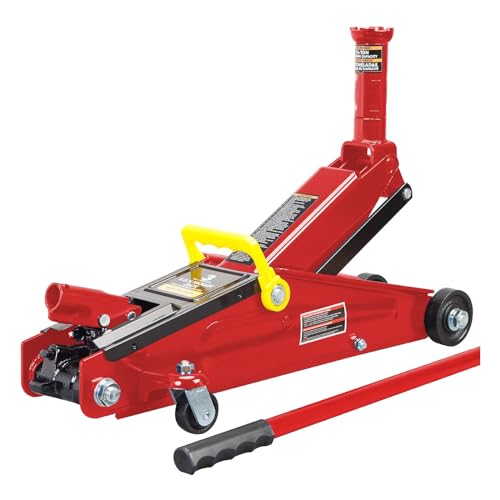
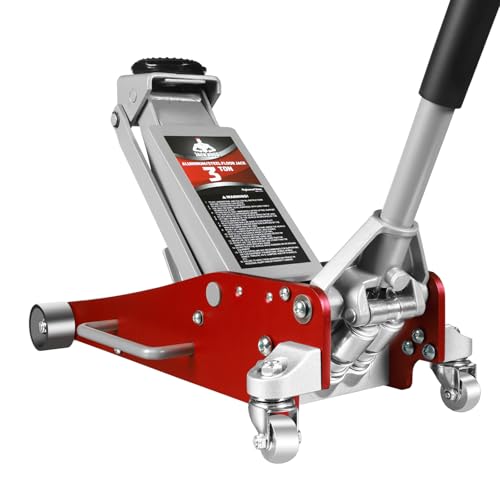
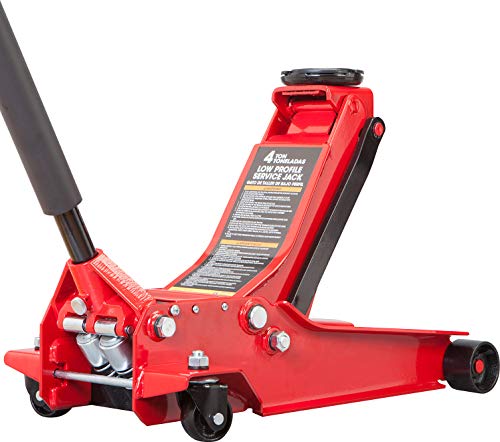
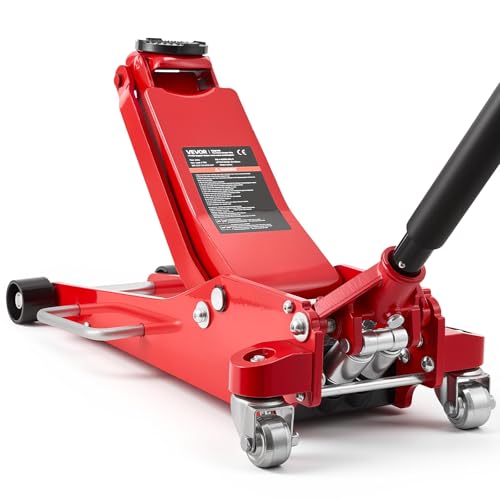
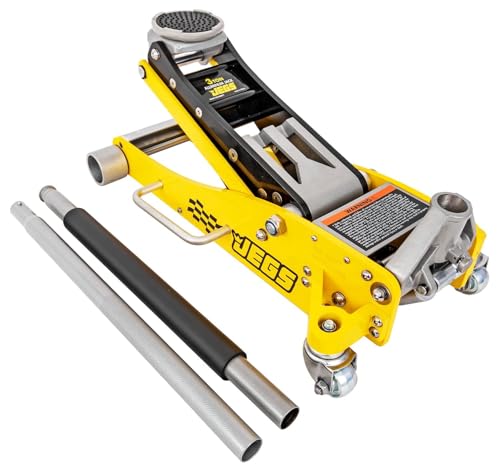
Since cold temperatures cause tire pressure to drop by 1-2 PSI for every 10°F decrease, you need to check your tire pressure regularly during winter months. Measure tire pressure when tires are cold—ideally in the morning before driving—to guarantee accuracy. Maintaining the recommended tire pressure, found on the label inside your driver’s door, is essential. Under-inflated tires compromise winter driving safety by reducing grip and increasing stopping distances on icy or snowy roads. Properly inflated tires provide improved traction and peak vehicle handling, helping you maintain control in harsh conditions. Regular monthly checks not only enhance safety but also extend tire lifespan and overall vehicle performance. By staying vigilant with tire pressure, you liberate yourself from avoidable risks and drive confidently through winter challenges. For those needing to top off air or perform tire maintenance at home, consider using a low profile floor jack for easier and safer vehicle access, especially with low-clearance cars.
Inspect Tread Depth for Safety

You should guarantee your steer tires have a minimum tread depth of 4/32 inches for safe winter driving. Use a tread depth gauge or perform the penny test—if Lincoln's head is covered, your tread is sufficient. Maintaining proper tread depth is critical for traction and reducing hydroplaning on icy and snowy roads.
Minimum Tread Depth
When driving in winter conditions, maintaining the proper tread depth on your tires is critical for safety and vehicle control. For winter tires, verify a minimum tread depth of 4/32 inches on steer tires and at least 2/32 inches on others. This depth provides essential grip on icy or snowy roads, reducing stopping distances and enhancing traction. Insufficient tread depth drastically increases hydroplaning risk and compromises control during adverse weather. Regularly inspect tread depth to comply with safety standards and regional regulations. Remember, winter tires with adequate tread depth can cut stopping distances on ice by up to 30% compared to all-season tires. Keeping your tread depth within these parameters grants you the freedom to drive confidently in winter’s challenging conditions.
 How to Rotate Your Car Tires Yourself
Tread Depth Tools
Anyone inspecting tire tread depth for winter driving should rely on accurate tools to ascertain safety. Tread depth is best measured using a tread depth gauge, which gives you precise readings essential for deciding on tire replacement. Alternatively, the penny test offers a quick check: if you see Lincoln’s head fully, your tires require replacement. Regular checks help meet safety regulations and prevent hydroplaning on icy roads.
| Tool | Description |
|---|---|
| Tread Depth Gauge | Precise measurement of tread depth |
| Penny Test | Quick visual check for tread depth |
| Digital Gauge | Electronic, easy-to-read display |
| Depth Indicator | Built-in tire wear indicators |
Use these tools to verify your tread depth exceeds 4/32 inches, maintaining maximum winter traction.
Tread and Traction
Although many drivers overlook tire tread depth, maintaining at least 4/32 inches on steer tires is essential for winter traction and safety. You must regularly inspect tread depth using a tread gauge or the penny test—if Lincoln’s head is visible, replace your tires immediately. Adequate tread guarantees optimal grip on icy, snowy, and wet surfaces, directly impacting your vehicle’s control and reducing hydroplaning risk. Measure tread depth at multiple points across each tire to detect uneven wear, which could signal alignment issues. Proper tread not only assures traction under challenging winter driving conditions but also helps you comply with safety regulations. By staying vigilant about tread depth, you liberate yourself from avoidable hazards and maintain full command over your vehicle in adverse weather.
Rotate Tires to Promote Even Wear

Since uneven tire wear can reduce traction and handling, you should rotate your tires every 5,000 to 7,500 miles to guarantee even wear. This tire maintenance practice is crucial for maintaining peak performance in winter driving conditions. Rotating tires balances their contact with the road, enhancing stability and safety on slippery surfaces. Additionally, it can extend tire lifespan by up to 50%, maximizing your investment.
Rotate tires every 5,000–7,500 miles to ensure even wear and optimal winter traction.
To effectively rotate tires, remember to:
- Follow manufacturer-recommended rotation patterns
- Prioritize consistent intervals between rotations
- Inspect tires for uneven wear signs regularly
- Address uneven wear promptly to avoid compromised traction
Balance and Align Tires Properly

You need to verify your tires are properly balanced and aligned to maintain ideal vehicle control during winter. Balanced tires reduce vibrations and uneven wear, while correct alignment verifies all tires contact the road for better traction. Regular checks before the season help improve safety, steering precision, and fuel efficiency.
Importance of Alignment
When you guarantee your tires are properly balanced and aligned, you maximize their contact with the road, which is critical for maintaining traction on slippery winter surfaces. Proper tire alignment guarantees peak traction by allowing even tire contact, reducing skidding risks and enhancing safety during winter driving. Misalignment causes uneven wear, cutting tire lifespan by up to 50% and compromising control. To maintain freedom on winter roads, check alignment regularly.
- Prevent uneven wear and extend tire life
- Improve safety during winter driving conditions
- Enhance fuel efficiency by reducing rolling resistance
- Maintain peak traction on icy or snowy roads
Prioritize tire alignment to liberate your winter drives with confidence and control.
Benefits of Tire Balancing
Although tire alignment is essential, proper tire balancing plays an equally important role in winter driving safety by preventing excessive vibration and ensuring even tire wear. When you prioritize tire balancing, you reduce uneven wear patterns that degrade traction on slippery roads. This directly enhances your control and stability, vital for winter driving safety. Additionally, balancing extends tire life and improves fuel efficiency by minimizing engine strain.
| Benefit | Impact on Winter Driving |
|---|---|
| Prevents excessive vibration | Maintains vehicle stability |
| Reduces uneven wear patterns | Enhances tire traction |
| Improves fuel efficiency | Lowers fuel consumption |
Regular tire balancing keeps your tires functioning efficiently, empowering you to drive confidently through winter’s challenges.
 7 Tips to Save on Local Tire Rotation Costs
Inspect Tires for Winter Wear-and-Tear
Since winter conditions can cause tires to become brittle and develop cracks, you need to inspect them regularly for signs of wear and damage. Cold weather stresses tires, so you must check tire integrity frequently, especially after temperature swings. Focus on the tread patterns to guarantee they maintain a minimum depth of 4/32 inches for proper traction on icy roads. Also, watch for valve wear, as condensation can freeze and cause leaks.
When inspecting your tires in winter weather, look for:
- Cracks, bulges, or cuts on the tire surface
- Uneven tread wear indicating alignment or pressure issues
- Tread depth to confirm adequate grip
- Valve condition to prevent air leaks
Regular checks keep you liberated from unexpected tire failures.
Proper Installation and Rotation Practices
After thoroughly inspecting your tires for wear and damage, the next step is to assure proper installation and rotation practices. Install winter tires as a complete set on all four wheels to maintain consistent traction and enhance safety during winter conditions. Avoid mixing tire types, as this compromises control on slippery surfaces. Follow manufacturer guidelines for tire rotation, typically every 5,000 to 7,500 miles, to guarantee tires wear evenly and extend their lifespan. Regular tire rotation balances wear patterns, preserving ideal grip essential for winter driving. Additionally, confirm that tires are properly installed with correct torque and inflation pressures, as these factors directly impact vehicle stability and braking performance. Adhering to these precise steps empowers you to drive confidently and safely throughout the winter months.
Clean and Store Tires During Off-Season
When you prepare your tires for the off-season, cleaning them thoroughly with mild soap and water removes salt, dirt, and moisture that can degrade the rubber compounds over time. After you clean tires, make certain they’re completely dry before you store tires to prevent mold and deterioration. To keep them in good condition, follow these storage best practices:
- Store unmounted tires horizontally in a cool, dry place to avoid deformation.
- Keep mounted tires upright or hung to maintain their shape.
- Use tire bags to protect from moisture and UV light.
- Regularly inspect stored tires for signs of wear, such as cracks or bulges, before reinstalling.
Maintaining clean tires and proper storage guarantees they remain safe and reliable for the next season, giving you freedom on the road.
Frequently Asked Questions
What Are the 3 P's of Winter Driving?
You focus on the 3 P's: Preparation strategies like checking tire pressure and traction control systems, patience to maintain control, and predictability in driving habits, plus keeping emergency kits ready, ensuring safety and confident winter driving freedom.
What Are AAA Tips for Winter Driving?
AAA advises you to use appropriate winter tire types, regularly perform tire pressure checks, maintain tread depth above 4/32 inches, and keep emergency kits ready to guarantee safety and control on icy, snowy roads.
What Are 5 Things You Should Do When Driving During Winter?
Imagine steering icy roads safely by mastering winter tire preparation. You’ll boost driving visibility, pack emergency kit essentials, stay aware of road conditions, reduce speed, and increase following distance, ensuring control and freedom in harsh winter driving.
How Can I Make My Tires Better for Winter?
You can enhance your tires for winter by installing winter tires, maintaining proper tire pressure, and ensuring a tread depth of at least 4/32 inches. These steps improve snow traction and keep you safely liberated on icy roads.
Final Thoughts
Think of your tires as the lifeline between you and the road during winter’s harsh grip. By regularly checking pressure, monitoring tread depth, rotating, balancing, and aligning them properly, you guarantee peak performance and safety. Don’t overlook inspecting for winter wear and following proper installation practices. Finally, clean and store your tires correctly in the off-season to extend their lifespan. Staying diligent with these steps keeps you confidently in control, no matter the weather.
 What Tire Maintenance Checklist Should New Owners Follow?
Reliable Floor Jacks on a Budget: Best Picks for Under $150
Top-Rated Floor Jacks Over $100: Built for Professionals, Priced for Smart Buyers
If you want to know other articles similar to Essential Tire Maintenance Tips for Winter Driving you can visit the Tire Care and Rotation category.
Top Tire Rotation Patterns for SUV Maintenance

10 Best Times to Rotate Your Car Tires

Why Does Skipping Tire Rotation Harm Your Car?

How Often to Rotate Tires on All-Wheel Drive

Why Do Your Tires Show Signs of Needing Care?

What Tire Maintenance Checklist Should New Owners Follow?

7 Tips to Save on Local Tire Rotation Costs

How to Rotate Your Car Tires Yourself
Leave a Reply
This is also interesting