


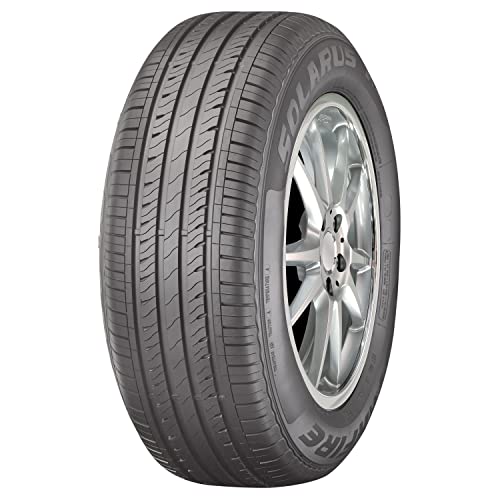







Why Do Your Tires Show Signs of Needing Care?


Your tires show signs of needing care because wear, damage, and pressure issues compromise their safety and performance.
Low tread depth reduces traction and raises accident risks, while cracks or bulges weaken structural integrity, risking blowouts.
Uneven wear and frequent pressure loss can indicate alignment or valve problems. Tire age also degrades rubber elasticity, affecting handling.
Recognizing these signs helps you address problems early and maintain control. Understanding these factors is key to safer driving and tire longevity.
Table
- Main Points
- Understanding Low Tread Depth and Its Risks
- Identifying Uneven Tire Wear Patterns
- Recognizing the Impact of Cracks and Bulges
- Addressing Frequent Air Pressure Problems
- Detecting Excessive Vibrations While Driving
- The Role of Bubbles and Blisters in Tire Safety
- How Tire Age Affects Performance and Safety
- Common Causes Leading to Tire Damage
- Effective Tips for Extending Tire Lifespan
- Importance of Regular Tire Rotation and Maintenance
- Frequently Asked Questions
- Final Thoughts
Main Points
- Low tread depth reduces traction and increases accident risk, indicating tires need replacement or care.
- Uneven tire wear signals misalignment, improper pressure, or suspension issues requiring inspection.
- Cracks, bulges, and blisters show structural damage that can cause blowouts and demand immediate attention.
- Frequent pressure loss often results from punctures, valve problems, or rim damage needing professional assessment.
- Excessive vibrations and pulling during driving suggest tire imbalance or damage, affecting safety and control.
Understanding Low Tread Depth and Its Risks

Although the legal minimum tread depth is 2/32 of an inch, you should replace your tires once they reach 4/32 of an inch to maintain ideal safety. Low tread depth drastically reduces traction, especially on wet or slippery surfaces, increasing your risk of hydroplaning and losing control. By regularly performing tire maintenance and checking tread depth—using methods like the penny test—you guarantee your tires provide maximum grip. If Lincoln’s head shows when inserting a penny tread-first, it signals low tread and the need for replacement. Tires with insufficient tread are three times more likely to cause accidents, so staying vigilant protects your freedom on the road. Prioritizing tread depth in your tire maintenance routine empowers you to adopt safe driving without compromise.
Identifying Uneven Tire Wear Patterns

Uneven tire wear patterns serve as clear indicators of underlying vehicle issues such as misalignment, incorrect tire pressure, or suspension defects. When you notice uneven tire wear, look for variations in tread depth—one side might be more worn, or the tire’s center could wear faster than its edges. These signs point to problems like improper pressure, which can distort tread contact with the road. To prevent uneven tire wear, maintain tire pressure at manufacturer-recommended levels and rotate your tires every 6,000 miles to guarantee uniform tread degradation. If you detect uneven tire patterns, don’t hesitate to seek a professional inspection. Addressing these issues promptly preserves tire integrity, optimizes vehicle handling, and safeguards your freedom on the road.
Recognizing the Impact of Cracks and Bulges

Cracks and bulges on your tires serve as critical warning signs of structural damage that can compromise safety. Cracks typically arise from aging, harsh conditions, or road impacts, weakening your tire’s structural integrity. Bulges, appearing on sidewalls, indicate air shifting between tire layers, signaling imminent risk of blowouts. You must inspect tires regularly to detect these defects early, as ignoring them reduces tire life and handling performance. When cracks or bulges appear, immediate evaluation or replacement is essential to prevent catastrophic failure. By addressing these issues promptly, you maintain your vehicle’s safety and extend tire life, ensuring your freedom on the road isn’t compromised by preventable tire damage.
Addressing Frequent Air Pressure Problems

If you notice frequent air pressure loss, it could stem from punctures, valve issues, or rim damage. You should monitor your tire pressure regularly, especially during colder months when pressure tends to drop. Using a reliable gauge and scheduling routine checks every 3,000 miles will help maintain ideal inflation and prevent safety risks. Addressing these issues promptly can also help you avoid spill prevention features that are common concerns in automotive maintenance.
Causes of Pressure Loss
Because tire pressure naturally drops in colder temperatures—approximately 1 PSI for every 10°F decrease—you'll want to monitor your tires regularly to catch frequent pressure loss early. The primary causes include slow punctures from road debris, valve stem leaks, or bead leaks where the tire meets the rim. These issues manifest as warning signs like consistent low tire pressure despite proper maintenance. Regular intervals of checking tire pressure—monthly or before long trips—help you detect these problems promptly. Neglecting them can lead to unsafe driving conditions and reduced fuel efficiency. Proper maintenance involves adhering to manufacturer-recommended inflation levels and inspecting tires for damage. If you notice recurring pressure loss, seek professional assessment to identify leaks or valve faults, ensuring your tires remain reliable and safe.
Monitoring and Maintenance
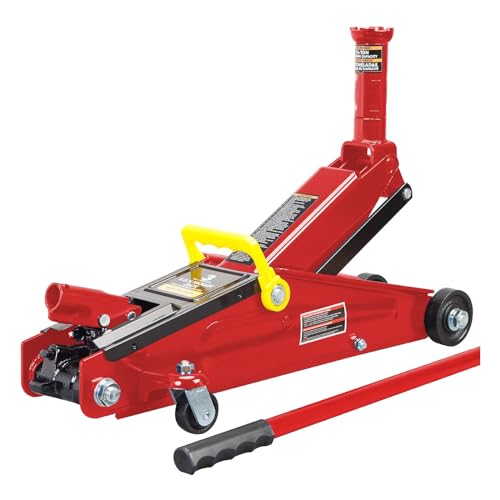
Frequent drops in tire pressure signal underlying issues that demand prompt attention to maintain vehicle safety. You must prioritize monitoring and maintenance to address frequent air pressure problems effectively. Regularly check tire pressure using a gauge every 3,000 miles or before long trips to guarantee proper tire care. Remember, under-inflation increases wear, lowers fuel efficiency, and impairs handling. Temperature shifts, especially in winter, worsen pressure loss, so stay vigilant. If low pressure persists, consult tire professionals to identify leaks or punctures. Using a hydraulic bottle jack can make tire inspections and maintenance easier and safer, especially when dealing with persistent tire issues.
 How Often to Rotate Tires on All-Wheel Drive
| Cause | Effect on Tire Pressure | Recommended Action |
|---|---|---|
| Puncture/Leak | Sudden pressure drop | Immediate inspection |
| Temperature Change | Gradual pressure drop | Frequent pressure monitoring |
| Under-inflation | Increased wear | Regular maintenance checks |
| Recurring low pressure | Potential hidden issues | Professional tire service |
Detecting Excessive Vibrations While Driving

How can you tell when your tires are causing excessive vibrations while driving? Pay attention to persistent shaking, especially at higher speeds, which often signals tire imbalance or internal damage. To maintain control and safety, make certain your tires are properly inflated and free from damage. Addressing excessive vibration promptly helps you avoid increased wear and potential blowouts. Watch for these signs:
Persistent shaking at high speeds often indicates tire imbalance or damage requiring immediate attention.
- Steering wheel vibrates noticeably
- Uneven tire wear patterns
- Vehicle pulls to one side
- Vibrations worsen with speed
- Hitting curbs or potholes recently
If you experience these symptoms, seek a professional inspection immediately. Early detection frees you from risks associated with compromised tires, making sure your vehicle remains responsive and safe on the road. In some cases, resolving tire vibrations may also involve assessing your vehicle’s load-bearing requirements to ensure overall stability and prevent further mechanical issues.
The Role of Bubbles and Blisters in Tire Safety
You should watch for tire bubbles and blisters, which appear as bulges on the tire surface caused by air trapped between tire layers. These defects often result from impacts with curbs or potholes that damage the tire’s internal structure. Ignoring these bulges increases the risk of blowouts, so prompt inspection and replacement are essential for your safety.
Identifying Tire Bubbles
Tire bubbles and blisters form when air infiltrates between a tire’s internal layers, compromising its structural integrity and increasing the risk of sudden blowouts. Recognizing these signs early is essential to prevent tire failure. When inspecting your tires, look for:
- Visible bubbles or bulges on the sidewall
- Any cracking near or around bubbles
- Uneven tire wear patterns
- Recent impacts with curbs or sharp objects
- Changes in tire pressure without apparent cause
These indicators suggest the integrity of the tire is compromised. If you spot any bubbles, perform a thorough inspection immediately. Don’t hesitate to consult a professional tire technician to assess the damage and recommend replacement if necessary. Your safety depends on timely identification and action to avoid catastrophic tire failure.
Causes of Blisters
Bubbles and blisters form when air infiltrates between the internal layers of a tire, often triggered by impact damage or manufacturing flaws. These defects compromise tire integrity, creating weak spots prone to failure. Environmental factors like extreme temperatures and harsh elements accelerate blister development, further degrading your tires. Regular visual inspections are essential; they allow you to detect blisters early and prevent sudden blowouts. Ignoring these signs risks your vehicle’s control and passenger safety. When you spot blisters, consult a professional immediately for a thorough evaluation. Timely tire replacement is crucial to maintain peak safety and performance. By understanding these causes, you empower yourself to act decisively, preserving your freedom on the road without sacrificing security.
Safety Risks of Bulges
Although bulges and blisters might seem minor, they signal a compromised tire structure that can cause sudden blowouts and severe safety hazards. When you notice bulges, understand they indicate internal air pockets caused by impacts, undermining tire integrity. Ignoring these signs escalates safety risks drastically. To protect yourself, prioritize tire inspections and act immediately if bulges appear.
Key safety risks of bulges include:
- Sudden tire blowouts risking loss of vehicle control
- Increased likelihood of accidents due to tire failure
- Structural weakening that worsens with continued use
- Reduced ability of the tire to withstand road hazards
- Compromised performance affecting overall driving safety
Regularly inspect your tires to detect bulges early and maintain your freedom on the road without compromising safety.
How Tire Age Affects Performance and Safety
Since rubber compounds degrade over time, your tires lose elasticity after about six years, even if their tread looks fine. This reduction affects traction and increases blowout risks, making tire age a critical safety factor. Maintenance is essential: regularly inspect for cracks or bulges, and replace tires within the NHTSA’s recommended six to ten years regardless of tread wear. Use the DOT code to verify tire age and guarantee peak performance.
 Why Does Skipping Tire Rotation Harm Your Car?
| Tire Aspect | Effect of Age | Safety Impact |
|---|---|---|
| Rubber Elasticity | Decreases after 6 years | Reduced grip, higher risk |
| Tread Wear | May appear adequate | Not sole safety indicator |
| Structural Integrity | Cracks, bulges develop | Potential blowouts |
| DOT Code | Identifies tire production date | Helps schedule replacement |
| Maintenance | Regular inspections required | Prevents accidents |
Common Causes Leading to Tire Damage
You risk accelerated tire wear and safety hazards if you skip routine maintenance like pressure checks and tread inspections. Your driving habits also play a vital role—excessive braking and aggressive acceleration place extra stress on your tires, causing premature damage. Understanding these factors helps you prevent common causes of tire deterioration.
Maintenance Neglect Effects
A lack of consistent tire maintenance directly accelerates tire damage and compromises safety. Your tires need regular attention to stay in good condition and avoid premature wear. Neglecting this can cause:
- Improper inflation leading to uneven wear and increased blowout risk
- Failure to rotate tires every 6,000 miles, causing uneven tread degradation
- Ignoring visible damage like cracks or bulges, weakening tire integrity
- Overloading beyond recommended limits, stressing tires and accelerating wear
- Skipping routine inspections, missing early signs of deterioration
Impact of Driving Habits
Although tire maintenance is essential, your driving habits greatly influence tire durability and safety. Aggressive Driving Habits like hard braking and rapid acceleration increase the impact on tires, causing premature wear and reducing lifespan. Tailgating forces frequent hard stops, which not only wears tires faster but also heightens accident risk. Driving at high speeds generates excessive heat in tires, accelerating tread degradation and risking blowouts. Poor cornering techniques lead to uneven tire wear, compromising traction and stability. Additionally, regularly exceeding your vehicle’s load capacity strains tires, causing deformation and possible failure. By adjusting your Driving Habits—avoiding aggressive maneuvers, maintaining safe distances, and respecting load limits—you can reduce traction loss and extend tire life, enhancing both freedom and safety on the road.
Effective Tips for Extending Tire Lifespan
When you maintain proper tire pressure and rotate your tires every 6,000 miles, you greatly reduce uneven wear and extend their lifespan. Managing tire condition involves systematic care to guarantee safety and performance. Follow these effective tips to prolong your tire life:
- Monitor tire pressure regularly to maintain ideal inflation.
- Rotate tires consistently every 6,000 miles to balance tread wear.
- Inspect tread depth frequently to detect wear and maintain traction.
- Schedule routine maintenance checks for alignment and structural integrity.
- Adopt gentle driving habits to minimize stress and premature wear.
Importance of Regular Tire Rotation and Maintenance
Maintaining proper tire pressure and rotating your tires every 6,000 miles lays the groundwork for extending tire life, but regular tire rotation and maintenance play a significant role in preventing uneven wear and identifying mechanical issues early. Tire rotation guarantees tread depth wears evenly, optimizing handling and safety. Uneven tire wear often signals misalignment or suspension problems, which, if neglected, can escalate repair costs and compromise your freedom on the road. Consistent tire maintenance includes monitoring tread depth—using the penny test—and maintaining correct pressure to prevent premature degradation. Proper maintenance reduces rolling resistance, enhancing fuel efficiency and saving you money. By adhering to these precise practices, you reclaim control over your vehicle’s performance while extending tire longevity and safeguarding your journey’s liberty.
Frequently Asked Questions
How Often Should I Add Air to My Tires?
You should check tire maintenance frequency every 3,000 miles or before long trips, following air pressure guidelines. Use tire inflation tools and perform seasonal tire checks to adjust pressure, ensuring maximum safety and tire longevity.
Why Is My Tire Pressure Light on but My Tires Are Fine?
Your tire pressure light can stay on despite proper air pressure due to sensor malfunction issues or temperature-driven tire pressure causes. This warning light meaning signals you to check sensors, ensuring air pressure importance isn’t compromised.
How Do I Tell if My Tires Need Replacing?
You’ll know your tires need replacing when tread depth falls below 4/32 inch, sidewall cracks or bulging tires appear, or uneven wear shows. These signs signal compromised safety and performance, urging immediate tire care action.
Can I Still Drive With a Tire Pressure Warning?
Can you risk driving with a tire pressure warning light on? For driving safety, you shouldn’t. Check tire pressure immediately and inflate to recommended levels to prevent damage and maintain control, ensuring your liberation on the road.
Final Thoughts
Your tires are the unsung anchors of your vehicle’s safety, silently bearing the road’s relentless assault. When you notice signs like low tread, cracks, or uneven wear, it’s a beacon warning you to act. Ignoring these signals is like sailing with a frayed sail—dangerous and costly. By staying vigilant with regular maintenance and rotations, you guarantee your tires stay sharp, extending their lifespan and keeping your drive steady and secure.
 10 Best Times to Rotate Your Car Tires
Reliable Floor Jacks on a Budget: Best Picks for Under $150
Top-Rated Floor Jacks Over $100: Built for Professionals, Priced for Smart Buyers
If you want to know other articles similar to Why Do Your Tires Show Signs of Needing Care? you can visit the Tire Care and Rotation category.
Top Tire Rotation Patterns for SUV Maintenance

10 Best Times to Rotate Your Car Tires

Why Does Skipping Tire Rotation Harm Your Car?

How Often to Rotate Tires on All-Wheel Drive

What Tire Maintenance Checklist Should New Owners Follow?

7 Tips to Save on Local Tire Rotation Costs

How to Rotate Your Car Tires Yourself

Essential Tire Maintenance Tips for Winter Driving
Leave a Reply
This is also interesting