












10 Best Times to Rotate Your Car Tires


You should rotate your car tires every 5,000 to 7,500 miles, often aligning with oil changes for efficiency.
Rotate tires if you notice uneven wear, vibrations, or if the vehicle pulls to one side.
Also, rotate before seasonal changes, long trips, and after driving on rough roads to maintain traction and safety.
Watch for fuel efficiency drops, which can signal uneven wear.
Understanding these key times helps you maximize tire life and vehicle performance.
Table
- Main Points
- After Every 5,000 to 7,500 Miles
- During Routine Oil Changes
- When You Notice Uneven Tire Wear
- After Experiencing Vibrations While Driving
- If the Vehicle Pulls to One Side
- When Tire Pressure Frequently Drops
- Before Seasonal Weather Changes
- When Preparing for Long Road Trips
- After Driving on Rough or Gravel Roads
- When Fuel Efficiency Declines
- Frequently Asked Questions
- Final Thoughts
Main Points
- Rotate tires every 5,000 to 7,500 miles to ensure even tread wear and extend tire lifespan.
- Rotate tires before seasonal weather changes to maintain optimal traction and safety.
- Rotate tires before long road trips to reduce blowout risks and improve handling.
- Rotate tires promptly if you notice uneven wear, vibrations, or the vehicle pulling to one side.
- Increase rotation frequency to every 3,000 to 5,000 miles when driving frequently on rough or gravel roads.
After Every 5,000 to 7,500 Miles

Rotating your car tires every 5,000 to 7,500 miles helps guarantee even tire wear and prolongs their lifespan. Following this interval aligns with many vehicle manufacturer’s recommendations, ensuring you maintain ideal vehicle handling and traction. By performing tire rotation at around 5,000 miles, you prevent uneven tread degradation that compromises safety and performance. This practice balances the wear patterns between front and rear tires, essential for extending tire lifespan. While some suggest coordinating tire rotation with oil changes for convenience, it’s important to adhere to your specific vehicle manufacturer's guidance. Regular tire rotation is a technical maintenance step that frees you from premature tire replacement, enhancing your vehicle’s stability and your driving freedom.
During Routine Oil Changes

Pairing tire rotation with your routine oil changes offers a practical approach to maintaining your vehicle’s performance. By aligning tire rotation with oil changes every 5,000 to 7,500 miles, you adhere to an efficient maintenance schedule that promotes peak tire health. This synchronization guarantees your tires wear evenly, preventing premature tread wear and extending their lifespan. During oil changes, technicians can inspect tires for damage, addressing potential issues early. Combining these services not only saves you time but also reduces service costs by consolidating appointments. Many dealerships recommend this integrated approach as it supports consistent vehicle traction and handling. By rotating your tires during oil changes, you maintain balanced tread wear and uphold your vehicle’s safety and performance without complicating your maintenance routine.
When You Notice Uneven Tire Wear

If you notice uneven tire wear, such as bald spots or significant differences in tread depth between tires, it is vital to address the issue promptly. Uneven tire wear compromises vehicle performance and safety by disrupting balance and traction. You should schedule a tire rotation immediately to redistribute tread wear evenly across all tires. Monitor tire pressure regularly, as inconsistent pressure can accelerate uneven wear and indicate hidden damage. Inspect tread depth frequently to detect irregular patterns early. Addressing uneven tire wear through timely tire rotation helps maintain peak handling and extends tire life. Ignoring these signs risks further deterioration, affecting your vehicle’s stability and control. Taking swift action liberates you from premature tire replacement and guarantees consistent, safe driving performance.
After Experiencing Vibrations While Driving

When you experience vibrations while driving, it often signals uneven tire wear or imbalance that requires immediate attention. These vibrations typically stem from misaligned or imbalanced tires, which disrupt smooth operation and compromise vehicle safety. Performing a timely tire rotation redistributes tire wear evenly, mitigating vibrations and extending tire lifespan. By regularly monitoring your vehicle for such vibrations, you can identify uneven tire wear early and address it before it escalates. If vibrations persist after rotation, deeper mechanical issues may exist, necessitating professional inspection. Addressing vibrations proactively through tire rotation prevents accelerated tire wear and maintains ideal handling, ensuring your vehicle remains responsive and safe under various driving conditions. Prioritize tire rotation after detecting vibrations to preserve tire integrity and enhance your driving experience.
 Top Tire Rotation Patterns for SUV Maintenance
If the Vehicle Pulls to One Side

Experiencing vibrations while driving can signal uneven tire wear, which often leads to your vehicle pulling to one side. This vehicle pulling usually means it’s time for tire rotation to restore alignment and balance. Regular tire rotation prevents uneven tire wear, extending tire life and enhancing safety. Misalignment or improper inflation worsens pulling, so addressing these factors with tire rotation is essential. Before making adjustments, it's helpful to assess the situation in your vehicle much like you would with a home's flooring, to ensure an effective and safe solution.
| Issue | Solution |
|---|---|
| Vehicle pulls left | Rotate tires, check alignment |
| Vehicle pulls right | Rotate tires, inspect inflation |
| Uneven tire tread | Regular tire rotation |
| Reduced tire life | Timely rotations every 5,000–7,500 miles |
| Safety concerns | Immediate tire and alignment check |
Stay proactive—regular tire rotation liberates you from handling instability and unsafe driving conditions.
When Tire Pressure Frequently Drops
Frequent drops in tire pressure often point to uneven tire wear, signaling the need for timely tire rotation to maintain consistent inflation levels. When you notice one tire consistently losing pressure, it indicates excessive wear or potential damage, demanding immediate inspection and rotation. Regular tire rotation distributes wear evenly across all tires, preventing premature pressure loss and enhancing tire care. By checking tire pressure at least monthly, you can detect fluctuations early and schedule rotations to address underlying issues. Maintaining proper tire pressure through consistent rotation not only prolongs tire life but also improves fuel efficiency by reducing rolling resistance. Adopting these practices liberates you from unexpected tire failures and optimizes your vehicle’s performance and safety.
Before Seasonal Weather Changes
Rotating your tires before seasonal weather changes is vital to maintain even tread wear and maximize traction under varying road conditions. As temperatures shift, tire performance adapts, demanding tire rotation every 5,000 to 7,500 miles to match new driving environments. Seasonal changes affect tread wear uniquely—winter’s icy roads increase wear on certain tires, risking reduced vehicle safety. Tire rotation during these alterations lets you inspect and adjust air pressure, essential for maintaining peak traction and preventing hazards like hydroplaning or slipping on snow. By synchronizing tire rotation with seasonal shifts, you guarantee balanced tread wear and consistent tire performance. This proactive approach liberates you from unexpected tire issues and keeps your vehicle operating safely throughout the year’s fluctuating conditions.
When Preparing for Long Road Trips
Before you hit the road for a long trip, make sure to rotate your tires to promote even wear and extend their lifespan. Tire rotation, ideally performed every 5,000 to 7,500 miles, is vital when preparing for a road trip. This process balances tread depth across all tires, improving traction and reducing the risk of uneven wear that can compromise safety. Uneven wear increases the chance of blowouts or hydroplaning, especially on extended drives. Additionally, rotating your tires enables you to inspect tire pressure and tread depth, which directly impacts fuel efficiency and handling. Prioritizing tire rotation before your journey guarantees your vehicle maintains peak performance and safety, allowing you to travel with confidence and freedom. Don’t overlook this essential maintenance step before starting on your next road trip.
After Driving on Rough or Gravel Roads
After driving on rough or gravel roads, you’ll notice increased tire wear due to uneven surfaces and higher friction. It’s important to inspect your tires for damage and uneven tread patterns promptly. You should also adjust your rotation frequency to prevent accelerated wear and maintain peak performance.
Increased Tire Wear
When you frequently drive on rough or gravel roads, your tires experience accelerated wear caused by increased friction and repeated impacts from uneven surfaces. This environment promotes uneven tread wear and can create bald spots, compromising safety and reducing peak performance. To counteract this, you must rotate your tires more often—ideally every 3,000 to 5,000 miles—when regularly traversing rough terrain. Tire rotation helps distribute tire wear evenly, preserving traction, braking efficiency, and overall vehicle handling. Neglecting to rotate your tires under these conditions increases the risk of premature tire failure and unsafe driving conditions. Regular tire rotation on rough terrain is essential for maintaining tire longevity and ensuring your vehicle performs safely and reliably, freeing you from concerns about unexpected tire issues.
Inspect for Damage
Following drives on rough or gravel roads, you should inspect your tires carefully for cuts, punctures, or abnormal wear patterns that signal the need for rotation or replacement. Gravel surfaces accelerate tread wear and can cause uneven damage, compromising tire performance. Check tread depth across all tires to detect uneven wear early. Pay attention to vibrations or pulling during driving, as these often indicate misalignment or uneven wear requiring tire rotation or professional inspection. Look for bulges, slices, or other structural damage that may lead to tire failure if ignored. Regularly inspecting your tires after rough terrain helps you maintain peak performance and extends their lifespan. Prompt identification and addressing of damage guarantees safety and maximizes your freedom on the road.
Adjust Rotation Frequency
Since driving on rough or gravel roads accelerates tire wear due to uneven surfaces and debris, you should rotate your tires more frequently than the standard 5,000 to 7,500 miles. The abrasive terrain promotes uneven tread wear and can create bald spots, reducing tire lifespan and compromising safety. To counteract this, adjust rotation frequency to every 3,000 to 5,000 miles when regularly traversing rough roads. Employ consistent tire rotation patterns to distribute wear evenly across all tires. Additionally, perform regular inspections to detect early damage or excessive wear, enabling timely rotations that preserve traction and handling. By tailoring your tire maintenance to these conditions, you guarantee peak performance and extend tire longevity, freeing yourself from premature replacements and unsafe driving scenarios.
When Fuel Efficiency Declines
If you notice a sudden drop in your mileage, uneven tire wear could be the cause. Uneven tread depths increase rolling resistance, forcing your engine to use more fuel. Rotating your tires regularly helps maintain even wear and preserves fuel efficiency.
 Essential Tire Maintenance Tips for Winter Driving
Noticeable Mileage Increase
Uneven tire wear can reduce your vehicle’s fuel efficiency by up to 10%, making regular tire rotation essential for maintaining peak mileage. When you stick to a regularly scheduled tire rotation every 5,000 to 7,500 miles, you guarantee even tread wear, which directly supports ideal performance and fuel efficiency. If you notice a drop in your miles per gallon, it’s a clear signal that uneven wear is increasing rolling resistance, making your engine work harder and driving costs rise. By rotating tires consistently, you liberate yourself from inefficient fuel use and maintain the mechanical integrity that keeps your vehicle performing at its best. This straightforward maintenance step is key for achieving a noticeable mileage increase and sustaining cost-effective driving.
Uneven Tire Wear
When tire tread wears inconsistently, your vehicle experiences higher rolling resistance, forcing the engine to consume more fuel. Uneven tire wear reduces fuel efficiency, especially if tread depth variance exceeds 2/32 inch. Regular tire rotation every 5,000 to 7,500 miles balances tread wear, preserving fuel economy. Monitoring tire pressure and maintaining proper vehicle alignment also prevent uneven wear, minimizing energy loss. For optimal safety during tire rotation, consider using double locking jack stands to ensure your vehicle remains stable and secure while you work.
| Factor | Impact on Fuel Efficiency |
|---|---|
| Tread Depth Variance | >2/32 inch variance decreases efficiency |
| Tire Rotation | Regular rotation prevents uneven wear |
| Tire Pressure | Low pressure increases rolling resistance |
| Vehicle Alignment | Misalignment causes uneven wear, drag |
| Driving Symptoms | Vibrations/pulling signal alignment issues |
Implementing these steps liberates you from unnecessary fuel costs and inefficiencies.
Rolling Resistance Effects
Neglecting tire rotation leads to uneven tread wear, which greatly increases rolling resistance and reduces fuel efficiency—sometimes by as much as 10%. When tires wear unevenly, their tread depth varies, causing higher friction between the tire and road surface. This elevated rolling resistance forces your engine to work harder, consuming more fuel. Following your vehicle manufacturer’s recommended tire rotation interval—typically every 5,000 to 7,500 miles—ensures even tread wear across all tires. Regular maintenance through tire rotation maintains consistent rolling resistance, enhancing fuel efficiency and lessening engine strain. By keeping tread wear uniform, you liberate yourself from unnecessary fuel costs and mechanical stress. Prioritizing tire rotation is a precise, effective step toward optimizing your vehicle’s performance and reducing environmental impact.
Frequently Asked Questions
When Should You Rotate Your Tires?
You should rotate your tires based on tire wear, driving conditions, and vehicle type. Align rotations with your maintenance schedule, especially during seasonal changes, to check tread depth and address alignment issues, ensuring peak performance and safety.
Is It Okay to Rotate Tires Every 10,000 Miles?
You shouldn’t rotate tires every 10,000 miles because tire wear varies by vehicle type, driving habits, and seasonal changes. Adjust your rotation frequency and tire alignment per your maintenance schedule to guarantee peak performance and safety.
Are Tire Rotations Worth the Money?
You’ll find tire rotations worth the money since they prevent uneven wear, boost tire longevity, and improve performance. Sticking to a maintenance schedule and using professional service enhances safety, ensuring significant cost savings over time.
What Is the Best Tire Rotation Pattern?
Imagine you drive a front-wheel drive car; using the forward cross rotation pattern balances tire wear effectively. Adjust rotation patterns based on vehicle type, driving habits, and seasonal changes, integrating alignment checks into your maintenance schedule for peak performance.
Final Thoughts
Rotating your tires isn’t just a routine—it's the heartbeat of your vehicle’s performance and safety. By rotating them every 5,000 to 7,500 miles or when you notice uneven wear, vibrations, or pulling, you extend tire life and maintain ideal handling. Think of it as giving your car a balanced rhythm, essential for smooth, efficient driving. Don’t wait for problems; proactive rotation keeps your journey steady and your tires lasting longer.
 How to Rotate Your Car Tires Yourself
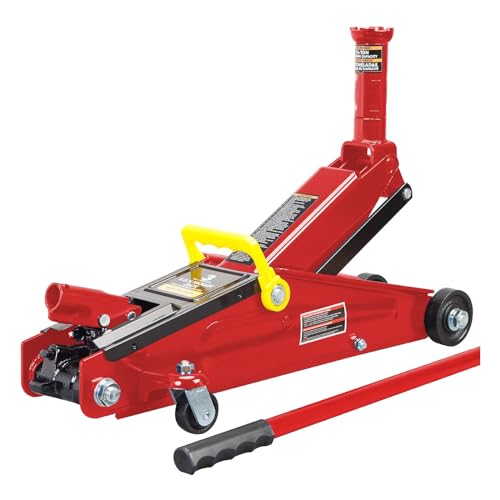
Reliable Floor Jacks on a Budget: Best Picks for Under $150
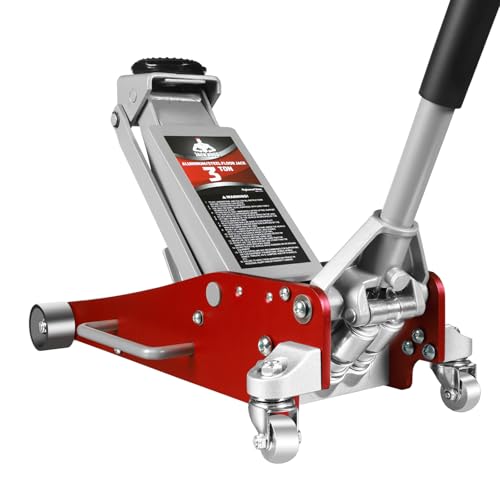
Top-Rated Floor Jacks Over $100: Built for Professionals, Priced for Smart Buyers
If you want to know other articles similar to 10 Best Times to Rotate Your Car Tires you can visit the Tire Care and Rotation category.
Top Tire Rotation Patterns for SUV Maintenance

Why Does Skipping Tire Rotation Harm Your Car?

How Often to Rotate Tires on All-Wheel Drive

Why Do Your Tires Show Signs of Needing Care?

What Tire Maintenance Checklist Should New Owners Follow?

7 Tips to Save on Local Tire Rotation Costs

How to Rotate Your Car Tires Yourself

Essential Tire Maintenance Tips for Winter Driving
Leave a Reply
This is also interesting