











What Tire Maintenance Checklist Should New Owners Follow?


You should check tire pressure monthly using a reliable gauge when tires are cold, matching the pressure to your vehicle’s specifications.
Inspect tread depth regularly to verify safe grip and look for uneven wear or damage.
Rotate tires every 6,000 to 8,000 miles to promote even wear, and keep wheel balance and alignment in check for smooth operation.
When replacing tires, choose ones that match your vehicle’s size and load rating.
Stay attentive to spare tire condition as well.
Following these steps sets a strong foundation for longer tire life and safer driving, and there’s more to optimizing tire care.
Table
- Main Points
- Check Tire Pressure Regularly
- Inspect Tire Tread Depth and Condition
- Rotate Tires at Recommended Intervals
- Ensure Proper Tire Balancing and Wheel Alignment
- Choose Matching Replacement Tires
- Maintain and Monitor Spare Tire Condition
- Adapt Driving Habits to Preserve Tire Life
- Frequently Asked Questions
- Final Thoughts
Main Points
- Check tire pressure monthly using a reliable gauge when tires are cold; inflate to manufacturer’s recommended levels.
- Inspect tire tread depth monthly with the penny test or tread wear indicators; replace tires if tread is worn out.
- Rotate tires every 6,000 to 8,000 miles following the owner’s manual rotation pattern to ensure even wear.
- Have tires professionally balanced and check wheel alignment regularly, especially after impacts like potholes.
- Match replacement tires exactly to original size, speed rating, and load capacity; replace tires in pairs or all four.
Check Tire Pressure Regularly

You should always check your tire pressure at least once a month to prevent tire failure and maintain peak vehicle performance. Refer to your vehicle owner’s manual or the tire placard on the driver’s side door jamb for the precise tire pressure specifications. Use a reliable tire pressure gauge to measure air pressure when the tires are cold, ideally before driving, ensuring accuracy. If the pressure is below the recommended level, add air promptly. Even if your vehicle has a Tire Pressure Monitoring System (TPMS), this checklist to help keep you proactive. Incorporating tire pressure checks into your routine car maintenance empowers you to avoid unexpected issues, enhancing safety and efficiency. Take control of your vehicle’s health by making tire pressure monitoring a consistent habit.
 Why Do Your Tires Show Signs of Needing Care?
Inspect Tire Tread Depth and Condition

Regularly inspecting tire tread depth and condition is essential for maintaining safe driving performance. You should inspect tread depth monthly using the penny test; confirm Lincoln’s head is partially covered, indicating at least 2/32″ tread remains for safe traction. Check for built-in tread wear indicators—when these wear bars align flush with the tread surface, it’s time to replace the tire. Carefully examine the tire for irregular tire wear patterns, such as uneven tread wear or high/low spots, which may signal alignment or balance issues. Look for embedded objects, cuts, or punctures that could compromise integrity. Document your findings during each inspection to track tread wear trends over time. Incorporating this tire maintenance routine into your vehicle maintenance schedule confirms safer, more reliable performance on the road.
Rotate Tires at Recommended Intervals

Tire rotation every 6,000 to 8,000 miles promotes even tread wear and extends the overall lifespan of your tires. To maximize vehicle performance and fuel efficiency, you must rotate tires at these recommended intervals. Check your owner’s manual for the specific rotation pattern suited to your vehicle. Early rotation addresses uneven wear, preventing premature tire damage and preserving safety.
| Interval (miles) | Purpose | Benefit |
|---|---|---|
| 6,000 - 8,000 | Rotate tires regularly | Even tread wear |
| Early inspection | Detect uneven wear | Prevents further damage |
| Pre-rotation | Fix misalignment | Maximizes rotation effect |
Ensure Proper Tire Balancing and Wheel Alignment

Although maintaining proper tire balance and wheel alignment may seem routine, these procedures are critical for smooth vehicle operation and tire longevity. You must confirm professional installation of new tires to achieve accurate tire balancing, which minimizes vibrations and prevents uneven tire wear. Regularly checking wheel alignment keeps your vehicle tracking straight, preventing the car from pulling to one side—a common cause of premature tire degradation. After impacts like potholes or curbs, inspect both balance and alignment to maintain ideal tire performance. Consult your vehicle owner's manual for recommended intervals to schedule these checks. By prioritizing tire balancing and wheel alignment, you liberate your driving experience from avoidable handling issues and extend the lifespan of your tires, confirming efficient, safe, and comfortable travel.
Choose Matching Replacement Tires

When choosing replacement tires, make certain they match the original tire size exactly to maintain proper fit and performance. You also need to verify the speed rating and load capacity align with your vehicle’s specifications to guarantee safety and handling. Refer to your owner’s manual or the tire placard on the driver’s door jamb for accurate details.
Tire Size Compatibility
One critical step in maintaining your vehicle's performance and safety is ensuring replacement tires precisely match the original size specified by the manufacturer. Check the tire placard on the driver’s side door jamb or consult the owner’s manual to identify the correct tire size. When selecting tires, remember to:
- Match the replacement tires exactly to the size indicated by the vehicle manufacturer to maintain handling and safety.
- Replace all four tires simultaneously or at least two of the same brand and type to preserve balance and traction.
- Verify your spare tire matches the vehicle’s specifications and is properly inflated for emergencies.
Using these guidelines liberates you from guesswork, ensuring your tires deliver maximum performance without compromise.
Speed and Load Ratings
Two critical specifications you must match when choosing replacement tires are speed and load ratings. The speed rating, marked by a letter, indicates the maximum speed your tire can safely handle, while load ratings specify the maximum weight capacity per tire. Ignoring these can increase the risk of tire failure, compromising your vehicle's safety and performance. Always consult your vehicle’s owner manual or tire placard to find the correct specifications. Here’s a quick reference:
| Rating Type | Example | Meaning |
|---|---|---|
| Speed Rating | H | Max speed 130 mph |
| Load Rating | 95 | Supports up to 1,477 lbs |
| Importance | Critical | Avoid lower specs to prevent tire failure |
In your tire maintenance checklist, matching these guarantees your replacement tires liberate you from safety concerns.
 How Often to Rotate Tires on All-Wheel Drive
Maintain and Monitor Spare Tire Condition
Properly maintaining and monitoring your spare tire guarantees it's reliable when you need it most. Spare tires often get overlooked, but they must be kept in good condition to avoid failure during emergencies. Follow these essential steps:
- Check the spare tire’s air pressure monthly to confirm proper inflation, preventing unexpected blowouts.
- Inspect for visible signs of wear, such as cracks or bulges, which indicate deterioration even if unused.
- Rotate the spare tire into regular use every six months and store it in a cool, dry place to maintain integrity.
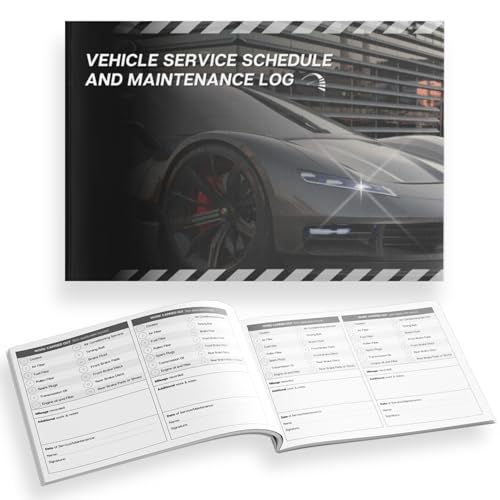
Also, document all inspections and maintenance in your vehicle’s maintenance records. This disciplined approach guarantees your spare tires remain dependable, empowering your freedom on the road without compromise.
Adapt Driving Habits to Preserve Tire Life
Keeping your spare tire in good condition is only part of extending the overall life of your tires. To preserve tire tread and performance, you must adapt your driving habits. Regularly monitor tire pressure at least once a month to maintain ideal inflation, enhancing fuel efficiency and preventing uneven wear. Adjust your speed and style based on driving conditions—avoid hard braking, rapid acceleration, and rough roads to reduce premature damage. Schedule tire rotations every 6,000 to 8,000 miles to guarantee uniform tread wear across all tires. Additionally, maintain proper alignment and balance; misalignment accelerates uneven wear and shortens tire lifespan. By integrating these habits, you liberate yourself from frequent tire replacements and maximize your investment in tire durability and safety.
Frequently Asked Questions
What Is the Proper Maintenance of Tires?
You should regularly check tire pressure and tread depth, perform rotation every 6,000-8,000 miles, schedule alignment checks, adapt to seasonal changes, and conduct visual inspections to guarantee peak tire performance and safety.
What Is the Maintenance Schedule for Tires?
Like clockwork in a steam engine, you should perform air pressure checks monthly, rotate tires every 6,000-8,000 miles, measure tread depth regularly, adjust alignment as needed, swap tires seasonally, and watch for replacement indicators.
What Is the Car Maintenance Schedule You Should Follow?
You should follow a car care schedule focusing on tire lifespan, oil changes, and brake inspections. These maintenance tips enhance vehicle longevity, driving safety, and honor your owner responsibilities, empowering you to maintain freedom on the road.
What Is the Maintenance Checklist?
You should regularly check tire pressure, tread depth, and perform tire rotation every 6,000-8,000 miles. Include alignment checks, address puncture repair promptly, and adjust maintenance for seasonal changes to guarantee safety and tire longevity.
Final Thoughts
By following this tire maintenance checklist, you’ll keep your tires in top shape and extend their lifespan. Regularly checking pressure, tread depth, and alignment isn’t just routine—it’s the lifeline your tires need to perform safely and efficiently. Think of your tires as the shoes for your vehicle; well-maintained ones guarantee a smooth, stable ride. Stay proactive, rotate and balance them as recommended, and you’ll save money while driving with confidence every mile.
 Why Does Skipping Tire Rotation Harm Your Car?
Reliable Floor Jacks on a Budget: Best Picks for Under $150
Top-Rated Floor Jacks Over $100: Built for Professionals, Priced for Smart Buyers
If you want to know other articles similar to What Tire Maintenance Checklist Should New Owners Follow? you can visit the Tire Care and Rotation category.
Top Tire Rotation Patterns for SUV Maintenance

10 Best Times to Rotate Your Car Tires

Why Does Skipping Tire Rotation Harm Your Car?

How Often to Rotate Tires on All-Wheel Drive

Why Do Your Tires Show Signs of Needing Care?

7 Tips to Save on Local Tire Rotation Costs

How to Rotate Your Car Tires Yourself

Essential Tire Maintenance Tips for Winter Driving
Leave a Reply
This is also interesting