











Why Does Skipping Tire Rotation Harm Your Car?


If you skip tire rotation, your tires will wear unevenly, compromising vehicle handling and stability.
Uneven wear increases the risk of blowouts and hydroplaning by reducing tread depth where it’s needed most. It also causes excessive heat buildup, accelerating tire degradation and risking tread separation.
This drastically shortens tire lifespan—sometimes by up to 25%—and hikes maintenance costs.
Understanding these impacts helps you protect your car’s performance and safety going forward.
Table
- Main Points
- Uneven Tire Wear Patterns
- Impact on Vehicle Handling and Stability
- Increased Risk of Tire Blowouts
- Accelerated Heat Buildup in Tires
- Compromised Traction in Wet Conditions
- Greater Likelihood of Hydroplaning
- Reduced Tire Lifespan and Premature Replacement
- Higher Maintenance and Replacement Costs
- Safety Hazards Associated With Neglected Tires
- Manufacturer Recommendations for Tire Rotation Frequency
- Frequently Asked Questions
- Final Thoughts
Main Points
- Skipping tire rotation causes uneven tread wear, reducing tire lifespan and requiring premature replacements.
- Uneven wear impairs vehicle handling, causing steering drift and decreased stability.
- Worn tires increase the risk of blowouts and hydroplaning, compromising safety.
- Uneven wear leads to heat buildup, accelerating tire degradation and risking tread separation.
- Ignoring rotation raises maintenance costs and may void tire warranties.
Uneven Tire Wear Patterns

Although you might not notice it immediately, skipping tire rotation causes uneven tire wear patterns that compromise your vehicle’s stability and handling. Different forces act on tires depending on their position—front vs. rear, inside vs. outside—leading to uneven wear. For example, front-wheel-drive cars wear front tires faster, while rear-wheel-drive vehicles show more rear tire wear. Common tread wear patterns from neglect include edge wear, feathering, and cupping. These worn tires develop irregular surfaces that deepen damage over time. Without regular tire rotation, tread wear concentrates in fixed spots, accelerating deterioration and making tires unsafe. This uneven wear not only shortens tire lifespan but also risks costly replacements. Rotating tires liberates your vehicle from premature wear, ensuring tread wears uniformly and optimizes tire longevity.
Impact on Vehicle Handling and Stability

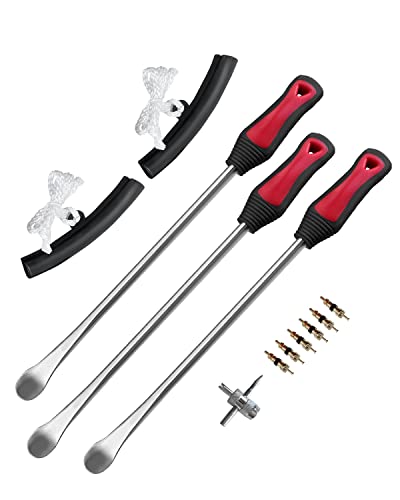
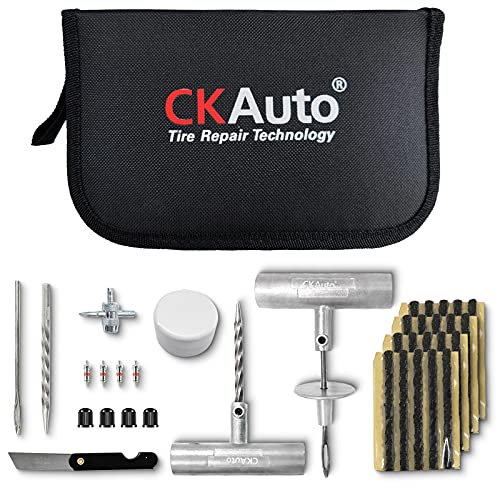
When you skip tire rotation, uneven tread wear develops, directly impairing your vehicle’s handling and stability. Unevenly worn tires cause your car to drift or pull to one side, compromising steering precision. This discrepancy in tread depth reduces your ability to control the vehicle, especially during sharp turns or emergency maneuvers. Tire rotation balances tread wear, maintaining consistent contact with the road surface, and preserving peak vehicle handling. Without regular rotation, stability suffers as uneven wear increases vibrations and noise, masking underlying mechanical issues. Furthermore, unevenly worn tires diminish traction, particularly in wet conditions, further destabilizing your ride. To regain control and guarantee your vehicle responds swiftly and accurately to your inputs, prioritize timely tire rotation—it's essential for maintaining both safety and driving freedom. Using the proper tire changing kit not only helps facilitate regular rotations but also ensures the process is safe and efficient.
Increased Risk of Tire Blowouts

Uneven tread wear not only undermines your vehicle's handling but also greatly raises the risk of tire blowouts. When you skip tire rotation, certain tires wear down faster, creating weak spots prone to failure. Reduced tread depth diminishes the tire’s ability to withstand road hazards, increasing vulnerability to punctures and sudden blowouts. Studies reveal nearly 25% of tire-related accidents stem from inadequate tread depth, underscoring the critical safety risk. Regular tire rotation guarantees even tread depth, preventing localized wear and maintaining structural integrity. By rotating tires systematically, you distribute stress evenly, minimizing weak points that could trigger blowouts. Taking this simple step liberates you from avoidable dangers, enhancing your vehicle’s safety and your peace of mind on every drive.
Accelerated Heat Buildup in Tires

When you skip tire rotation, uneven tread wear increases friction between your tires and the road, generating excessive heat. This heat concentrates on worn areas, reducing the tires’ ability to dissipate it effectively and accelerating rubber degradation. Over time, this thermal stress can compromise tire integrity, increasing the risk of tread separation and failure.
Friction Effects on Tires
Because skipping tire rotations causes uneven tread wear, you’ll see increased friction between the tire and the road surface, which accelerates heat buildup within the tire. This friction results from the varying tread depths that alter rolling resistance, forcing some tires to work harder and generate more heat. The intensified heat buildup degrades the tire’s internal materials, compromising structural integrity and raising the risk of blowouts. Without regular tire rotation, these friction disparities persist, amplifying thermal stress and hastening tread separation. By maintaining even tread wear through consistent tire rotation, you regulate friction levels and mitigate excessive heat buildup. This control preserves tire durability, enhances safety, and ultimately frees you from premature tire failures that could limit your vehicle’s performance and your driving freedom.
 10 Best Times to Rotate Your Car Tires
Cooling Limitations From Wear
If you skip tire rotations, your tires won't cool as efficiently due to restricted airflow caused by uneven tread wear. This unevenness accelerates heat buildup, weakening tire materials and increasing the risk of tread separation. Without proper tire rotation, worn tires lose their ability to dissipate heat through grooves, intensifying internal temperatures and compromising safety.
| Factor | Effect | Result |
|---|---|---|
| Uneven tread wear | Restricts airflow around tires | Increased heat buildup |
| Reduced tread depth | Limits heat dissipation | Material degradation |
| Heat buildup | Weakens tire structure | Tread separation risk |
| Lack of tire rotation | Accelerates uneven wear | Safety compromised |
Regular tire rotation liberates your vehicle from these cooling limitations, preserving tire integrity and enhancing performance.
Heat-Related Tire Damage
Neglecting to rotate your tires causes uneven tread wear that increases friction between the tire surface and the road, accelerating heat buildup during operation. This excess heat compromises the tire’s structural integrity, heightening the risk of tread separation and catastrophic failures like blowouts. Uneven tread wear restricts airflow essential for cooling, which compounds heat accumulation at specific points. By skipping tire rotation, you allow these hot spots to develop unchecked, drastically reducing tire longevity. Regular tire rotation guarantees even tread wear, promoting balanced friction and effective heat dissipation. This disciplined maintenance not only safeguards your tires from accelerated heat damage but also liberates you from unexpected tire failures, preserving both your vehicle’s performance and your safety on the road. Prioritize tire rotation to maintain peak tire health and resilience.
Compromised Traction in Wet Conditions

When you skip tire rotation, uneven tread wear develops, which drastically reduces your tires' ability to channel water away during wet conditions. This uneven wear compromises traction by decreasing the effective tread depth, essential for dispersing water and maintaining grip on slick surfaces. Without consistent tire rotation, some tires bear excessive stress, accelerating tread degradation and limiting water evacuation channels. Reduced traction in wet conditions undermines your vehicle’s handling precision and braking efficiency, increasing risk during maneuvers. Furthermore, uneven tread patterns generate localized heat buildup, further degrading rubber compounds critical for wet grip. Maintaining regular tire rotation guarantees uniform tread wear, preserving peak traction and safety. By neglecting this maintenance, you surrender control and expose yourself to avoidable hazards every time rain hits the road.
Greater Likelihood of Hydroplaning
Uneven tread wear not only diminishes traction but also considerably raises your risk of hydroplaning. Skipping tire rotation causes specific tire areas to wear faster, reducing tread depth unevenly and compromising water channeling. This leads to three critical issues:
Uneven tread wear from skipped rotations reduces grip and greatly increases hydroplaning risk on wet roads.
- Reduced tread grooves lessen water displacement, allowing water to accumulate beneath the tire.
- Thin tread spots lose grip quickly on wet surfaces, making hydroplaning more likely.
- Tires with less than 4/32 inch tread depth dramatically increase hydroplaning risk.
Reduced Tire Lifespan and Premature Replacement
Since tire rotation balances wear across all tires, skipping this maintenance step can cut your tires' lifespan by up to 25%, forcing premature replacements. When you neglect tire rotation, uneven tire wear accelerates, creating irregular wear patterns like excessive edge or center degradation. This uneven tire wear diminishes tread depth inconsistently, causing some tires to become irreparable far sooner. Instead of reaching the typical 40,000 to 70,000 miles, your tires may need replacement as early as 20,000 to 30,000 miles. By ignoring tire rotation, you compromise tire integrity and waste the full usage potential embedded in your tires' design. Regular tire rotation guarantees wear patterns distribute evenly, protecting your investment and liberating you from premature replacement cycles that limit your vehicle’s performance and safety.
Higher Maintenance and Replacement Costs
If you skip tire rotations, uneven wear accelerates tire degradation, forcing you to replace them prematurely—costing several hundred dollars per set. This uneven wear also strains suspension components, potentially leading to repair bills exceeding $1,000. Additionally, frequent tire replacements and repairs add up, increasing your overall vehicle maintenance expenses considerably.
Premature Tire Wear
When you skip regular tire rotations, certain tires wear down faster due to uneven stress distribution, leading to premature deterioration such as cupping, feathering, or edge wear. This premature tire wear results from uneven tire wear patterns that tire rotation helps prevent. You should understand three critical impacts of neglecting tire rotation:
- Uneven tire wear patterns force some tires to fail early, demanding costly replacements sooner than expected.
- Premature wear can compromise vehicle handling and safety, increasing your maintenance costs with added services like wheel alignment and balancing.
- Skipping tire rotation reduces tire lifespan by up to 25%, escalating your overall expenses on tires and upkeep.
Regular tire rotation is a precise, necessary strategy to liberate yourself from unnecessary maintenance costs and maximize tire longevity.
 Top Tire Rotation Patterns for SUV Maintenance
Increased Repair Expenses
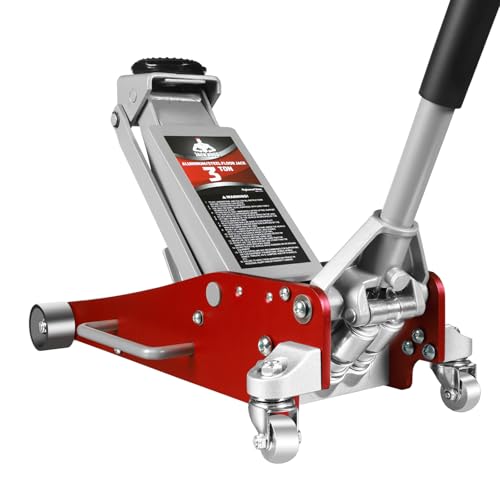
Neglecting regular tire rotation doesn’t just accelerate tire wear—it also drives up your repair expenses by causing uneven wear patterns that force premature replacements. These uneven wear patterns compromise tire integrity, reducing lifespan by up to 25% and escalating your financial impact. As tires degrade unevenly, you might face costly alignment adjustments, typically ranging from $75 to $100, to correct handling issues. Additionally, the imbalance stresses suspension components, potentially leading to repairs exceeding $500. Ignoring tire rotation consequently amplifies increased repair expenses by not only hastening tire deterioration but also triggering secondary maintenance needs. Maintaining a disciplined tire rotation schedule is essential to mitigate these financial burdens and preserve your vehicle’s overall performance, offering you liberation from preventable, excessive maintenance costs. Investing in proper equipment, such as low profile jack stands, can make home tire rotation safer and more accessible for vehicle owners.
Frequent Tire Replacements
Skipping tire rotations directly causes uneven tread wear, which greatly reduces your tires' lifespan and forces replacements as often as every 20,000 to 30,000 miles, compared to the typical 50,000 to 70,000 miles. This leads to frequent tire replacements, escalating your maintenance costs considerably. Here’s why consistent tire rotation is essential:
- Uneven tread wear accelerates tire degradation, demanding replacements twice as often, increasing both material and labor expenses.
- Skipping rotations causes misalignment and imbalance, requiring more frequent adjustments that add to your maintenance costs.
- Replacing tires prematurely can cost $100 to $300 per tire, adding up to substantial financial burden over time.
Safety Hazards Associated With Neglected Tires
Because uneven tire wear drastically reduces tread depth, you face a considerably higher risk of hydroplaning on wet roads, as your tires can't channel water effectively. Skipping tire rotation leads to uneven tread wear, creating a critical safety hazard. Worn tires compromise your vehicle’s handling, causing difficulty in steering and braking, which greatly raises accident risk. Neglected tire maintenance results in excessive friction and heat buildup, increasing the chance of tread separation or blowouts. Vehicles with unevenly worn tires often experience instability, drifting, or pulling to one side, further threatening your control and safety. By failing to rotate tires regularly, you invite dangerous tire failures and reduce your car’s performance, directly endangering yourself and others on the road.
Manufacturer Recommendations for Tire Rotation Frequency
Many vehicle manufacturers recommend rotating your tires every 6,000 to 7,500 miles to guarantee even tread wear and maximize tire lifespan. Following these manufacturer recommendations is essential to maintaining peak vehicle handling and safety. Here’s why you should adhere strictly to the schedule:
- Preserve even wear: Tires wear unevenly depending on their position and drivetrain; rotation balances this, extending tire life.
- Maintain vehicle handling: Regular rotation guarantees stable traction and balanced handling, vital for control and safety.
- Protect warranty coverage: Ignoring rotation intervals can void tire warranties, costing you premature replacement expenses.
Manufacturers often specify rotation patterns tailored to your vehicle’s drivetrain and driving conditions. By respecting these guidelines, you liberate yourself from unnecessary repairs and retain your car’s designed performance integrity.
Frequently Asked Questions
Is It Bad to Skip Tire Rotation?
Yes, skipping tire rotation accelerates tire wear and creates uneven tread patterns, compromising vehicle safety. You’ll face higher maintenance costs and reduced tire lifespan, so regular rotation’s essential to keep your car performing reliably and safely.
How Long Can Tires Go Without Being Rotated?
You can go about 5,000 to 7,500 miles without rotating tires, but your rotation schedule should adjust based on your driving habits. Proper rotation prevents uneven tire wear and maintains ideal vehicle performance.
Do Cars Really Need Tire Rotation?
Yes, you do need tire rotation to manage tire wear evenly. Ignoring it disrupts your maintenance schedule, causing performance impact and safety concerns by compromising traction, handling, and increasing uneven tread degradation risks.
What Happens if I Wait Too Long to Rotate My Tires?
If you wait too long to rotate your tires, uneven tire wear accelerates, triggering performance issues and alignment problems. This imbalance compromises safety, so rotating promptly frees you from costly repairs and unsafe driving conditions.
Final Thoughts
Skipping tire rotation might save you a few minutes now, but it sets you up for uneven wear, compromised traction, and costly replacements down the road. While your tires may look fine at a glance, beneath the surface, heat builds up and stability declines, increasing blowout risks. By neglecting this simple maintenance, you trade long-term safety and performance for short-term convenience—a choice that can ultimately cost you more in repairs and, more importantly, your peace of mind.
 Essential Tire Maintenance Tips for Winter Driving
Reliable Floor Jacks on a Budget: Best Picks for Under $150
Top-Rated Floor Jacks Over $100: Built for Professionals, Priced for Smart Buyers
If you want to know other articles similar to Why Does Skipping Tire Rotation Harm Your Car? you can visit the Tire Care and Rotation category.
Top Tire Rotation Patterns for SUV Maintenance

10 Best Times to Rotate Your Car Tires

How Often to Rotate Tires on All-Wheel Drive

Why Do Your Tires Show Signs of Needing Care?

What Tire Maintenance Checklist Should New Owners Follow?

7 Tips to Save on Local Tire Rotation Costs

How to Rotate Your Car Tires Yourself

Essential Tire Maintenance Tips for Winter Driving
Leave a Reply
This is also interesting