













What Tools Are Needed for Spark Plug Replacement?


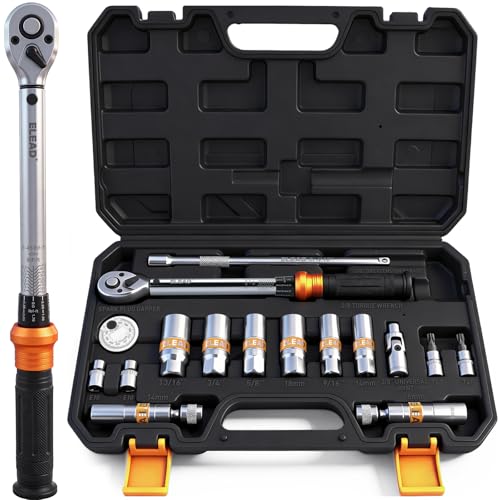
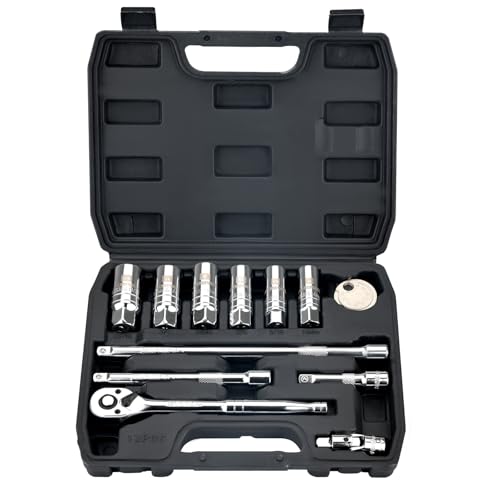
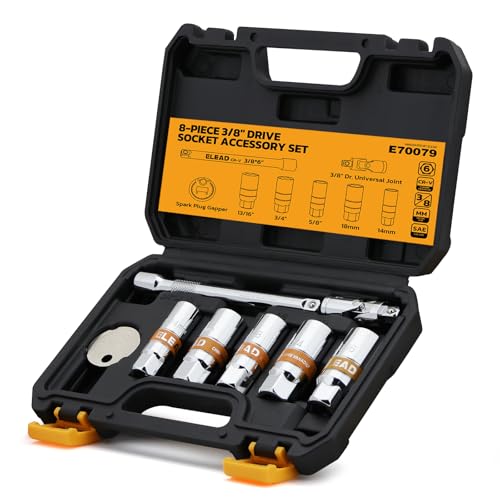
You'll need a spark plug socket with a rubber insert to grip plugs securely, a torque wrench for precise tightening, and a gap gauge to set electrode spacing correctly.
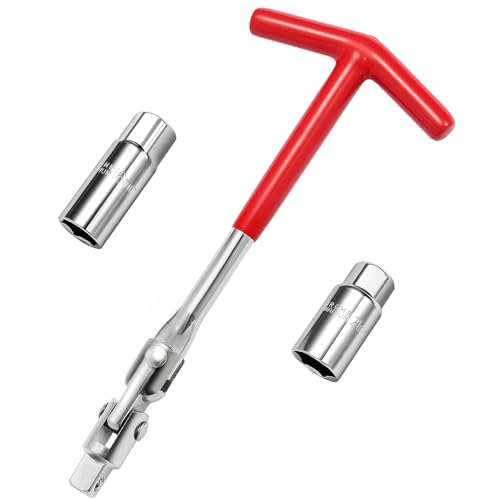
A flexible handle ratchet or swivel socket helps access tight engine spaces, while anti-seize prevents thread seizure and boot grease protects connectors.
Plug boot pliers ease wire removal without damage. Using these specialized tools guarantees efficient, safe replacements.
Keep exploring to master proper spark plug maintenance techniques.
Table
- Main Points
- When to Replace Spark Plugs
- Identifying Signs of Worn Spark Plugs
- Essential Spark Plug Replacement Tools
- Benefits of Using a Flexible Handle Ratchet
- Importance of a Spark Plug Gap Gauge
- How to Use a Torque Wrench Correctly
- Additional Tools for Spark Plug Maintenance
- Choosing the Right Spark Plug Socket
- Using Anti-Seize and Boot Grease for Longevity
- Replacing Spark Plug Wires and Ignition Components
- Frequently Asked Questions
- Final Thoughts
Main Points
- Use a spark plug socket with rubber insert to securely grip and remove the spark plug without damage.
- A torque wrench is essential to tighten spark plugs to manufacturer specifications accurately.
- A spark plug gap gauge measures and adjusts the electrode gap for optimal engine performance.
- Plug boot puller pliers help detach spark plug wire boots without damaging them.
- Apply anti-seize lubricant on threads to prevent spark plugs from seizing in the cylinder head.
When to Replace Spark Plugs

When should you replace your spark plugs? You should plan spark plug replacement every 20,000 to 30,000 miles, though some modern plugs last up to 100,000 miles. To avoid engine issues, always consult your owner’s manual for manufacturer-specific intervals and specifications. Spark plugs need timely replacement to maintain ideal engine performance, fuel efficiency, and emissions control. Neglecting this vital step in regular maintenance risks misfires, rough idling, and ignition failures that can leave you stranded. By adhering to a precise schedule outlined in the owner’s manual, you liberate yourself from preventable mechanical setbacks. Stay proactive about spark plug replacement to keep your engine running smoothly and extend its longevity.
Identifying Signs of Worn Spark Plugs

Replacing spark plugs according to your vehicle’s schedule helps maintain engine performance, but recognizing worn spark plugs before that interval can prevent unexpected issues. You should watch for engine misfires, which often cause rough engine idling and reduce acceleration efficiency. If the check engine light illuminates, it may signal failing spark plugs; perform a diagnostic scan to confirm. Difficulty starting your vehicle’s engine, especially after it’s been idle, also suggests spark plugs aren’t firing correctly. Additionally, notice any vibrations or fluctuations in RPM during idling—these indicate spark plug wear. Ignoring these signs can lead to increased emissions and potential engine damage. By identifying worn spark plugs early, you liberate yourself from costly repairs and maintain your vehicle’s reliability.
Essential Spark Plug Replacement Tools

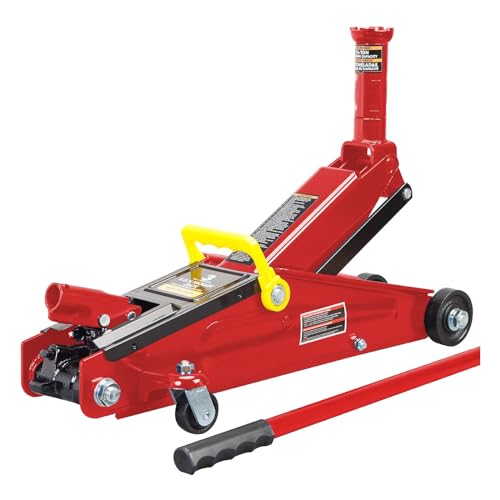
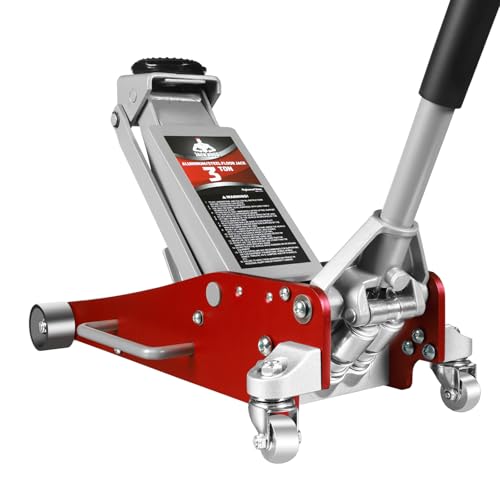
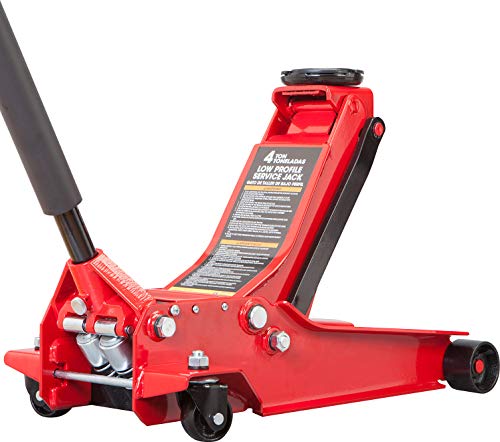
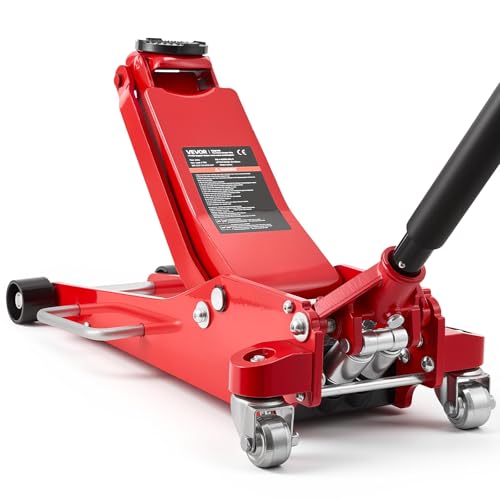
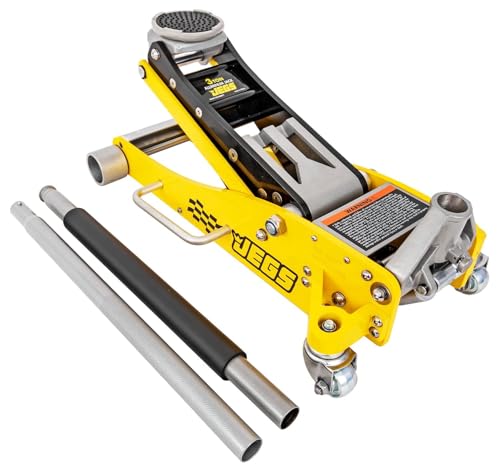
Five essential tools streamline spark plug replacement, ensuring safety and accuracy throughout the process. First, the spark plug socket with a rubber insert securely grips the plug, preventing damage during removal and installation. Next, a torque wrench guarantees you tighten the plugs to manufacturer specifications, avoiding over-tightening or loosening. Use a spark plug gap gauge to precisely measure and adjust the electrode gap, optimizing engine performance. To safely detach stubborn wire boots without damage, employ plug boot puller pliers for efficient removal. Finally, apply anti-seize lubricant on spark plug threads to prevent bonding with the cylinder head, facilitating easier future removal—remember to reduce torque by about 10% when using it. For those considering working on low-profile vehicles, having a low profile floor jack can provide safe and reliable access to the engine bay. Equipped with these tools, you gain control and precision, liberating your maintenance process.
Benefits of Using a Flexible Handle Ratchet

A flexible handle ratchet offers several key advantages that make spark plug replacement more efficient and manageable. Its flexible handle design grants multiple angles of access, allowing you to reach spark plugs tucked in tight engine spaces without strain. This flexibility improves removal speed and control, minimizing the risk of damaging threads during installation. Combining the flexible handle with swivel sockets further enhances access, letting you navigate around engine components smoothly. By providing better leverage, the flexible handle ratchet guarantees precise torque application, preventing over-tightening or stripping. Using this tool liberates you from awkward positioning and inefficient methods, streamlining the entire spark plug change process with greater ease and professionalism. Embracing a flexible handle ratchet is essential for anyone seeking peak control and efficiency in spark plug maintenance. For even more accuracy and longevity in your tool kit, many professionals also recommend considering precision and durability when selecting your torque wrench.
Importance of a Spark Plug Gap Gauge

Although it might seem minor, ensuring the correct gap between spark plug electrodes is essential for ideal ignition and engine performance. You need a spark plug gap gauge to measure and set this critical distance precisely, ensuring peak ignition and consistent engine performance. The gauge helps you confirm the gap meets manufacturer specifications, typically between 0.028 to 0.060 inches.
 Why Replace Ford F150 Spark Plugs Regularly?
Use the gap gauge to:
- Verify the correct distance for efficient combustion and improved fuel economy.
- Prevent engine misfires, hard starts, and rough idling caused by improper gapping.
- Extend spark plug life and maintain vehicle reliability through regular checks.
How to Use a Torque Wrench Correctly
Guaranteeing the correct spark plug gap is only part of the process; tightening the spark plugs to the proper torque is equally important to maintain engine integrity and performance. Begin by setting your torque wrench to the manufacturer’s specified torque, typically measured in foot-pounds or Newton-meters. Make sure your torque wrench is calibrated and zeroed before use to measure torque accurately. When tightening spark plugs, apply smooth, steady pressure—avoid jerking motions that can skew readings. Stop tightening once the torque wrench signals, often by a click or beep, indicating the set torque is reached. Over-tightening compromises threads and performance. Regularly check and recalibrate your torque wrench as recommended to guarantee consistent accuracy during spark plug maintenance and achieve reliable, precise tightening every time. For even greater accuracy and reliability, consider using a wrench with proven performance insights and regular calibration checks to ensure optimal results.
Additional Tools for Spark Plug Maintenance
When performing spark plug maintenance, you'll need more than just a torque wrench to achieve ideal results. To maintain peak ignition system performance, consider these essential tools and materials:
- Anti-seize lubricant: Apply to spark plug threads to prevent seizing in the cylinder head, reducing torque requirements by about 10%.
- Spark plug boot grease: Use dielectric grease on spark plug boots to enhance sealing, prevent high voltage flashovers, and ease future removal.
- Inspection tools for spark plug wires and distributor caps: Replace deteriorated spark plug wires to avoid arcing and misfires, and carefully inspect distributor caps for wear that could degrade electrical flow.
For the most accurate installation, using a click torque wrench ensures the spark plugs are tightened to the manufacturer's specifications, preventing both under- and over-tightening. Incorporating these alongside torque wrenches liberates you to perform precise, reliable spark plug maintenance every time.
Choosing the Right Spark Plug Socket
You need to select a spark plug socket that matches your plug size, typically 5/8 or 13/16 inch, to guarantee a secure fit. Opt for sockets with a rubber insert to grip the plug firmly and prevent damage during removal. A swivel design can also help you reach plugs in tight or angled spaces more effectively.
Socket Size and Fit
Two common spark plug socket sizes you'll encounter are 5/8 inch and 13/16 inch, chosen based on your vehicle's specifications. Selecting the correct spark plug socket size is crucial to avoid damaging the spark plug or engine components during installation and removal. Here's how to guarantee a precise fit:
- Verify your vehicle’s spark plug specifications in the owner’s manual to determine the appropriate socket size.
- Use spark plug sockets with rubber inserts or magnetic grips to secure the plug firmly, reducing the risk of dropping or damaging it.
- Employ a socket extension when accessing recessed spark plugs, improving leverage and control during the replacement process.
Adhering to these guidelines liberates you from guesswork, guaranteeing efficient, damage-free spark plug maintenance.
Swivel Design Benefits
Although accessing spark plugs in tight engine compartments can be challenging, a socket with a swivel design simplifies the task by providing enhanced maneuverability. This swivel design allows your spark plug socket to pivot, granting access to plugs positioned in tight spaces without forcing awkward angles. You'll reduce the risk of damaging nearby components while gaining the flexibility to work efficiently in confined areas. Compared to rigid sockets, this increased maneuverability minimizes tool repositioning, speeding up the removal and installation process. Choosing a swivel spark plug socket guarantees you operate with precision and control, especially when space constraints limit your movement. Embracing this tool liberates you from frustration and inefficiency, empowering you to complete spark plug replacements smoothly and accurately. Like ergonomically designed handles found in quality equipment, a swivel spark plug socket enhances comfort and control, making difficult maintenance jobs easier and safer.
Rubber Insert Function
A rubber insert within a spark plug socket securely grips the plug, preventing it from dropping during removal or installation. This feature is vital when you remove spark plugs from deep, narrow wells. The rubber insert absorbs vibrations, reducing the risk of spark plug breakage and potential engine damage. When you replace spark plugs, using a socket with a properly sized rubber insert guarantees a snug fit and smooth operation. Keep these points in mind:
- Choose a spark plug socket with a rubber insert sized for your specific spark plug type.
- The rubber insert prevents accidental drops, protecting both the plug and engine components.
- It cushions vibrations to minimize spark plug damage during removal or installation.
Selecting the right socket liberates you from costly mistakes and engine harm.
 What Are the Best Spark Plugs for High Mileage Cars?
Using Anti-Seize and Boot Grease for Longevity
Apply a thin layer of anti-seize to the spark plug threads to prevent seizure and ease future removal, but reduce your torque by about 10% to compensate. Use boot grease on the spark plug boots to prevent moisture ingress and electrical flashovers while ensuring easy disconnection later. Both lubricants protect components and simplify maintenance when used sparingly and correctly.
Benefits of Anti-Seize
Using anti-seize lubricant on spark plug threads prevents them from bonding to the cylinder head, making future removal simpler and reducing the risk of breakage during extraction. When you apply anti-seize, keep these benefits in mind:
- It lowers the recommended torque by roughly 10%, so use a torque wrench to avoid over-tightening and damaging the threads or spark plug.
- Anti-seize facilitates smooth spark plug removal, saving time and effort during maintenance or repairs.
- Combined with boot grease (dielectric grease), it enhances longevity by protecting ignition components from corrosion and electrical issues.
Incorporating anti-seize lubricant and boot grease improves your engine’s performance and reliability while liberating you from the hassle of stuck spark plugs and degraded connections.
Applying Boot Grease
Two essential lubricants—anti-seize and dielectric boot grease—play crucial roles in spark plug maintenance and longevity. Apply anti-seize lubricant sparingly to the spark plug threads before installation to prevent seizing in the cylinder head. Remember to reduce the recommended torque by about 10% when tightening to avoid over-torquing and thread damage. Next, coat the inside of the spark plug boots with boot grease. This enhances the electrical connection while preventing high voltage flashovers, guaranteeing consistent ignition performance. Boot grease also eases future removal of spark plug boots, minimizing wire or connector damage during maintenance. Avoid applying any grease on the electrode or porcelain surfaces, as this can degrade spark efficiency and engine performance. Proper use of these lubricants liberates you from costly repairs and guarantees reliable ignition over time.
Maintenance and Protection
Although spark plug replacement might seem straightforward, maintaining their longevity requires careful attention to anti-seize and boot grease application. To protect your ignition system and guarantee spark plugs perform at their best, follow these steps during regular maintenance:
- Apply a thin layer of anti-seize lubricant on spark plug threads. This prevents bonding to the cylinder head and eases future removal. Remember to reduce torque by about 10% to avoid over-tightening.
- Use dielectric spark plug boot grease on the boots. This enhances sealing, prevents high voltage flashovers, and facilitates easier disconnection.
- Confirm boot grease coverage keeps moisture out. This step prevents corrosion and extends ignition system lifespan.
Replacing Spark Plug Wires and Ignition Components
Several key components require inspection and possible replacement when maintaining your ignition system. Start by examining spark plug wires for cracks or fraying; damaged wires disrupt ignition and lower fuel efficiency. Use premium spark plug wire sets to guarantee peak performance and prevent arcing. Check the distributor cap and rotor for wear or carbon tracking—replace them promptly to maintain electrical flow. For coil on plug systems, inspect COP boots; damaged boots must be swapped to secure high-voltage connections and avoid misfires. Employ wire loom spacers to keep spark plug wires properly spaced, minimizing interference. The essential tools needed to change these components include a spark plug wire puller, socket wrench set, and dielectric grease applicator. Proper maintenance of ignition coils and related parts liberates your engine’s power and efficiency.
Frequently Asked Questions
What Tools Do I Need to Replace Spark Plugs?
You’ll need a spark plug socket, torque wrench, and gap gauge to match spark plug types and set the spark plug gap precisely. Follow installation techniques and maintenance tips to boost engine performance and guarantee reliable ignition.
What Is Required to Change Spark Plugs?
Spark plug types shape your engine's strength; select wisely. Follow precise installation tips and maintain frequency for peak engine performance. Troubleshoot issues promptly to liberate your ride from inefficiency and ignite enduring power.
What Socket Do You Need to Change Spark Plugs?
You'll need a spark plug socket matching your spark plug types, usually 5/8 or 13/16 inches. Follow torque specifications precisely, use proper installation techniques, and apply maintenance tips to guarantee safe, efficient replacement and engine freedom.
Do Spark Plugs Need a Special Tool?
Like a key fits a lock, you need special tools for spark plug types and materials. Properly adjusting spark plug gap and managing spark plug heat extends spark plug lifespan, ensuring precise, liberated engine performance without damage.
 DIY Guide: Replacing Spark Plugs at Home
Final Thoughts
Replacing spark plugs is like tuning the heartbeat of your engine—precise tools keep it strong and steady. With a flexible handle ratchet, the right socket, and a spark plug gap gauge, you’ll work efficiently without guesswork. Don’t forget anti-seize and boot grease to guard against wear, ensuring smooth connections. Armed with these tools, you’ll maintain peak performance and extend your engine’s life, making spark plug replacement a task you can master confidently.
Reliable Floor Jacks on a Budget: Best Picks for Under $150
Top-Rated Floor Jacks Over $100: Built for Professionals, Priced for Smart Buyers
If you want to know other articles similar to What Tools Are Needed for Spark Plug Replacement? you can visit the Spark Plug Care and Replacement category.
Is It Safe to Drive With Bad Spark Plugs?

5 Best Ways to Spot Bad Spark Plugs

Toyota Camry Spark Plug Replacement Cost Guide

Why Should Beginners Learn Spark Plug Replacement?

5 Signs Your Car Has Faulty Spark Plugs

Honda Civic Spark Plug Replacement: Top 10 Tips

DIY Guide: Replacing Spark Plugs at Home

What Are the Best Spark Plugs for High Mileage Cars?
Leave a Reply
This is also interesting