














Why Should Beginners Learn Spark Plug Replacement?


You should learn spark plug replacement because it directly impacts your engine’s performance, fuel efficiency, and reliability.
Knowing how to spot worn or fouled spark plugs helps prevent misfires and costly repairs. With just a few specialized tools and proper technique, you can confidently maintain your vehicle, saving money on mechanic fees.
Mastering this skill also builds your mechanical knowledge and prepares you for more complex repairs.
Here’s how to get started and do it right.
Table
- Main Points
- Understanding the Role of Spark Plugs in Your Vehicle
- Recognizing Signs That Spark Plugs Need Replacement
- Essential Tools and Materials for Spark Plug Replacement
- Preparing Your Car for Spark Plug Maintenance
- Step-by-Step Process to Remove Old Spark Plugs
- Inspecting and Cleaning Spark Plug Components
- Installing New Spark Plugs Correctly
- Testing Engine Performance After Replacement
- Frequently Asked Questions
- Final Thoughts
Main Points
- Learning spark plug replacement saves money by avoiding costly mechanic fees for a common maintenance task.
- It provides hands-on experience with essential engine components, deepening understanding of vehicle operation.
- Beginners gain confidence in DIY car care, enabling independent troubleshooting of ignition and engine issues.
- The skill promotes timely maintenance, preventing engine misfires, rough idling, and fuel inefficiency.
- Mastery of this task builds a foundation for tackling more complex automotive repairs in the future.
Understanding the Role of Spark Plugs in Your Vehicle

Spark plugs play a crucial role in your vehicle's engine by igniting the air-fuel mixture within the cylinders, enabling combustion that powers the engine. Understanding the significance of spark plugs allows you to take control of your engine performance. When spark plugs operate efficiently, they guarantee ideal ignition timing, which directly influences fuel efficiency and smooth engine function. Neglecting their condition can cause misfires, rough idling, and decreased fuel economy. Replacing your spark plugs at recommended intervals—usually between 30,000 to 100,000 miles—is an essential maintenance tip that prevents costly repairs and extends your engine’s lifespan. By mastering the role of spark plugs, you liberate yourself from unnecessary mechanical troubles and maintain dependable engine power.
 Toyota Camry Spark Plug Replacement Cost Guide
Recognizing Signs That Spark Plugs Need Replacement

When your engine misfires or struggles to start, it’s often a clear indication that the spark plugs need replacement. Worn-out spark plugs cause engine misfires, leading to rough idling and stalling. You might also notice a decline in fuel economy because inefficient ignition wastes fuel. Difficulty starting your vehicle is another practical sign of spark plug issues, as these components ignite the air-fuel mixture critical for combustion. Pay close attention to unusual vibrations during idling or driving; these can signal underlying spark plug problems. Regularly inspect for signs of fouling, such as carbon buildup on the plugs, which hampers performance. Recognizing these symptoms early lets you liberate yourself from costly repairs and maintain ideal engine efficiency through timely spark plug replacement.
Essential Tools and Materials for Spark Plug Replacement

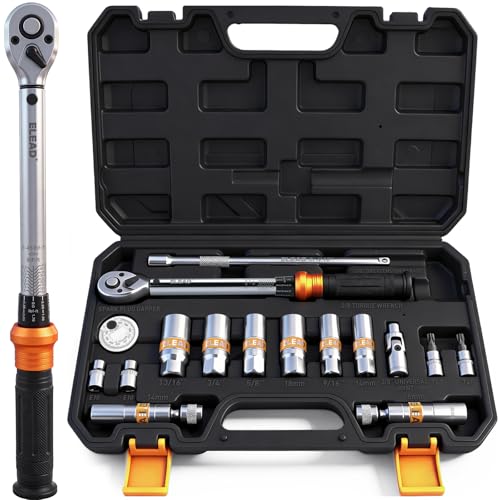
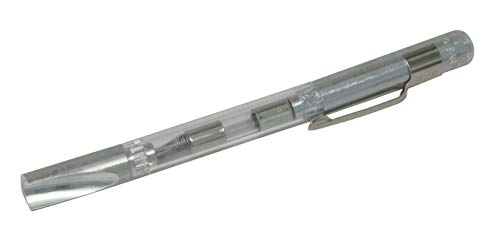
Before you begin replacing your vehicle’s plugs, gather the essential tools and materials to guarantee a smooth and efficient process. You’ll need a spark plug socket, ratchet, and extension to reach deep into the engine. A torque wrench ensures you tighten each spark plug to the exact manufacturer specification, preventing engine damage. Use a gap gauge to measure and adjust the electrode gap precisely. Apply spark plug anti-seize compound to the threads to prevent future seizing. Keep clean cloths ready to wipe debris from spark plug holes, protecting your engine.
| Tool/Material | Purpose | Emotion Evoked |
|---|---|---|
| Spark plug socket | Remove/install spark plugs | Confidence |
| Torque wrench | Precise tightening | Assurance |
| Gap gauge | Correct electrode spacing | Control |
| Anti-seize compound | Prevent plug seizing | Freedom |
| Clean cloths | Keep engine debris-free | Safety |
Preparing Your Car for Spark Plug Maintenance

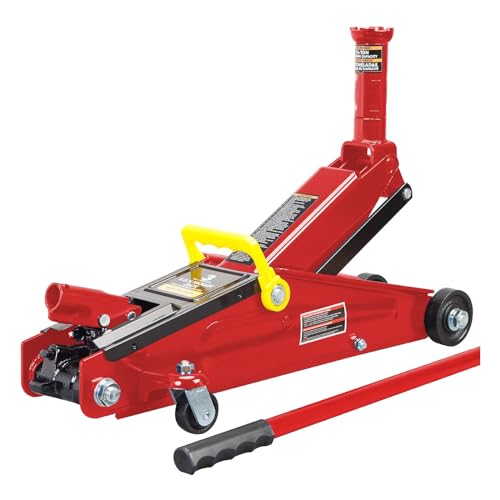
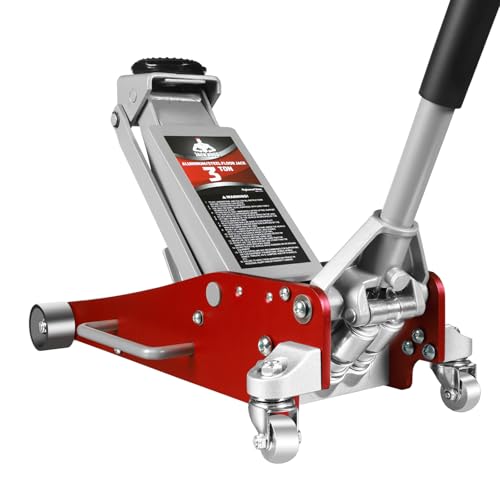
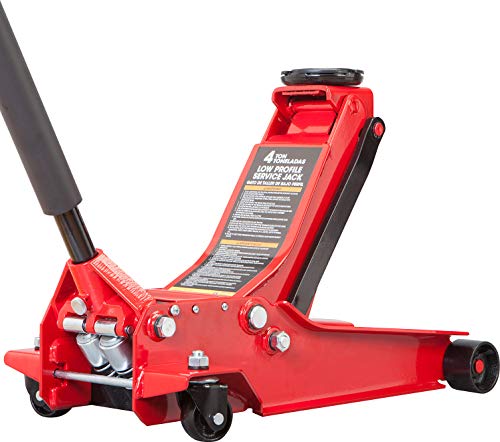
Although replacing spark plugs might seem straightforward, preparing your car properly is essential to guarantee safety and efficiency. First, confirm you have the correct spark plugs specified in your owner's manual to maintain peak engine performance and fuel economy. Ascertain the engine is completely cool before beginning maintenance to prevent burns and damage. Disconnect the negative battery terminal to eliminate electrical hazards during the process. Gather all necessary tools—socket wrench, spark plug socket, torque wrench, and anti-seize compound—to streamline replacing. As you remove each spark plug, organize them sequentially to avoid mixing cylinders during reinstallation. This preparation guarantees the maintenance improves your engine’s combustion efficiency, sustaining fuel economy and overall performance without risk or confusion. For additional safety when working under your vehicle, it's worth considering the use of foundation floor jacks to ensure stability and support throughout the maintenance process.
Step-by-Step Process to Remove Old Spark Plugs

Start by verifying the engine is fully cool and the battery is disconnected to eliminate electrical hazards. For spark plug replacement, use a spark plug socket and ratchet to carefully unscrew each spark plug by turning counterclockwise. Apply steady pressure to avoid damaging threads. After removing, inspect the removed spark plugs for wear or carbon buildup; this helps identify underlying engine issues. Before installing new plugs, clean the spark plug holes thoroughly to remove debris and guarantee a proper seal, preventing misfires. When installing, hand-tighten the new spark plugs initially to avoid cross-threading. Then, use a torque wrench to secure them to the manufacturer’s specified torque. This precise approach to changing spark plugs guarantees effective maintenance and empowers you to maintain your vehicle confidently.
Inspecting and Cleaning Spark Plug Components
Once you've removed the old spark plugs, take time to inspect each component carefully. Look for signs of wear such as carbon buildup, cracks in the ceramic insulator, or corroded electrodes. These issues can degrade engine performance and indicate the need for replacing spark plugs. Measure the spark plug gap precisely; an incorrect gap causes misfires and reduces efficiency. For cleaning, use a wire brush or specialized solution to remove deposits without damaging the electrode. Proper cleaning restores spark plug efficiency, improving combustion. Inspecting and cleaning spark plugs regularly empowers you to maintain peak engine function and prolong component life. This proactive approach liberates you from costly repairs and guarantees your vehicle runs smoothly and reliably.
Installing New Spark Plugs Correctly
Before installing new spark plugs, make sure you have the correct type specified in your vehicle's manual to prevent performance issues. When replacing, first clean the spark plug threads and surrounding area to avoid debris entering the engine. Check and adjust the spark plug gap to the manufacturer’s specifications using a feeler gauge, as an improper gap reduces engine performance. Apply a small amount of anti-seize compound on the threads if recommended, easing future removal. During installation, hand-thread the spark plugs carefully to avoid cross-threading. Use a torque wrench to tighten them to the specified torque, typically between 10 to 20 foot-pounds, ensuring ideal sealing without damaging the threads. Correct installation of spark plugs safeguards engine efficiency and maximizes performance.
 5 Best Ways to Spot Bad Spark Plugs
Testing Engine Performance After Replacement
After installing new spark plugs with the correct torque and gap, you’ll want to evaluate how your engine performs under real conditions. Start with a test drive, observing for smooth acceleration and the absence of misfires, which directly reflect improved engine performance. Monitor fuel economy closely; new spark plugs often enhance efficiency, potentially saving you money. Pay attention to engine sounds—properly functioning spark plugs reduce unusual noises and promote quieter operation. When idling, check for steadiness; eliminating rough idling signals consistent spark plug function. Finally, use an OBD-II scanner to detect any lingering ignition issues or trouble codes, ensuring no hidden problems remain. If your engine fails to start after replacement, it may be helpful to consider the role of a jump starter in assessing battery and ignition system health as discussed in the context of power and performance. This systematic approach confirms your spark plug replacement was successful and liberates you from frequent mechanic visits.
Frequently Asked Questions
Why Is It Important to Replace Spark Plugs?
You should replace spark plugs to maintain engine performance and fuel efficiency. Ignition timing relies on fresh plugs; following your maintenance schedule and checking wear indicators helps prevent issues and simplifies troubleshooting, giving you control over your vehicle’s health.
Is Changing Spark Plugs an Easy Job?
Think changing spark plugs is tough? With just basic spark plug tools, you can master DIY maintenance, avoid common mistakes, troubleshoot issues, and boost engine performance—all while staying on your vehicle’s maintenance schedule and gaining true mechanical freedom.
Why Should a Technician Read Spark Plugs?
You should perform spark plug analysis to assess engine performance and combustion efficiency. Reading wear indicators helps you troubleshoot issues early, guiding maintenance tips that enhance reliability and free you from unexpected breakdowns or costly repairs.
What Do I Need to Know About Replacing Spark Plugs?
You’ll need to understand spark plug types, gather replacement tools like a torque wrench, recognize common symptoms, follow a DIY guide, and apply maintenance tips to boost engine performance efficiently and confidently handle spark plug replacement.
Final Thoughts
Replacing your spark plugs yourself not only saves you money but also boosts your vehicle’s efficiency—did you know worn spark plugs can reduce fuel economy by up to 30%? By mastering this skill, you guarantee peak engine performance and avoid costly repairs. With the right tools and careful steps, you’ll confidently maintain your car’s ignition system, prolonging its lifespan and improving reliability. Taking control of spark plug replacement is a smart, practical choice for any beginner.
 Is It Safe to Drive With Bad Spark Plugs?
Reliable Floor Jacks on a Budget: Best Picks for Under $150
Top-Rated Floor Jacks Over $100: Built for Professionals, Priced for Smart Buyers
If you want to know other articles similar to Why Should Beginners Learn Spark Plug Replacement? you can visit the Spark Plug Care and Replacement category.
What Tools Are Needed for Spark Plug Replacement?

Is It Safe to Drive With Bad Spark Plugs?

5 Best Ways to Spot Bad Spark Plugs

Toyota Camry Spark Plug Replacement Cost Guide

5 Signs Your Car Has Faulty Spark Plugs

Honda Civic Spark Plug Replacement: Top 10 Tips

DIY Guide: Replacing Spark Plugs at Home

What Are the Best Spark Plugs for High Mileage Cars?
Leave a Reply
This is also interesting