














Toyota Camry Spark Plug Replacement Cost Guide


You’ll typically spend between $145 and $215 to replace your Toyota Camry’s spark plugs, including parts and labor.
Parts usually cost about $24, while labor hovers around $140, though prices can vary by shop and spark plug type.
Signs like engine misfires or poor fuel efficiency often indicate replacement needs.
Choosing the right plugs and professional service guarantees peak performance and longevity.
 5 Best Ways to Spot Bad Spark Plugs
Exploring further details will help you make the best decision for your vehicle.
Table
Main Points
- Spark plug replacement for a Toyota Camry typically costs between $145 and $215, including parts and labor.
- Labor costs average around $140, while parts range from $24 to $70 depending on spark plug type.
- Choosing the right spark plug type (copper, platinum, iridium) affects price, lifespan, and engine performance.
- Signs indicating replacement include rough idling, sluggish acceleration, decreased gas mileage, and check engine lights.
- Comparing repair shops based on reviews, OEM parts use, and warranty ensures reliable service at competitive prices.
Average Cost Breakdown for Spark Plug Replacement

When replacing the spark plugs on your Toyota Camry, you can expect the total cost to typically range between $145 and $215, covering both parts and labor. The average cost breaks down to about $24 for parts and $140 for labor, though labor alone can vary from $99 to $145. Parts generally cost between $46 and $70, depending on the type of spark plugs used. Your vehicle's age, engine configuration, and location influence these figures, with some replacements reaching upwards of $1,171.02 in specialized cases. Adhering to the manufacturer’s maintenance schedule—usually between 30,000 and 100,000 miles for spark plugs—helps you plan expenses and avoid unexpected costs. Staying proactive with spark plug replacement guarantees peak engine performance and prevents costly repairs later.
Signs Your Toyota Camry Needs New Spark Plugs

Although spark plugs often go unnoticed, failing ones can cause several noticeable issues in your Toyota Camry. You’ll likely experience difficulty starting the engine and sluggish acceleration, signaling that the spark plugs need replacement. Rough idling or engine vibrations also indicate inconsistent combustion due to worn plugs. Pay close attention to your gas mileage—if it drops, inefficient fuel burning might be the culprit. A flashing or solid check engine light often signals engine misfires linked to spark plug problems, as the engine control unit detects irregular firing. Addressing these signs promptly prevents further performance degradation. Regularly checking these symptoms empowers you to maintain peak engine function and avoid costly repairs down the road.
Types of Spark Plugs Suitable for Toyota Camry

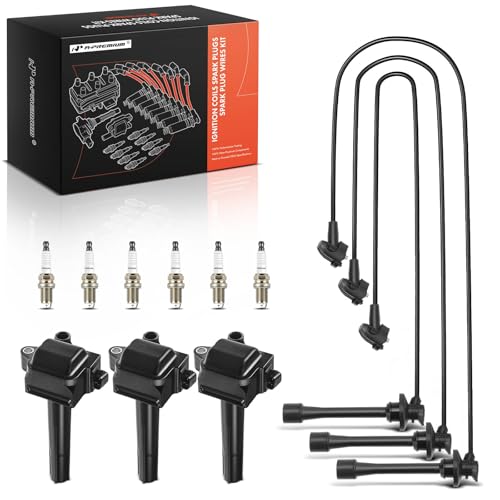
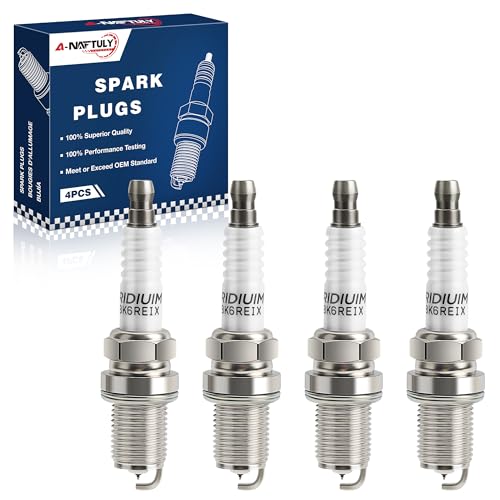
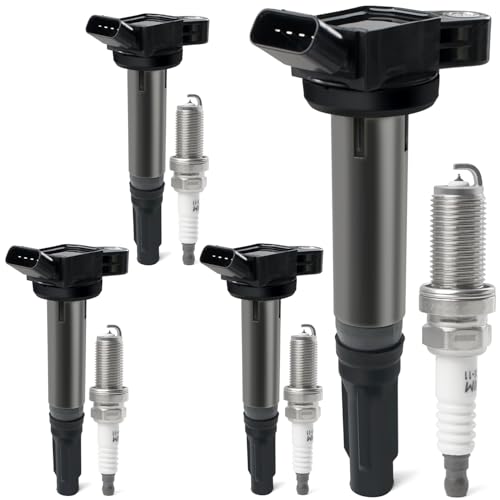
Noticing signs that your Toyota Camry needs new spark plugs means it's time to contemplate which type best suits your driving needs and budget. Your Toyota Camry Spark Plug options include copper, platinum, double platinum, and iridium. Copper spark plugs offer affordability but last around 20,000 miles, ideal if you’re budget-conscious. Platinum plugs provide enhanced durability, lasting 60,000 to 100,000 miles, balancing performance and cost effectively. Double platinum spark plugs improve longevity and work well with waste spark ignition systems, thanks to platinum on both electrodes. Iridium spark plugs, the top-tier OEM spark plugs, deliver up to 100,000 miles lifespan, enhancing fuel efficiency and engine performance. Choosing the right spark plugs guarantees peak engine function and long-term savings without sacrificing quality or reliability.
Step-by-Step Spark Plug Replacement Process

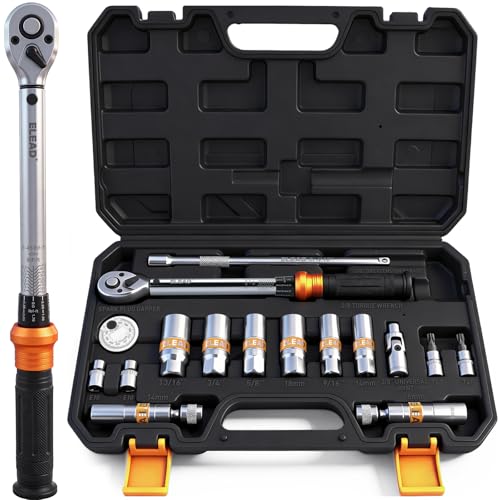
Before you start replacing the spark plugs on your Toyota Camry, remove the engine cover and ignition components to gain clear access. Begin by setting the gap on each new spark plug per the owner's manual. Apply anti-seize compound on threads to prevent seizing. Use a torque wrench to tighten the plugs to manufacturer specs, guaranteeing ideal spark plug replacement and ignition system performance. Finally, reinstall the engine cover and perform a road test to verify smooth engine operation.
 Is It Safe to Drive With Bad Spark Plugs?
| Step | Action | Purpose |
|---|---|---|
| 1 | Remove engine cover & ignition | Access spark plugs |
| 2 | Set spark plug gap | Guarantee correct ignition timing |
| 3 | Install plugs with torque wrench | Prevent damage & guarantee seal |
| 4 | Road test | Confirm no misfires or issues |
Tips for Choosing a Reliable Repair Shop

When selecting a repair shop for your Toyota Camry’s spark plug replacement, you should prioritize customer ratings and reviews on trusted platforms like RepairPal to gauge service quality and reliability. Compare estimates from multiple repair shops since prices vary widely—dealers average $700, while independents charge about $336. Confirm the shop uses OEM parts to ascertain proper fit and performance. Choose a repair shop specializing in Toyota vehicles; their expertise guarantees precise diagnostics and efficient spark plug replacement. Additionally, verify if the shop offers a warranty on parts and labor for added security. These steps empower you to avoid overpaying and assure high-quality maintenance, keeping your Camry running smoothly with peak ignition system performance.
Frequently Asked Questions
How Much Does It Cost to Change Spark Plugs on a Toyota Camry?
You’ll pay $145–$215 to change spark plugs on your Camry. Choosing the right spark plug types and following installation tips guarantees peak performance impact, freeing you from costly repairs and boosting your vehicle’s efficiency.
How Much Should I Pay Someone to Change My Spark Plugs?
You’ll typically pay $99 to $145 in labor costs, depending on spark plug types. Consider DIY tips to save; using the right tools and following precise steps can liberate you from costly shop fees.
At What Mileage Should Spark Plugs Be Replaced in a Toyota Camry?
You should replace spark plugs based on their lifespan—typically 30,000 to 100,000 miles—to maintain engine performance. Follow your maintenance schedule precisely to avoid issues and keep your Toyota Camry running efficiently and free.
Do Spark Plugs Need to Be Replaced at 60,000 Miles?
You should replace spark plugs around 60,000 miles since their lifespan often ends then. Watch for symptoms of failure like misfires or rough idling. Follow maintenance tips to keep your engine efficient and reliable.
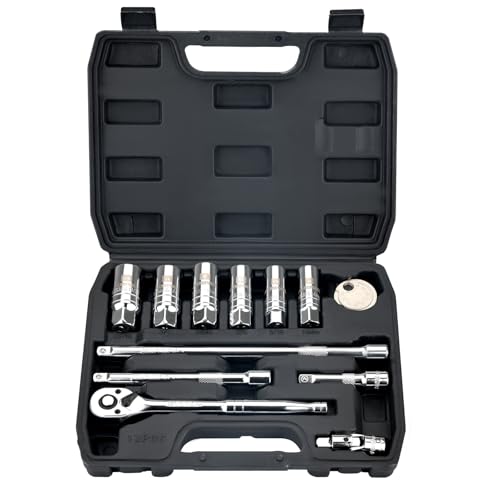
 What Tools Are Needed for Spark Plug Replacement?
Final Thoughts
Now that you know the cost, signs, and replacement steps for your Toyota Camry’s spark plugs, aren’t you ready to keep your engine running smoothly? Choosing the right spark plugs and a reliable repair shop guarantees peak performance and longevity. Don’t wait for engine misfires or rough idling—regular maintenance saves you time and money. Follow the guide carefully, and you’ll have your Camry firing on all cylinders in no time.
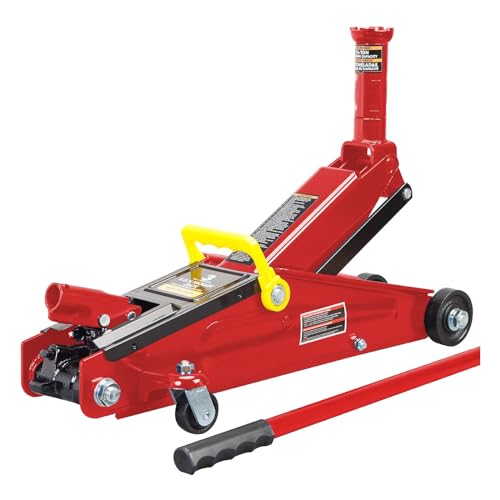
Reliable Floor Jacks on a Budget: Best Picks for Under $150
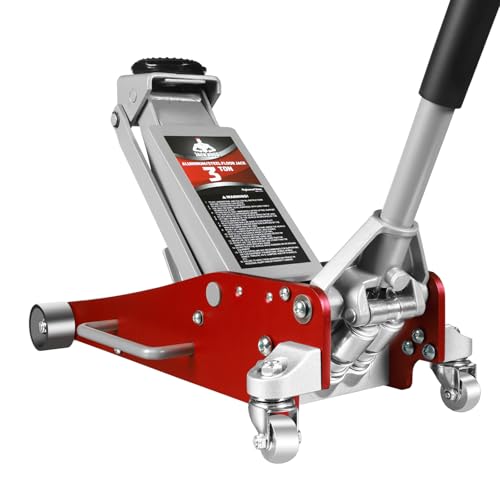
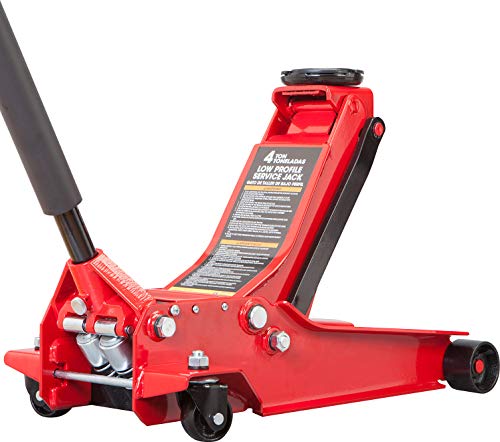
Top-Rated Floor Jacks Over $100: Built for Professionals, Priced for Smart Buyers
If you want to know other articles similar to Toyota Camry Spark Plug Replacement Cost Guide you can visit the Spark Plug Care and Replacement category.
What Tools Are Needed for Spark Plug Replacement?

Is It Safe to Drive With Bad Spark Plugs?

5 Best Ways to Spot Bad Spark Plugs

Why Should Beginners Learn Spark Plug Replacement?

5 Signs Your Car Has Faulty Spark Plugs

Honda Civic Spark Plug Replacement: Top 10 Tips

DIY Guide: Replacing Spark Plugs at Home

What Are the Best Spark Plugs for High Mileage Cars?
Leave a Reply
This is also interesting