











Seasonal Tire Maintenance Tips for Improved Traction


To improve traction seasonally, you should regularly check your tire tread depth and maintain proper tire pressure, especially as temperatures change. Rotate your tires every 5,000 miles to promote even wear and schedule alignment checks to prevent uneven tread loss. Before winter, inspect tires for cracks and consider installing dedicated winter tires for better grip below 45°F. Store off-season tires properly to preserve their condition. Understanding these key steps helps enhance safety and performance year-round.
Table
Main Points
- Regularly check and maintain proper tire pressure, especially in colder months, to ensure optimal traction and safety.
- Monitor tread depth frequently; replace tires when tread is below recommended limits for effective grip on seasonal roads.
- Rotate tires every six months or 5,000 miles to promote even wear and maintain consistent traction.
- Inspect tires for cracks, brittleness, and valve condition during winter to prevent traction loss and potential tire failure.
- Use winter tires below 45°F (7°C) for enhanced grip, braking, and control on snow and ice-covered roads.
Check Tread Depth Regularly

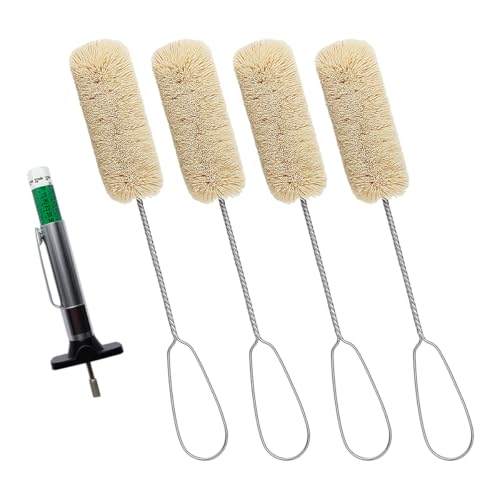
Although it’s easy to overlook, regularly checking your tire tread depth is crucial for maintaining proper traction and safety. To check tire tread depth, use a quarter—if you see George Washington’s head, it’s time for replacement. For accuracy, a tread depth gauge is preferable. Steer tires require a minimum of 4/32 inches, while other tires should not go below 2/32 inches to prevent hydroplaning. Insufficient tread depth drastically reduces traction and handling, especially in wet or snowy conditions, increasing the risk of losing control. Follow these tire maintenance tips year-round, but monitor tread depth more frequently during winter when colder temperatures accelerate wear. Staying vigilant guarantees your tires maintain grip, enhancing your freedom on the road without compromising safety.
Maintain Proper Tire Pressure

How often do you check your tire pressure during the colder months? Temperature drops cause tire pressure to decrease by 1-2 PSI for every 10°F, so regular tire checks become essential. To maintain proper tire pressure, measure it in the morning before driving to get an accurate cold reading. Under-inflated tires reduce traction and increase stopping distances, risking control on icy roads. Always follow the manufacturer’s recommendations for tire pressure to guarantee peak performance and avoid uneven wear. Keeping your tires properly inflated not only boosts traction but also enhances fuel efficiency and overall safety. By adhering to these precise tire pressure practices, you liberate yourself from avoidable hazards and maximize your vehicle’s winter driving capabilities.
Rotate Tires on Schedule

To guarantee even tire wear and extend their lifespan, you should rotate your tires every six months or every 5,000 miles. Rotating tires on schedule is a critical step in proper tire maintenance that prevents uneven tread wear, which can compromise traction and vehicle control. Follow your manufacturer’s recommended rotation pattern to verify balanced performance and safety. Regular rotations distribute wear evenly across all tires, reducing the risk of hydroplaning and enhancing grip during seasonal driving changes. This disciplined maintenance approach not only preserves tire integrity but also improves fuel efficiency by minimizing rolling resistance. By committing to timely tire rotations, you liberate yourself from premature tire replacements and unsafe driving conditions, empowering your vehicle’s performance and your peace of mind.
Inspect Tires for Winter Wear and Tear

You should inspect your tires carefully for cracks and signs of brittleness caused by cold temperatures, as these defects can reduce safety. Check the valve condition for condensation buildup, which can freeze and cause air leaks during temperature shifts. Also, assess tread depth to guarantee it meets the minimum requirements for winter traction and avoid uneven wear that signals alignment or inflation problems.
Check for Cracks
Tire integrity plays a crucial role in safe winter driving, so regularly checking for cracks and bulges is important. Cold temperatures make tires brittle, increasing the risk of cracks that compromise traction and safety. You should inspect all tires after significant temperature shifts, focusing on cracks that extend into the tread. These fissures weaken the tire’s structure, raising the chance of blowouts and loss of control on snowy roads. Proper tire care means promptly addressing any visible damage to maintain peak performance. By routinely checking for cracks, you guarantee your tires remain reliable and durable throughout winter’s challenges. This proactive approach liberates you from unexpected failures, allowing confident, uninterrupted travel in harsh conditions.
 Spring Maintenance Checklist: 7 Tips for Aging Cars
Valve Condition Inspection
After inspecting your tires for cracks, the next step involves a thorough check of the valve condition. In cold weather, condensation can freeze inside valves, causing air leaks that reduce tire pressure and compromise safety. You must regularly examine valves for wear, cracks, or damage, and remove any debris or snow accumulation that could impair function. A malfunctioning valve leads to significant pressure loss, undermining traction and control. Use valve caps to shield valves from dirt and moisture, extending their lifespan through winter. If you detect any air escaping during inspection, replace the valve immediately. Prioritizing valve condition is a critical maintenance task that guarantees your tires maintain peak pressure, preserving traction and your freedom on the road throughout cold seasons. For those performing their own tire or fluid checks, using spill prevention features in your workspace helps keep maintenance safe and clean, especially during winter servicing.
Assess Tread Integrity
Maintaining adequate tread depth is crucial for reliable traction on snowy and icy roads. To guarantee peak performance, inspect tires regularly using a tread depth gauge or the quarter method—if the top of George Washington’s head is visible, replace the tire immediately. Aim for a minimum tread depth of 4/32 inches on steer tires to maintain grip. Additionally, inspect tires for cracks, bulges, or other signs of winter wear and tear that could compromise safety. Don’t forget to monitor proper tire pressure, as fluctuations in temperature affect tire integrity and performance. Consistently evaluating tread integrity is an essential part of the care of your tires, empowering you to maintain control and freedom on winter roads while minimizing risks associated with deteriorated tires.
Balance and Align Tires

Every 6,000 to 8,000 miles, you should have your tires balanced to guarantee weight is evenly distributed across all wheels, minimizing vibration and improving vehicle control in winter conditions. Proper balance reduces wear on suspension components, preventing costly repairs and ensuring a smoother ride. Equally important is aligning your tires regularly to maintain peak traction. Misaligned tires cause uneven tread wear and make handling slippery surfaces more challenging. During your seasonal tire maintenance, schedule alignment checks to prevent your vehicle from pulling to one side. Keeping your tires balanced and aligned not only preserves tread integrity but also enhances safety and driving confidence on icy roads. By committing to these precise maintenance steps, you liberate yourself from avoidable risks and maintain control throughout the winter season.
Consider Installing Winter Tires
You should consider installing winter tires because their specialized tread design and rubber compounds greatly improve traction and braking on cold, icy roads. For ideal safety and handling, install them as a complete set rather than mixing with other tire types. Assess your local climate and driving conditions to select tires that deliver the best winter performance.
Benefits of Winter Tires
When temperatures consistently drop below 45°F (7°C), winter tires offer notably better performance than all-season alternatives. Their softer rubber compounds maintain flexibility in cold conditions, preventing hardening that reduces grip. Designed with deeper treads and unique patterns, winter tires provide up to 30% better traction on snow and ice, improving your handling and shortening stopping distances. By investing in winter tires, you enhance your vehicle’s reliable performance during harsh winter weather, markedly reducing accident risks. Using a full set guarantees uniform traction and control, while mixing tire types can compromise safety. Choosing winter tires empowers you to maintain control and confidence on slippery roads, offering a practical solution for enhancing your freedom and safety throughout the cold season.
Installation Recommendations
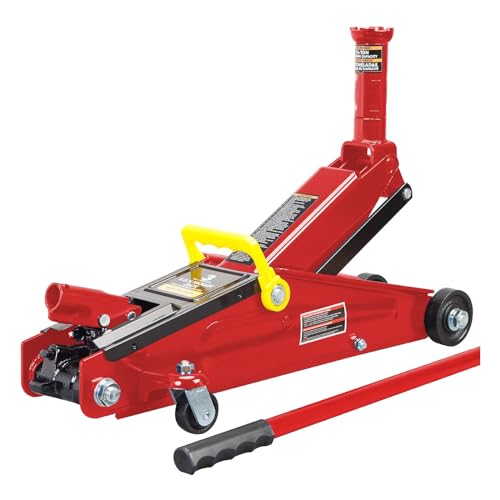
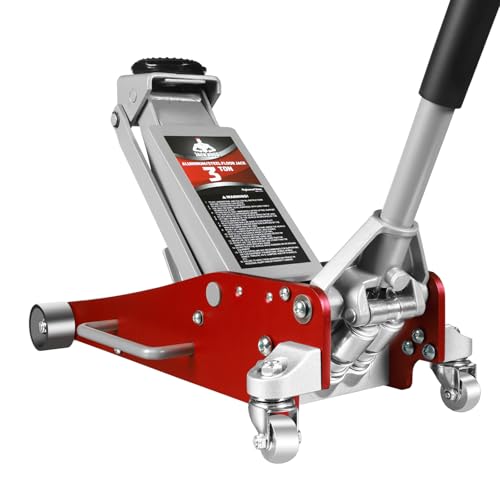
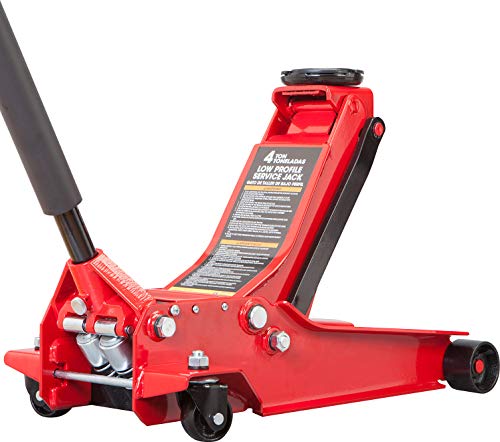
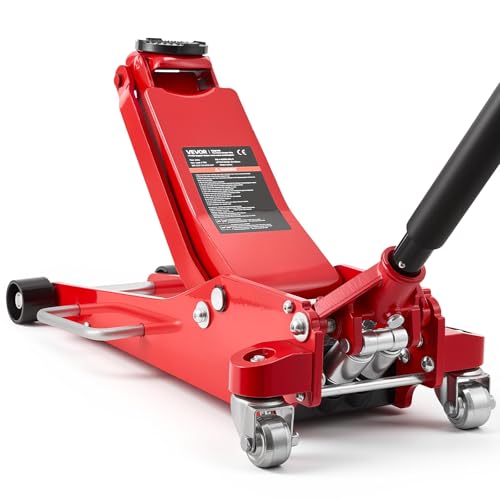
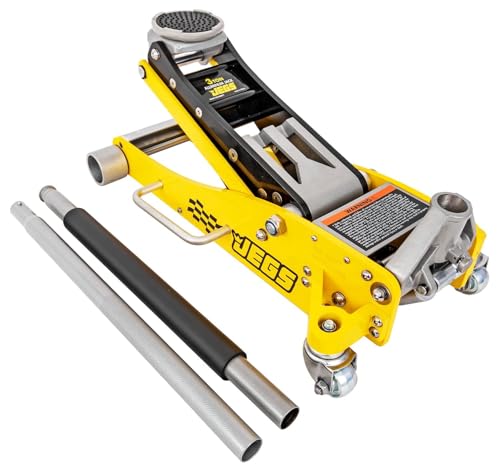
Although winter tires dramatically improve safety in snowy conditions, proper installation is essential to maximize their effectiveness. You should install a full set of winter tires to guarantee balanced handling and avoid performance loss. Proper installation includes verifying that each tire is properly inflated, as colder temperatures reduce tire pressure and compromise grip. Always consult a tire dealer to meet manufacturer specifications and assure ideal traction. For lifting your vehicle safely during tire changes, consider using a quality floor jack to ensure both efficiency and safety.
| Step | Action | Reason |
|---|---|---|
| 1 | Inspect tire condition | Verify no damage before installation |
| 2 | Install all four tires | Balanced handling and performance |
| 3 | Check tire pressure | Maintain proper inflation |
| 4 | Torque lug nuts to spec | Prevent loosening during use |
| 5 | Verify alignment | Avoid uneven wear and instability |
Store Winter Tires Properly
Since improper storage can accelerate tire deterioration, you should clean your winter tires thoroughly before putting them away. Remove all dirt, debris, and road salt to help prevent rubber degradation over time. To store winter tires properly, keep them in a cool, dry, and dark environment, shielding them from heat and sunlight that compromise rubber quality. Use tire bags or covers to minimize moisture exposure and light damage, further extending the life of your tires. Store them upright to maintain their shape and avoid deformation. Additionally, check and maintain proper inflation levels during storage to prevent flat spots and uneven wear. Following these precise steps guarantees your winter tires remain in Good Condition, ready to deliver maximum traction and safety when the season returns.
 10 Summer Maintenance Tips to Prevent Overheating
Educate Drivers on Tire Maintenance
Proper tire maintenance starts with educating drivers on essential inspection techniques. You need to take care of your tires by mastering precise checks that guarantee safety and performance. Use a tire gauge routinely to verify correct pressure and avoid under-inflation, which compromises traction. Understand how to measure tread depth accurately to identify wear before it becomes hazardous. Don’t overlook alignment checks; misalignment accelerates tire wear and reduces control. Incorporate these practical tips into regular maintenance:
- Use a reliable tire gauge to check pressure monthly.
- Measure tread depth with a tread indicator to guarantee sufficient grip.
- Schedule periodic alignment checks to maintain even tire wear.
Empowering yourself with these skills liberates you from dependency on frequent shop visits and enhances your vehicle’s safety year-round.
Frequently Asked Questions
What Is the Best Way to Maximize Traction on Your Tires?
You maximize traction by consistently monitoring tire pressure and tread depth, adjusting for seasonal changes, and adapting to surface conditions. Staying proactive guarantees ideal grip, safety, and freedom to drive confidently, no matter the weather.
How Can I Get More Traction in the Winter?
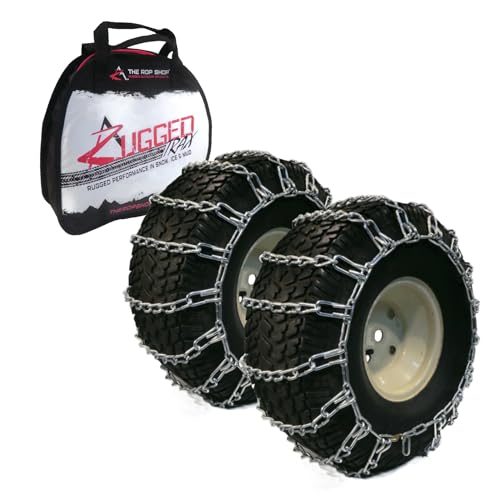
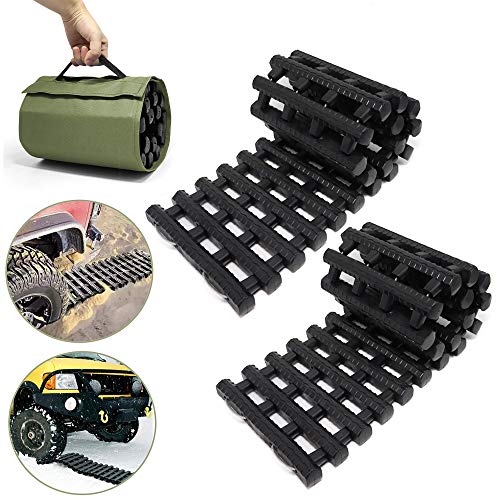
Winter driving can feel like skating on icebergs, but you can conquer it. Use snow chains and traction aids, monitor tire pressure meticulously, and maintain ideal grip. These steps’ll grant you freedom and control on slippery roads.
What Is the Proper Care and Maintenance of Tires?
You should regularly check air pressure, monitor tread depth, perform tire rotation every 5,000 miles, and conduct seasonal inspections for damage or wear. These steps guarantee your tires maintain peak performance and safety on the road.
What Can I Put on My Tires for Traction?
Don’t put all your eggs in one basket; boost traction by using tire chains or traction pads. Invest in winter tires and maintain proper tire pressure to guarantee maximum grip and safety when freedom calls on icy roads.
Final Thoughts
By neglecting seasonal tire maintenance, you risk poor traction and unsafe driving—yet staying proactive guarantees peak performance and safety. While worn, unbalanced tires compromise control, regularly checking tread depth, pressure, and alignment keeps your vehicle steady on slippery roads. Rotating and storing tires properly might seem tedious, but these simple steps extend tire life and improve grip. Don’t let avoidable issues catch you off guard; take control now for reliable traction all season long.
 3 Best Fluids to Inspect Before Winter Driving
Reliable Floor Jacks on a Budget: Best Picks for Under $150
Top-Rated Floor Jacks Over $100: Built for Professionals, Priced for Smart Buyers
If you want to know other articles similar to Seasonal Tire Maintenance Tips for Improved Traction you can visit the Seasonal Car Care Tips category.
3 Best Fluids to Inspect Before Winter Driving

10 Summer Maintenance Tips to Prevent Overheating

Spring Maintenance Checklist: 7 Tips for Aging Cars

7 Best Steps to Ready Your Vehicle for Rain

Budget-Friendly Seasonal Maintenance Tips for Students

Car Battery Care Tips for Winter Weather

Essential Winter Maintenance Guide for Beginners

What Fall Car Maintenance Steps Ensure Safe Driving?
Leave a Reply
This is also interesting