











Why Replace Ford F150 Spark Plugs Regularly?


You should replace your Ford F150 spark plugs regularly to guarantee smooth engine performance, avoid rough idling, and prevent costly repairs from worn or fouled plugs.
Timely replacement maintains fuel efficiency, which can drop by up to 30% with worn plugs.
Driving habits and fuel quality also affect spark plug lifespan, so monitoring these helps extend service intervals.
Using the right spark plug material impacts durability too.
Keep these factors in mind to understand why timely changes matter.
Table
- Main Points
- Importance of Timely Spark Plug Replacement
- Recommended Spark Plug Change Intervals for Ford F150
- Recognizing Symptoms of Worn or Faulty Spark Plugs
- Impact of Driving Habits on Spark Plug Longevity
- Effects of Fuel Quality on Spark Plug Performance
- Differences Between OEM and Aftermarket Spark Plugs
- Role of Spark Plug Material in Replacement Frequency
- Additional Maintenance Tasks During Spark Plug Service
- Risks of Delaying Spark Plug Replacement
- Professional Spark Plug Replacement vs. DIY Approach
- Frequently Asked Questions
- Final Thoughts
Main Points
- Regular spark plug replacement prevents rough idling and engine misfires in the Ford F150, ensuring smooth performance.
- Timely replacement maintains optimal combustion efficiency, improving fuel economy by up to 30%.
- Inspecting and changing plugs every 60,000 to 100,000 miles avoids costly engine wear and repairs.
- Worn plugs cause hard starts and slow acceleration, reducing overall drivability and reliability.
- Coordinated spark plug maintenance allows inspection of ignition components and prevents debris from damaging the engine.
Importance of Timely Spark Plug Replacement

Although you might not notice immediate issues, replacing your Ford F150’s spark plugs every 60,000 to 100,000 miles is essential for maintaining prime engine performance. Regular spark plug maintenance guarantees peak performance by preventing rough idling and engine misfires caused by worn spark plugs. Neglecting timely replacement reduces combustion efficiency, directly impacting fuel economy—sometimes by as much as 30%. By inspecting spark plugs every 30,000 miles, you can detect early wear signs and adhere to the recommended Change Interval, preventing costly repairs and engine damage. Keeping a detailed maintenance log helps you track these changes, promoting consistent vehicle reliability. Embracing this disciplined approach liberates you from unexpected engine troubles and maximizes your Ford F150’s power and efficiency.
Recommended Spark Plug Change Intervals for Ford F150

You should follow a mileage-based schedule when replacing your Ford F150’s spark plugs to maintain peak performance. Conventional plugs typically need replacement every 20,000 to 30,000 miles, while platinum and iridium plugs can last up to 60,000 and 100,000 miles, respectively. Inspecting them every 30,000 miles helps catch wear early and guarantees you replace them according to their material-specific intervals.
Mileage-Based Replacement Schedule
Ford recommends replacing the F-150’s spark plugs every 60,000 miles, though the exact interval depends on the plug type. Conventional spark plugs need to be replaced every 20,000 to 30,000 miles to maintain ideal performance. Platinum and iridium plugs extend this interval up to 60,000 and 100,000 miles, respectively. However, regular inspection at 30,000 miles is essential to detect early signs of wear. Following this mileage-based replacement schedule prevents engine misfiring and preserves fuel efficiency, which can degrade as plugs wear. By adhering to these intervals, you guarantee your engine operates efficiently and avoid costly damage. Staying proactive with replacements liberates you from unexpected breakdowns and keeps your F-150 running at peak performance mile after mile.
Material-Specific Change Intervals
Since spark plug materials directly influence their durability and performance, understanding the recommended change intervals for each type is crucial to maintaining your Ford F-150’s engine efficiency. Conventional spark plugs require replacement every 20,000 to 30,000 miles or 2-3 years to guarantee peak performance. Platinum plugs extend this interval up to 60,000 miles, offering longer service life. Iridium spark plugs provide the greatest longevity, often lasting 100,000 miles or more, making them cost-effective for extended use. However, driving conditions and fuel quality affect wear, so always consult your owner’s manual for specific guidelines. Regular inspections every 30,000 miles can help you identify wear early and keep your spark plugs performing at their best, preserving your truck’s power and fuel efficiency over time.
Recognizing Symptoms of Worn or Faulty Spark Plugs

Several key symptoms can help you identify worn or faulty spark plugs in your F150. You might notice rough idling or engine misfiring, which cause uneven engine performance and stuttering. Slow or difficult starts indicate compromised ignition efficiency, while slow acceleration signals improper spark plug firing. Additionally, faulty spark plugs drastically reduce fuel economy, sometimes by up to 30%.
 What Are the Best Spark Plugs for High Mileage Cars?
| Symptom | Effect on Performance |
|---|---|
| Rough Idling | Uneven engine vibrations |
| Engine Misfiring | Stuttering or skipping during runs |
| Poor Fuel Economy | Reduced combustion efficiency |
Recognizing these symptoms empowers you to act promptly, preserving your F150’s engine health and maintaining ideal fuel economy.
Impact of Driving Habits on Spark Plug Longevity

Your driving style directly influences how quickly your Ford F150’s spark plugs wear out. Aggressive actions like rapid acceleration increase electrode erosion, while steady highway driving minimizes combustion irregularities and heat stress. Understanding these effects helps you schedule replacements more accurately and maintain peak engine performance.
Aggressive Driving Effects
Although spark plugs are designed to last between 60,000 and 100,000 miles, aggressive driving habits like rapid acceleration and frequent braking can considerably shorten their lifespan. When you drive aggressively, spark plugs endure increased stress due to higher combustion temperatures and incomplete fuel burn, accelerating wear and fouling. This deterioration negatively impacts engine performance, causing rough idling and reduced fuel economy. As a result, you’ll need spark plug replacement more frequently than under normal conditions. Monitoring these signs during aggressive driving helps you act promptly, preventing further engine strain. By understanding how your driving style affects spark plug longevity, you can schedule timely maintenance, ensuring peak engine efficiency and freeing yourself from avoidable breakdowns linked to neglected spark plug care.
Highway vs. City
How do driving environments influence the lifespan of your Ford F150’s spark plugs? The impact of highway driving versus city driving is significant. Highway driving maintains consistent engine temperatures, reducing spark plug wear and extending their longevity. City driving, with frequent stops and idling, accelerates spark plug degradation due to increased engine cycles and potential fouling from lower-quality fuel.
Consider these factors:
- Highway driving promotes stable performance and longer spark plug life.
- City driving demands more frequent maintenance checks—every 30,000 miles—to prevent performance loss.
- Aggressive urban driving increases spark plug fouling, necessitating earlier replacements.
Understanding these differences empowers you to optimize spark plug maintenance, ensuring your Ford F150 delivers reliable performance regardless of your driving environment.
Effects of Fuel Quality on Spark Plug Performance

When you use poor-quality fuel, spark plugs can foul quickly due to deposits building up on their surfaces, which reduces both their lifespan and performance. Fuel quality directly influences spark plug performance because impurities in low-grade fuel lead to incomplete combustion, causing carbon and residue accumulation. This fouling compromises the spark plug’s ability to ignite the air-fuel mixture efficiently, resulting in misfires and engine knocking. By choosing high-quality fuel with fewer additives and contaminants, you guarantee cleaner combustion and maintain peak spark plug function. Monitoring fuel quality and selecting reputable gas stations extend your spark plugs’ lifespan, potentially allowing them to reach close to 100,000 miles. Prioritizing fuel quality liberates you from frequent replacements and enhances your Ford F150’s engine efficiency.
Differences Between OEM and Aftermarket Spark Plugs
When choosing spark plugs for your Ford F150, you’ll find OEM plugs are engineered to exact manufacturer specifications, ensuring ideal performance and compatibility. Aftermarket options may offer claims of enhanced durability or power, but they can vary in quality and might not match OEM standards. Understanding these differences is essential to maintaining engine efficiency and avoiding potential issues like misfires or warranty complications.
OEM Vs Aftermarket Quality
Although aftermarket spark plugs can offer cost savings, using OEM spark plugs guarantees perfect compatibility and performance for your Ford F150. OEM plugs are engineered to meet Ford’s exact specifications, assuring maximum engine efficiency and reliable ignition. Aftermarket options vary widely; some may enhance performance, but others risk premature wear or engine damage. Consider these key points:
- Compatibility: OEM guarantees precise fit and function; aftermarket may not.
- Performance Consistency: OEM ensures stable engine operation; aftermarket quality fluctuates.
- Warranty Coverage: OEM spark plugs come with Ford’s warranty support; aftermarket often lacks this security.
Choosing OEM spark plugs liberates you from uncertainty, protecting your engine and preserving your vehicle’s warranty while sustaining peak performance.
Performance and Compatibility
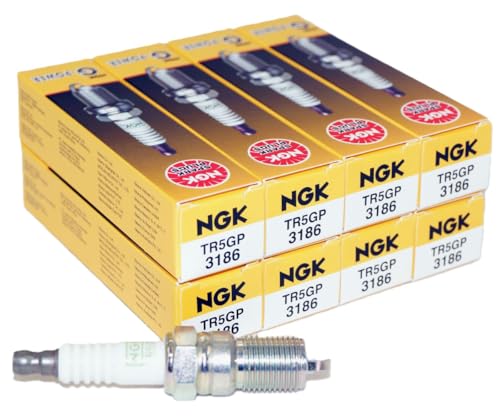
Since your Ford F-150’s engine demands precise ignition timing and consistent spark delivery, choosing the right spark plugs directly affects performance and compatibility. OEM spark plugs, like the MC 594 for the 2.7L Ecoboost, are engineered to meet Ford’s exact specifications, ensuring ideal ignition, fuel efficiency, and engine reliability. Aftermarket spark plugs may claim enhanced performance or longevity, but their quality and compatibility can vary considerably. Using non-OEM plugs risks engine misfires, rough idling, and reduced fuel economy due to mismatched ignition characteristics. To maintain your Ford F-150’s peak performance and prevent potential damage, sticking with OEM spark plugs guarantees proper fit and function. This precise compatibility supports long-term durability and consistent engine operation—essential for drivers who demand freedom from mechanical issues.
 DIY Guide: Replacing Spark Plugs at Home
Role of Spark Plug Material in Replacement Frequency
Because the material of your Ford F150’s spark plugs directly impacts their durability, understanding the differences is essential for timely replacements. The choice between conventional, platinum, and iridium spark plugs determines how often you’ll need to service them and maintain peak engine performance. Consider these key points:
- Conventional spark plugs require replacement every 20,000 to 30,000 miles due to faster wear.
- Platinum spark plugs extend replacement frequency up to 60,000 miles, offering improved longevity.
- Iridium spark plugs provide unmatched durability, often lasting up to 100,000 miles, enhancing fuel efficiency and reducing emissions.
Selecting the appropriate spark plug material empowers you to maximize replacement intervals and sustain your F150’s engine performance effectively.
Additional Maintenance Tasks During Spark Plug Service
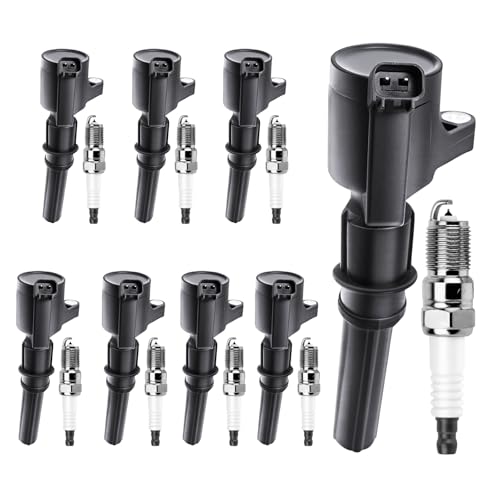
When you service the spark plugs on your Ford F150, you should also take the opportunity to inspect related components like belts, hoses, ignition coils, and spark plug boots. These regular inspections during spark plug replacement guarantee your ignition system operates at peak performance, preventing costly repairs. Cleaning around the plugs prevents debris from entering the combustion chamber. Coordinating spark plug replacement with other maintenance tasks streamlines your service visits and enhances vehicle care.
| Component | Maintenance Task |
|---|---|
| Belts & Hoses | Check for wear at 60,000 miles |
| Ignition Coils | Inspect and replace if damaged |
| Spark Plug Boots | Examine and maintain seals |
| Spark Plug Area | Clean to prevent debris |
Risks of Delaying Spark Plug Replacement
If you put off replacing your Ford F150’s spark plugs, you risk engine misfires that cause rough idling and reduced performance. Worn spark plugs fail to ignite fuel efficiently, directly impacting your truck’s drivability and fuel economy. Delays can lead to hard starting and escalate engine wear, pushing you toward costly repairs.
Consider these risks:
- Engine misfires degrade performance and cause rough idling.
- Fuel economy can drop by up to 30%, increasing operating costs.
- Hard starting raises the chance of being stranded unexpectedly.
Regular spark plug replacement within the recommended interval safeguards your vehicle’s performance and longevity, ensuring reliable operation and freedom from unnecessary breakdowns. Don’t compromise your Ford F150’s efficiency and safety—stay proactive with spark plug maintenance.
Professional Spark Plug Replacement vs. DIY Approach
Although replacing spark plugs yourself can save money, choosing a professional service guarantees precise installation with the correct torque and specifications, backed by certified technicians equipped with specialized tools. When you opt for a professional service, you verify the use of genuine OEM spark plugs, which provide superior compatibility and reliability compared to many aftermarket alternatives. DIY spark plug replacement might appeal if you have experience, but improper torque or installation risks compromising engine performance. Professionals also perform thorough inspections of related components, identifying potential issues early. By relying on expert maintenance, you secure peak performance and extend your Ford F150’s spark plug lifespan, liberating yourself from the uncertainties and potential setbacks inherent in DIY efforts. This approach maximizes efficiency and safeguards your engine’s longevity.
Frequently Asked Questions
How Often Should F-150 Spark Plugs Be Changed?
You should change your F-150 spark plugs every 60,000 to 100,000 miles, following the maintenance schedule to guarantee ideal spark plug lifespan, maintain engine performance, fuel efficiency, and keep your ignition system running smoothly.
Why Do I Have to Replace My Spark Plugs so Often?
Think of your spark plugs as the heartbeat of your ignition system. You’ve got to replace them within their lifespan to keep engine performance sharp, fuel efficiency high, and stay on your maintenance schedule for ideal freedom on the road.
What Year Did the 5.4 Triton Have Bad Spark Plugs?
You’ll find spark plug issues in the 5.4 Triton engine mainly from 1997 to 2004. These affect F-150 performance by reducing spark plug lifespan and causing engine misfire symptoms, so watch for early signs and act.
Does Changing Spark Plugs Really Make a Difference?
You might think changing spark plugs doesn’t matter, but it boosts spark plug performance and engine efficiency greatly. Sticking to your maintenance schedule optimizes the ignition system, improving fuel economy and freeing your ride from sluggish starts.
 Honda Civic Spark Plug Replacement: Top 10 Tips
Final Thoughts
Regularly replacing your Ford F150’s spark plugs is essential for peak engine performance and fuel efficiency. Did you know that worn spark plugs can reduce fuel economy by up to 30%? Ignoring timely replacement risks misfires, rough idling, and costly repairs. By following manufacturer-recommended intervals and considering your driving habits and fuel quality, you’ll guarantee longevity and reliability. Whether you choose professional service or a DIY approach, don’t delay—your engine depends on it.
Reliable Floor Jacks on a Budget: Best Picks for Under $150
Top-Rated Floor Jacks Over $100: Built for Professionals, Priced for Smart Buyers
If you want to know other articles similar to Why Replace Ford F150 Spark Plugs Regularly? you can visit the Spark Plug Care and Replacement category.
What Tools Are Needed for Spark Plug Replacement?

Is It Safe to Drive With Bad Spark Plugs?

5 Best Ways to Spot Bad Spark Plugs

Toyota Camry Spark Plug Replacement Cost Guide

Why Should Beginners Learn Spark Plug Replacement?

5 Signs Your Car Has Faulty Spark Plugs

Honda Civic Spark Plug Replacement: Top 10 Tips

DIY Guide: Replacing Spark Plugs at Home
Leave a Reply
This is also interesting