

















10 Best Ways to Check Transmission Fluid Without Dipstick


If your vehicle lacks a dipstick, first confirm it has a sealed transmission and locate the inspection and fill plugs as per your owner's manual.
Warm the transmission fluid to 185–194°F by idling the engine on a level surface. Use an OBD scanner to monitor fluid temperature, then carefully loosen the inspection plug to observe fluid flow, indicating the correct level.
Add fluid via the fill plug as needed and watch for fluid discoloration or unusual noises. Following these steps guarantees accurate checks and proper maintenance—explore further for detailed guidance.
Table
- Main Points
- Confirm If Your Vehicle Has a Dipstick or Sealed Transmission
- Locate the Transmission Inspection Plug and Fill Plug
- Warm Up Your Transmission Fluid to the Correct Temperature
- Park on a Level Surface and Keep the Engine Idling
- Use an OBD Scanner to Monitor Transmission Fluid Temperature
- Safely Open the Inspection Plug to Assess Fluid Level
- Observe Fluid Flow From the Inspection Plug for Accurate Measurement
- Add Transmission Fluid Through the Fill Plug When Necessary
- Identify Symptoms of Low or Contaminated Transmission Fluid
- Utilize Professional Tools and Resources for Fluid Checks
- Frequently Asked Questions
- Final Thoughts
Main Points
- Use the inspection plug on the transmission case side to check fluid level and condition without a dipstick.
- Warm up the transmission fluid to 185–194°F by idling the engine before checking fluid level via the inspection plug.
- Monitor transmission fluid temperature with an OBD scanner to ensure accurate fluid level readings in sealed transmissions.
- Observe fluid flow from the inspection plug: steady drip means correct level, continuous flow means overfill, no flow means underfill.
- Add recommended transmission fluid through the fill plug until fluid flows from the inspection plug, then securely reinstall plugs.
Confirm If Your Vehicle Has a Dipstick or Sealed Transmission

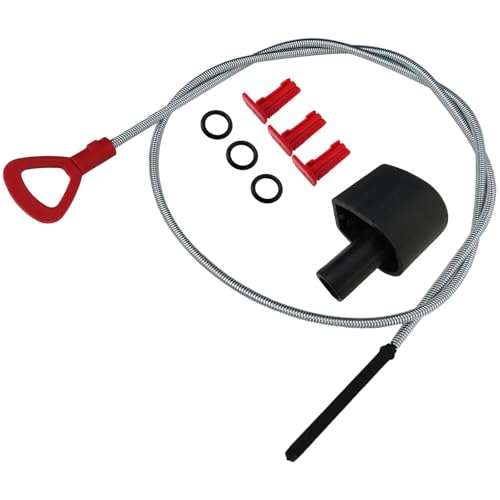
How can you tell if your vehicle has a transmission dipstick or a sealed system? First, open the engine compartment and look for a T-shaped handle, usually orange or yellow—this indicates a traditional transmission dipstick. If you don’t spot one, your vehicle likely features a sealed transmission. To confirm, consult your owners manual, which specifies whether your transmission is sealed or dipstick-equipped. Sealed transmissions, common in many modern Ford and GM models, are designed to minimize maintenance, so you rarely need to check your transmission fluid manually. Understanding this distinction frees you from unnecessary tasks and guides you toward the correct fluid-checking method. Always rely on your owners manual to verify accuracy and avoid damaging your system when handling transmission fluid.
Locate the Transmission Inspection Plug and Fill Plug

After confirming whether your vehicle uses a dipstick or a sealed transmission, the next step is to locate the transmission inspection and fill plugs. Start by consulting your owner’s manual for exact diagrams and plug locations. Typically, the transmission inspection plug sits on the transmission case’s side, while the fill plug is positioned at the top or side for easier access. Park your vehicle on a level surface to guarantee accuracy when checking your transmission fluid. Use a socket wrench to carefully remove the plugs, avoiding damage to threads or components. Always wear protective gloves and position a drain pan beneath to catch any fluid spillage. Mastering how to find the transmission inspection plug and fill plug empowers you to maintain your transmission fluid levels confidently and independently.
Warm Up Your Transmission Fluid to the Correct Temperature

You need to warm your transmission fluid to between 185 and 194 degrees Fahrenheit for an accurate level check. Keep the engine idling at 600 to 800 RPM to circulate the fluid evenly while monitoring the temperature with an OBD scanner. Always follow your owner's manual for exact temperature specifications and checking procedures.
Optimal Fluid Temperature
Although it may seem straightforward, checking your transmission fluid at the correct temperature is crucial for accurate readings. To determine the transmission fluid level precisely, you must warm up the fluid to its ideal temperature—between 185°F and 194°F. Run your vehicle for about five minutes at idle (600–800 RPM) to circulate the fluid uniformly. This guarantees the fluid’s viscosity aligns with manufacturer standards for an accurate fluid check. Always consult your owner's manual to confirm specific temperature guidelines.
| Parameter | Required Range | Purpose |
|---|---|---|
| Fluid Temperature | 185°F - 194°F | Ideal temperature for reading |
| Engine Idle Speed | 600 - 800 RPM | Stable fluid circulation |
| Warm-up Duration | ~5 minutes | Achieves accurate fluid state |
Monitoring Temperature Accurately
Achieving the correct transmission fluid temperature requires careful monitoring during the warm-up phase. To keep your transmission fluid within the ideal 185 to 194 degrees Fahrenheit range, maintain the engine idle at 600 to 800 RPM. This stabilizes fluid temperature, guaranteeing accurate fluid checks. Use an OBD scanner to monitor temperature accurately in real-time, allowing precise adjustments to reach the perfect warmth. Properly warmed transmission fluid ensures better fluid movement, making level determination through the inspection plug reliable. Always consult your vehicle’s owner’s manual for specific temperature guidelines and fluid check procedures to comply with manufacturer recommendations. By mastering this process, you liberate yourself from guesswork and maintain transmission health effectively.
Park on a Level Surface and Keep the Engine Idling

One critical step when checking transmission fluid without a dipstick is to park your vehicle on a flat, level surface and keep the engine idling. This guarantees the fluid reaches its ideal operating temperature, typically between 185°F and 194°F, for an accurate reading. Maintain engine idling RPM between 600 and 800 to circulate the fluid properly before opening the inspection plug. This precision frees you from guesswork, empowering you to monitor your vehicle’s health confidently.
| Step | Reason | Result |
|---|---|---|
| Park on level surface | Guarantees accurate fluid level | Reliable fluid measurement |
| Keep engine idling | Achieves ideal fluid temperature | Correct fluid circulation |
| Open inspection plug | Access transmission fluid | Clean, safe fluid inspection |
Use an OBD Scanner to Monitor Transmission Fluid Temperature

You’ll want to connect your OBD scanner to the vehicle’s OBD-II port and access the transmission fluid temperature data. Make certain the temperature reads between 185 and 194 degrees Fahrenheit for accurate fluid level checks. Monitoring this temperature helps prevent damage and guarantees your readings are precise.
 Why Should You Replace SUV Transmission Fluid?
Transmission Fluid Temperature Importance
Monitoring transmission fluid temperature with an OBD scanner is crucial for maintaining your vehicle’s transmission health. Accurate fluid checks depend on operating within the ideal temperature range of 185–194°F. This range guarantees proper lubrication and cooling, preventing fluid degradation and transmission damage. Regular inspection and fill schedules, guided by temperature data, extend transmission lifespan and optimize performance.
| Parameter | Ideal Range | Impact of Deviation |
|---|---|---|
| Transmission Fluid Temp | 185–194°F | Overheating causes fluid breakdown |
| Fluid Check Timing | Every 50,000-100,000 miles | Early detection avoids damage |
| Inspection & Fill Action | Based on temp | Maintains lubrication & cooling |
Use OBD scanner data to liberate yourself from guesswork and guarantee precise transmission maintenance.
OBD Scanner Usage Tips
How can you effectively use an OBD scanner to monitor your transmission fluid temperature? First, connect your OBD scanner to the vehicle’s diagnostic port, typically found under the dashboard. Power it on and navigate to the transmission fluid temperature readings. With advanced OBD scanners, you can monitor live data streams, allowing you to observe temperature fluctuations while the vehicle idles. This real-time monitoring guarantees you check fluid levels at the correct temperature, preventing inaccurate assessments. Regularly using an OBD scanner helps you detect abnormal temperature readings early, signaling potential transmission issues before they worsen. Always consult your vehicle’s owner’s manual for scanner compatibility and specific transmission fluid temperature specs. Many of the best OBD2 scanners feature live data capability, ensuring accurate and up-to-date monitoring as you check your transmission fluid. Mastering this technique grants you control over your vehicle’s health without relying on traditional dipstick methods.
Ideal Temperature Range
After connecting your OBD scanner and accessing real-time transmission fluid temperature data, focus on maintaining the fluid within the ideal range of 185 to 194 degrees Fahrenheit. This range guarantees accurate readings when you check transmission fluid without a dipstick, as fluid viscosity stabilizes for precise level assessment. Keep the engine idling between 600 to 800 RPM to help the transmission fluid circulate properly in the transmission pan. Monitoring temperature within this ideal temperature range also helps you detect overheating, which could signal cooling system failures or fluid degradation. Always consult your vehicle’s owner’s manual for model-specific procedures and temperature guidelines. By adhering to these steps, you gain control over transmission maintenance, guaranteeing fluid levels are reliable and your system operates efficiently without guesswork.
Safely Open the Inspection Plug to Assess Fluid Level
Before opening the inspection plug, make sure your vehicle is parked on a level surface with the engine idling to reach the proper operating temperature, ensuring an accurate fluid level reading. Follow these steps to safely assess the transmission oil fill level:
- Wear protective gloves to avoid burns from hot transmission fluid or components.
- Position a drain pan beneath the inspection plug to capture any escaping fluid.
- Slowly loosen the inspection plug, allowing excess fluid to drain; fluid flow cessation indicates correct fill level.
- Inspect the fluid color: dark or black transmission oil signals the need for a fluid change.
Careful execution of this inspection grants you precise control over your transmission’s health and performance.
Observe Fluid Flow From the Inspection Plug for Accurate Measurement
When you remove the inspection plug with the vehicle idling and transmission warmed, observe the fluid flow carefully. A steady drip indicates the correct fluid level, while continuous flow signals overfill. Use this visual cue to determine if you need to drain excess fluid or schedule a fluid change.
Fluid Flow Indicators
Although it requires careful timing, observing fluid flow from the inspection plug provides the most accurate measurement of transmission fluid level. You’ll rely on fluid coming out to determine if the oil level is correct. Here’s what to watch for with fluid flow indicators:
- A continuous steady stream from the inspection plug means the transmission is properly filled.
- No fluid flow signals underfill; add fluid until it flows freely.
- Excess fluid causes persistent leaking, indicating overfill.
- A sudden stop in flow marks the fill line reached, confirming the right oil level.
Always check fluid at operating temperature (185–194°F) for precise readings. This technique liberates you from guesswork, ensuring your transmission stays healthy without a dipstick.
Inspection Plug Technique
One critical step in checking transmission fluid accurately is using the inspection plug technique, which involves observing fluid flow directly from the transmission housing. Park your vehicle on a level surface, let the engine idle until fluid hits 185-194°F, then wear protective gloves and carefully remove the inspection plug. If fluid flows out, levels are sufficient; no flow signals low fluid. Excess fluid requires plugging and topping up via the fill plug until it flows out. Always assess fluid color—dark or burnt means a change is due.
| Step | Emotional Impact |
|---|---|
| Wear protective gloves | Confidence, safety |
| Remove inspection plug | Control, empowerment |
| Observe fluid flow | Assurance, clarity |
| Adjust fluid level | Mastery, liberation |
| Check fluid condition | Responsibility, freedom |
Add Transmission Fluid Through the Fill Plug When Necessary
Before adding transmission fluid through the fill plug, locate the plug on the top of your vehicle’s transmission case as specified in the owner’s manual. To keep your transmission functioning at peak performance, add transmission fluid only when necessary. Follow these steps:
 5 Best Ways to Check Transmission Fluid Level
Locate the fill plug on your transmission case before adding fluid, and add only when necessary for optimal performance.
- Make sure the vehicle is on a level surface and the transmission is at operating temperature (185–194°F).
- Carefully remove the fill plug using appropriate tools, preventing damage.
- Using a funnel or long hose, slowly add the recommended fluid type until fluid begins to flow from the inspection plug, signaling the correct level.
- Securely reinstall both fill and inspection plugs, tightening to manufacturer torque specs to prevent leaks.
Always refer to your owner’s manual to keep your transmission in top condition and avoid fluid-related failures.
Identify Symptoms of Low or Contaminated Transmission Fluid
Several key symptoms can help you identify low or contaminated transmission fluid before serious damage occurs. If you notice difficult shifting or whining noises, these are clear signs of bad fluid affecting lubrication. Check the transmission dipstick if available; fluid that appears brown or black instead of the standard red indicates contamination or degradation. A burning smell also signals overheating or breakdown of fluid. Additionally, unexpected dashboard warning lights related to transmission temperature suggest fluid problems. Ignoring these symptoms risks severe transmission damage and costly repairs. Monitor fluid quality and levels regularly to maintain peak performance, and address any signs of bad transmission fluid promptly to preserve your vehicle’s drivability and fuel economy.
Utilize Professional Tools and Resources for Fluid Checks
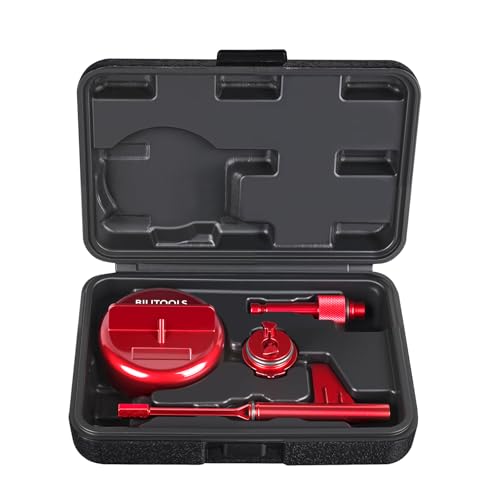
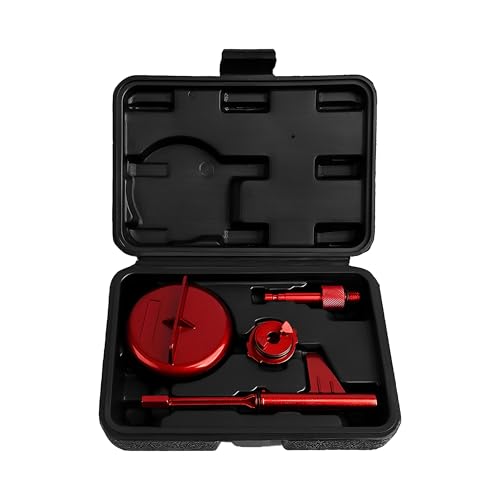
When you need accurate transmission fluid checks, professional tools and resources provide essential support. Using these tools empowers you to maintain fluid levels precisely, even without a dipstick. Consider these options:
- Employ a professional-grade OBD scanner to monitor transmission fluid temperature, ensuring checks occur between 185–194°F for accuracy.
- Use a transmission fluid tester to assess fluid quality and detect contamination, vital for transmission health.
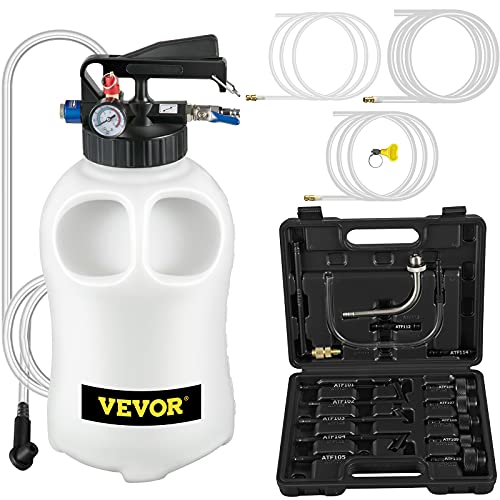
- Utilize vacuum pumps for efficient fluid extraction and refilling, simplifying maintenance.
- Access proprietary diagnostic equipment at automotive service centers, which reliably evaluates fluid levels without a dipstick.
Additionally, leverage instructional resources from retailers like O’Reilly Auto Parts to master these professional tools. This approach liberates you from guesswork, guaranteeing precise transmission fluid management.
Frequently Asked Questions
How Do You Check Transmission Fluid if There Is No Dipstick?
You’ll locate inspection and fill plugs, warm the engine, then remove the inspection plug for fluid checking methods. Observe fluid color significance for contamination signs. Follow transmission maintenance tips precisely to maintain peak performance.
How Do You Check Transmission Fluid on a Paper Towel?
Like reading tea leaves, the paper towel method reveals transmission health. Catch fluid from the inspection plug on a towel, then check fluid color and consistency carefully; red and clear means you're in the clear.
How Can I Tell if My Transmission Fluid Is Low?
You’ll recognize transmission fluid signs like dark color and burnt smell. Low fluid symptoms include hard shifting and whining noises. Check fluid consistency by observing color and texture to guarantee peak transmission performance and avoid damage.
Do You Check Transmission Fluid Level With an Engine Running?
You check transmission fluid level with engine operation because fluid temperature affects accuracy. Let the engine idle safely to reach proper temperature, follow safety precautions, and guarantee fluid circulates for a precise, reliable reading every time.
Final Thoughts
Checking your transmission fluid without a dipstick might feel a bit unconventional, but with the right approach, it’s entirely manageable. By using inspection and fill plugs, warming the fluid, and monitoring temperature precisely, you guarantee your transmission stays in peak condition. Remember, a subtle nudge—like recognizing early signs of fluid issues or employing proper diagnostic tools—can save you from more significant challenges down the road. Stay proactive to keep your vehicle running smoothly.
 Transmission Fluid Checks Before Your Next Road Trip
Reliable Floor Jacks on a Budget: Best Picks for Under $150
Top-Rated Floor Jacks Over $100: Built for Professionals, Priced for Smart Buyers
If you want to know other articles similar to 10 Best Ways to Check Transmission Fluid Without Dipstick you can visit the Transmission Fluid Care category.
5 Best Ways to Check Transmission Fluid Level

Why Should You Replace SUV Transmission Fluid?

Why Is Your Car Shifting Roughly Lately?

How to Check Civic Transmission Fluid: 3 Steps

How to Check Your Car’s Transmission Fluid

How Much Does a Professional Transmission Fluid Check Cost?

What Frequency Should You Check Transmission Fluid?

Common Indicators of Low Transmission Fluid
Leave a Reply
This is also interesting