















10 Summer Maintenance Tips to Prevent Overheating


Keep your cooling system in check by inspecting the radiator, fans, and hoses regularly, topping off coolant with the correct 50/50 mix to prevent overheating. Service your air conditioning and replace cabin air filters every 1-2 months to maintain airflow. Test your battery annually and guarantee tire pressure is at manufacturer specs. Also, inspect belts and hoses for wear, schedule timely oil changes, protect your interior from heat, and prepare an emergency kit. Continued guidance will help optimize your vehicle’s summer performance.
Table
- Main Points
- Check Your Cooling System Regularly
- Inspect and Service the Air Conditioning System
- Test and Maintain Your Battery Health
- Monitor and Adjust Tire Pressure
- Replace Air Filters for Optimal Airflow
- Keep Engine Fluids at Recommended Levels
- Inspect Belts and Hoses for Wear
- Schedule Timely Oil Changes
- Protect Your Vehicle’S Interior From Heat Damage
- Prepare an Emergency Kit for Summer Driving
- Frequently Asked Questions
- Final Thoughts
Main Points
- Regularly inspect and maintain the cooling system, including radiator, hoses, and coolant levels with a proper 50/50 antifreeze-water mix.
- Check and replace belts and hoses showing signs of wear to avoid failures that can cause overheating.
- Ensure radiator fans operate correctly and clean debris to improve airflow and cooling efficiency.
- Monitor battery health and electrical connections to prevent unexpected failures during hot weather.
- Use reflective sunshades and park in shaded areas to reduce cabin heat and protect interior components.
Check Your Cooling System Regularly

Although it’s easy to overlook, checking your cooling system regularly is essential to prevent engine overheating during summer. Start by inspecting your radiator and cooling fans to verify they function correctly; any malfunction risks severe heat buildup. Monitor coolant levels closely and top them off with the manufacturer-specified fluid to maintain peak system performance. Follow your vehicle’s maintenance schedule for cooling system fluid exchanges, preventing harmful deposits that reduce efficiency. Examine hoses for wear and secure all connections to avoid leaks, which can cause coolant loss and overheating. Detecting and addressing even minor leaks early preserves system integrity. Just as using robust construction in automotive tools ensures durability, maintaining your cooling system with quality fluids and thorough inspections safeguards your engine’s performance during the hottest months. These maintenance tips to help you maintain your cooling system empower you to avoid breakdowns and keep your engine running smoothly during the hottest months.
Inspect and Service the Air Conditioning System

To guarantee your vehicle’s air conditioning system performs at its best during hot weather, you should regularly inspect its components and refrigerant levels. Low refrigerant reduces cooling efficiency and risks system damage, especially under intense summer heat. Check for leaks, which increase energy consumption and diminish performance. Clean or replace the cabin air filter every 1-2 months to sustain airflow and indoor air quality, ensuring your comfort during sweltering days. Schedule an annual professional tune-up to detect and address emerging issues before peak summer use, preserving system reliability. By maintaining your air conditioning system proactively, you secure peak cooling power, energy efficiency, and longevity, liberating you from the discomfort and risks of overheating in extreme temperatures.
Test and Maintain Your Battery Health

Maintaining your vehicle’s air conditioning system is important for comfort, but ensuring your battery is in good condition is equally crucial for reliable operation during summer. The heat of summer places additional stress on your battery, making it essential to test and maintain battery health regularly. Inspect terminals for corrosion and clean them to prevent increased resistance that leads to failure. Verify all connections are tight and free from debris, as loose connections can cause power interruptions. Test your battery at least once yearly, especially if it’s over three years old, since aging batteries weaken under heat stress. Watch for warning signs like dimming lights or slow engine cranking, and replace batteries exhibiting swelling or leaks to avoid overheating and catastrophic failure.
Monitor and Adjust Tire Pressure

You should check your tire pressure at least once a month, especially during hot summer months when temperature changes can increase pressure by 1 PSI for every 10°F rise. Always maintain the pressure at the manufacturer's recommended level, found on the driver’s side door jamb or in the owner’s manual, to guarantee safety and efficiency. Adjust your tires in the morning before driving to get accurate readings and compensate for temperature fluctuations.
Check Pressure Regularly
Checking your tire pressure at least once a month is essential for ideal vehicle performance and safety. You need to check pressure regularly because fluctuations caused by heat can greatly alter tire PSI. For every 10°F change in temperature, tire pressure shifts by approximately 1 psi, increasing in hot conditions and decreasing as temperatures drop. Over- or under-inflated tires compromise traction and fuel efficiency, especially when heat builds up during driving. Always use a reliable pressure gauge and measure tires when cold to avoid inaccurate readings caused by heat expansion. Maintaining correct tire pressure liberates you from unexpected handling issues, reduces wear, and optimizes fuel economy. Regular checks empower you to control your vehicle’s safety and performance, preventing overheating-related problems linked to improper tire pressure.
Maintain Manufacturer Recommendations
Although temperature changes can affect tire pressure, adhering to the manufacturer's recommended levels guarantees your vehicle performs safely and efficiently. You’ll find these specifications inside the driver’s door or the owner’s manual, and maintaining this precise tire pressure prevents overheating and optimizes handling. Under-inflated tires increase rolling resistance, raising fuel consumption and heat buildup, while over-inflated tires reduce traction and ride comfort. To uphold these standards, check your tire pressure monthly and before long trips using a reliable gauge. Always measure pressure when tires are cold, as heat from driving elevates readings. By strictly following manufacturer recommendations, you liberate yourself from preventable tire wear and performance issues, ensuring your vehicle remains safe and efficient throughout summer’s demanding conditions. For added safety during tire maintenance, consider using double locking mechanisms on your jack stands to ensure stability and prevent accidental slips.
 3 Best Fluids to Inspect Before Winter Driving
Address Temperature Fluctuations
Since tire pressure fluctuates with temperature changes—about 1 PSI for every 10°F shift—you need to monitor and adjust it regularly to maintain ideal performance and safety. Temperature fluctuations during summer cause tire pressure to rise or fall, affecting your vehicle’s handling and fuel efficiency. Use a reliable tire pressure gauge to check pressure monthly and before long trips, always measuring when tires are cold for accuracy. Under-inflated tires increase heat buildup, risking blowouts in hot conditions. Maintaining recommended pressure not only guarantees safety but also improves fuel efficiency by 3-5%. Incorporating this into your summer maintenance tips liberates you from unexpected tire issues, enhancing control and reliability on the road. Prioritize tire pressure to navigate summer’s heat confidently and efficiently. If you need to elevate your vehicle for a more thorough inspection or tire maintenance, consider using low-profile jack stands for added safety and stability during your summer check-ups.
Replace Air Filters for Optimal Airflow

When you replace air filters every 1-2 months, you guarantee ideal airflow and system efficiency, which keeps your home cooler and reduces strain on your air conditioning unit. Dirty or clogged air filters restrict airflow, forcing your system to work harder, increasing energy consumption and risking costly failures. During summer maintenance, prioritize inspecting your filters to verify they’re clean and functional. Selecting the right type—such as HEPA or pleated—maximizes filtration, trapping dust, allergens, and pollutants, improving indoor air quality. This simple, regular task not only enhances performance but also extends your HVAC system’s lifespan. By maintaining peak airflow, you liberate yourself from overheating issues and high energy bills, securing a comfortable, efficient home environment throughout the summer heat.
Keep Engine Fluids at Recommended Levels
You need to regularly monitor your coolant levels to prevent engine overheating during summer drives. Keep engine oil and other fluids within the manufacturer’s specified ranges to guarantee proper lubrication and system performance. Don’t forget to inspect hoses for wear, as leaks can compromise fluid levels and lead to costly damage.
Monitor Coolant Levels
To prevent engine overheating during summer, regularly check your vehicle's coolant level in both the radiator and overflow tank, ensuring it matches the manufacturer’s recommended specifications. Maintaining proper coolant levels is essential for summer maintenance and engine protection.
- Verify the coolant mix is a 50/50 blend of antifreeze and water to optimize thermal performance.
- Inspect for leaks such as puddles or damp hoses that reduce coolant levels and risk overheating.
- Schedule a cooling system fluid exchange every 30,000 miles or per manufacturer guidelines.
- Confirm radiator and cooling fans operate efficiently to maintain adequate airflow and engine temperature control.
Maintain Oil and Fluids
Although summer heat puts extra stress on your vehicle, maintaining oil and fluid levels at recommended specifications guarantees peak engine performance and prevents overheating. Regularly check your engine oil, topping off when needed, and adhere to scheduled oil changes—typically every 5,000 to 7,500 miles—to verify maximum lubrication under high temperatures. Monitor coolant levels closely, as low coolant risks engine failure. Inspect transmission fluid for proper level and cleanliness to avoid overheating issues that degrade performance. Don’t overlook brake fluid; maintain correct levels to prevent pressure loss from heat expansion, which could lead to brake failure. These home maintenance tips keep you cool by safeguarding your vehicle’s critical systems, confirming smooth operation and liberation from breakdowns during the intense summer months.
Inspect Belts and Hoses for Wear
Since belts and hoses play critical roles in your vehicle's cooling system, inspecting them regularly for signs of wear is vital. During your summer maintenance, focus on identifying wear and tear early to prevent overheating and costly repairs. Follow these steps:
- Examine belts for fraying, cracking, or glazing to guarantee proper tension and function.
- Inspect hoses for bulging, cracks, leaks, or soft spots that indicate deterioration.
- Verify all hose connections are secure and free from corrosion to avoid coolant leaks.
- Replace belts and hoses every 4-6 years or sooner if damage is evident, adhering to manufacturer guidelines.
Consistent inspection and timely replacement of worn components liberate you from unexpected breakdowns, maintaining your vehicle’s peak performance in hot conditions.
Schedule Timely Oil Changes
When you schedule timely oil changes, you protect your engine from overheating and excessive wear caused by dirty or degraded oil. During summer heat, oil viscosity breaks down faster, reducing its ability to lubricate and cool engine components effectively. To maintain peak engine performance, change your oil every 5,000 to 7,500 miles, depending on your vehicle and oil type. Synthetic oil offers superior resistance to heat degradation and enhances engine efficiency under high temperatures. Before starting long summer trips, always check and top off your oil level to guarantee adequate lubrication. Neglecting timely oil changes increases friction, accelerates engine wear, and raises the risk of overheating, ultimately leading to costly repairs. Prioritize oil changes as a critical step in your summer maintenance routine to secure your vehicle’s freedom from heat-induced damage. For a cleaner and more efficient oil change process, consider using spill prevention features found in modern oil drain pans to minimize mess and ensure safe disposal of old oil.
 What Fall Car Maintenance Steps Ensure Safe Driving?
Protect Your Vehicle’S Interior From Heat Damage
You can greatly reduce interior heat by using reflective sunshades, which lower cabin temperatures by up to 30°F and protect surfaces from UV damage. Make sure to regularly clean and condition leather and vinyl materials to prevent cracking and fading from prolonged sun exposure. These steps help maintain your vehicle’s interior integrity and extend the lifespan of its components. For optimal results, consider using interior cleaning kits that include specialized cleaners and UV protectants designed to shield your dashboard and seats from heat-related damage.
Use Sunshades Effectively
Using sunshades can lower your vehicle’s interior temperature by up to 30°F, greatly protecting the dashboard and upholstery from heat damage and fading. To use sunshades effectively and beat the heat, follow these precise steps:
- Install reflective windshield sunshades during peak sun hours to minimize heat buildup.
- Choose sunshades designed to fit your vehicle’s windows snugly, maximizing coverage.
- Position sunshades to block harmful UV rays, preventing material deterioration.
- Use sunshades consistently when parking to enhance your car’s cooling efficiency and reduce air conditioning load.
Condition Interior Materials
Although sunshades reduce heat buildup, additional steps are essential to protect your vehicle’s interior materials from damage caused by prolonged exposure to high temperatures and UV rays. Condition leather or vinyl surfaces regularly with suitable protectants to maintain flexibility and prevent cracking. Apply UV protectants to dashboards and interior panels to block harmful rays. Opt for breathable fabrics to minimize moisture retention and heat buildup, similar to principles in Summer Home Maintenance. Park in shaded areas and keep windows slightly cracked (if safe) to promote airflow. For further protection against interior wear and moisture, consider the benefits of Motor Trend Rubber Floor Mats to help preserve your vehicle's flooring during extreme summer conditions.
| Material Type | Recommended Care | Benefits |
|---|---|---|
| Leather | Clean & condition monthly | Maintains flexibility, prevents cracking |
| Vinyl | Use vinyl protectants | Prevents dryness and fading |
| Dashboard | Apply UV protectant | Shields from discoloration |
| Fabrics | Choose breathable fabrics | Reduces heat and moisture buildup |
Prepare an Emergency Kit for Summer Driving
When driving during the summer months, preparing a well-stocked emergency kit proves vital for handling unexpected breakdowns or delays. It’s important to keep this kit organized and accessible to maintain your freedom on the road. Include these essential items:
- Water, non-perishable snacks, flashlight, and first aid kit for hydration, nutrition, visibility, and medical needs.
- Portable phone charger and basic tool kit to power devices and perform minor repairs.
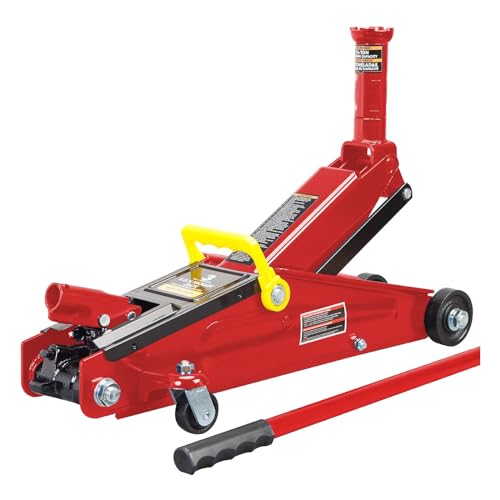
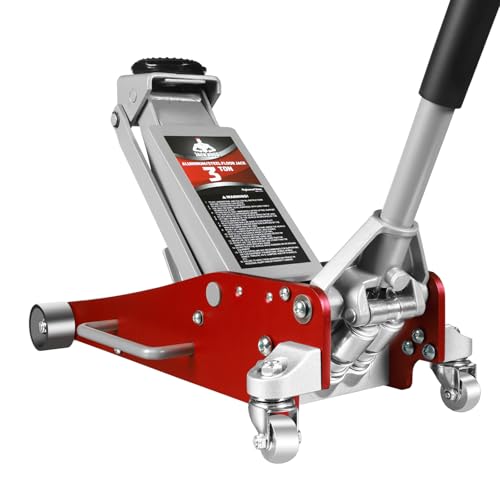
- Extra coolant, spare tire, jack, and lug wrench to manage overheating and flat tires effectively.
- Roadside emergency sign or reflective triangles to alert other drivers when stopped.
Regularly check and replenish your emergency kit to guarantee readiness, safeguarding your summer driving experience against unforeseen challenges.
Frequently Asked Questions
How Can We Prevent Overheating in Summer?
You can prevent overheating by optimizing your air conditioning system's efficiency and employing advanced insulation techniques to seal your home tightly. This reduces heat gain, lowers energy use, and liberates you from excessive indoor temperatures and costs.
How Do You Escape Heat in Summer?
When summer’s heat wraps you like a heavy blanket, escape by mastering shade strategies—seek cool canopies or awnings. Prioritize indoor activities in climate-controlled spaces to liberate yourself from heat’s grasp, ensuring ideal comfort and safety.
Final Thoughts
By following these summer maintenance tips, you’ll keep your vehicle running smoothly and avoid overheating issues. For example, imagine Sarah, who neglected her cooling system and faced a costly breakdown during a heatwave. Regularly checking your cooling system, battery, and tire pressure can prevent such scenarios. Staying proactive not only extends your vehicle’s lifespan but also guarantees your safety on the road when temperatures soar. Don’t wait—start your summer maintenance today.
 Essential Winter Maintenance Guide for Beginners
Reliable Floor Jacks on a Budget: Best Picks for Under $150
Top-Rated Floor Jacks Over $100: Built for Professionals, Priced for Smart Buyers
If you want to know other articles similar to 10 Summer Maintenance Tips to Prevent Overheating you can visit the Seasonal Car Care Tips category.
3 Best Fluids to Inspect Before Winter Driving

Spring Maintenance Checklist: 7 Tips for Aging Cars

Seasonal Tire Maintenance Tips for Improved Traction

7 Best Steps to Ready Your Vehicle for Rain

Budget-Friendly Seasonal Maintenance Tips for Students

Car Battery Care Tips for Winter Weather

Essential Winter Maintenance Guide for Beginners

What Fall Car Maintenance Steps Ensure Safe Driving?
Leave a Reply
This is also interesting