











What Fall Car Maintenance Steps Ensure Safe Driving?


You should check your tire pressure monthly and verify tread depth meets safety standards, switching to winter tires for better traction. Test your battery’s health and clean terminals to avoid cold-weather failures. Inspect brakes and brake fluid for wear and proper levels. Replace wiper blades and top off washer fluid with freeze-rated solution. Change your oil and air filter, flush and refill coolant, and verify all vehicle lights function properly. Prepare an emergency kit stocked for winter conditions. These steps lay the groundwork for thorough fall vehicle care.
Table
- Main Points
- Check Your Tire Pressure and Tread Depth
- Switch to Winter Tires
- Inspect and Test Your Battery
- Examine Your Brakes and Brake Fluid
- Replace Wiper Blades and Refill Washer Fluid
- Change Your Oil and Air Filter
- Flush and Refill Your Coolant System
- Inspect and Test All Vehicle Lights
- Prepare an Emergency Kit for Winter Driving
- Frequently Asked Questions
- Final Thoughts
Main Points
- Check and maintain proper tire pressure and tread depth to ensure traction on wet and slippery fall roads.
- Inspect brakes, including pads and fluid, to guarantee responsive and reliable stopping power during unpredictable weather.
- Replace wiper blades and refill washer fluid with freeze-rated solution for clear visibility in rain and early frost.
- Test all vehicle lights and replace dim or burnt-out bulbs to maintain maximum visibility during shorter daylight hours.
- Change oil and air filters on schedule to support optimal engine performance in cooler fall temperatures.
Check Your Tire Pressure and Tread Depth

Because tire pressure drops in cooler temperatures, you should check your tire pressure monthly to maintain ideal handling and fuel efficiency. Under-inflated tires compromise tire performance, causing uneven wear and increased fuel consumption, which undermines your freedom on the road. Assess tread depth regularly—use the Quarter Test to verify it meets the minimum 2/32-inch threshold essential for safe driving, especially in wet conditions. Adequate tread maximizes grip and control, preventing slips. Don’t forget tire rotation every 6,000 to 8,000 miles; it promotes even wear, extending tire lifespan and maintaining consistent performance. While winter tires improve safety on snow and ice, focus first on maintaining proper pressure and tread depth to liberate yourself from avoidable hazards and expenses this fall.
Switch to Winter Tires

When temperatures drop and roads become icy, switching to winter tires greatly improves your vehicle’s traction, handling, and braking performance. Winter tires feature deeper treads and softer rubber compounds that stay flexible in cold temperatures, maximizing grip on slippery surfaces. By switching to winter tires before the first frost, you reduce stopping distances by up to 30% compared to all-season tires, enhancing safe driving in early fall conditions. This proactive maintenance not only boosts your control but also minimizes tread wear on your summer tires by reserving them for warmer months. Prioritize switching to winter tires to guarantee peak vehicle performance and safety throughout the colder seasons, liberating you from hazardous road conditions and preserving your tire investment.
Inspect and Test Your Battery

Inspect your car battery thoroughly as cold weather places extra strain on its performance, increasing the likelihood of failure. To guarantee your vehicle withstands harsh driving conditions, have the battery tested to confirm sufficient charge and health. Replace batteries older than 3-5 years or showing signs of weakness. Clean terminals to maintain peak connectivity. While you inspect your brakes separately, don’t overlook the battery’s critical role in starting your engine reliably. If you want added security during emergencies, consider having a NOCO Boost Plus GB40 available to ensure you have power when needed.
| Task | Recommended Action |
|---|---|
| Battery Age | Replace if >3-5 years |
| Charge Capacity | Test with multimeter or professional |
| Terminal Inspection | Clean corrosion for strong connection |
| Cold Weather Impact | Monitor for decreased battery performance |
| Emergency Preparedness | Learn jumpstart procedures |
Examine Your Brakes and Brake Fluid

You need to inspect your brake pads and rotors for wear to guarantee reliable traction on slippery fall roads. Check the brake fluid level and quality regularly, since contaminated or low fluid impairs braking responsiveness. Perform brake performance tests, including listening for unusual noises, to identify any issues early and maintain safe stopping power.
Brake Pad Wear
Because brake pads wear down faster under wet or icy conditions, it’s vital to examine them regularly during fall. Inspect the brake pads and rotors for thinning or scoring. Listen closely for unusual sounds—squeaking or grinding signals that pads need replacement. Check brake fluid levels as part of your fall maintenance; low fluid compromises braking efficiency. Incorporate brakes and tires evaluation into your maintenance checklist to guarantee safe and smooth driving on slippery roads. Remember, responsive brakes are essential for liberation from accident risks. Key steps include:
- Visual inspection of brake pads and rotors for wear
- Monitoring brake fluid levels
- Listening for unusual brake sounds
- Scheduling professional inspections every 10,000 miles
Stay proactive; maintaining your brakes guarantees confident control throughout fall’s challenges. For additional peace of mind, consider using a car battery tester to ensure your vehicle’s electrical and starting systems are reliable as temperatures drop.
Fluid Level Check
Maintaining ideal brake fluid levels is vital for preserving your vehicle’s braking efficiency throughout the fall season. You need to regularly check the brake fluid reservoir, verifying fluid levels meet manufacturer recommendations. Contaminated or discolored brake fluid compromises braking power and risks failure, so inspect its clarity closely. While checking fluids, don’t neglect oil, transmission fluid, and wiper fluid—each plays an essential role in overall vehicle performance and safety. Pay particular attention to brake fluid, as its condition directly affects stopping capability on slippery fall roads. If you detect unusual noises or vibrations during braking, schedule a professional inspection promptly. By maintaining proper fluid levels and condition, you guarantee your brake system operates reliably, granting you the freedom to drive confidently and safely through challenging autumn conditions. For added safety, consider using a diagnostic tool to help monitor your vehicle’s systems and catch potential issues before they become serious problems.
Brake Performance Tests
After verifying brake fluid levels and quality, it’s important to assess brake performance directly. Performing thorough brake performance tests helps you guarantee safety, especially on slippery roads during fall. Evaluate brake pads for wear since worn pads reduce responsiveness and increase stopping distance. Listen for unusual noises like squeaking or grinding, signaling potential issues. Conduct controlled braking at various speeds to test system effectiveness. Remember, professional brake inspection every 10,000 miles prevents failures and maintains ideal brake fluid condition. Key checkpoints include:
- Inspect brake pads and rotors for wear or damage
- Monitor brake fluid for contamination or low levels
- Listen for abnormal braking sounds indicating worn pads
- Perform controlled braking tests to evaluate responsiveness
To further ensure your braking system is free of air and contaminants, consider using a manual brake bleeder kit, which allows for efficient brake fluid replacement and improved brake performance.
 Essential Winter Maintenance Guide for Beginners
Replace Wiper Blades and Refill Washer Fluid

When preparing your vehicle for fall, replacing worn wiper blades and refilling the washer fluid are crucial tasks to secure clear visibility. Wiper blades deteriorate from UV exposure and temperature shifts, so inspect and replace them every 6 to 12 months to maintain peak performance. Also, refill the washer fluid reservoir with a freeze-rated solution to prevent freezing and guarantee windshield clarity in icy conditions. Don’t forget to inspect wiper arms for damage or misalignment, which can impair blade contact. Test wipers at multiple speeds to confirm reliable operation. These steps are essential to guarantee your visibility and safe driving during fall’s unpredictable weather.
| Task | Importance |
|---|---|
| Inspect wiper blades | Detect wear and damage |
| Replace wiper blades | Maintain clear windshield |
| Check wiper arms | Secure proper blade contact |
| Refill washer fluid | Prevent freezing, improve wash |
| Test wipers at speeds | Confirm effective operation |
Change Your Oil and Air Filter
Change your oil and air filter regularly to keep your engine running efficiently and extend its lifespan. An oil change every 5,000 miles or as your owner’s manual advises guarantees your engine operates smoothly, especially with fall’s colder temperatures affecting oil viscosity. Replacing your air filter improves airflow, boosting fuel economy by up to 10% and reducing engine strain.
Regular oil and air filter changes ensure efficient engine performance and better fuel economy during cooler fall months.
To promote a safe, reliable drive, follow these car maintenance tips:
- Use high-quality oil suitable for fall temperatures
- Change your oil promptly to prevent engine wear
- Replace clogged air filters to maintain peak engine performance
- Monitor mileage to schedule timely oil changes and filter replacements
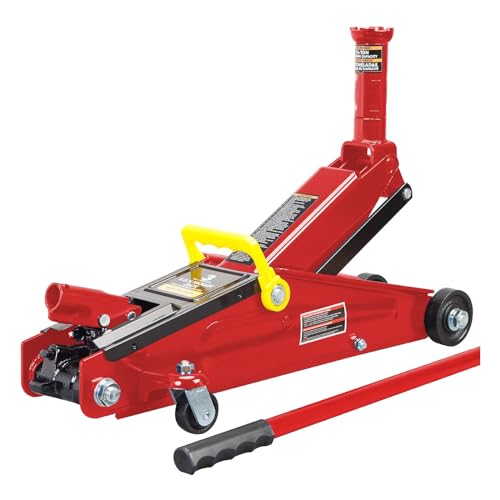
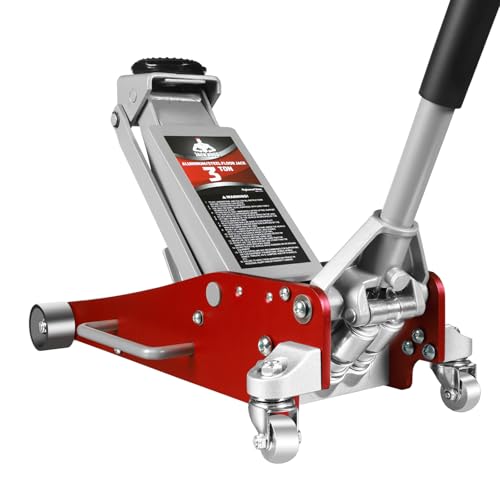
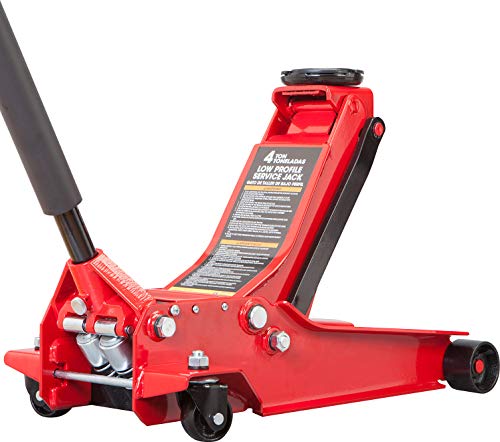
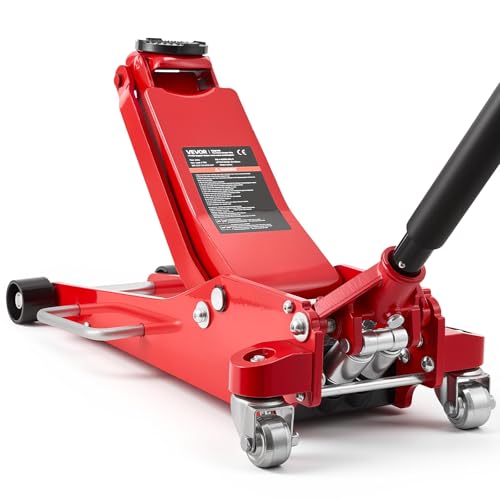
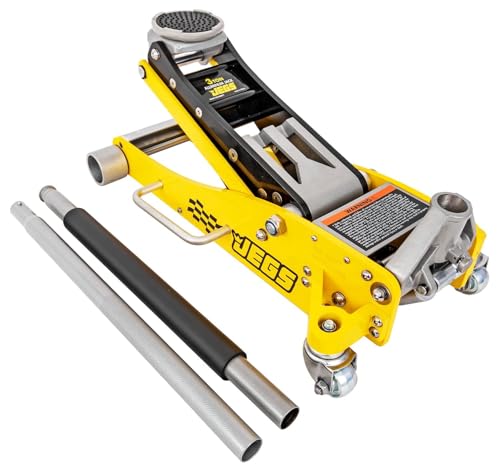
These steps liberate your engine from avoidable damage, keeping it running smoothly and confidently during fall drives. For additional vehicle safety during seasonal maintenance, consider using quality floor jacks for secure and stable lifting when working under your car.
Flush and Refill Your Coolant System
Alongside maintaining your oil and air filter, keeping your coolant system in excellent condition plays an essential role in engine health. To prevent engine overheating and handle temperature fluctuations, you must flush the coolant system annually or every two years if contaminated. Using proper coolant prevents corrosion and guarantees peak performance. Maintaining coolant levels protects against freezing and extends system longevity. Regularly inspect hoses and clamps for leaks or damage to avoid severe engine issues.
| Task | Purpose |
|---|---|
| Flush the coolant system | Remove contaminants, maintain thermal regulation |
| Refill with proper coolant | Prevent corrosion, enhance efficiency |
| Check coolant levels | Avoid freezing, overheating |
| Inspect hoses and clamps | Detect leaks, prevent damage |
| Annual flush recommendation | Guarantee peak performance |
Inspect and Test All Vehicle Lights
Since visibility decreases during fall and winter's shorter daylight hours, you should inspect and test all vehicle lights regularly. Properly functioning vehicle lights are essential for safe driving, especially in low-light conditions. Incorporate this step into your fall car maintenance routine to avoid visibility-related accidents.
Regularly check your vehicle lights during fall to ensure safety in reduced daylight conditions.
When you inspect your vehicle lights, focus on:
- Testing headlights, brake lights, turn signals, and fog lights for proper operation and alignment.
- Replacing any dim or burned-out bulbs immediately to maintain ideal illumination.
- Cleaning light lenses to remove dirt and grime that reduce brightness.
- Confirming all lights provide adequate visibility for you and other drivers.
Prepare an Emergency Kit for Winter Driving
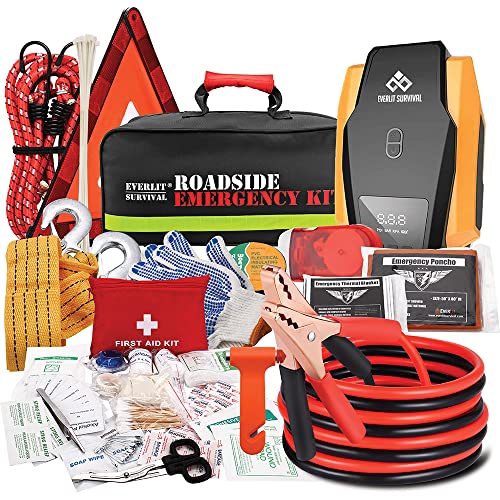
You need to assemble an emergency kit with essential items like a flashlight, jumper cables, and a first aid kit to handle winter driving challenges. Include seasonal tools such as an ice scraper and a rain poncho to maintain visibility and protect yourself from harsh weather. Regularly check and update your kit to guarantee all components are functional and ready for use.
Essential Emergency Items
Five essential items should be included in your winter emergency kit to guarantee safety and preparedness during roadside incidents. Your emergency kit must contain tools and supplies that address visibility, health, energy, and vehicle reliability.
 Car Battery Care Tips for Winter Weather
Include these critical items:
- Flashlight with extra batteries to maintain visibility in low-light conditions
- First aid kit for treating minor injuries promptly
- Jumper cables to counteract battery failures caused by cold temperatures
- Non-perishable snacks and water for sustained energy and hydration during delays
Additionally, don’t forget seasonal essentials like an ice scraper and blankets to secure comfort and safety if stranded. Equipping your vehicle with these precise items liberates you from vulnerability and maximizes your readiness for winter driving challenges.
Seasonal Kit Additions
Although assembling a basic emergency kit is essential, adding seasonal items tailored for winter driving enhances your preparedness considerably. Equip your car with a flashlight and extra batteries to navigate dark, cold nights efficiently. Include a warm blanket and extra gloves to maintain insulation if you’re stranded in freezing weather. Non-perishable snacks and bottled water guarantee energy and hydration during extended waits. A tool kit containing jumper cables, a tire repair kit, and a jack empowers you to address minor issues with tires and brakes, reducing dependency on roadside assistance. These additions directly respond to winter driving challenges, reinforcing your emergency kit's functionality. Prioritize these items to maintain control and safety in adverse conditions, liberating you from vulnerability on icy roads. When selecting a jack for your emergency kit, consider choosing a low profile floor jack for increased versatility and reliable performance, especially if you drive a vehicle with lower ground clearance.
Emergency Kit Maintenance
Since winter conditions can change rapidly, maintaining a well-stocked emergency kit is essential for safe driving. Your kit should include critical tools and supplies to address common winter weather challenges efficiently. Regularly inspect and rotate perishable items to guarantee readiness.
Guarantee your emergency kit contains:
- Flashlight with fresh batteries for visibility in low light
- Spare tire, jack, and lug wrench to manage flat tires
- Jumper cables to counteract battery failures in cold weather
- Ice scraper and first aid kit for safety and injury management
Frequently Asked Questions
What Vehicle Maintenance Is Critical to Safe Driving?
You must check tire pressure and brake inspection regularly, monitor fluid levels, maintain battery health, replace wiper blades, guarantee headlight alignment, and change the air filter to keep your vehicle safe and performing at its best.
What Is the Recommended Maintenance Schedule for a Car?
You should follow oil change intervals every 5,000–7,500 miles, rotate tires at the same frequency, inspect brakes regularly using a checklist, check fluid levels, assess battery health annually, replace wiper blades seasonally, and consider seasonal tire changes.
What Maintenance Does a Car Actually Need?
Imagine Sarah’s car stalling due to poor battery health. You need to regularly check engine oil, tire pressure, brake fluid, air filters, windshield wipers, battery health, and coolant levels to keep your vehicle reliable and safe.
What Is the 30-60-90 Rule for Cars?
You follow the 30 60 90 intervals for routine checks: at 30 days, inspect tires and fluids; at 60, evaluate brakes and lights; at 90, perform performance assessments and fluid replacements, ensuring seasonal adjustments and vehicle liberation.
Final Thoughts
By following these fall maintenance steps, you’ll greatly boost your vehicle’s safety and performance as temperatures drop. Did you know that nearly 70% of winter accidents are linked to poorly maintained tires and brakes? Ensuring your tires have proper pressure and tread, testing your battery, and inspecting brakes can reduce risks on icy roads. Taking these precise actions now helps you drive confidently and avoid costly repairs during harsher weather conditions.
 Budget-Friendly Seasonal Maintenance Tips for Students
Reliable Floor Jacks on a Budget: Best Picks for Under $150
Top-Rated Floor Jacks Over $100: Built for Professionals, Priced for Smart Buyers
If you want to know other articles similar to What Fall Car Maintenance Steps Ensure Safe Driving? you can visit the Seasonal Car Care Tips category.
3 Best Fluids to Inspect Before Winter Driving

10 Summer Maintenance Tips to Prevent Overheating

Spring Maintenance Checklist: 7 Tips for Aging Cars

Seasonal Tire Maintenance Tips for Improved Traction

7 Best Steps to Ready Your Vehicle for Rain

Budget-Friendly Seasonal Maintenance Tips for Students

Car Battery Care Tips for Winter Weather

Essential Winter Maintenance Guide for Beginners
Leave a Reply
This is also interesting