











How to Spot Brake Fluid Leak Symptoms


To spot brake fluid leak symptoms, watch for a soft or spongy brake pedal, which signals low fluid or air in the lines.
Check the brake fluid reservoir regularly; significant drops indicate leaks.
Look under your vehicle for light yellow to brown fluid puddles and inspect brake components like calipers, hoses, and connections for dampness or discoloration.
A lit BRAKE warning light also demands immediate attention.
 How to Identify Fuel Leak Sources in Vehicles
Understanding these signs can help you identify issues early and maintain safe braking.
Table
Main Points
- Notice a soft or spongy brake pedal feel indicating possible low brake fluid levels.
- Look for fluid puddles under the vehicle with light yellow to brownish color.
- Monitor the brake fluid reservoir for significant drops in fluid level.
- Watch for an illuminated BRAKE warning light on the dashboard signaling system issues.
- Inspect brake components for moisture, stains, or cracks indicating fluid leaks.
Understanding Brake Fluid and Its Role

Brake fluid plays a critical role in your vehicle’s braking system by transmitting force from the brake pedal to the brake components, enabling effective stopping. This hydraulic fluid moves through the master cylinder into brake lines, creating the pressure needed to activate calipers and pads. Your braking system operates within a sealed loop, with the fluid reservoir maintaining proper fluid levels. If you notice low brake fluid, it’s a sign your system might be compromised, threatening braking efficiency. Monitoring fluid levels regularly helps guarantee the integrity of the master cylinder, brake lines, and reservoir. Understanding this closed system empowers you to maintain ideal brake performance, preventing failures and enhancing vehicle safety. Keep brake fluid levels in check to secure your liberation on the road.
Common Signs of Brake Fluid Leaks

When you notice a soft or spongy feel in the brake pedal, it often signals low brake fluid caused by a leak, indicating reduced hydraulic pressure in the system. Brake fluid leaks commonly manifest as fluid leaking beneath your vehicle—light yellow to brownish and slippery. A dropping brake fluid level directly affects braking system performance, causing delayed stopping or poor responsiveness. The illuminated BRAKE warning light on your dashboard is a crucial alert, signaling you to check for leaking brake components immediately. Rapid decreases in brake fluid level demand swift action to prevent brake failure. Recognizing these signs empowers you to address brake fluid leaks proactively, ensuring your vehicle’s safety and your freedom on the road.
Inspecting Brake Components for Leaks

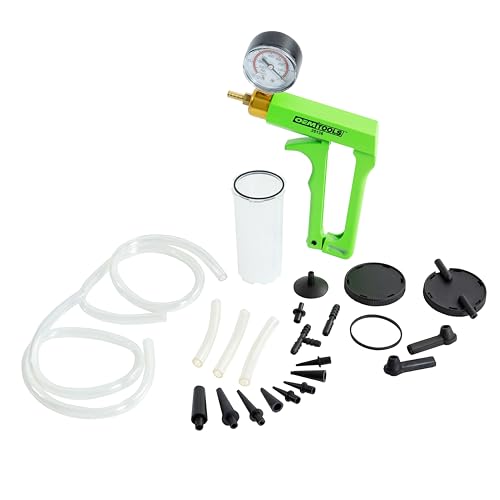
Start your inspection by closely examining the brake caliper for any signs of moisture or wetness, as leaks often originate from the caliper piston seals. Next, inspect the brake hoses for cracks or deterioration—these flexible parts commonly cause leaking when compromised. Pay close attention to connection points where brake lines meet the calipers or master cylinder, looking for unusual stains or discoloration, clear signs of a brake fluid leak. Use a flashlight to illuminate tight spaces and wipe down components to detect any hidden moisture or fluid accumulation. Regularly monitoring the brake fluid reservoir level also helps; a significant drop signals potential leaks within the brake system. By systematically inspecting these components, you can identify early signs of brake fluid leaks and maintain your vehicle’s safety and performance. If a leak is detected, using a brake bleeder kit can help safely remove contaminated fluid and facilitate repairs.
Diagnosing the Source of Brake Fluid Leaks

How can you accurately pinpoint the source of a brake fluid leak? Start by conducting thorough visual assessments of the braking system, focusing on the master cylinder for any visible fluid on its exterior. Pump the brake pedal to build pressure, then inspect beneath the vehicle for active leaks. Examine brake lines closely for corrosion, cracks, or damage, as these often cause leaks. Don’t overlook brake hoses and junctions—check them for wear or seepage. Remove tires to inspect brake calipers, paying attention to cracks and deteriorated O-rings. Each component’s integrity is critical; identifying the exact leak location prevents further system compromise. By methodically inspecting these areas, you’ll liberate yourself from guesswork and guarantee reliable brake system function with precise diagnosis.
 Why Fluid Leaks Threaten Vehicle Safety
Steps to Take When a Brake Fluid Leak Is Detected

Locating the brake fluid leak sets the stage for immediate action to prevent further damage. First, inspect the brake fluid reservoir; low levels signal a significant leak requiring urgent repair. Examine beneath the vehicle, especially near wheels, to identify fluid pooling that pinpoints the leak’s source. Monitor the dashboard for the BRAKE warning light—its illumination means low fluid and the vehicle’s braking system needs new attention. If the brake pedal feels soft or spongy, suspect air in the brake lines or insufficient fluid, demanding a thorough brake inspection. Avoid delay: schedule a professional evaluation promptly. Addressing brake fluid leaks swiftly preserves braking efficiency, safeguards your vehicle, and guarantees your freedom on the road without compromise.
Frequently Asked Questions
How to Diagnose a Brake Fluid Leak?
You diagnose a brake fluid leak by checking fluid levels, inspecting the brake system for warning signs, following a troubleshooting guide, and applying leak detection techniques. Prioritize maintenance tips and safety measures to guarantee reliable brake performance.
How Expensive Is It to Fix a Brake Fluid Leak?
Brake fluid costs for repairs vary $150-$400, including parts replacement and professional services. DIY fixes risk safety. Accurate leak detection and maintenance tips help reduce repair estimates, ensuring you liberate yourself from costly brake system failures.
How Do You Tell the Difference Between a Brake Fluid Leak and an Oil Leak?
Imagine your brake system as a guarded fortress; distinguish fluid types by their leak sources—brake fluid near wheels, oily residue under the engine. Watch warning signs to apply safety measures, maintenance tips, and precise repair methods promptly.
What Happens if You Drive With a Brake Fluid Leak?
If you drive with a brake fluid leak, your brake performance declines, risking driving safety. Warning signs like a soft pedal signal fluid contamination. Ignoring this compromises the brake system, increasing repair costs and demanding urgent vehicle maintenance.
 How to Identify Car Fluid Leaks Overnight
Final Thoughts
Now that you know how to spot brake fluid leaks, don’t let your brakes bleed you dry—act swiftly. Regularly inspect your brake system for any damp spots, low fluid levels, or warning signs to keep your vehicle safe and responsive. Catching leaks early is like fixing a small crack before it turns into a canyon. Stay vigilant, address issues promptly, and guarantee your brakes perform at their best every time you hit the road.
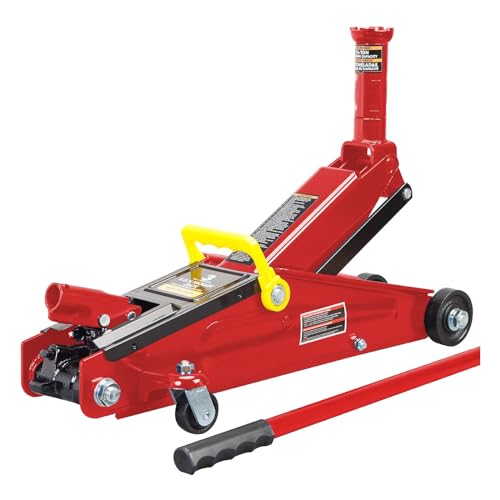
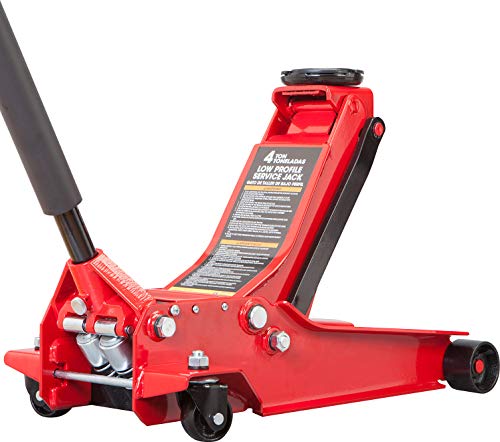
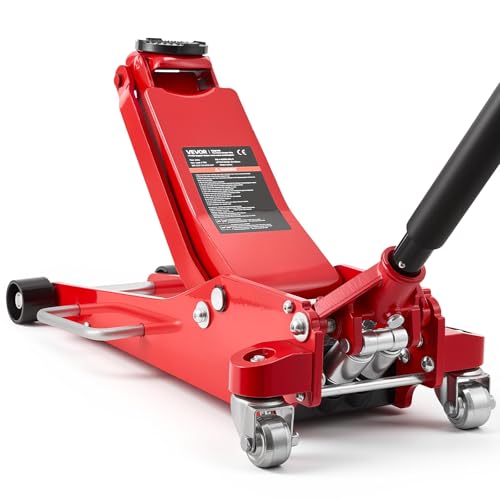
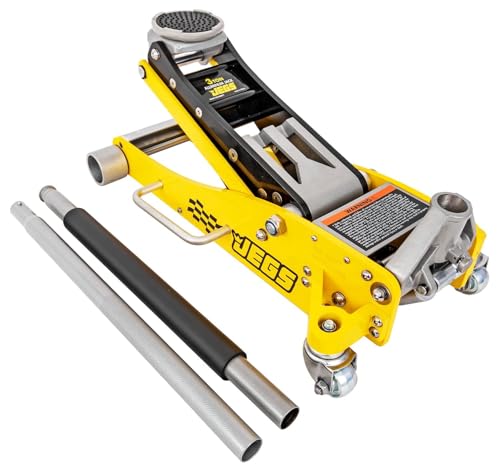
Reliable Floor Jacks on a Budget: Best Picks for Under $150
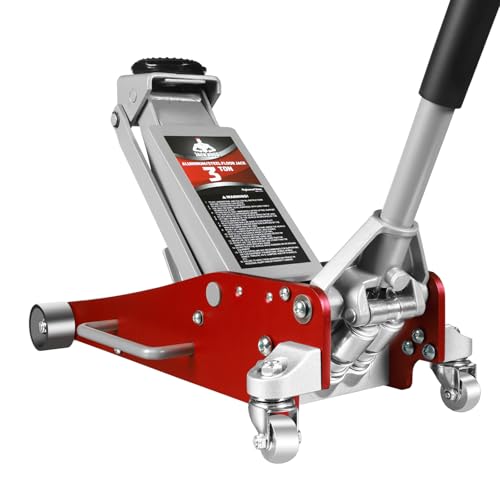
Top-Rated Floor Jacks Over $100: Built for Professionals, Priced for Smart Buyers
If you want to know other articles similar to How to Spot Brake Fluid Leak Symptoms you can visit the Fluid Leak Solutions category.
How to Identify Car Fluid Leaks Overnight

Why Fluid Leaks Threaten Vehicle Safety

How to Identify Fuel Leak Sources in Vehicles

How to Locate a Coolant Leak Step-by-Step

Power Steering Fluid Leak Repair Cost Guide

Why Use Specialized Tools for Fluid Leak Detection?

Top 7 Tips to Detect Oil Leaks Efficiently

Step-by-Step Fluid Leak Inspection for Cars
Leave a Reply
This is also interesting