














Why Use Specialized Tools for Fluid Leak Detection?


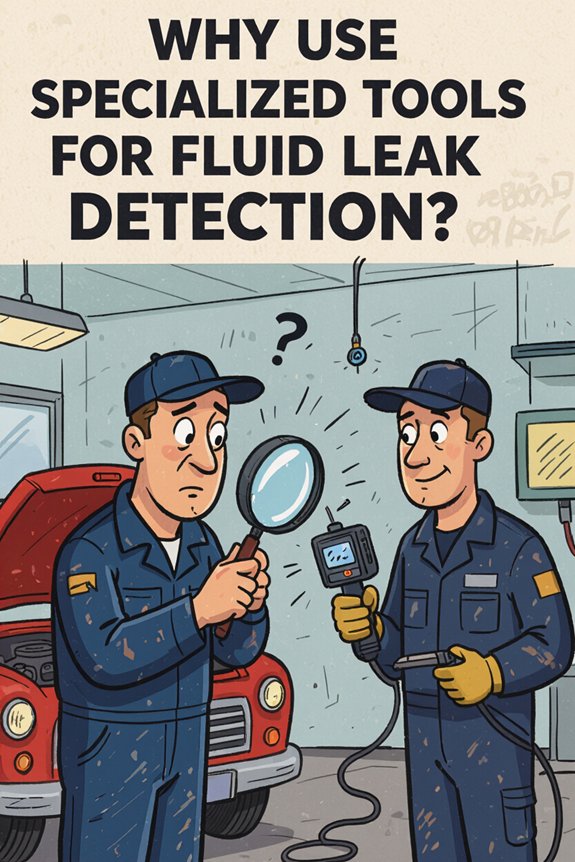
You use specialized tools for fluid leak detection because they greatly improve accuracy and efficiency compared to standard methods. Tools like ultrasonic leak detectors and thermal imaging cameras reveal hidden leaks by capturing high-frequency sounds or temperature variations you might otherwise miss. These technologies enable precise localization without invasive procedures, preventing costly damage and safety hazards. Leveraging advanced detection provides early warnings and cost savings. Understanding how these tools function and their practical applications will further enhance your leak management approach.
Table
- Main Points
- Importance of Specialized Tools in Automotive Fluid Leak Detection
- Common Types of Fluid Leaks in Vehicles
- Overview of Key Leak Detection Tools for Automotive Use
- Advantages of Using Advanced Leak Detection Technologies
- How Professionals Utilize Tools for Accurate Leak Identification
- Preventative Maintenance and Leak Detection Best Practices
- Frequently Asked Questions
- Final Thoughts
Main Points
- Specialized tools identify leaks with high accuracy, preventing costly damage and repairs.
- Ultrasonic and thermal imaging technologies detect leaks invisible to the naked eye quickly.
- Early leak detection reduces safety risks and protects critical vehicle components.
- Non-invasive tools minimize disruption and allow efficient, targeted diagnostics.
- Combining advanced tools improves leak localization and speeds up maintenance processes.
Importance of Specialized Tools in Automotive Fluid Leak Detection

Although fluid leaks can sometimes be detected visually, specialized tools greatly improve accuracy and efficiency in automotive diagnostics. Ultrasonic leak detectors amplify faint sounds of escaping fluids, enabling precise localization beyond visual indication. Thermal imaging cameras reveal temperature variations caused by fluid leaks, allowing you to identify problem areas without invasive measures. Pressure testing tools evaluate the integrity of hydraulic and coolant systems, pinpointing weaknesses that risk engine damage. Dye testing methods introduce fluorescent dye into fluid systems, facilitating leak tracing under UV light for clear source identification. Automotive repair shops relying on these specialized leak detection tools reduce trial-and-error diagnostics, considerably enhancing service efficiency. By integrating these technologies, you liberate yourself from guesswork, ensuring faster, more accurate diagnostics and improved repair outcomes.
Common Types of Fluid Leaks in Vehicles
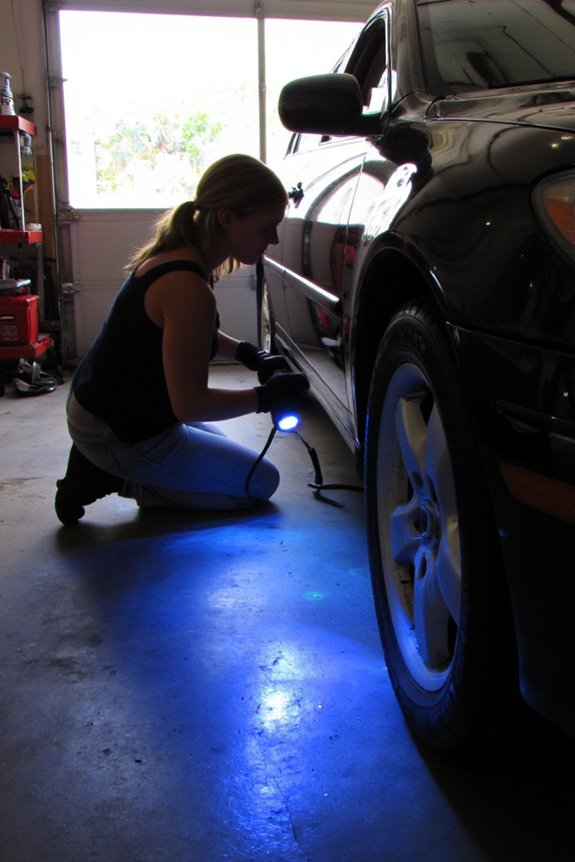
When you encounter fluid leaks in your vehicle, understanding the common types is essential for accurate diagnosis and timely repair. Detecting leaks promptly preserves vehicle performance and mitigates safety risks. Key fluid leaks include:
- Oil leaks and transmission fluid leaks: Oil leaks can cause severe engine damage, while transmission fluid leaks impair shifting and overall drivability.
- Coolant leaks: These lead to engine overheating, risking critical component failure if coolant levels drop too low.
- Brake fluid leaks, power steering fluid leaks, and fuel leaks: Brake fluid leaks compromise braking efficiency, power steering leaks reduce maneuverability, and fuel leaks present fire hazards demanding immediate attention.
Using specialized equipment enhances your ability to pinpoint these leaks precisely, ensuring effective repairs that protect both your vehicle and your safety.
Overview of Key Leak Detection Tools for Automotive Use
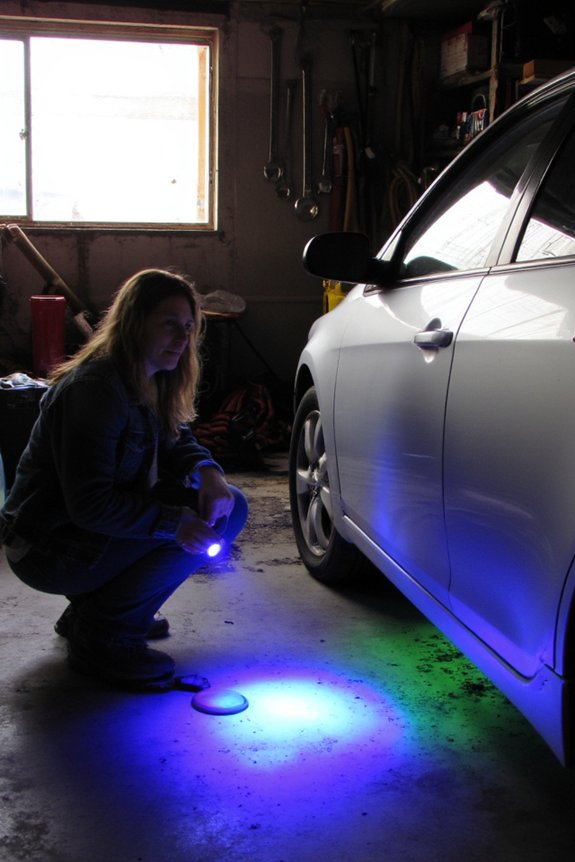
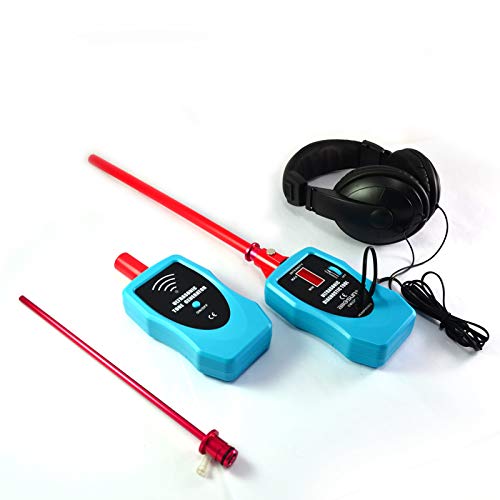
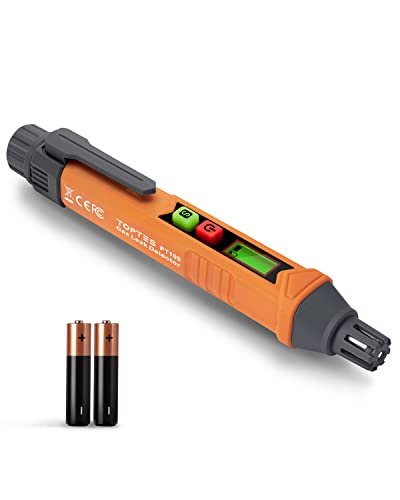
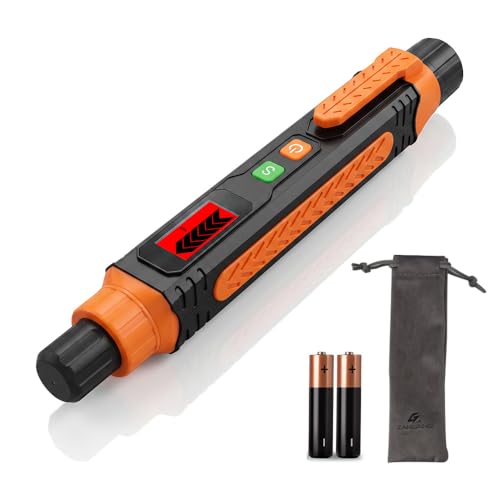
You’ll find ultrasonic leak detectors invaluable for identifying leaks by capturing high-frequency sounds that escape detection by the naked ear. Thermal imaging cameras complement this by revealing temperature anomalies in components, which often indicate fluid or gas leaks. Together, these tools enhance your ability to diagnose and locate leaks quickly and accurately.
 Power Steering Fluid Leak Repair Cost Guide
Ultrasonic Leak Detectors
An ultrasonic leak detector employs high-frequency sound waves to identify leaks in pressurized automotive systems such as air conditioning and fuel lines. Ultrasonic leak detectors excel at detecting leaks as small as 0.001 inches, allowing you to locate leaks that cause minor fluid loss before they escalate. These non-invasive tools convert ultrasonic signals into audible sounds, enhancing repair efficiency without disassembling components. When integrating ultrasonic detectors into automotive maintenance, focus on:
- Precise leak localization to reduce diagnostic time and costs.
- Documenting leak locations with visual displays for effective repair tracking.
- Minimizing downtime by identifying leaks quickly in critical pressurized systems.
Thermal Imaging Cameras
Thermal imaging cameras detect temperature variations in automotive components, enabling you to identify fluid leaks by visualizing heat signatures associated with escaping fluids. This technology excels in detecting moisture and signs of water, a common problem that can compromise vehicle integrity. By utilizing thermal imaging, you can accurately detect leaks in cooling systems, oil lines, and hard-to-reach areas without invasive methods. These leak detection tools offer real-time images and video, streamlining diagnostics and enhancing repair precision. Relying on thermal imaging improves your ability to prevent water damage and other fluid-related issues, reducing downtime and costly repairs. When confronting complex leaks, seeking professional support guarantees ideal use of thermal imaging technology and maximizes system longevity through accurate water and fluid leak identification. For optimal results, combining thermal imaging with robust construction in your leak detection tools ensures reliable performance and durability during frequent automotive use.
Advantages of Using Advanced Leak Detection Technologies

When you implement advanced leak detection technologies, you gain the ability to pinpoint leaks with high accuracy, which prevents extensive damage and costly repairs by addressing issues early. These specialized tools and techniques elevate your capacity for detecting water leaks and identifying potential hidden leaks effectively. Here are three key advantages:
- Cost Efficiency: Professional leak detection services with acoustic leak detection and thermal imaging reduce water bills by up to 45% through early detection and water conservation.
- Non-Invasive Assessment: Tools like Ground Penetrating Radar and video pipe inspection allow you to monitor water flow and locate leaks without disrupting infrastructure.
- Enhanced Safety and Compliance: Advanced leak detection helps you detect hazardous leaks promptly, ensuring regulatory compliance and preventing fines.
Using these technologies liberates you from guesswork and inefficiency in water leak detection.
How Professionals Utilize Tools for Accurate Leak Identification
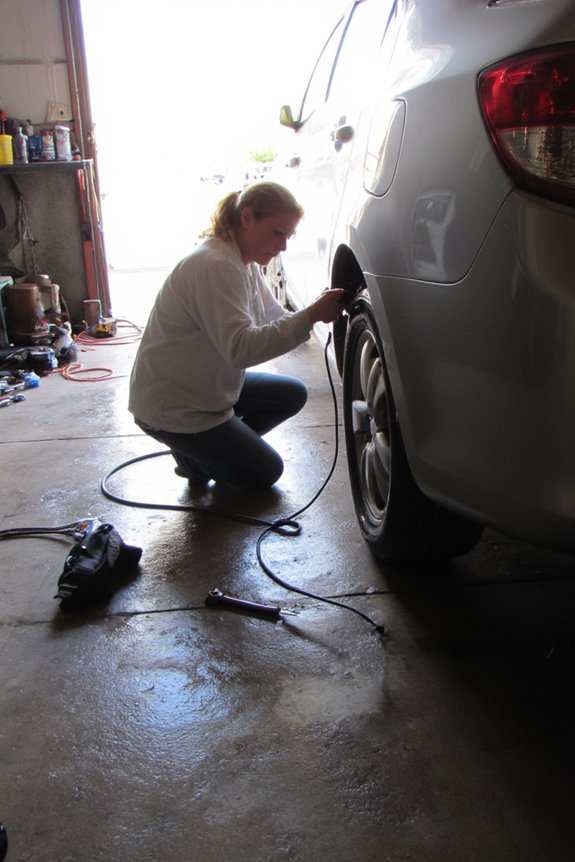
Building on the advantages of advanced leak detection technologies, professionals rely on a suite of specialized tools to accurately identify leaks. Leak detection specialists use thermal imaging cameras to detect temperature variations, enabling real-time visualization and precise moisture mapping. Acoustic sensors amplify escaping fluid sounds, helping you pinpoint leaks invisible to the naked eye. Ground Penetrating Radar (GPR) identifies underground leaks by detecting soil density changes and structural irregularities. Video pipe inspection allows you to visually assess pipe interiors for corrosion or damage, critical for accurate leak identification. Combining these tools with moisture meters enhances detection accuracy, ensuring you can identify areas of concern thoroughly. This combination of tools empowers you to achieve efficient, precise leak identification, freeing you from guesswork and enabling targeted, effective remediation strategies.
Preventative Maintenance and Leak Detection Best Practices
Although leak detection tools provide critical insights, incorporating preventative maintenance practices guarantees system integrity over time. To excel in preventing water damage and system failures, you must:
 How to Locate a Coolant Leak Step-by-Step
- Implement routine maintenance using leak detection tools such as acoustic leak detectors, thermal imaging cameras, and moisture meters to identify potential leaks early.
- Employ proactive maintenance by monitoring pressure changes with specialized testing methods, ensuring faults are detected before escalation.
- Train personnel rigorously on proper tube preparation techniques and tool usage, enhancing safety and compliance while minimizing downtime.
Frequently Asked Questions
What Equipment Is Needed for Leak Detection?
You'll need pressure testing kits, ultrasonic devices, acoustic sensors, moisture meters, dye testing tools, thermal imaging with infrared thermography, gas detectors, CCTV inspections, and electromagnetic locators to accurately identify and analyze fluid leaks in complex systems.
What Tool Is Used to Detect Water Leaks?
You can’t just guess a water leak; you’ll need precise tools like moisture meters, infrared cameras, acoustic listening devices, thermal imaging, dye and pressure testing, pipe inspection cameras, and ultrasonic sensors to master effective leak detection.
What Is the Most Common Method of Leak Detection?
You’ll find visual inspection techniques are the most common leak detection methods, but combining acoustic leak detection, ultrasonic leak detection, thermal imaging systems, infrared thermography, dye testing methods, pressure testing techniques, and moisture meter usage enhances gas leak detection accuracy.
What Is the Technique Used in Leak Detection System?
You’ll find leak detection techniques include acoustic sensors, ultrasonic detection, infrared thermography, thermal imaging, pressure testing, tracer gas, dye testing, moisture meters, visual inspection, and electrical resistance—each offering precise insights to locate leaks efficiently and accurately.
Final Thoughts
You don’t want to chase elusive drips like a detective without clues. Using specialized leak detection tools lets you pinpoint fluid escapes with surgical precision, saving time and preventing costly damage. Just as a microscope reveals hidden details, these technologies expose faults invisible to the naked eye. By integrating advanced tools into your maintenance routine, you guarantee your vehicle runs smoothly and safely, turning guesswork into exact science every time.
 How to Spot Brake Fluid Leak Symptoms
Reliable Floor Jacks on a Budget: Best Picks for Under $150
Top-Rated Floor Jacks Over $100: Built for Professionals, Priced for Smart Buyers
If you want to know other articles similar to Why Use Specialized Tools for Fluid Leak Detection? you can visit the Fluid Leak Solutions category.
How to Identify Car Fluid Leaks Overnight

Why Fluid Leaks Threaten Vehicle Safety

How to Identify Fuel Leak Sources in Vehicles

How to Spot Brake Fluid Leak Symptoms

How to Locate a Coolant Leak Step-by-Step

Power Steering Fluid Leak Repair Cost Guide

Top 7 Tips to Detect Oil Leaks Efficiently

Step-by-Step Fluid Leak Inspection for Cars
Leave a Reply
This is also interesting