












How to Identify Car Fluid Leaks Overnight


To identify car fluid leaks overnight, park your vehicle on clean cardboard or a dry surface after it cools.
Check fluid levels beforehand to track changes.
Inspect the cardboard in the morning for stains—the color and texture help pinpoint the leak type: dark oily spots suggest engine oil, bright sweet-smelling puddles hint at coolant, while reddish slick spots often mean transmission fluid.
Carefully noting these details helps you diagnose issues early.
Keep exploring to discover how to distinguish each leak and act accordingly.
Table
- Main Points
- Preparing Your Vehicle for Overnight Leak Detection
- Using Cardboard and Other Tools to Catch Fluid Leaks
- Identifying Engine Oil Leaks by Color and Location
- Recognizing Coolant Leaks and Their Warning Signs
- Detecting Transmission Fluid Leaks Effectively
- Spotting Brake Fluid and Power Steering Fluid Leaks
- Differentiating Water From Other Fluid Leaks
- Steps to Take After Discovering a Fluid Leak Overnight
- Frequently Asked Questions
- Final Thoughts
Main Points
- Park the vehicle on clean, dry cardboard overnight to capture and analyze fluid stains accurately.
- Identify fluid color and texture: dark brown/black for oil, bright green/orange for coolant, red for transmission fluid.
- Check fluid levels before and after parking to detect any drops indicating leaks.
- Use a white cloth to dab fluids for better color and consistency identification.
- Differentiate water condensation from leaks by checking for clear, odorless puddles that evaporate quickly.
Preparing Your Vehicle for Overnight Leak Detection

Before you begin overnight leak detection, park your vehicle on a clean, dry surface and place a piece of cardboard beneath the engine area. This setup allows you to check underneath for any fluid leaking without interference from dirt or moisture. Next, verify your vehicle has cooled down to avoid hot engine parts that could mislead your inspection or cause burns. Before settling in for the night, measure all fluid levels—engine oil, coolant, transmission fluid—to establish a baseline. By morning, you can compare levels to detect drops indicating leaks. Inspect the garage floor and cardboard carefully for new stains. Note the color and texture to identify the source and type of vehicle fluids escaping. Using an oil drain pan capacity matched to your vehicle can also help catch and measure leaks more accurately overnight. This methodical preparation empowers you to diagnose leaks effectively and take control of your vehicle’s health.
Using Cardboard and Other Tools to Catch Fluid Leaks

Start by selecting clean, sturdy cardboard to place under your vehicle, ensuring it’s large enough to cover suspected leak areas. Position the cardboard strategically under the engine, transmission, or wheel wells to capture accurate drip locations and sizes. Once collected, analyze the stain patterns, colors, and shapes to help identify the specific type and source of the fluid leak.
Choosing the Right Cardboard
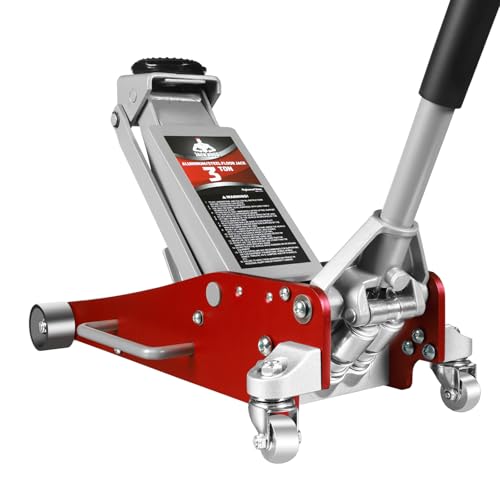
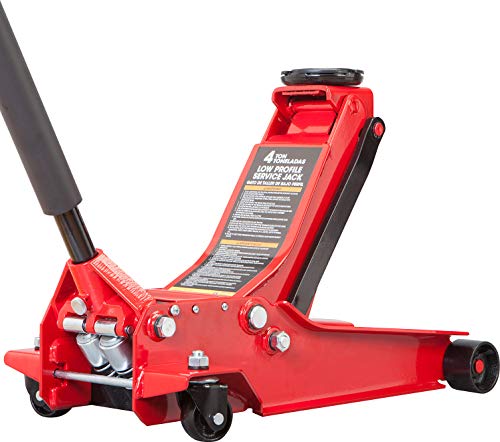
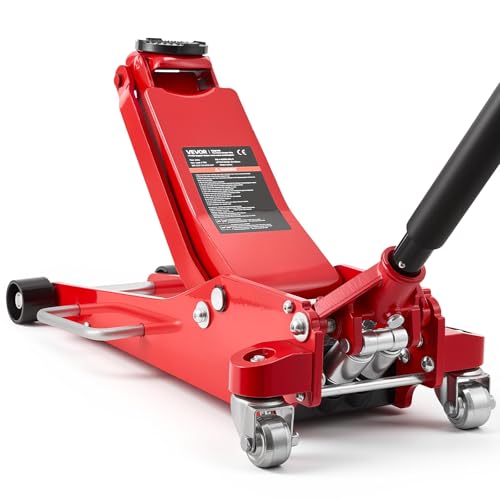
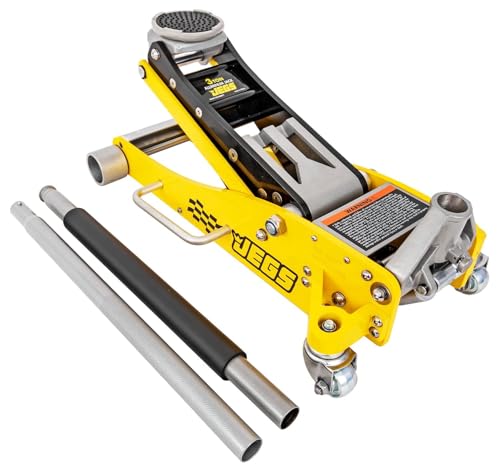
One effective method to catch and identify car fluid leaks involves placing a clean, white piece of cardboard beneath the vehicle overnight. Choosing the right cardboard is essential to accurately detect leaks. Select a piece large enough to cover the suspected leak zones, increasing the chance of capturing any fluid puddles. White cardboard works best, as its light color contrasts with various fluid hues, helping you identify the leak’s nature—whether oil, coolant, or brake fluid—by color and texture. Make certain the cardboard is clean and dry to avoid contamination that could obscure the fluid’s appearance. By methodically using suitable cardboard, you empower yourself to precisely detect and analyze leaks, guiding effective maintenance or mechanic consultation. When preparing your workspace, consider using heavy-duty bottle jacks to safely lift your vehicle and provide ample room for accurate leak detection and repair.
 Why Is Transmission Fluid Leaking Under My Car?
Placement Techniques for Accuracy
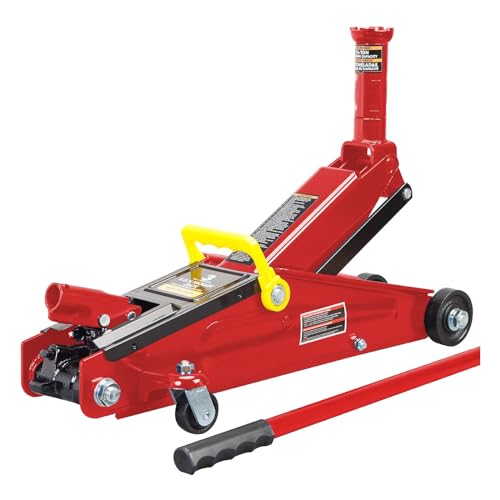
When aiming for accurate detection of car fluid leaks, you should position your cardboard precisely under areas prone to leakage, such as the engine bay, transmission housing, and wheel wells. These placement techniques guarantee you catch any puddle under your car where common leaks occur. Before you start, check your owners manual to identify fluid types specific to your vehicle. Lay clean, flat cardboard overnight to absorb drips, then examine the spots carefully. Use a white cloth to dab fluids for better identification. If leaks remain elusive, introduce a fluid-detecting dye to the suspected system; this dye reveals leaks under UV light, enhancing your accuracy. Proper placement and tool use empower you to isolate leaks quickly and liberate yourself from guesswork. For safe lifting of heavy vehicles, using a reliable floor jack during inspection can further improve both your access and safety when checking for leaks.
Analyzing Leak Patterns
Although detecting fluid leaks can be challenging, analyzing leak patterns with cardboard or a leak detection mat provides concrete data on their location and severity. Place a large piece of cardboard under your vehicle overnight to catch drips, then monitor the size and shape of any puddles. Leaks can come from various sources, so document the fluid colors carefully using white towels to blot stains, noting consistency and odor. Analyzing leak patterns involves checking if drips consistently appear in the same spot—indicating a recurring issue—or if they’re sporadic. Puddles larger than three inches suggest fluid leaks that require immediate attention. By systematically recording these details, you gain clarity on the leak’s origin, empowering you to address the problem efficiently and regain control over your vehicle’s maintenance.
Identifying Engine Oil Leaks by Color and Location

How can you accurately identify engine oil leaks by their color and location? Engine oil leaks usually appear as dark brown or black stains beneath your vehicle, often near the oil pan, valve cover, or oil filter. Recognizing these precise locations helps you isolate the source efficiently.
- Inspect for dark brown or black puddles under the oil pan or oil filter housing.
- Note any burning oil smell, signaling oil contact with hot engine parts.
- Measure puddle size; leaks wider than 3 inches demand immediate attention.
Recognizing Coolant Leaks and Their Warning Signs

Engine oil leaks often catch your attention through dark stains, but coolant leaks present differently and require a distinct set of observations. Look for bright-colored puddles—green, orange, or pink—under your vehicle, often accompanied by a distinctive sweet smell from the ethylene glycol. Regularly inspect the coolant reservoir; a significant drop in fluid level signals potential coolant leaks that demand immediate attention. Monitor your engine temperature gauge closely; rising readings may indicate insufficient coolant, leading to overheating issues. Common sources include worn hoses, radiator cracks, or a compromised water pump. Addressing coolant leaks promptly protects your engine from severe damage caused by overheating. By methodically checking these signs, you liberate yourself from unexpected breakdowns and maintain peak vehicle performance.
Detecting Transmission Fluid Leaks Effectively

To detect transmission fluid leaks effectively, start by placing a clean piece of cardboard beneath the transmission area overnight to catch any drips. Transmission fluid is typically red or reddish-brown and has a slick, oily texture with a petroleum-like smell, making it distinguishable from other fluids. Regularly check the fluid level using the dipstick and watch for symptoms like delayed shifting or slipping gears, which can signal a leak.
Transmission Fluid Characteristics
Although transmission fluid leaks can be subtle, you can identify them by noting the fluid's distinctive red or reddish-brown color and its oily, slick texture. This characteristic helps you distinguish transmission fluid from other automotive fluids. When inspecting your vehicle, focus on the center or rear areas where leaks typically occur. Low transmission fluid levels often cause gear-shifting issues, demanding immediate attention to prevent damage.
Key transmission fluid characteristics include:
- Vivid red or reddish-brown hue with a slick, oily feel
- Petroleum-like smell when fresh; burnt odor if degraded
- Reddish stains on white paper towels confirming presence
Leak Detection Techniques
Recognizing the unique traits of transmission fluid sets the stage for accurate leak detection. To detect transmission fluid leaking from your car, place a clean piece of cardboard beneath it overnight to catch drips. By morning, identify the leak via red or reddish-brown stains; fresh fluid is bright red, aging to brown. Confirm by texture—slick with a petroleum-like smell—or a burnt odor indicating degraded fluid. During the day, check the dipstick to assess fluid levels; a drop confirms leakage. Additionally, monitor for symptoms such as delayed or rough shifting, signaling low transmission fluid due to leaks. This methodical approach guarantees you precisely identify the leak’s location and severity, empowering you to address it promptly and liberate yourself from transmission issues.
Spotting Brake Fluid and Power Steering Fluid Leaks
Brake fluid and power steering fluid leaks can compromise your vehicle’s safety and performance, so identifying them promptly is essential. As a vehicle owner, you must detect leaking fluids overnight to act swiftly. Brake fluid leak typically appears as clear to yellow fluid with a slick feel, signaling issues with brake lines or the master cylinder. Power steering fluid usually shows as reddish or light brown stains, often from worn hoses or seals.
 Step-by-Step Fluid Leak Inspection for Cars
To spot these leaks effectively:
- Place clean cardboard under your vehicle overnight to catch drips.
- Look for yellow fluid indicating brake fluid leak and red stains indicating power steering fluid.
- Monitor brake pedal firmness; a soft pedal demands immediate attention.
Act decisively to maintain control and safety.
Differentiating Water From Other Fluid Leaks
How can you tell if the fluid under your vehicle is just water or something more concerning? Water condensation from your car’s air conditioning often causes clear puddles beneath the vehicle, especially after extended AC use. To differentiate, place a clean white paper towel on the puddle; water leaves a clear mark without oily residue or color. Unlike other fluids, water evaporates quickly and lacks unusual smells. If you see a puddle that doesn’t evaporate or emits odd odors, it might signal leaks of coolant or other fluids requiring further investigation. In cold weather, frozen water condensation can form ice patches under the car, indicating harmless condensation rather than a system leak. Recognizing these signs empowers you to distinguish benign water from problematic fluid leaks confidently.
Steps to Take After Discovering a Fluid Leak Overnight
After discovering a fluid leak overnight, start by identifying the fluid’s color and consistency using a clean, white paper towel. Fluids can leak from various systems, so consult your owners manual to help you identify the source. If you suspect a leak that requires immediate action, move your vehicle to a safe area away from flammable materials.
Next, follow these steps:
- Inspect the puddle’s location and note any unusual smells to pinpoint the leaking component.
- Check fluid levels in reservoirs like coolant, brake fluid, and transmission fluid to assess severity.
- Call your mechanic promptly if the leak is significant or unclear, as untreated leaks may cause serious damage or safety hazards.
Frequently Asked Questions
How to Tell Which Fluid Is Leaking From a Car?
You’ll identify a leak by examining the fluid color, smell, and leak location. Engine oil is dark; brake fluid feels slippery. Power steering fluid is often clear or reddish. Smell helps confirm the fluid type precisely.
Why Does My Car Leak Coolant Overnight?
Imagine a slowly dripping faucet—your car’s coolant leak causes mimic this, draining essential fluid overnight. Recognize coolant leak symptoms early, perform coolant leak detection, and commit to coolant leak repair and coolant system maintenance for prevention and freedom.
How Do You Tell the Difference Between a Transmission Leak and an Oil Leak?
You’ll distinguish transmission fluid from oil by checking leak location, color differences—red for transmission, dark for oil—fluid smell, and oil viscosity. Mechanical issues like gear slipping signal transmission fluid, while overheating suggests oil problems.
Why Is My Car Leaking Water at Night?
Your car’s water leak at night likely stems from condensation causes or humidity effects. Inspect vehicle drainage systems for blockages, consider rainwater collection or seasonal variations, and recognize water leak symptoms to guarantee proper function and avoid damage.
 Top 7 Tips to Detect Oil Leaks Efficiently
Final Thoughts
After setting your vehicle on a clean cardboard canvas, you’ll spot dark engine oil pooling like spilled ink or bright green coolant glistening under faint light. Transmission fluid’s reddish hue and brake or power steering fluid’s clarity stand out distinctly. By observing these signs overnight, you’ll pinpoint leaks with precision. Then, methodically plan your next steps—whether tightening seals or consulting a mechanic—to keep your car running smoothly and safely, leak-free.
Reliable Floor Jacks on a Budget: Best Picks for Under $150
Top-Rated Floor Jacks Over $100: Built for Professionals, Priced for Smart Buyers
If you want to know other articles similar to How to Identify Car Fluid Leaks Overnight you can visit the Fluid Leak Solutions category.
Why Fluid Leaks Threaten Vehicle Safety

How to Identify Fuel Leak Sources in Vehicles

How to Spot Brake Fluid Leak Symptoms

How to Locate a Coolant Leak Step-by-Step

Power Steering Fluid Leak Repair Cost Guide

Why Use Specialized Tools for Fluid Leak Detection?

Top 7 Tips to Detect Oil Leaks Efficiently

Step-by-Step Fluid Leak Inspection for Cars
Leave a Reply
This is also interesting