













Professional Exhaust System Inspection Costs Explained


You’ll typically pay between $50 and $300 for a professional exhaust system inspection, with costs varying based on your vehicle’s complexity, location, and diagnostic needs.
Professionals check pipes, catalytic converters, mufflers, and seals for damage and leaks, ensuring compliance with emissions standards.
This thorough evaluation can prevent costly repairs and maintain performance. Investing in expert inspections helps you avoid surprises and legal issues.
Discover more about factors influencing pricing and the advantages of regular inspections.
Table
- Main Points
- Factors Influencing Professional Exhaust System Inspection Costs
- Typical Price Ranges for Exhaust System Inspections
- Components Included in a Comprehensive Exhaust Inspection
- Comparing DIY vs. Professional Exhaust System Inspections
- How Vehicle Type and Location Affect Inspection Pricing
- Benefits of Investing in Regular Exhaust System Inspections
- Frequently Asked Questions
- Final Thoughts
Main Points
- Professional exhaust inspections typically cost between $50 and $150, depending on labor rates and vehicle complexity.
- Comprehensive inspections with diagnostics range from $100 to $300, potentially rising with added tests or repairs.
- Inspections include checks of pipes, catalytic converter, mufflers, manifolds, and related seals and hangers.
- Routine professional inspections prevent costly repairs, ensure emissions compliance, and maintain optimal engine performance.
- DIY inspections may miss issues, leading to higher future repair costs, while professionals use specialized equipment for detection.
Factors Influencing Professional Exhaust System Inspection Costs

While the average cost for a professional exhaust system inspection falls between $50 and $150, several factors can influence the final price you pay. Your location affects labor rates, which vary widely across regions and shops. The complexity and accessibility of your vehicle’s exhaust system also determine inspection duration and expertise required. If the qualified mechanic discovers issues during the inspection, additional diagnostic tests or repairs may increase costs beyond the initial estimate, potentially exceeding $200. Some shops offer bundled maintenance packages combining exhaust system inspection with other services, which can reduce overall costs. Understanding these variables empowers you to anticipate expenses accurately and guarantees you receive thorough, professional maintenance tailored to your vehicle’s needs.
Typical Price Ranges for Exhaust System Inspections

Because exhaust system inspections vary in scope and complexity, their costs typically range from $50 to $150. When you get your exhaust system checked, understanding typical costs helps you budget effectively. Here’s what to expect:
Exhaust system inspections vary widely in cost, typically between $50 and $150, depending on complexity.
- Basic inspections usually cost between $50 and $150, focusing on visual checks and minor diagnostics.
- Thorough inspections, including catalytic converters and detailed diagnostics, range from $100 to $300.
- Some shops offer free inspections when combined with other maintenance tasks—an opportunity to stay proactive.
- Necessary repairs after inspection can raise costs considerably, often between $150 and $1,200 depending on parts and labor.
Scheduling regular inspections every two years guarantees you detect issues early and avoid costly repairs, liberating you from unexpected breakdowns.
Components Included in a Comprehensive Exhaust Inspection

When you get a thorough exhaust system inspection, technicians examine key components like the manifold, catalytic converter, muffler, and pipes for damage or corrosion. They follow precise procedures to check gaskets, seals, hangers, and clamps for leaks or misalignment that could compromise performance. Identifying common defects early helps prevent costly repairs and guarantees your vehicle runs safely and efficiently.
 3 Best Ways to Inspect Your Car’s Exhaust
Key Exhaust Components
A thorough exhaust inspection covers several key components essential to your vehicle's performance and emissions control. During regular maintenance, you’ll want to focus on these crucial parts:
- Exhaust pipes – check for corrosion, rust, and holes that could cause leaks and reduce efficiency.
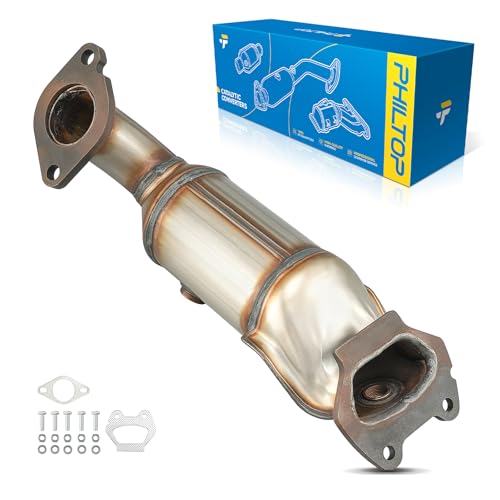
- Catalytic converter – inspect for clogs and signs of overheating to guarantee harmful emissions decrease properly.
- Mufflers and resonators – assess for internal damage and leaks that impact noise reduction and exhaust flow.
- Exhaust manifold – look for cracks or leaks that can hinder engine performance.
Each component plays a critical role in your exhaust system’s health. Identifying potential issues early during an inspection helps you maintain peak vehicle function and avoid costly repairs.
Inspection Procedures Overview
Inspecting the key components of your exhaust system requires a detailed and methodical approach. A thorough exhaust inspection involves visually evaluating the exhaust manifold, catalytic converter, muffler, and exhaust pipes for signs of damage such as cracks or rust. You'll also want to verify the proper alignment and secure connections of hangers and clamps, ensuring the exhaust system is in top condition. Reviewing gaskets for integrity helps prevent leaks that could lead to costly repairs. Additionally, checking the catalytic converter for overheating or clogs is essential since these issues impact emissions and vehicle performance. This extensive inspection uncovers potential problems early, allowing you to address them before they escalate. Detailed documentation of findings empowers you to maintain your vehicle's efficiency and safety confidently.
Identifying Common Defects
Because exhaust system defects can compromise both performance and safety, you need to carefully identify common issues during your inspection. A professional inspection focuses on these critical areas:
- Check exhaust pipes for corrosion, holes, and loose connections that can allow harmful gases inside and reduce exhaust flow.
- Conduct visual assessments of the catalytic converter to spot overheating or clogging, which impact emissions and fuel efficiency.
- Inspect mufflers for internal damage and rust that cause noise and leaks.
- Examine the exhaust manifold for cracks or leaks, as these directly affect engine performance.
Comparing DIY vs. Professional Exhaust System Inspections

How thoroughly can you assess your exhaust system without professional tools? DIY inspections mainly allow for visual checks, catching obvious corrosion or leaks but often miss internal damage and emissions leaks that compromise ideal performance. Professional inspections, though costing $150 to $500, employ specialized equipment to detect hidden issues like catalytic converter clogs or overheating. While DIY methods save money upfront, undetected problems may escalate repair costs later, undermining maintenance tips aimed at longevity. Regular professional inspections every two years guarantee compliance with emissions regulations and preserve your vehicle’s efficiency—benefits a DIY approach rarely assures. By choosing professional inspections, you liberate yourself from uncertainty, guaranteeing your exhaust system functions reliably and your vehicle maintains peak performance without costly surprises.
How Vehicle Type and Location Affect Inspection Pricing

Even though exhaust system inspections follow standard procedures, the type of vehicle you own and your location can cause significant variations in cost. Understanding these factors helps you anticipate inspection costs accurately.
- Vehicle type matters: luxury and performance cars demand specialized expertise and parts, raising inspection costs.
- Urban areas often feature higher labor rates, increasing expenses compared to rural regions.
- Complex exhaust systems with advanced emission control components require more time for thorough assessments, adding to the price.
- Regional conditions like snow exposure prompt frequent preventive maintenance, impacting cumulative inspection costs.
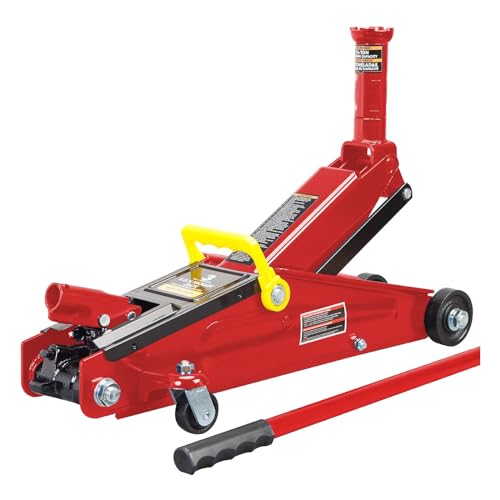
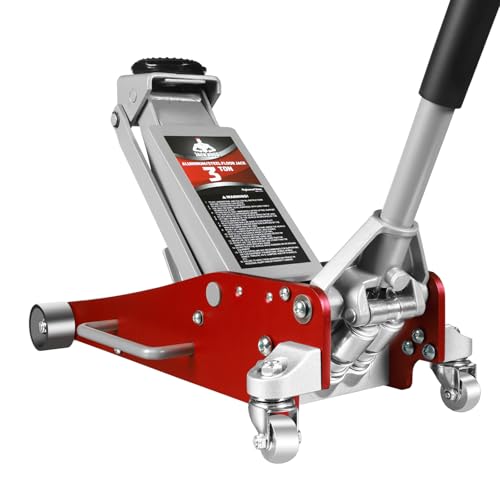
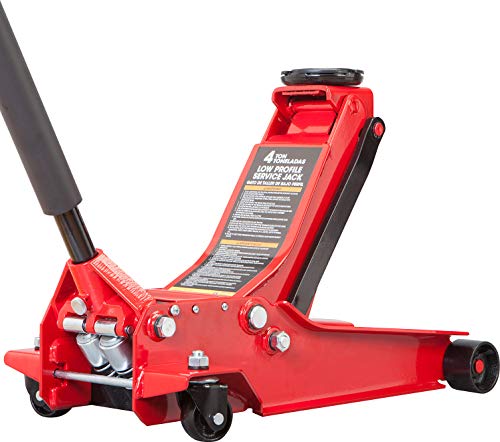
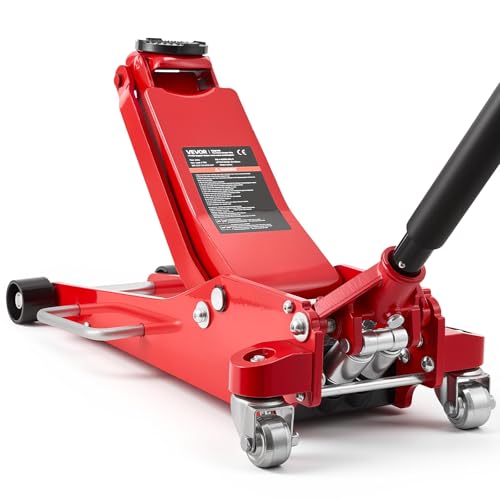
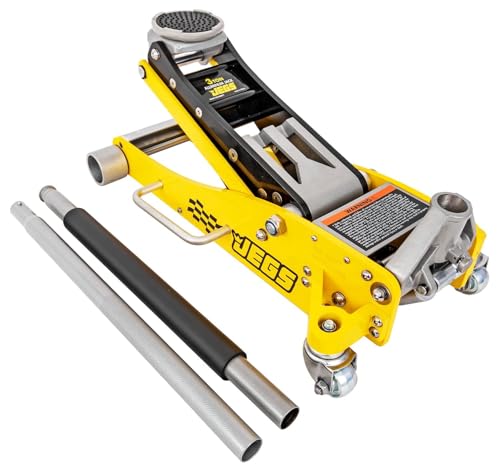
Inspection prices can also be influenced by the quality of lifting equipment used, as robust and reliable floor jacks—like those offered by Grainger—ensure technician safety and efficiency, potentially affecting overall labor charges.
Benefits of Investing in Regular Exhaust System Inspections
You can catch exhaust system issues early with regular inspections, potentially saving hundreds in costly repairs. These inspections help maintain engine efficiency and fuel economy, keeping your vehicle performing at its best. They also identify dangerous leaks, ensuring safety and regulatory compliance while extending component lifespan.
Early Problem Detection
Since exhaust system issues often develop gradually, scheduling regular inspections helps you catch leaks, corrosion, and other problems early. Early problem detection through exhaust system inspections offers critical benefits:
- Safeguards vehicle safety by minimizing exposure to harmful gases that can endanger occupants.
- Preserves fuel efficiency by preventing a potential 25% drop caused by faulty exhaust components.
- Protects the catalytic converter, avoiding costly replacements that can exceed $1,000.
- Helps you avoid legal penalties tied to compromised emission systems under EPA regulations.
Investing in early detection liberates you from unexpected repair expenses, enhances your vehicle's longevity, and guarantees compliance with environmental standards. Regular inspections empower you to maintain control over your vehicle’s health and safety effectively.
 When to Schedule an Exhaust System Inspection
Enhanced Vehicle Performance
Building on the advantages of early problem detection, regular exhaust system inspections also play a significant role in enhancing your vehicle’s performance. By ensuring efficient expulsion of exhaust gases, these inspections optimize engine functionality and responsiveness. This professional maintenance prevents damage that could degrade fuel efficiency and overall vehicle reliability.
| Benefit | Description |
|---|---|
| Improved Engine Output | Efficient gas expulsion enhances power |
| Reduced Engine Noise | Quieter operation for better comfort |
| Maintained Fuel Efficiency | Prevents costly fuel waste |
| Extended Vehicle Lifespan | Avoids critical component damage |
Regular inspections not only boost your vehicle’s performance but also safeguard its longevity, empowering you to drive with confidence and freedom.
Safety and Compliance
Although often overlooked, regular exhaust system inspections play a critical role in maintaining safety and compliance with environmental regulations. By investing in these inspections, you guarantee your vehicle meets EPA standards and avoid costly fines. Here’s why these inspections matter:
- Identify and repair exhaust leaks early, protecting occupants from hazardous gases.
- Guarantee compliance with emissions regulations, preventing legal issues.
- Enhance overall safety by detecting potential system failures before they escalate.
- Improve fuel efficiency, saving money and reducing environmental impact.
Regular inspections not only secure your safety but also reinforce your responsibility toward environmental compliance, empowering you to drive confidently and sustainably. Don’t underestimate the value of routine exhaust system checks—they’re essential for liberation from unexpected failures and penalties.
Frequently Asked Questions
How Much Does It Cost to Estimate an Exhaust System?
You’ll find exhaust system pricing varies with inspection frequency, diagnostic tools, and repair options. Using aftermarket parts can lower costs. Regular maintenance tips help you avoid costly repairs while ensuring accurate estimates from skilled professionals.
What Is the Exhaust System Inspection?
An exhaust system inspection checks exhaust system components using diagnostic tools, identifies common issues, and guarantees safety regulations compliance. You should prioritize inspection importance and maintain inspection frequency to liberate yourself from costly repairs or hazards.
How Often Should Your Exhaust System Be Checked by a Qualified Mechanic?
You should follow mechanic recommendations and inspect your exhaust system annually, or more often if you spot signs of damage. Regular DIY inspections help, but maintenance frequency depends on exhaust system lifespan and emission regulations compliance.
How Much Does It Cost to Service Exhaust?
Think of exhaust repair costs like tuning an instrument—muffler replacement prices vary $150-$500, labor charges comparison shows 2-3 hours work. DIY exhaust checks catch common exhaust issues early; performance exhaust upgrades boost freedom on the road.
Final Thoughts
Think of your exhaust system inspection as the lighthouse guiding your vehicle through foggy waters—preventing unseen damage and costly repairs. By investing in a professional inspection, you guarantee every component is thoroughly checked, safeguarding performance and safety. While costs vary by vehicle and location, the clarity and confidence you gain far outweigh the price. Don’t let small issues become storms; regular inspections keep your journey smooth and efficient.
 10 Tips for Inspecting Used Car Exhaust Systems
Reliable Floor Jacks on a Budget: Best Picks for Under $150
Top-Rated Floor Jacks Over $100: Built for Professionals, Priced for Smart Buyers
If you want to know other articles similar to Professional Exhaust System Inspection Costs Explained you can visit the Exhaust System Care category.
3 Best Ways to Inspect Your Car’s Exhaust

7 Steps to Inspect Your Exhaust System During Oil Change

10 Tips to Spot Exhaust Leaks During Inspection

Why Follow an Exhaust System Inspection Checklist?

Exhaust System Inspection Steps for Car Owners

Why Schedule Exhaust System Inspection Annually?

7 Tips for Exhaust Inspection After Emissions Failure

10 Tips for Inspecting Used Car Exhaust Systems
Leave a Reply
This is also interesting