











When to Schedule an Exhaust System Inspection


You should schedule an exhaust system inspection if you hear unusual noises, notice a drop in fuel efficiency, detect strong exhaust odors, or see the check engine light come on.
Also, get an inspection if you spot rust, corrosion, leaks, or after long drives and harsh conditions.
Regular inspections every two to three years help prevent costly corrosion and maintain safe emissions.
Understanding these signs helps you keep your exhaust system reliable and efficient.
Table
- Main Points
- Unusual Noises From the Exhaust System
- Decreased Fuel Efficiency and Performance
- Presence of Strong Exhaust Odors
- Activation of the Check Engine Light
- Visible Rust or Corrosion on Exhaust Components
- After Long Drives or Harsh Driving Conditions
- Noticeable Exhaust Leaks or Damage
- Regular Maintenance and Safety Inspections
- Frequently Asked Questions
- Final Thoughts
Main Points
- Schedule an exhaust inspection every two to three years or sooner if driving conditions are harsh or moisture-prone areas are exposed.
- Inspect immediately if you notice unusual noises like rumbling, rattling, or persistent hissing during idling.
- Schedule an inspection upon detecting strong exhaust odors inside or around the vehicle to prevent toxic gas exposure.
- Have your exhaust system checked promptly if the check engine light activates, indicating possible sensor or catalytic converter issues.
- Inspect after long drives or exposure to corrosive environments to detect early signs of rust, damage, or clogging.
Unusual Noises From the Exhaust System

When you hear unusual noises like rumbling, rattling, or hissing from your exhaust system, it often signals a problem such as a cracked exhaust manifold or a damaged muffler that needs immediate inspection. These sounds indicate potential exhaust leaks, which can compromise your vehicle’s performance and safety. Increased engine noise during acceleration frequently points to these leaks, allowing harmful gases to escape. A persistent hissing noise, especially when idling, is a clear sign of escaping exhaust gases that require urgent attention. Ignoring these warning signs risks severe engine damage or failure. You should prioritize timely inspection to identify and address exhaust system issues, maintaining your vehicle’s integrity and ensuring your freedom from breakdowns on the road.
Decreased Fuel Efficiency and Performance

If you notice you're filling up your gas tank more often, it could indicate reduced miles per gallon caused by exhaust system issues like a clogged catalytic converter or faulty oxygen sensors. These problems directly impact engine performance and overall fuel efficiency. Scheduling an inspection promptly helps identify and address the root causes before they worsen.
Signs of Reduced MPG
Although a gradual drop in your vehicle’s miles per gallon (MPG) might seem minor, it often signals underlying exhaust system issues such as a clogged catalytic converter or faulty oxygen sensors. You’ll notice reduced fuel efficiency when the exhaust system fails to properly manage exhaust gas flow, forcing your engine to work harder. A noticeable drop in MPG typically leads to more frequent fuel stops, clearly indicating the need for an inspection. By consistently monitoring your fuel consumption, you can detect these subtle declines early. Addressing exhaust system problems promptly helps you avoid costly repairs and keeps your vehicle running efficiently. Don’t ignore signs of reduced MPG; scheduling an exhaust system inspection liberates you from escalating maintenance issues.
Engine Performance Impact
Since your engine relies on efficient exhaust flow to maintain performance, any blockage or malfunction in the exhaust system can directly reduce fuel efficiency and acceleration. When the catalytic converter clogs or the oxygen sensor malfunctions, your engine performance suffers noticeably.
Here’s how these issues impact you:
 10 Tips for Inspecting Used Car Exhaust Systems
- Increased fuel consumption forces more frequent gas fill-ups, reducing overall fuel efficiency.
- Decreased acceleration response signals restricted exhaust flow, limiting engine power.
- Ignoring these signs risks further engine damage and costly repairs.
Scheduling regular exhaust system inspections lets you detect problems early, maintaining peak engine performance and preventing a drop in fuel efficiency. Keeping your exhaust system in check guarantees your vehicle runs efficiently and liberates you from unnecessary expenses.
Causes of Efficiency Drop
When your vehicle experiences a noticeable drop in fuel efficiency or a decline in acceleration, the exhaust system often plays a key role. A damaged or clogged catalytic converter restricts exhaust flow, causing a drop in gas mileage and reduced engine performance. If the check engine light comes on, it frequently signals issues within the exhaust system, such as malfunctioning oxygen sensors or leaks. These problems increase fuel consumption and emissions while diminishing power. Driving in dusty conditions or making frequent short trips accelerates wear, further impairing efficiency. Scheduling a necessary inspection promptly helps detect these faults early, preventing extensive engine damage and costly repairs. By maintaining your exhaust system, you guarantee ideal fuel economy and liberate your vehicle’s full performance potential.
Presence of Strong Exhaust Odors

Strong exhaust odors inside or around your vehicle often indicate a compromised exhaust system that isn’t effectively redirecting harmful gases. These strong exhaust odors signal potential exposure to toxic gases like carbon monoxide, threatening your health and vehicle safety. You shouldn’t ignore these warning signs. When you detect strong exhaust odors, schedule an inspection promptly to prevent escalating risks. Consider these critical points:
- Persistent odors suggest leaks or damage in the exhaust system needing immediate attention.
- Toxic gases escaping the system can accumulate inside the cabin, posing life-threatening hazards.
- Regular inspections catch issues early, maintaining peak exhaust function and protecting your liberation on the road.
Addressing strong exhaust odors quickly guarantees your vehicle remains safe and your well-being uncompromised.
Activation of the Check Engine Light

Detecting unusual exhaust odors often signals underlying system issues, but another key indicator you shouldn’t overlook is the activation of your vehicle’s check engine light. This warning often points to malfunctions in the exhaust system, such as a failing oxygen sensor or clogged catalytic converter, both of which demand immediate inspection. Ignoring the check engine light risks escalating damage, leading to reduced vehicle efficiency and potential engine failure due to exhaust backpressure. Timely diagnostic scanning upon illumination helps identify critical faults early, allowing for precise repairs that restore performance and maintain emissions compliance. By staying vigilant with the check engine light, you guarantee your exhaust system operates efficiently, preserving your vehicle’s reliability and your freedom to drive without interruption.
Visible Rust or Corrosion on Exhaust Components

You should carefully inspect welds, joints, and brackets for visible rust, as these areas are most susceptible to corrosion that can weaken your exhaust system. Corrosion not only compromises structural integrity but can also cause leaks that reduce performance and fuel efficiency. To prevent damage, maintain regular cleanings and apply protective coatings, especially if you drive in wet or salted-road conditions.
Identifying Rust Locations
Although rust can develop anywhere on the exhaust system, you should focus your inspection on connection points and welded areas where corrosion tends to initiate. These spots are vulnerable due to metal stress and moisture exposure. When inspecting, prioritize these key locations:
- Muffler and tailpipe – moisture often collects here, accelerating visible rust formation.
- Catalytic converter – especially if you've driven through road salt or harsh weather, check for surface rust that could indicate deeper corrosion.
- Exhaust hangers and isolators – corrosion here can weaken support, risking misalignment.
Regular, precise inspections targeting these areas help you catch rust early, enabling timely repairs and extending your exhaust system’s service life. Stay vigilant to maintain peak vehicle performance and avoid costly damage.
Corrosion Impact on Performance
When corrosion develops on exhaust components, it compromises their structural integrity, increasing the likelihood of leaks and diminished system performance. Visible rust on your exhaust system signals deterioration that can impair emission control effectiveness. Corroded parts elevate engine backpressure, causing poor acceleration and potential stalling. If you want to maintain ideal vehicle function and avoid unexpected failures, schedule regular inspections to detect corrosion early. Timely identification allows for targeted repairs before damage escalates, preserving performance and extending your exhaust system’s lifespan. Ignoring corrosion risks costly replacements and non-compliance with emissions regulations. By staying vigilant through inspections, you empower yourself to address corrosion proactively, ensuring your vehicle operates efficiently and reliably without sacrificing performance. For example, regularly checking for material durability in exhaust components—similar to best practices with oil drain pans—will help extend the life of your vehicle’s exhaust system and improve overall reliability.
Prevention and Maintenance Tips
Corrosion not only affects exhaust system performance but also signals the need for proactive prevention and maintenance. To keep rust from compromising your exhaust system, you should:
 7 Tips for Exhaust Inspection After Emissions Failure
- Conduct regular inspections focusing on moisture-prone areas like exhaust hangers and joints where rust commonly forms.
- Address any visible rust immediately to prevent deterioration that could lead to leaks or inefficiency, ensuring better fuel economy.
- Consult a professional promptly if corrosion is detected to determine if repair or replacement is necessary, maintaining emissions compliance.
After Long Drives or Harsh Driving Conditions
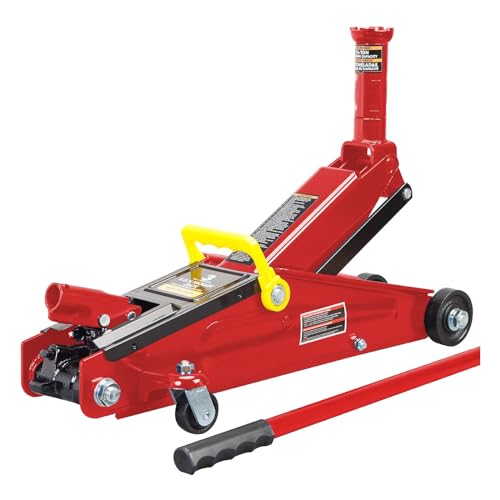
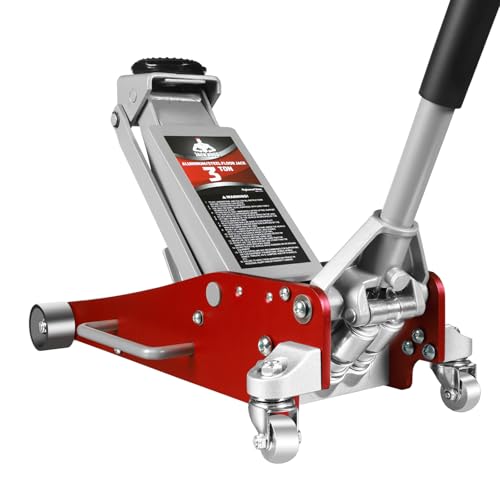
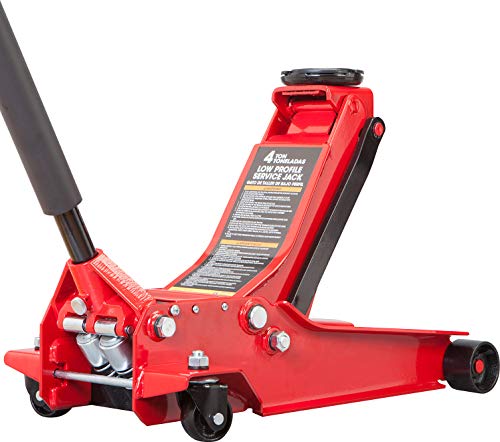
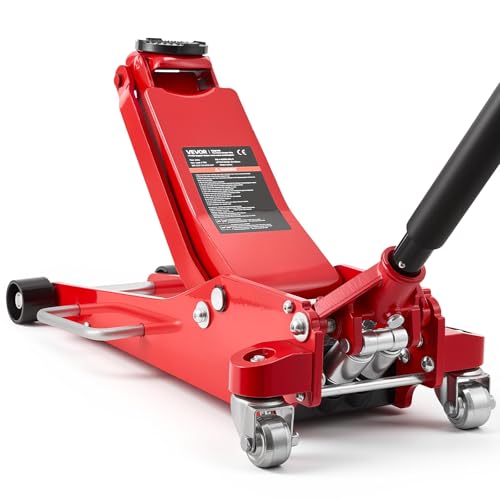
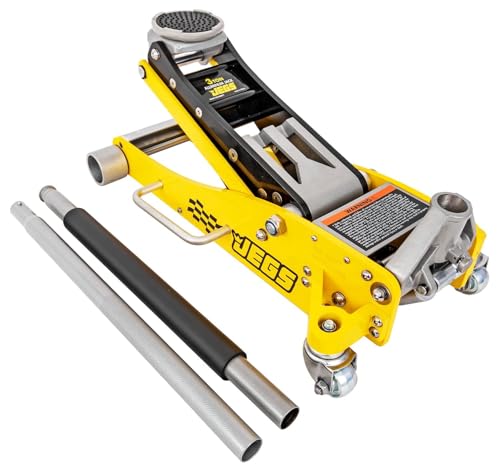
Since long drives and harsh driving conditions place extra stress on your vehicle, scheduling an exhaust system inspection afterward is essential. Exposure to extreme temperatures, dust, and rough terrains accelerates wear on exhaust components, potentially causing exhaust leaks or catalytic converter issues. Ignoring these stresses can degrade vehicle performance, reduce fuel efficiency, and increase emissions. By promptly inspecting your exhaust system after such conditions, you can identify early signs of damage or clogging that compromise functionality. This proactive approach guarantees your exhaust system effectively manages emissions and sustains peak engine operation. Regular exhaust system inspection in these contexts prevents costly repairs and preserves your vehicle’s freedom on the road, allowing you to maintain control and avoid unexpected failures resulting from accumulated damage during demanding drives. If you perform your own maintenance, using quality floor jacks ensures safe and efficient access to your vehicle’s undercarriage during exhaust inspections.
Noticeable Exhaust Leaks or Damage
How can you tell if your exhaust system needs immediate attention? Pay close attention to signs that reveal damage or leaks requiring prompt inspection. Addressing these issues swiftly can prevent safety risks and restore performance.
Watch for damage or leaks in your exhaust system to avoid safety risks and maintain performance.
- Visible Damage: Holes, cracks, or rust spots on your exhaust system signal deterioration. Schedule an inspection immediately to stop further damage.
- Unusual Noises: Hissing or rumbling sounds while the engine runs often indicate leaks. A professional check pinpoints and resolves the problem.
- Fuel Efficiency and Warning Lights: A sudden drop in fuel efficiency or an illuminated check engine light frequently signals exhaust system malfunctions. Prompt inspection guarantees peak operation and safety.
Regular Maintenance and Safety Inspections
Even if your exhaust system shows no obvious signs of trouble, you should schedule regular maintenance and safety inspections every two to three years, or according to your driving conditions. These inspections guarantee your vehicle complies with emissions regulations and maintains peak performance. By routinely checking components like the catalytic converter, muffler, and pipes, you can detect wear or damage early. Monitoring for unusual noises or strong odors during maintenance helps identify issues before they escalate, preventing costly repairs. Prompt inspection when you notice reduced acceleration, decreased gas mileage, or a check engine light activation is vital for safety. Maintaining this schedule prolongs your exhaust system’s lifespan and safeguards passenger safety by addressing potential hazards proactively. Prioritize these inspections to keep your vehicle reliable and safe on the road. If you notice any signs of structural integrity issues in your exhaust system, it’s important to address them promptly to prevent further complications and ensure safe operation.
Frequently Asked Questions
When Should the Exhaust System Be Examined?
You should examine your exhaust system if you detect exhaust noise, emission issues, or performance decline. Perform a visual inspection regularly and check for rust detection to maintain freedom from mechanical constraints and guarantee peak vehicle function.
What Would an Exhaust System Be Inspected For?
You’ll inspect for exhaust leaks, muffler condition, catalytic converter function, noise levels, and emission tests. These checks guarantee efficiency, reduce pollution, and keep your system running smoothly—freeing you from costly repairs and legal issues.
How Often Should You Change Your Exhaust System?
Like a heartbeat, your exhaust system signals when it’s tired—watch for signs of damage or performance issues. Regular exhaust system maintenance and DIY inspections help you avoid costly replacement costs and keep your ride running free.
What Is the Life Expectancy of an Exhaust System?
You can expect exhaust system longevity of two to three years, influenced by factors affecting lifespan like climate and driving conditions. Watch for signs of wear, follow maintenance tips, and note replacement indicators to extend its life effectively.
Final Thoughts
You should schedule an exhaust system inspection whenever you sense suspicious sounds, spot significant rust, or smell strong exhaust odors. Don’t disregard decreased drive efficiency or a demanding dashboard warning—these signs signal system struggles. After arduous adventures or aggressive acceleration, a timely check can curb costly complications. Consistent, careful checkups contribute to confident, clean combustion and curb costly carbon concerns. Stay sharp, stay safe, and schedule your system’s scrutiny regularly for reliable, robust rides.
 Why Schedule Exhaust System Inspection Annually?
Reliable Floor Jacks on a Budget: Best Picks for Under $150
Top-Rated Floor Jacks Over $100: Built for Professionals, Priced for Smart Buyers
If you want to know other articles similar to When to Schedule an Exhaust System Inspection you can visit the Exhaust System Care category.
3 Best Ways to Inspect Your Car’s Exhaust

Professional Exhaust System Inspection Costs Explained

7 Steps to Inspect Your Exhaust System During Oil Change

10 Tips to Spot Exhaust Leaks During Inspection

Why Follow an Exhaust System Inspection Checklist?

Exhaust System Inspection Steps for Car Owners

Why Schedule Exhaust System Inspection Annually?

7 Tips for Exhaust Inspection After Emissions Failure
Leave a Reply
This is also interesting