







3 Best Ways to Inspect Your Car’s Exhaust


To inspect your car’s exhaust, start with a visual check for cracks, rust, and loose connections on the manifold, pipes, and muffler. Next, apply soapy water along joints and seams, then run the engine to spot bubbles indicating leaks. Finally, listen carefully for hissing, rattling, or unusual vibrations that signal exhaust issues. These methods provide a solid initial assessment, and exploring further will reveal more detailed techniques to maintain your exhaust system’s health.
Table
Main Points
- Visually inspect exhaust components for cracks, rust, loose connections, and corrosion to identify visible damage early.
- Use soapy water on exhaust joints and seams while engine is warm to detect leaks by observing bubble formation.
- Listen for unusual noises like hissing, tapping, or loud rumbling indicating possible exhaust leaks or muffler issues.
- Regularly check and secure exhaust hangers, clamps, and mounts to prevent vibrations and rattling noises.
- Perform inspections in a well-ventilated area with proper vehicle support and safety gear to avoid hazards.
Visual Inspection for Damage and Corrosion

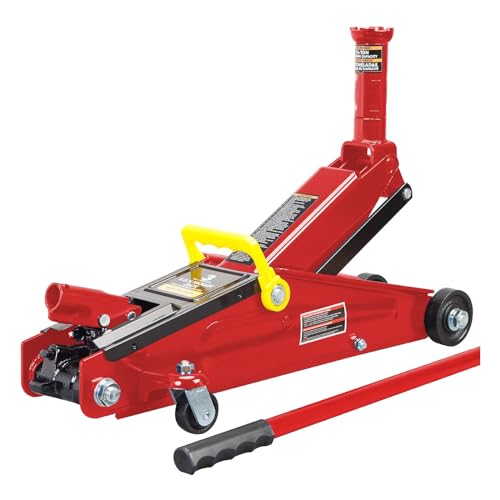
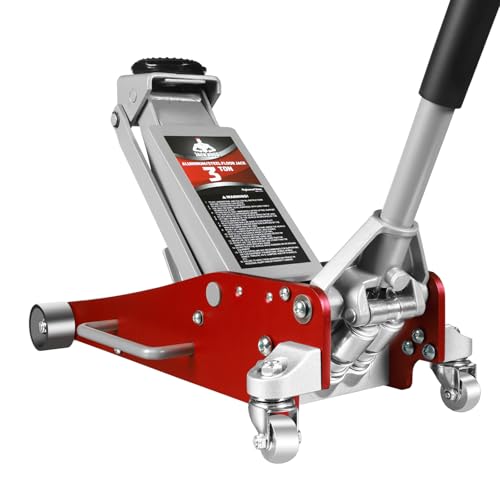
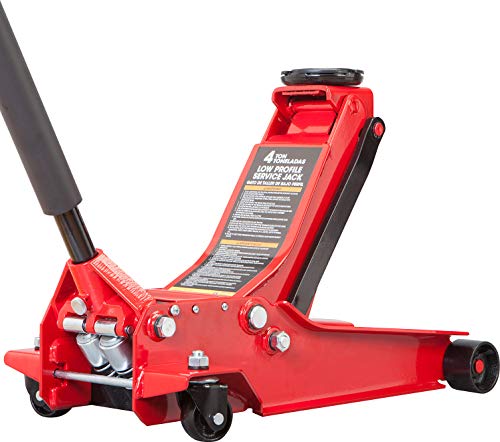
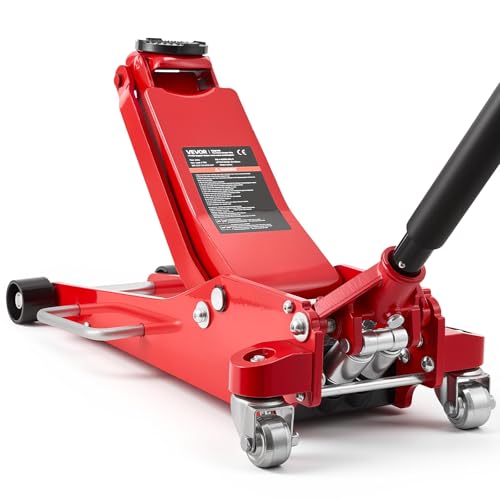
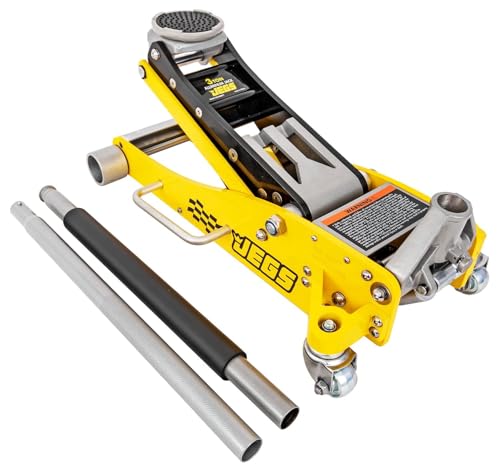
Before diving deeper into your car's exhaust system, start by visually inspecting the exhaust manifold for cracks or loose connections, as these issues can cause significant leaks and reduce engine performance. Next, examine the exhaust pipes closely for corrosion and rust spots, particularly in moisture-prone areas, since corrosion weakens metal and risks structural failure. Check the catalytic converter for discoloration or warping, which signals overheating or internal blockages. Inspect the muffler for dents or rust that might disrupt exhaust flow or increase noise levels. Finally, verify all exhaust hangers and clamps are secure and intact to prevent misalignment and further damage. This thorough visual inspection helps you maintain peak exhaust system function and liberates you from costly repairs caused by overlooked damage or corrosion. For added safety during inspection, consider using a quality floor jack to securely lift your vehicle and provide better access to the entire exhaust system.
Using Soapy Water to Detect Exhaust Leaks

When you spray a mixture of water and dish soap along your exhaust system's joints and seams, you can quickly identify leaks by spotting bubbles where air escapes. Using soapy water is a simple yet effective method to detect a leaking exhaust during regular inspections. To guarantee accuracy, follow these steps:
 When to Schedule an Exhaust System Inspection
- Warm up the engine to increase exhaust pressure for more visible bubbles.
- Focus on clamps, welds, and connection points where leaks commonly occur.
- Perform the test in a well-ventilated area to avoid inhaling harmful fumes.
- Apply the soapy water solution evenly along suspected areas for clear bubble formation.
This technique empowers you to pinpoint exhaust leaks early, helping maintain system integrity and vehicle safety without expensive equipment.
Listening for Unusual Noises and Vibrations

Although exhaust leaks can be invisible to the eye, you can often detect them by listening closely for unusual noises and vibrations beneath your vehicle. Pay attention to hissing or tapping sounds, which indicate air escaping through cracks or holes in the exhaust system. Loud rumbling during acceleration often signals a failing muffler or an exhaust leak before the muffler. Unusual vibrations or rattling noises might reveal loose or damaged components compromising system integrity. Notice any changes in engine noise—significant increases can point to issues within the exhaust manifold or pipes. Monitoring how these sounds fluctuate with engine speed helps pinpoint leak locations. By honing your auditory awareness, you empower yourself to identify exhaust system faults early, avoiding costly repairs and ensuring safe, efficient vehicle operation. If you need to safely lift your car while inspecting underneath, consider using a corrosion-resistant scissor jack to ensure stable and reliable support during your inspection.
Frequently Asked Questions
How to Inspect a Car Exhaust System?
You’ll conduct an exhaust system inspection using basic tools like a flashlight and soapy water. Look for common issues such as rust, cracks, and leaks. Listen closely for unusual noises, ensuring secure hangers and clamps.
How to Check an Exhaust?
Sure, just ignore your exhaust system maintenance until your car sounds like a dying beast. Instead, check for signs of wear and exhaust noise issues by visually inspecting, tightening connections, and listening closely for leaks or rattles.
 10 Tips for Inspecting Used Car Exhaust Systems
How to Check for Exhaust Fumes in Car?
You can detect exhaust odor by closing windows and sniffing inside for fumes. Perform a smoke test procedure to spot leaks, and use visual inspection tips to check soot, cracks, or rust around the exhaust system.
What Can I Spray to Check for Exhaust Leaks?
You can spray soapy water for leak detection—simple yet effective—rather than relying on smoke testing, which requires special equipment. Soapy water bubbles reveal leaks, freeing you to spot issues without complex tools or costly setups.
Final Thoughts
By giving your car’s exhaust a careful once-over—checking for visible wear, applying soapy water to spot sneaky leaks, and tuning in for unusual sounds—you’re not just avoiding trouble; you’re giving your vehicle a little TLC it deserves. These simple steps help you catch potential hiccups early, keeping your ride smooth and efficient. Remember, a well-inspected exhaust system quietly works behind the scenes, ensuring your car performs at its best without drawing unwanted attention.
 7 Tips for Exhaust Inspection After Emissions Failure
Reliable Floor Jacks on a Budget: Best Picks for Under $150
Top-Rated Floor Jacks Over $100: Built for Professionals, Priced for Smart Buyers
If you want to know other articles similar to 3 Best Ways to Inspect Your Car’s Exhaust you can visit the Exhaust System Care category.
Professional Exhaust System Inspection Costs Explained

7 Steps to Inspect Your Exhaust System During Oil Change

10 Tips to Spot Exhaust Leaks During Inspection

Why Follow an Exhaust System Inspection Checklist?

Exhaust System Inspection Steps for Car Owners

Why Schedule Exhaust System Inspection Annually?

7 Tips for Exhaust Inspection After Emissions Failure

10 Tips for Inspecting Used Car Exhaust Systems
Leave a Reply
This is also interesting