













10 Tips for Inspecting Used Car Exhaust Systems


When inspecting a used car’s exhaust system, start by checking for rust, corrosion, and physical damage. Look closely at welds, clamps, and pipe connections for cracks or misalignment. Test the flex pipe for signs of wear or leaks by observing bulges or splits. Listen carefully for unusual noises like hissing or rattling during a test drive. Also, verify the catalytic converter’s condition and confirm the system matches the vehicle’s model. Keep these tips in mind to make a confident, informed evaluation.
Table
- Main Points
- Examine the Overall Condition of the Exhaust System
- Identify Visible and Audible Exhaust Leaks
- Inspect Welds, Clamps, and Pipe Connections
- Check for Rust, Corrosion, and Physical Damage
- Test the Flex Pipe for Common Failure Signs
- Assess Hangers and Isolator Integrity
- Perform Engine Vacuum and Backpressure Tests
- Inspect the Catalytic Converter and Related Codes
- Verify Exhaust Compatibility With Vehicle Model
- Listen for Unusual Noises During a Test Drive
- Frequently Asked Questions
- Final Thoughts
Main Points
- Check the exhaust system for rust, dents, and physical damage to ensure durability and proper function.
- Listen for unusual sounds like hissing or popping during a test drive to detect leaks or loose parts.
- Inspect welds, clamps, and pipe connections for cracks, corrosion, and proper alignment to prevent failures.
- Examine hangers and isolators to confirm secure support and prevent exhaust misalignment or wear.
- Verify catalytic converter condition and use an OBD-II scanner to check for emission-related trouble codes.
Examine the Overall Condition of the Exhaust System

When inspecting a used car's exhaust system, start by carefully examining it for rust, corrosion, or physical damage, as these signs often indicate potential failures or the need for repairs. Focus on welds, pipe connections, and clamps—check for breaks, cracks, or misalignment to guarantee the exhaust system remains secure and leak-free. Evaluate hangers and isolators to verify proper support and alignment, which prevents premature wear. Look closely at the exhaust tips for soot deposits or black residue; these can reveal incomplete combustion or underlying issues affecting exhaust flow. By methodically evaluating the overall condition of exhaust systems, you empower yourself to identify necessary repairs early, securing your freedom from unexpected breakdowns and costly interventions.
Identify Visible and Audible Exhaust Leaks
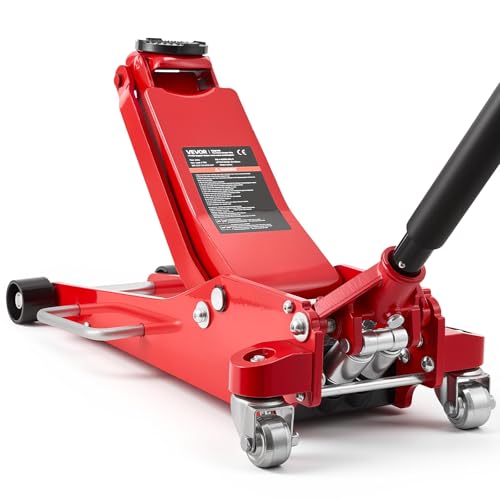
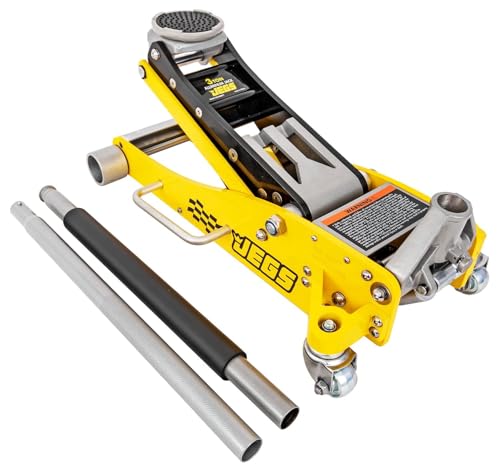
How can you accurately detect leaks in a used car's exhaust system? Start by visually inspecting the exhaust for cracks, corrosion, or damage, focusing on common leak points. Next, listen carefully during a test drive for unusual sounds like hissing or popping. Additionally, be alert to any exhaust odor entering the cabin, signaling potential leaks. When conducting your inspection, ensure the vehicle is securely lifted using quality floor jacks to provide safe and stable access to the exhaust components.
Detect exhaust leaks by visually inspecting, listening for unusual sounds, and noticing odors inside the cabin.
Key steps to identify exhaust leaks include:
- Look for visible cracks, bulges, or rust on the exhaust pipes and flex pipe.
- Listen for abnormal noises indicating escaping gases.
- Check for exhaust fumes inside the vehicle cabin.
- Inspect clamps and connections for tightness and signs of leakage.
Inspect Welds, Clamps, and Pipe Connections

You should carefully inspect all welds for cracks or corrosion that could compromise their strength. Make sure clamps and gaskets are securely fastened and properly aligned to prevent leaks. Properly checking these connections helps maintain exhaust system integrity and performance.
Check Weld Integrity
Three critical areas demand your attention when checking weld integrity: welds, clamps, and pipe connections. Focus on these to guarantee the exhaust system remains secure and efficient. Inspect welds closely for breaks, cracks, or corrosion, as these flaws cause leaks and impair performance. Verify clamps are tight and unbroken to prevent misalignment and noise. Assess pipe connections for proper alignment and intact gaskets to avoid stress points and premature failure. Don’t forget to examine the flex pipe, a frequent failure point due to movement stress.
Key points to check:
- Welds free from cracks and corrosion
- Clamps secure and intact
- Pipes properly aligned with good gaskets
- Flex pipe condition and flexibility
A well-maintained exhaust system offers freedom from unexpected breakdowns and inefficiency.
Secure Clamps and Gaskets
After confirming the integrity of welds, attention should shift to securing clamps and gaskets, as these components maintain proper alignment and prevent exhaust leaks. You need to inspect clamps for tightness and rust; loose or corroded clamps risk misalignment and system failure. Examine pipe connections closely, ensuring gaskets are intact and free from wear. Faulty gaskets compromise exhaust sealing, reducing performance. Check for visible damage or rust on connections, especially around flex pipes, which endure constant movement and flexing. Secure clamps and gaskets must form a leak-free seal, so listen carefully for unusual noises during a test drive that signal exhaust leaks. By verifying the condition of these parts, you liberate your vehicle’s exhaust system from inefficiency and potential damage, ensuring reliable operation.
 7 Tips for Exhaust Inspection After Emissions Failure
Check for Rust, Corrosion, and Physical Damage

Rust, corrosion, and physical damage compromise an exhaust system's performance and safety. During your used car inspection, thoroughly examine the pipes, welds, and connections for any signs of rust or corrosion. These can indicate leaks or structural weaknesses that undermine system integrity. Also, inspect for dents or nicks, as these physical damages affect exhaust flow and durability. Focus on the exhaust tips and supports too, since damage there often signals deeper issues.
Check for rust, corrosion, and dents on exhaust pipes and supports to ensure performance and safety.
Key points to check:
- Rust on pipes and connections signaling potential leaks
- Corrosion near welds and seams prone to deterioration
- Physical damage like dents or nicks affecting performance
- Condition of hangers and isolators preventing misalignment
Being precise in this step guarantees you avoid costly repairs and maintain vehicle freedom.
Test the Flex Pipe for Common Failure Signs

When inspecting the exhaust system, you should pay close attention to the flex pipe, as it often experiences stress that leads to common failure signs like cracks, splits, or bulges. Make sure to visually examine the pipe for any such damage, as these defects cause exhaust leaks and reduce performance. Check for rust or corrosion that can weaken the material and prompt premature failure. During a test drive, listen carefully for hissing or rattling sounds indicating a compromised flex pipe. Make sure the flex pipe is properly aligned and securely connected to prevent undue stress. Finally, be vigilant for any exhaust fumes entering the cabin—this signals a breach and serious safety risk. Addressing these points will help you liberate your vehicle from hidden exhaust problems.
Assess Hangers and Isolator Integrity
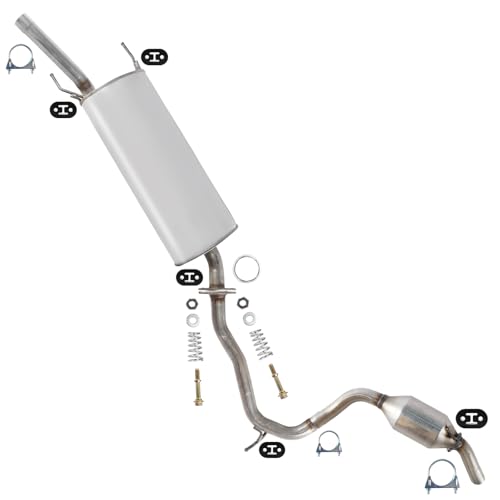
You should inspect each hanger and isolator carefully, as these components are essential for supporting the exhaust system and maintaining its alignment. Spot potential problems by checking for cracks or breaks in rubber or metal parts, which compromise support and cause misalignment. Verify all hangers are securely fastened to the vehicle frame, and isolators are intact to absorb vibrations and prevent rattling. Neglecting these parts risks premature exhaust system failure.
Key points to spot potential problems include:
Look for cracks, broken hangers, loose mounts, and excessive noise to identify exhaust support issues early.
- Cracks, tears, or brittleness in rubber isolators
- Broken or bent metal hangers
- Loose or missing hangers causing sagging
- Signs of excessive vibration or noise from loose components
Regularly evaluating these elements protects your exhaust system’s integrity and longevity.
Perform Engine Vacuum and Backpressure Tests
Although exhaust system issues can be hard to detect visually, performing engine vacuum and backpressure tests provides critical data about airflow restrictions and leaks. Engine vacuum tests measure the engine’s ability to draw air, with healthy readings typically between 18-22 inHg at idle. Lower values suggest blockages or leaks within the exhaust or intake systems. To perform this test, connect a vacuum gauge to the manifold and observe stable readings without fluctuations. Backpressure tests require installing a gauge, often at the O2 sensor port, to measure resistance during wide-open throttle; acceptable levels range from 1.0 to 1.5 psi. Elevated backpressure indicates obstructions restricting exhaust flow, which can degrade performance. Regularly applying these tests empowers you to detect hidden exhaust issues early, avoiding costly repairs and ensuring engine freedom.
Since the catalytic converter plays a crucial role in reducing harmful emissions, inspecting it thoroughly is essential during a used car evaluation. When you inspect the catalytic converter and related codes, focus on both physical condition and diagnostic data to avoid future issues.
 Why Schedule Exhaust System Inspection Annually?
- Check the catalytic converter for dents, rust, or damage that could impair function.
- Use an OBD-II scanner to retrieve PCM trouble codes indicating converter or sensor faults.
- Review technical service bulletins (TSBs) for model-specific concerns or recalls.
- Verify the vehicle operates within proper fuel control ranges and ideal temperatures for converter efficiency.
Verify Exhaust Compatibility With Vehicle Model
You need to confirm that the exhaust system matches your vehicle’s specific make and model, as dimensions and configurations vary widely. Check for any modifications, since aftermarket parts might not fit correctly or perform as intended. Always cross-reference manufacturer specifications or part numbers to guarantee proper compatibility.
Model-Specific Exhaust Fit
When verifying exhaust compatibility, it is crucial to confirm that the system is designed specifically for your vehicle's make and model, as variations in engine size—such as a 5.7 versus a 6.1—can greatly impact fitment and performance. Ensuring a model-specific exhaust fit avoids costly installation errors and preserves peak engine output.
To guarantee compatibility, focus on these key points:
- Confirm part numbers with manufacturers or trusted automotive databases
- Verify that installation hardware matches your vehicle’s exhaust layout
- Consult enthusiast forums for real-world fitment feedback
- Avoid exhaust components that require modifications incompatible with your engine specifications
Check Exhaust Modifications
Beyond confirming a model-specific fit, inspecting any modifications made to the exhaust system is essential for guaranteeing compatibility with your vehicle. You need to check exhaust modifications carefully, as altered components may affect your car’s condition, emissions compliance, and performance. Verify the brand and model of the exhaust to guarantee quality and reliability. Consult automotive forums for insights on the particular setup’s suitability.
| Aspect | Consideration |
|---|---|
| Vehicle Engine Model | Different engines (e.g., 5.7 vs. 6.1) require unique exhausts |
| Brand & Model | Guarantee reputable and reliable aftermarket parts |
| Modification History | Identify alterations that may impact compatibility |
| Emissions Compliance | Confirm adherence to state and local regulations |
| Community Feedback | Leverage user experiences from enthusiast groups |
Listen for Unusual Noises During a Test Drive
Although a test drive primarily evaluates overall performance, it also reveals critical information about the exhaust system through sound. When you listen for unusual noises during a test drive, you can detect exhaust leaks or system failures early. Pay close attention to any loud hissing, popping, or rumbling sounds. These noises often indicate compromised exhaust integrity.
Listen for hissing, popping, or rumbling during test drives to catch early signs of exhaust issues.
Watch for:
- Sudden changes in engine noise during acceleration, signaling muffler or pipe issues
- Rattling noises from the rear, suggesting loose or damaged components
- Increased noise after bumps, indicating damaged hangers or isolators
- Unusual odors like rotten eggs, pointing to catalytic converter problems or leaks
Frequently Asked Questions
What to Look for When Buying a Used Exhaust?
When buying a used exhaust, check exhaust materials like stainless steel for durability. Inspect for rust, leaks, and damage. Verify welds and joints are secure. Confirm compatibility with your vehicle to avoid future performance issues.
What to Look for When Inspecting an Exhaust System?
When inspecting an exhaust system, you’ll want to spot leaks, rust, and damage, test for blockages, and check catalytic converter function. Proper exhaust maintenance guarantees performance, safety, and freedom from costly repairs or emissions issues.
What Is a Good Way to Test the Integrity of Exhaust Pipes?
Imagine exhaust rust as silent cracks in a fortress’s walls. You can test pipe integrity by inspecting welds for gaps, listening for hissing leaks during a test drive, and feeling for escaping gases near the exhaust tip.
What Is a Quick Test for Checking for Exhaust Leaks?
You can perform leak detection quickly by starting the engine and listening for hissing sounds, spraying soapy water on joints to spot bubbles, or feeling airflow changes near the exhaust pipe—these methods reveal escaping gases efficiently.
 Exhaust System Inspection Steps for Car Owners
Final Thoughts
When inspecting a used car’s exhaust system, remember that nearly 30% of vehicles fail emissions tests due to exhaust issues. This statistic highlights the importance of a thorough check to avoid costly repairs and environmental harm. By carefully examining leaks, rust, welds, and testing components like the catalytic converter, you guarantee the system’s integrity and compliance. Don’t skip these steps—your safety and vehicle performance depend on a well-maintained exhaust system.
Reliable Floor Jacks on a Budget: Best Picks for Under $150
Top-Rated Floor Jacks Over $100: Built for Professionals, Priced for Smart Buyers
If you want to know other articles similar to 10 Tips for Inspecting Used Car Exhaust Systems you can visit the Exhaust System Care category.
3 Best Ways to Inspect Your Car’s Exhaust

Professional Exhaust System Inspection Costs Explained

7 Steps to Inspect Your Exhaust System During Oil Change

10 Tips to Spot Exhaust Leaks During Inspection

Why Follow an Exhaust System Inspection Checklist?

Exhaust System Inspection Steps for Car Owners

Why Schedule Exhaust System Inspection Annually?

7 Tips for Exhaust Inspection After Emissions Failure
Leave a Reply
This is also interesting