







How to Spot Signs You Need an Oil Change


You can spot you need an oil change by listening for unusual engine noises like knocking or grinding, which indicate poor lubrication.
Check your oil’s color and texture—clean oil is translucent yellow, while dark, gritty oil signals contamination.
Monitor oil levels on the dipstick and watch for dashboard warnings like the oil change light.
Also notice exhaust smoke or burnt smells and any drop in fuel efficiency or transmission issues.
Keep tracking these signs to understand when maintenance is essential.
Table
Main Points
- Listen for unusual engine noises like knocking or ticking, indicating insufficient lubrication and the need for an oil change.
- Check oil color and texture; dark, gritty, or thick oil signals contamination and requires immediate replacement.
- Watch for black or blue exhaust smoke or burnt oil odors, which indicate oil burning or contamination.
- Monitor oil levels regularly with the dipstick; low or dirty oil confirms the need for an oil change.
- Pay attention to dashboard oil change or maintenance warning lights signaling degraded oil quality or low levels.
Unusual Engine Noises

When you notice unusual engine noises like knocking or ticking, it often means your engine isn't getting enough lubrication because the oil is old or dirty. These sounds signal that your engine oil has lost its protective qualities, allowing metal components to grind against each other. If you ignore these unusual noises, you risk severe engine damage. Grinding sounds specifically suggest that the oil might be too thick or contaminated, impairing its ability to lubricate effectively. Monitoring your engine for new noises lets you act swiftly by scheduling an oil change before damage escalates. Prioritizing these signs liberates you from costly repairs and guarantees your engine runs smoothly, maintaining peak performance and extending its lifespan. Don’t delay; unusual noises demand immediate attention.
Checking Oil Color and Texture

You should regularly inspect your engine oil’s color and texture using the dipstick to assess its condition. Clean oil appears translucent or yellowish, while dark or gritty oil indicates contamination and reduced lubrication effectiveness. A thick, grainy texture signals an immediate need for an oil change to prevent engine damage.
Oil Color Indicators
The color and texture of motor oil serve as essential indicators of its condition and the engine’s health. When you check engine oil, look for a translucent-yellow hue, signaling ideal lubrication and no immediate need for an oil change. Dark or gritty oil suggests contamination, reducing lubrication efficiency and risking engine damage. Use the table below to assess oil color indicators accurately:
 Why Choose Special Oil for High Mileage Cars?
| Oil Color | Condition | Action Needed |
|---|---|---|
| Translucent Yellow | Healthy | No oil change needed |
| Dark Brown/Black | Contaminated | Schedule oil change |
| Gritty/Dark | Poor lubrication | Oil change ASAP |
| Yogurt-like | Degraded oil | Immediate oil change |
Regularly inspecting oil color empowers you to maintain engine oil quality and protect engine health.
Texture and Consistency
Texture and consistency offer critical clues about your engine oil’s condition beyond color alone. When you check the oil with a dipstick, focus on how it feels and flows. Healthy oil is smooth, translucent, and slightly viscous, ensuring ideal lubrication. If the oil’s texture thickens or feels unusually heavy, it signals degradation. Oil resembling breakfast yogurt or exhibiting a grainy texture clearly indicates contamination and loss of effectiveness. Such changes compromise engine performance, making an immediate oil change necessary. By evaluating both oil color and texture regularly, you gain insight into your engine’s health and avoid costly repairs. Don’t ignore these tactile signals—your engine relies on clean, properly textured oil to function freely and efficiently.
Gritty or Grainy Feel
A gritty or grainy feel in engine oil signals contamination that compromises its lubricating properties. When your oil becomes contaminated with debris or metal particles, it loses effectiveness, increasing engine wear. You should monitor oil texture regularly to avoid costly damage and liberate yourself from unexpected breakdowns. Here’s what to watch for:
- If the oil feels coarse or grainy, it’s no longer providing smooth lubrication.
- Visual cues like a thick, yogurt-like consistency indicate the oil has deteriorated.
- When oil becomes dark and gritty, schedule an oil change sooner to maintain engine health.
Act promptly when you detect a gritty or grainy feel in your oil. Staying vigilant guarantees your engine runs efficiently and you remain free from preventable mechanical failures. To minimize mess and ensure a clean workspace during your oil change, consider using an oil drain pan capacity that matches your vehicle’s needs.
Monitoring Oil Levels

Consistently monitoring oil levels helps you maintain engine health and avoid costly damage. Use the dipstick to check the oil level regularly, ensuring the oil sits between the minimum and maximum markers. Performing this check when the engine is cool and your vehicle is on level ground guarantees accuracy. A low oil level signals potential leaks or excessive consumption, indicating the need for an oil change or immediate service. Dark, gritty oil on the dipstick further confirms contamination, reducing lubrication efficiency and risking engine wear. By monitoring oil levels monthly, you can proactively identify issues like leaks or oil burning, liberating yourself from unexpected breakdowns and expensive repairs. Stay disciplined in this routine to empower your vehicle's longevity and performance.
Dashboard Warning Indicators

Several dashboard warning indicators provide essential information about your vehicle’s oil status. Recognizing these dashboard warning lights helps you act before engine damage occurs. Key indicators include:
- Oil Change Light: Illuminates when oil levels drop or the quality degrades, prompting you to check the dipstick and plan an oil change.
- Check Engine Light: Signals potential engine or lubrication issues requiring immediate attention to avoid costly repairs.
- Wrench Symbol: A maintenance alert that often includes oil change reminders, reducing guesswork about service timing.
Ignoring these signs risks significant engine complications. By regularly monitoring these dashboard warning lights, you maintain your vehicle’s health and guarantee timely oil changes, granting you freedom from unexpected breakdowns and costly fixes.
Exhaust Smoke and Odors

Noticing smoke or unusual odors from your vehicle’s exhaust can signal the need for an oil change. If you see black or blue exhaust smoke, it often means oil is burning or contaminated, indicating that your engine is struggling. Modern vehicles shouldn’t emit smoke; its presence suggests thin or dirty oil causing excessive emissions. Additionally, a burnt oil smell inside the cabin can point to an oil leak or overheating, both serious issues demanding immediate attention. Ignoring these signs risks engine damage and reduces performance. Regular oil changes prevent contaminant buildup that leads to abnormal exhaust smoke and odors, helping you maintain control and freedom on the road. Stay vigilant and act promptly to keep your vehicle running clean and strong.
Changes in Vehicle Performance
If you notice engine knocking sounds, it often means your oil isn’t lubricating parts properly and needs changing. Reduced fuel efficiency can also signal that your engine is working harder due to degraded oil. Additionally, difficulty shifting gears may indicate worn oil in both the engine and transmission, requiring immediate attention.
 10 Consequences of Skipping Engine Oil Changes
Engine Knocking Sounds
When your engine produces knocking or ticking sounds, it often signals that the oil has degraded and no longer provides adequate lubrication. These engine knocking sounds indicate metal-to-metal contact inside the engine, caused by old or dirty oil failing to protect critical components. Ignoring such unusual engine noises risks severe damage and costly repairs. To address this, you should:
- Check oil levels and quality regularly to guarantee proper lubrication.
- Schedule an oil change immediately if you detect persistent knocking or ticking.
- Consult a mechanic promptly to diagnose and prevent further engine strain.
Using specialized tools like a 20 Gallon Oil Drain Pan With Pump can make oil changes more efficient and help ensure proper maintenance.
Reduced Fuel Efficiency
Although reduced fuel efficiency can stem from various factors, degraded engine oil plays a significant role by increasing internal friction and forcing your engine to work harder. When oil deteriorates, it loses its lubricating properties, leading to greater mechanical resistance and higher fuel consumption. Monitoring your fuel economy is essential; a noticeable drop often signals that the oil no longer lubricates effectively, highlighting signs your vehicle needs attention. Adhering to recommended oil change intervals guarantees peak engine performance, which can improve gas mileage by up to 2% for every 1% boost in engine efficiency. Maintaining fresh oil not only preserves fuel economy but also safeguards engine health, empowering you to drive with confidence and liberation from preventable mechanical setbacks.
Transmission Shifting Issues
Since your vehicle’s transmission depends heavily on proper lubrication, unusual shifting behaviors like slipping or hard shifts often signal that your transmission fluid is low or degraded. Addressing these symptoms promptly can liberate you from costly repairs. Here’s what to watch for:
- Noticeable slipping or jerking during gear changes, indicating oil needs.
- Delayed or harsh shifts that disrupt smooth acceleration or deceleration.
- Transmission fluid that appears dark or has a burnt smell, signaling degradation.
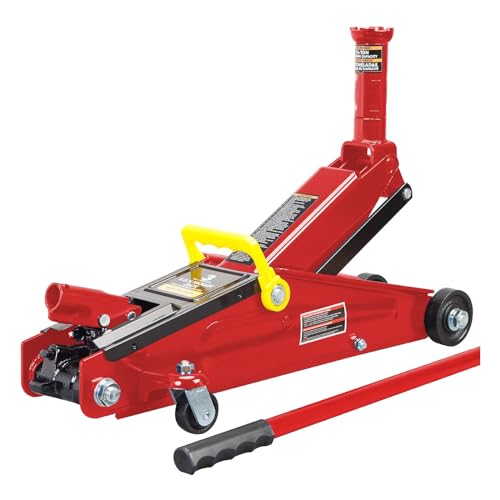
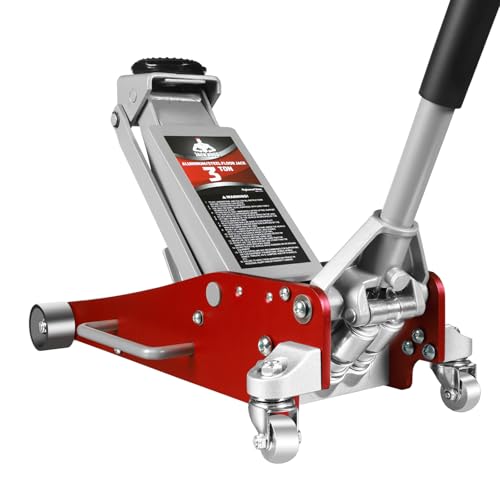
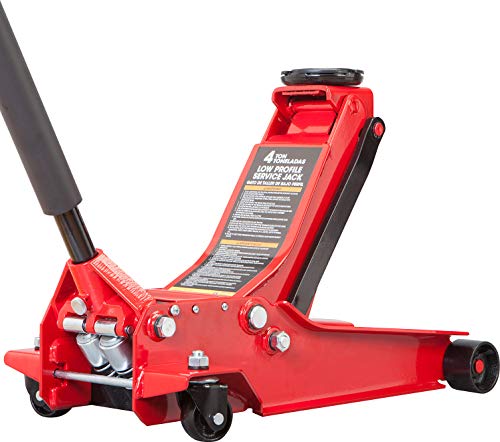
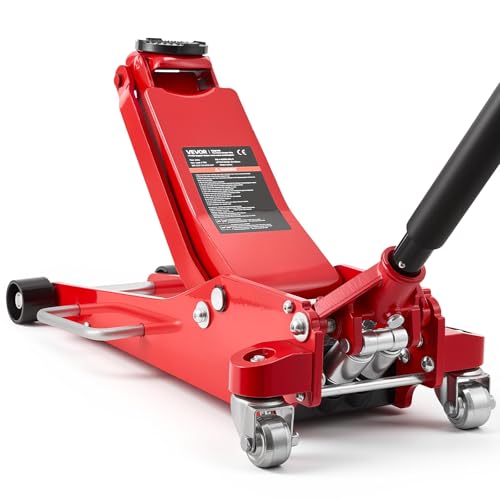
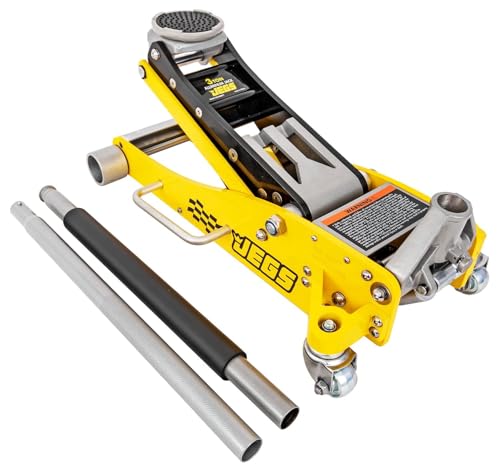
Regularly checking your transmission fluid level and condition prevents unusual shifting and maintains peak performance. If you detect these issues, consult a mechanic immediately. Timely oil changes guarantee your transmission operates efficiently, freeing you from avoidable mechanical failures and keeping your vehicle running smoothly. Investing in essential car maintenance tools, like quality floor jacks, can also help you safely access your vehicle for routine inspections and fluid changes.
Frequently Asked Questions
What Are the Symptoms of a Lack of Oil Change?
You’ll notice the oil warning light activating, engine noise like knocking or ticking, and decreased performance. These symptoms mean your engine’s lubrication is compromised, demanding an immediate oil change to prevent severe damage and regain full control.
How Do You Tell if You're Due for an Oil Change?
Imagine your dashboard lights flicker, coinciding with gritty oil texture—these oil change indicators align with your oil change frequency and engine oil types. Trust these signals to liberate your engine from damage through timely maintenance.
How Does a Car Act When It Needs Oil?
When your car needs oil, you'll notice increased engine noise and oil sludge buildup harming performance. The warning light on your dashboard also activates, signaling you to act promptly to prevent engine damage and maintain freedom on the road.
What Happens if You Go Too Long Without an Oil Change?
If you go too long without an oil change, you’ll face increased friction inside the engine, causing engine damage and reduced performance. Dirty oil loses lubrication efficiency, risking overheating and costly repairs, so stay proactive to protect your vehicle.
 10 Best Engine Oils for Luxury Vehicle Maintenance
Final Thoughts
By paying precise attention to peculiar engine noises and persistently checking oil color and consistency, you can prevent potential problems. Regularly reviewing your oil levels and recognizing dashboard warnings guarantees peak operation. Smoke signals and strange smells serve as subtle signs, while shifts in vehicle performance spotlight urgent needs. Staying sharp and systematic safeguards your engine’s longevity, letting you maintain maximum motor efficiency with minimal mishaps. Consistent care creates confidence in your car’s condition.
Reliable Floor Jacks on a Budget: Best Picks for Under $150
Top-Rated Floor Jacks Over $100: Built for Professionals, Priced for Smart Buyers
If you want to know other articles similar to How to Spot Signs You Need an Oil Change you can visit the Engine Oil Maintenance category.
What Sets Synthetic Vs Conventional Engine Oil Apart?

10 Best Engine Oils for Luxury Vehicle Maintenance

10 Consequences of Skipping Engine Oil Changes

Why Choose Special Oil for High Mileage Cars?

What Is the Recommended Oil Change Interval?

Step-by-Step Guide to DIY Engine Oil Change

How to Find Engine Oil Recycling Locations

Why Should You Change Engine Oil Regularly?
Leave a Reply
This is also interesting