











What Sets Synthetic Vs Conventional Engine Oil Apart?


You’ll find synthetic oil is engineered with refined molecules and advanced additives, offering superior lubrication, better viscosity stability, and extended oil change intervals compared to conventional oil, which contains more impurities and breaks down faster.
Synthetic resists sludge and handles extreme temperatures better, protecting your engine longer.
Conventional oil suits older engines with simpler demands but needs more frequent changes.
Understanding these distinctions helps you optimize engine performance and maintenance.
Exploring further reveals nuanced benefits and suitability considerations.
Table
- Main Points
- Understanding Conventional Motor Oil
- Characteristics of Synthetic Motor Oil
- Refining Processes Behind Each Oil Type
- Performance Differences in Engine Protection
- Oil Change Intervals and Longevity
- Impact on Fuel Efficiency and Engine Wear
- Suitability for Different Engine Types and Ages
- Cost Considerations Between Synthetic and Conventional Oils
- Accessibility and Availability of Motor Oils
- How to Choose the Right Oil for Your Vehicle
- Frequently Asked Questions
- Final Thoughts
Main Points
- Synthetic oil is chemically engineered for superior purity and enhanced additives, while conventional oil is refined from crude oil with impurities.
- Synthetic oil offers better engine protection by reducing wear and resisting sludge, unlike conventional oil which degrades faster under stress.
- Oil change intervals with synthetic oil extend up to 7,500 miles, compared to 3,000 miles for conventional oil.
- Synthetic oil improves fuel economy and performance due to lower friction and consistent viscosity.
- Conventional oil suits older engines and is more affordable and widely available than synthetic oil.
Understanding Conventional Motor Oil

Conventional motor oil, often called mineral oil, comes from refined crude oil and contains impurities that influence its viscosity and overall performance. You’ll find that conventional motor oil suits simple engine designs and everyday driving habits, offering reliable lubrication with a thicker consistency that helps reduce gear wear in older engines. However, it demands more frequent oil changes—typically every 3,000 miles or three months—to maintain ideal engine protection. While cost-effective and widely available, mineral oil’s performance diminishes under extreme temperatures and high-stress conditions, limiting its use in high-performance or modern engines. By understanding these limitations, you can make informed decisions about when conventional motor oil meets your needs and when liberation from frequent oil changes might require alternative solutions.
Characteristics of Synthetic Motor Oil

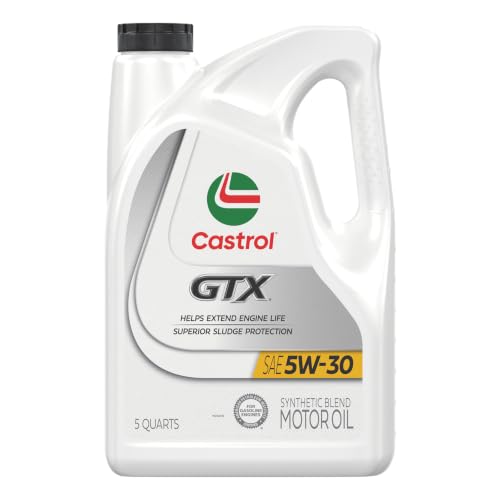
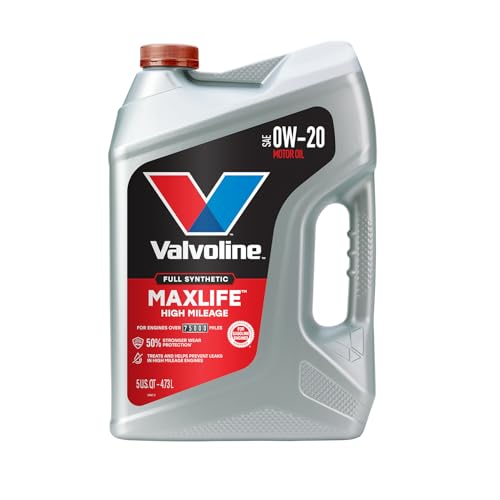
Synthetic motor oil consists of carefully engineered man-made chemicals that undergo rigorous refining to eliminate impurities, ensuring a purer and more uniform lubricant than conventional options. Unlike conventional oil, synthetic motor oil incorporates advanced additives—carrier agents, cleansers, anti-oxidizers, and anti-gumming compounds—that actively enhance engine performance and longevity. Full synthetic motor oils deliver superior lubrication, minimizing wear and reducing deposits even under extreme temperatures or demanding conditions. You’ll benefit from extended oil change intervals, typically between 7,500 miles and one year, compared to conventional oil's shorter 3,000-mile recommendation. Additionally, synthetic motor oil resists sludge formation and decreases internal friction, which can improve fuel economy. Choosing synthetic motor oil liberates your engine from the limitations of conventional oil, optimizing efficiency and durability with precision-engineered chemistry.
Refining Processes Behind Each Oil Type

Understanding the performance differences between motor oils requires examining how each type is refined and processed. Conventional oils originate from crude oil with minimal refining processes, leaving impurities that can compromise viscosity and performance. In contrast, synthetic oils often undergo rigorous chemical synthesis, enabling precise control over molecular structure. Their refining processes include extensive purification steps that eliminate contaminants, resulting in a highly uniform, superior-quality product. Synthetic oils often incorporate advanced additives and carrier agents, enhancing thermal stability and oxidation resistance—features less common in conventional oils. This complexity in refining processes drives production costs higher, reflected in synthetic oils’ premium pricing. By grasping these distinctions, you empower yourself to choose an engine oil aligned with your performance and longevity goals.
Performance Differences in Engine Protection

You’ll notice synthetic oils provide superior lubrication that greatly reduces wear compared to conventional oils, especially under extreme temperatures where viscosity stability is critical. Their advanced additive packages also inhibit sludge and deposit formation, maintaining cleaner engine surfaces over time. Understanding these factors is key to evaluating how each oil type protects your engine’s performance and longevity.
Lubrication and Wear
When it comes to engine protection, the quality of lubrication plays an essential role in minimizing wear and extending engine life. Synthetic oil, with its uniform molecular structure, delivers superior lubrication by forming a robust film that resists metal-to-metal contact more effectively than conventional oil. This reduces friction and wear, safeguarding crucial engine components. Additionally, synthetic oil’s advanced additives inhibit sludge buildup, maintaining engine cleanliness and enhancing performance. Unlike conventional oils, which can deteriorate and accumulate contaminants, synthetic oils sustain consistent viscosity and lubrication quality over extended use. By switching to synthetic oil, you reduce wear rates considerably, thereby extending engine longevity and decreasing maintenance frequency. Embracing synthetic oil means empowering your engine with precision-engineered protection tailored for peak lubrication and minimized wear.
Temperature Stability
Although both synthetic and conventional oils serve to lubricate your engine, synthetic oils outperform conventional ones by maintaining viscosity and protective properties across a wider temperature range. When evaluating temperature stability in synthetic oil vs conventional oil, consider these key factors:
 Why Should You Change Engine Oil Regularly?
- Synthetic oil maintains consistent viscosity in extreme heat and cold, ensuring reliable lubrication.
- It withstands temperatures above 100°C without degradation, unlike conventional oil.
- Synthetic oil’s lower pour point enables faster flow during cold starts.
- Conventional oil loses protective qualities more rapidly at high temperatures, increasing engine wear.
- Enhanced thermal stability in synthetic oils reduces risk of breakdown under stress.
Understanding these differences empowers you to choose an engine oil that sustains peak performance and protection regardless of temperature extremes.
Sludge and Deposits
Since engine cleanliness directly impacts performance and longevity, understanding how synthetic and conventional oils influence sludge and deposit formation is crucial. Synthetic motor oil, with its refined composition, minimizes impurities, guaranteeing superior flow and lubrication that markedly reduces sludge and deposits. Its advanced additives actively prevent harmful buildup on engine components, maintaining efficiency under diverse conditions. In contrast, conventional motor oil tends to accumulate contaminants and sludge, especially under high-temperature stress, which degrades engine performance over time. Synthetic oil’s stable viscosity across temperature extremes further curbs sludge formation, offering consistent protection. By choosing synthetic motor oil, you guarantee a cleaner engine environment, reducing maintenance frequency and extending engine life—liberating your vehicle from the limitations conventional motor oil often imposes through sludge and deposits.
Oil Change Intervals and Longevity

You’ll notice synthetic oil extends your oil change intervals up to 7,500 miles or one year, compared to the 3,000 miles or three months typical with conventional oil. This longevity stems from synthetic oil’s superior formulation, which resists degradation and maintains performance longer. While synthetic oil costs more upfront, its extended intervals can lower your overall maintenance expenses over time.
Change Frequency Differences
When comparing synthetic and conventional engine oils, you'll notice a significant difference in recommended oil change intervals. Full synthetic motor oil supports longer intervals—typically 7,500 miles or one year—due to superior refinement and reduced sludge formation. Conventional motor oil usually requires changes every 3,000 miles or three months, reflecting its faster degradation. Consider these key points:
- Full synthetic motor oil extends oil change intervals.
- Conventional motor oil demands more frequent changes.
- Synthetic blends offer intermediate intervals.
- Longer intervals with synthetics can reduce maintenance frequency.
- Conventional oils remain cost-effective for less demanding driving.
Understanding these differences empowers you to choose oil aligning with your driving habits and maintenance preferences, optimizing engine care while minimizing unnecessary oil changes.
Longevity Benefits Explained
The longevity of engine oil directly impacts maintenance schedules and overall engine health. Synthetic oil’s longer-lasting properties enable oil change intervals up to 7,500 miles or one year, surpassing conventional oil’s typical 3,000-mile or three-month requirement. This is due to synthetic oil’s advanced formulation, which resists breakdown and sludge formation, maintaining viscosity and performance even under extreme temperatures. While synthetic blend oils don’t match full synthetic’s durability, they still extend oil change intervals beyond conventional oil, offering a pragmatic compromise between cost and longevity. By choosing synthetic oil, you liberate yourself from frequent maintenance, optimizing engine protection and operational efficiency. Understanding these differences empowers you to make informed decisions about your vehicle’s care, maximizing performance through superior oil longevity.
Cost Implications Over Time
Understanding how oil longevity affects maintenance naturally leads to evaluating the cost implications over time. When you choose synthetic oil over conventional oil, you're investing in longer intervals between oil changes, which impacts overall expenses. Consider these factors:
- Synthetic oil supports oil change intervals of 7,500 to 10,000 miles, reducing maintenance frequency.
- Conventional oil requires changes every 3,000 miles, increasing labor and disposal costs.
- Higher upfront cost of synthetic oil may be offset by fewer oil changes annually.
- Frequent conventional oil changes accumulate costs beyond the initial lower price per quart.
- Consistent maintenance with synthetic oil optimizes cost-effectiveness by minimizing downtime and service expenses.
Impact on Fuel Efficiency and Engine Wear
Because synthetic oils reduce friction more effectively than conventional oils, you’ll see a noticeable improvement in fuel efficiency and engine performance, especially under extreme temperature conditions. Synthetic oil maintains viscosity more consistently, reducing mechanical resistance and enabling smoother operation. This directly translates to approximately 2-3% better fuel economy compared to conventional oil. Furthermore, the advanced additives in synthetic formulations prevent sludge buildup and deposits, which greatly minimizes engine wear. By lowering friction and protecting internal components, synthetic oil extends engine life and optimizes performance. Additionally, synthetic oil enables longer oil change intervals—up to 7,500 miles—cutting maintenance frequency and associated costs. Choosing synthetic oil liberates you from frequent upkeep while safeguarding your engine’s integrity, making it a precise, efficient solution over conventional oil for sustained engine health and fuel savings.
Suitability for Different Engine Types and Ages
Improved fuel efficiency and reduced engine wear from synthetic oils highlight their benefits, but choosing the right oil depends heavily on your engine's type and age. You need to align oil selection with your engine’s specifications to maximize performance and protection. Consider these points:
- Full synthetic oil suits modern and high-performance engines, excelling under extreme temperatures and stress.
- Conventional oil benefits older engines, especially those over 75,000 miles, by providing thicker lubrication to aging parts.
- Synthetic blends offer a cost-effective compromise, enhancing performance without the full synthetic price.
- For simpler engines and everyday driving, conventional oil often meets manufacturer standards.
- Always consult your owner’s manual to follow precise recommendations tailored to your engine’s design and longevity needs.
This approach guarantees your engine runs at peak performance while liberating you from unnecessary maintenance risks.
Cost Considerations Between Synthetic and Conventional Oils
You’ll notice synthetic oil demands a higher upfront cost, often nearly double per quart compared to conventional oil. However, its extended change intervals can reduce your overall maintenance expenses, especially under extreme driving conditions. Balancing the initial investment against long-term savings and performance needs is essential for making an informed choice.
Upfront Price Differences
One major factor to evaluate when choosing between synthetic and conventional engine oil is the upfront cost difference. Full synthetic oil typically costs up to twice as much per quart compared to conventional oil. This price gap reflects its advanced refining and superior additives. However, consider these points:
 How to Find Engine Oil Recycling Locations
- Full synthetic oil extends oil change intervals up to 7,500 miles or one year.
- Conventional oil requires changes every 3,000 miles or three months.
- Synthetic’s higher upfront cost may reduce frequency of oil changes.
- Conventional oil remains more affordable initially for standard driving conditions.
- Many manufacturers still recommend conventional oil for new vehicles due to its cost-effectiveness.
Understanding these factors will help you balance initial expenses against performance needs.
Long-Term Savings Potential
Choosing between synthetic and conventional engine oil involves evaluating long-term savings beyond the initial purchase price. Synthetic oil requires fewer oil changes—typically every 7,500 miles or annually—while conventional oil demands changes every 3,000 miles or quarterly. This reduced frequency with synthetic oil lowers your service visits and overall maintenance costs. Although synthetic oil costs more upfront, its superior engine protection and additives enhance engine longevity, potentially decreasing repair expenses and extending vehicle life. Conversely, conventional oil’s lower per-quart price is offset by the cumulative cost of frequent oil changes. For high-mileage vehicles, synthetic options further reduce oil consumption and wear, amplifying long-term savings. By factoring in these variables, you liberate yourself from frequent maintenance and optimize your investment in engine care.
Cost Vs Performance
Although full synthetic oils cost up to twice as much per quart as conventional oils, their extended change intervals—up to 7,500 miles compared to 3,000 miles—can reduce your total annual maintenance expenses. When weighing cost vs performance, consider these factors:
- Synthetic oil’s longer lifespan lowers frequency of oil changes and labor costs.
- Enhanced engine protection from synthetic oil improves fuel efficiency, saving money over time.
- Conventional oil’s lower upfront cost suits older engines or mild driving conditions.
- Synthetic oil excels in extreme temperatures and demanding scenarios, justifying its premium.
- Your vehicle’s needs and driving habits ultimately dictate the most cost-effective choice.
Balancing these elements empowers you to optimize both your budget and engine performance with informed oil selection.
Accessibility and Availability of Motor Oils
Because conventional motor oil remains widely accessible, you can often find it more easily than synthetic alternatives. Major manufacturers continue producing conventional oils, ensuring steady market availability. This accessibility means you can source conventional oil quickly at local service stations or mechanics, minimizing vehicle downtime. Conventional oils dominate the market, especially for engines without high-performance demands, maintaining their relevance despite the synthetic oil surge. Synthetic oils, while growing in popularity, may not be as readily stocked in all locations, potentially limiting immediate access. For you, this means conventional oil offers a practical solution when rapid procurement is essential. Understanding the availability differences helps you balance convenience with performance needs, empowering you to make informed decisions about your engine’s lubrication without sacrificing operational freedom.
How to Choose the Right Oil for Your Vehicle
How do you determine the best engine oil for your vehicle? Selecting between synthetic engine oil and conventional oil hinges on specific vehicle needs and your driving context. To choose motor oil to last effectively, consider these factors:
- Consult your owner’s manual for manufacturer oil type recommendations.
- Assess driving conditions; extreme temperatures or heavy loads favor full synthetic oil.
- For vehicles exceeding 75,000 miles, high-mileage conventional oil may enhance engine lubrication and reduce leaks.
- Factor in budget constraints; conventional oil offers cost-efficiency with more frequent changes.
- Evaluate maintenance preferences; synthetic oils extend change intervals up to 7,500 miles, whereas conventional oils require changes every 3,000 miles.
This analytical approach empowers you to liberate your vehicle’s performance by selecting the precise oil formulation it demands.
Frequently Asked Questions
What Is the Disadvantage of Synthetic Oil?
You’ll face higher cost considerations with synthetic oil, which may not always yield significant performance benefits depending on your driving. Also, be aware of its environmental impact due to complex production processes and disposal challenges.
What Happens if You Put Conventional Oil in a Car That Requires Synthetic?
If you use conventional oil in a car needing synthetic, expect a 50% shorter oil change interval. Oil compatibility issues degrade engine performance, causing overheating and sludge buildup, leading to long term effects like increased wear and potential warranty voidance.
What Is the Difference Between Synthetic Engine Oil and Normal Engine Oil?
You’ll find synthetic engine oil’s composition chemically engineered for uniformity, offering superior performance benefits like thermal stability and cleaner engines. Though costlier upfront, its longevity and efficiency often outweigh conventional oil’s cheaper, less refined formulation.
When Should You Not Use Synthetic Oil?
Don’t fix what isn’t broken: if your older engine has over 75,000 miles or you do short trips, avoid synthetic oil. Its benefits and extended oil change intervals won’t improve engine performance and may cause leaks.
Final Thoughts
Choosing between synthetic and conventional engine oil means weighing advanced molecular engineering against traditional refining. While synthetic oil offers superior performance and longer intervals, conventional oil provides reliable protection at a lower cost. Your decision depends on your engine’s needs, driving habits, and budget. By understanding these distinct qualities, you can select the oil that best balances efficiency, protection, and value—ensuring your vehicle runs smoothly under any condition.
 Step-by-Step Guide to DIY Engine Oil Change
Reliable Floor Jacks on a Budget: Best Picks for Under $150
Top-Rated Floor Jacks Over $100: Built for Professionals, Priced for Smart Buyers
If you want to know other articles similar to What Sets Synthetic Vs Conventional Engine Oil Apart? you can visit the Engine Oil Maintenance category.
10 Best Engine Oils for Luxury Vehicle Maintenance

10 Consequences of Skipping Engine Oil Changes

Why Choose Special Oil for High Mileage Cars?

How to Spot Signs You Need an Oil Change

What Is the Recommended Oil Change Interval?

Step-by-Step Guide to DIY Engine Oil Change

How to Find Engine Oil Recycling Locations

Why Should You Change Engine Oil Regularly?
Leave a Reply
This is also interesting