


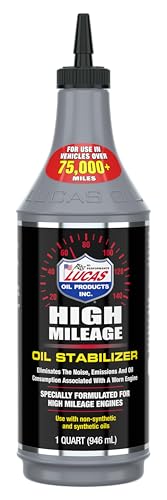







Why Choose Special Oil for High Mileage Cars?


You should choose special high mileage oil for cars over 75,000 miles because it contains additives tailored to combat wear, reduce leaks, and restore engine performance.
These oils feature thicker viscosity and seal conditioners that maintain seal flexibility and reduce friction, addressing issues conventional oils can’t handle.
This helps prolong engine life, improve fuel efficiency, and recover lost horsepower.
To understand how this choice benefits your vehicle further, explore the specific advantages and maintenance strategies involved.
Table
- Main Points
- Understanding High Mileage Engines
- Key Features of High Mileage Motor Oils
- Benefits of Using High Mileage Oil
- When to Start Using High Mileage Oil
- Comparing High Mileage Oil to Regular Motor Oil
- Choosing Synthetic vs. Conventional High Mileage Oil
- Maintenance Tips for High Mileage Vehicles
- Frequently Asked Questions
- Final Thoughts
Main Points
- High mileage oils contain seal conditioners that restore flexibility and reduce leaks in aging engine seals.
- They have thicker viscosity and additives that reduce friction, wear, and metal-to-metal contact.
- Specialized detergents and antioxidants in high mileage oil prevent sludge buildup and maintain engine cleanliness.
- Using high mileage oil can improve horsepower, fuel efficiency, and overall engine reliability in older vehicles.
- Synthetic high mileage oils resist breakdown under heat and extend oil change intervals for better maintenance.
Understanding High Mileage Engines

When your engine surpasses 75,000 miles, it enters a high mileage phase characterized by increased wear and declining performance. At this stage, your high mileage engine experiences accelerated engine wear, leading to issues like oil leaks caused by cracked seals. These mechanical degradations reduce efficiency, causing diminished horsepower and increased oil consumption. To counter these effects, adjusting oil change intervals and switching to specialized high mileage oils can be essential. These formulations, often synthetic motor oils, contain additives that help rejuvenate aging engine components and prevent further deterioration. By understanding the specific demands of a high mileage engine, you empower yourself to maintain its longevity and performance, liberating your vehicle from premature failure and costly repairs through targeted, precise maintenance strategies.
Key Features of High Mileage Motor Oils

Addressing the unique challenges of engines surpassing 75,000 miles requires selecting motor oils formulated to meet their specific needs. High mileage oil incorporates advanced seal conditioners that restore flexibility to aging seals, markedly reducing oil leaks. These oils contain elevated levels of detergents and antioxidants, which combat sludge accumulation and prevent viscosity breakdown, ensuring engine cleanliness and stable performance between oil changes. They feature a thicker viscosity to enhance lubrication, reducing friction and wear that accelerate component degradation. Proprietary additives further minimize metal-to-metal contact, directly extending engine life. By integrating these key elements, high mileage oil targets the mechanical stresses and chemical challenges in older engines, allowing you to maintain your vehicle’s integrity and performance with precision and confidence.
Benefits of Using High Mileage Oil

Using high mileage oil delivers targeted benefits that directly address the challenges faced by engines exceeding 75,000 miles. This specialized oil contains seal conditioners that restore flexibility to aging seals, reducing leaks and enhancing engine performance. Its advanced additive package, which includes antioxidants and detergents, combats sludge and deposits, maintaining engine cleanliness and optimizing fuel efficiency. By reducing friction and wear between moving components, high mileage oil prolongs the lifespan of critical engine parts in older engines. Additionally, it can help recover lost horsepower and improve gas mileage, offering a cost-effective solution to counteract the wear and tear inherent in high mileage vehicles. Employing high mileage oil empowers you to maintain your engine’s reliability and performance as it ages.
 10 Consequences of Skipping Engine Oil Changes
When to Start Using High Mileage Oil

Determining the ideal time to change to high mileage oil depends on several factors related to your vehicle's age, mileage, and operating conditions. Typically, using high mileage oil becomes advisable once your car surpasses 75,000 miles on the odometer, as these engine oils contain specialized additives targeting wear in aging engines. However, if your vehicle is over 7-8 years old or endures severe service conditions like frequent stop-and-go traffic or towing, you might consider changing earlier. Monitor for signs indicating the need for high mileage oil—such as increased oil consumption, sluggish cold starts, or leaks. Employing high mileage oil proactively supports engine longevity in well-maintained cars, but it won’t fix existing mechanical issues, so assess your vehicle’s condition carefully before changing.
Comparing High Mileage Oil to Regular Motor Oil

You’ll notice high mileage oil contains specialized additives and seal conditioners that regular motor oil lacks, directly addressing common issues like leaks and wear. This formulation improves engine performance by reducing friction and deposits, which can restore horsepower and enhance fuel efficiency. Understanding these differences helps you choose the right oil to protect and optimize your aging engine.
Additive Differences Explained
Although regular motor oils provide basic lubrication, high mileage oils include specialized additives that address the specific needs of aging engines. When you choose High Mileage motor oils, you benefit from enhanced formulations designed to reduce common wear issues. These oils incorporate:
- Seal conditioners that restore flexibility, mitigating leaks
- Detergent additives to remove sludge and deposits
- Increased viscosity at high temperatures for superior film strength
- Additives combating oxidation to preserve oil integrity
- Components that reduce excessive oil consumption in worn engines
This targeted additive package guarantees your engine maintains peak performance and durability despite mileage-related challenges. Unlike standard oils, high mileage formulations actively counteract deterioration factors, granting you freedom from premature engine wear and performance loss. Embracing these specialized oils liberates your vehicle’s longevity by precisely addressing its evolving mechanical demands.
Seal Protection Benefits
When your engine surpasses 75,000 miles, the flexibility of its seals becomes critical to preventing leaks, a challenge that high mileage oils address more effectively than regular motor oils. High mileage oils incorporate seal conditioners that restore pliability, considerably reducing oil leaks. Their antioxidants preserve seal integrity by preventing oil degradation, enhancing engine protection. Regular motor oils lack these targeted additives, leaving seals brittle and prone to failure.
| Feature | High Mileage Oils | Regular Motor Oil |
|---|---|---|
| Seal Conditioners | Restore flexibility, prevent leaks | Absent |
| Antioxidants | Maintain oil stability and seal integrity | Limited |
| Engine Protection | Enhanced for older engines | Standard |
| Leak Prevention | Considerably reduces oil leaks | Less effective |
Choosing high mileage oils liberates your engine from premature seal wear.
Performance and Efficiency
Beyond protecting seals, high mileage oils optimize engine performance and efficiency in ways regular motor oils can't match. They contain advanced seal conditioners that restore flexibility to aging seals, reducing leaks and enhancing fuel efficiency. Synthetic high mileage formulations offer superior viscosity at elevated temperatures, maintaining critical engine protection and minimizing wear and tear. Enhanced detergent packages actively clean sludge, promoting smoother operation and better gas mileage. Unlike standard oils, these oils are engineered to address the specific needs of engines with over 75,000 miles, potentially restoring lost horsepower and extending engine life.
- Superior seal conditioners reduce leakage
- Enhanced detergents clean sludge and deposits
- Higher viscosity protects aging engine components
- Anti-wear additives mitigate wear and tear
- Synthetic high mileage oils improve fuel efficiency and performance
Choosing Synthetic vs. Conventional High Mileage Oil
When selecting high mileage oil, you’ll find synthetic options offer superior thermal stability and enhanced lubrication, which help protect aging engine components more effectively. Conventional oils, while derived from crude sources, may lack the advanced additives that combat wear and deposits in high-mileage engines. Understanding these differences lets you choose the oil that best balances performance needs with cost considerations.
 10 Best Engine Oils for Luxury Vehicle Maintenance
Synthetic Oil Advantages
Although synthetic and conventional high mileage oils both serve to protect aging engines, synthetic oils offer distinct advantages that directly impact performance and durability. When you choose synthetic high mileage engine oils, you benefit from advanced formulations that maintain viscosity under heat and resist breakdown, essential for preserving engine health. These oils include seal enhancers that restore seal flexibility, reducing leaks and enhancing longevity. Their detergent properties actively remove sludge and deposits, promoting cleaner engine components. Though often more costly upfront, synthetic oils enable extended oil change intervals, optimizing maintenance schedules and overall engine condition.
- Superior viscosity retention at elevated temperatures
- Advanced seal enhancers reducing leaks in older engines
- Enhanced detergents promoting engine cleanliness
- Extended oil change intervals for better maintenance
- Improved fuel efficiency and reduced engine wear
Conventional Oil Considerations
Since conventional oil is derived directly from crude oil, it lacks the advanced additive packages found in synthetic high mileage oils, which are essential for protecting engines with over 75,000 miles. When you rely solely on conventional oil for aging engines, you risk accelerated engine wear due to insufficient friction reduction and deposit control. Conventional oil may not effectively address common issues in high mileage vehicles, such as oil leaks and diminished seal integrity. Synthetic options provide enhanced lubrication, viscosity stability, and oxidation resistance, all crucial for maintaining engine performance and longevity under stress. While conventional oil might suffice for newer engines, if you want to liberate your high mileage car from premature wear and inefficiency, embracing specialized synthetic high mileage oils is the precise, analytical choice for superior protection and sustained engine health.
Maintenance Tips for High Mileage Vehicles
Maintaining a high mileage vehicle demands consistent attention to oil management, including changing the oil every 3,000 to 5,000 miles to prevent sludge accumulation and engine wear. You should rely on high mileage oil, specially formulated with seal conditioners and additives to reduce leaks and enhance lubrication. Monitoring oil levels frequently is critical, as older engines may consume or leak engine oil more rapidly. Regular maintenance checks help you spot issues early and keep performance ideal. Focus on these essential practices:
- Schedule oil changes within the recommended mileage interval
- Use high mileage oil tailored for aging engines
- Inspect for leaks during routine maintenance checks
- Replace the oil filter with every oil change
- Monitor engine oil levels and top off as needed
These steps promote longevity and reliability, freeing your vehicle from preventable wear. When performing vehicle maintenance, it can also be beneficial to use interior cleaning kits to keep your car’s cabin clean and comfortable, supporting the overall upkeep of your high mileage vehicle.
Frequently Asked Questions
Is There Really a Difference Between High Mileage Oil and Regular Oil?
You’ll notice high mileage oil’s composition differences boost engine wear reduction and seal conditioning effects, enhancing long term performance. These high mileage benefits often justify cost effectiveness compared to regular oil, especially in older engines needing specialized care.
What Type of Oil Is Better for High Mileage Cars?
You should choose high mileage oil with the right viscosity and specialized additives to reduce engine wear, improve fuel efficiency, and extend oil change frequency. Regular maintenance tips guarantee peak performance and longevity in aging engines.
Can You Really Go 10,000 Miles With Synthetic Oil?
Like a marathon runner pacing wisely, you can trust synthetic oil longevity to extend oil change intervals safely. Its oil additive benefits reduce engine wear, maintain high mileage performance, and balance oil viscosity considerations precisely for freedom.
Does Premium Oil Really Make a Difference?
You’ll find premium benefits in oil additives that enhance performance and engine protection. This improves longevity effects, justifying cost analysis by reducing wear, boosting efficiency, and preserving your engine’s health for the long haul.
 What Sets Synthetic Vs Conventional Engine Oil Apart?
Final Thoughts
When your engine’s clock ticks higher, choosing special oil isn’t just smart—it’s crucial. High mileage oils contain additives that reduce wear, prevent leaks, and keep seals conditioned, extending your engine’s life. Remember, “a stitch in time saves nine.” Switching at the right mileage means fewer repairs and better performance. Whether synthetic or conventional, prioritize oil designed for your engine’s needs. Staying proactive with maintenance guarantees your high mileage vehicle runs efficiently and reliably.
Reliable Floor Jacks on a Budget: Best Picks for Under $150
Top-Rated Floor Jacks Over $100: Built for Professionals, Priced for Smart Buyers
If you want to know other articles similar to Why Choose Special Oil for High Mileage Cars? you can visit the Engine Oil Maintenance category.
What Sets Synthetic Vs Conventional Engine Oil Apart?

10 Best Engine Oils for Luxury Vehicle Maintenance

10 Consequences of Skipping Engine Oil Changes

How to Spot Signs You Need an Oil Change

What Is the Recommended Oil Change Interval?

Step-by-Step Guide to DIY Engine Oil Change

How to Find Engine Oil Recycling Locations

Why Should You Change Engine Oil Regularly?
Leave a Reply
This is also interesting