














What Is the Recommended Oil Change Interval?


You should change your engine oil every 5,000 to 10,000 miles, depending on your vehicle, oil type, and driving conditions.
Synthetic oils allow longer intervals—up to 15,000 miles—while conventional oils require more frequent changes around 5,000 miles.
Severe conditions like stop-and-go traffic or extreme temperatures may shorten intervals.
Your vehicle’s oil-life monitoring system can provide tailored alerts.
Understanding these factors helps guarantee peak engine performance and longevity, with more details available to guide your maintenance schedule.
 How to Spot Signs You Need an Oil Change
Table
Main Points
- Synthetic oils typically require oil changes every 7,500 to 10,000 miles for modern vehicles.
- Conventional oils need changing every 5,000 to 7,500 miles, depending on driving conditions.
- Severe driving conditions may shorten oil change intervals to as low as 1,000 to 3,000 miles.
- Oil-life monitoring systems provide personalized oil change alerts based on real-time driving habits.
- Always consult the vehicle’s owner’s manual for manufacturer-recommended oil change intervals.
Factors Influencing Oil Change Intervals

Although the recommended oil change interval varies, several key factors influence how often you should replace your vehicle’s oil. Your driving conditions play a major role—stop-and-go traffic and short trips degrade oil quality faster than steady highway driving, requiring more frequent oil changes. The oil type matters too; synthetic oils allow longer oil change intervals, often between 10,000-15,000 miles, unlike conventional oils needing changes every 5,000-7,500 miles. Vehicle age also impacts frequency, with older cars typically demanding more frequent oil changes, so adhering to the manufacturer’s maintenance schedule is essential. Environmental conditions like dust and extreme temperatures accelerate oil degradation. If your vehicle has an oil-life monitoring system, it provides tailored recommendations based on your driving habits, helping you optimize oil change intervals without unnecessary frequent oil changes.
Recommended Mileage and Timeframes

Understanding the factors that influence oil change intervals helps you determine the proper mileage and timeframes for your vehicle’s maintenance. Modern vehicles using synthetic oil typically require an oil change every 7,500 to 10,000 miles, whereas conventional oil demands changes every 5,000 to 7,500 miles. Semi-synthetic oils fall between, with intervals around 6,000 to 8,000 miles. Your oil change frequency should also consider driving habits and severe driving conditions, such as extreme temperatures or frequent short trips, which may shorten intervals. Many modern vehicles feature oil-life monitoring systems that adapt oil change intervals based on real-time conditions, enhancing precision. If your vehicle is older or lacks these systems, consulting the owners manual is essential to adhere to recommended oil change intervals, often around every 3,000 miles under severe conditions.
Types of Engine Oil and Their Impact

When selecting engine oil, you need to take into account how different types affect your vehicle’s maintenance schedule and performance. Your oil selection influences the recommended oil change interval and engine performance, dictated by SAE viscosity grades and industry standards. Conventional oil, cost-effective but less durable, requires changes every 5,000 miles. Semi-synthetic oil balances cost and protection with a 6,000-mile interval. Synthetic oil excels in longevity and performance, lasting 10,000 to 15,000 miles. Premium synthetic oils contain additives that extend oil change intervals, offering long-term savings despite higher upfront costs.
| Oil Type | Oil Change Interval (miles) | Key Characteristics |
|---|---|---|
| Conventional Oil | 5,000 | Cost-effective, faster breakdown |
| Semi-Synthetic Oil | 6,000 | Balanced price and protection |
| Synthetic Oil | 10,000–15,000 | Superior protection, longevity |
| Premium Synthetic | Extended | Additive-enhanced, cost-effective |
| SAE Viscosity | Varies | Critical for engine performance |
Monitoring Oil Condition and Life

Since oil quality directly affects engine performance and longevity, monitoring its condition and remaining life is essential. Modern vehicles often include advanced monitoring systems that calculate oil life using sensors and algorithms tailored to your driving habits. These systems display alerts indicating the percentage of remaining oil, helping you maintain ideal oil change intervals. To further safeguard engine health, check your oil monthly, evaluating its color and texture—clear amber signals good oil quality, while dark or gritty oil demands immediate attention. Always consult the owners manual for specific guidelines on oil condition and change intervals, ensuring you protect crucial engine parts. By actively monitoring your oil’s status, you liberate yourself from guesswork and prevent premature engine wear caused by degraded oil.
Special Considerations for Severe Driving Conditions

Although standard oil change intervals suit many drivers, severe driving conditions demand a more rigorous maintenance schedule. You need to adjust your oil change schedule when facing conditions like frequent short trips, extreme temperatures, or towing. The American Petroleum Institute stresses tailoring oil changes to your driving habits for peak engine performance. Consider these factors:
Severe driving conditions require customized oil change schedules for optimal engine performance and longevity.
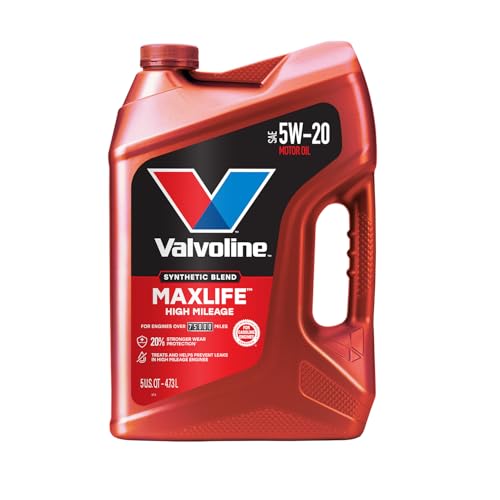
Why Choose Special Oil for High Mileage Cars?
- Frequent short trips increase oil degradation; change oil every 1,000 to 3,000 miles.
- Older vehicles under severe conditions require stricter adherence to oil change intervals.
- Stop-and-go traffic and heavy loads accelerate oil breakdown, necessitating vigilant monitoring oil.
- Use your vehicle’s oil-life monitoring system to receive accurate alerts based on real-time severe driving conditions.
Stay proactive to preserve engine health and maximize liberation on the road.
Frequently Asked Questions
How Often Do You Really Need to Change Your Oil?
You should track oil life via your vehicle’s maintenance schedule, considering driving conditions, oil viscosity, and additives. Adjust intervals based on vehicle age and mileage tracking, ensuring timely filter replacement and accurate service records to optimize engine performance.
What Is the Best Interval to Change Engine Oil?
When it comes to oil longevity factors, you can’t put all your eggs in one basket; consider engine performance impact, oil viscosity types, driving conditions effects, and vehicle age while comparing maintenance schedules and using oil analysis to optimize fuel efficiency and seasonal oil changes.
Is It Okay to Change Oil Every 10,000 Miles?
You can change oil every 10,000 miles if your oil types, additives, and manufacturer recommendations support oil longevity without compromising engine performance. Consider driving habits, conditions, vehicle age, and maintenance schedules for cost efficiency and ideal results.
Is Synthetic Oil Every 5000 Miles?
You don't need synthetic oil changes every 5,000 miles; its oil additives enhance oil longevity and engine performance, saving costs. Follow maintenance schedules based on your vehicle type, driving conditions, filter changes, and consider environmental impact for best results.
Final Thoughts
You shouldn’t treat oil changes like a one-size-fits-all rule; instead, think of them as tuning your engine’s heartbeat. Depending on your driving habits, oil type, and conditions, intervals can vary between 3,000 to 10,000 miles or more. Keep a close eye on oil quality and follow manufacturer guidelines to avoid engine wear. By staying proactive, you’ll guarantee your engine runs smoothly and efficiently, preventing costly repairs down the road.
 10 Consequences of Skipping Engine Oil Changes
Reliable Floor Jacks on a Budget: Best Picks for Under $150
Top-Rated Floor Jacks Over $100: Built for Professionals, Priced for Smart Buyers
If you want to know other articles similar to What Is the Recommended Oil Change Interval? you can visit the Engine Oil Maintenance category.
What Sets Synthetic Vs Conventional Engine Oil Apart?

10 Best Engine Oils for Luxury Vehicle Maintenance

10 Consequences of Skipping Engine Oil Changes

Why Choose Special Oil for High Mileage Cars?

How to Spot Signs You Need an Oil Change

Step-by-Step Guide to DIY Engine Oil Change

How to Find Engine Oil Recycling Locations

Why Should You Change Engine Oil Regularly?
Leave a Reply
This is also interesting