









Top 3 Suspension and Steering Inspection Tips


You should first watch for early warning signs like rough rides, uneven tire wear, or clunking noises when driving over bumps.
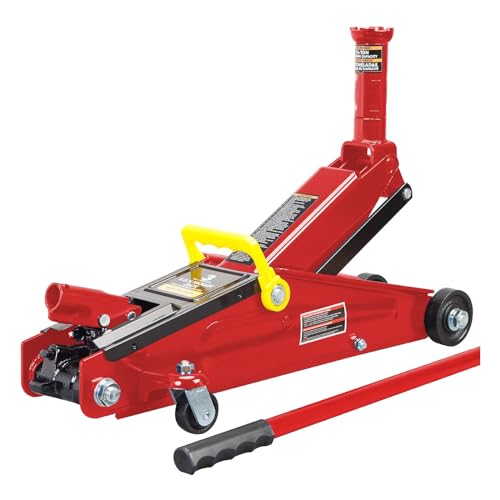
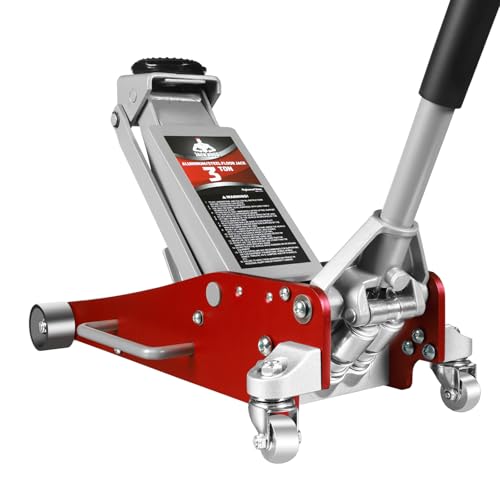
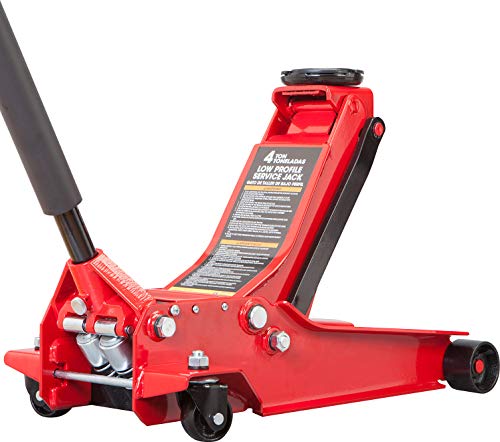
Next, perform a thorough visual and physical inspection by safely lifting your vehicle, checking for damaged bushings, worn ball joints, and loose steering components.
Finally, do the bounce test by pushing down each corner; one firm rebound means your shocks are good, while multiple bounces indicate wear.
 Why Regular Steering Checks Matter for Your Car
Keep these tips in mind to guarantee your suspension stays reliable and safe.
Table
Main Points
- Perform a bounce test on all four corners to check shock absorber effectiveness and listen for unusual noises.
- Inspect rubber bushings and mounts for cracks or tears to ensure suspension integrity.
- Check for uneven tire wear as it indicates alignment or suspension issues.
- Use a pry bar to test for play in ball joints and tie rod ends, indicating component wear.
- Measure ride height on both sides to detect asymmetry and potential suspension problems.
Recognizing Early Warning Signs of Suspension Problems

When your vehicle starts to feel rougher or pulls during turns, you’re likely facing early suspension issues. Recognizing these early warning signs is essential to prevent further damage. Suspension problems often manifest as a rougher ride, clunking sounds when hitting bumps, or braking issues like nose dive. Uneven tire wear signals compromised suspension alignment or worn components, while excess play in steering or suspension parts indicates signs of wear. A vehicle that bounces excessively or sits unevenly also suggests a compromised suspension system. Prompt suspension inspection lets you identify and address these symptoms before they escalate, ensuring your vehicle’s control and your freedom on the road remain intact. Stay alert to these signs, and you’ll maintain ideal suspension performance and safe driving conditions.
Step-by-Step Visual and Physical Suspension Inspection

Start your suspension inspection by safely lifting the vehicle and securing it with jack stands to guarantee stability throughout the process. Begin with a thorough visual inspection of the suspension system and steering system, focusing on strut mounts, shock towers, and bushings. Measure ride height on both sides to detect asymmetry. Use a pry bar to check for play in components such as ball joints and tie rod ends; any dead spots or excessive movement signal wear. Inspect rubber bushings closely for cracks or tears that compromise integrity. Avoid the bounce test here, reserving that for the next step. Document all findings meticulously. If you identify abnormalities or suspect damage, seek professional automotive repair to ascertain accurate diagnosis and maintain safe, reliable vehicle performance.
Performing and Interpreting the Bounce Test for Shock Absorbers

Although visual inspections reveal much about your suspension's condition, performing the bounce test offers critical insight into shock absorber performance. To conduct it, push down firmly on each corner of the vehicle resting on firm ground, then release. A properly functioning shock absorber lets the vehicle bounce once before settling quickly. If the vehicle continues to bounce, it indicates worn shocks that compromise vehicle performance. Listen carefully for unusual noises like clunking or thumping during this test, as they signal potential failures within the suspension system. Performing the bounce test on all four corners guarantees a thorough assessment of shock absorber consistency. This straightforward technique empowers you to detect suspension issues early, maintaining control and safety while liberating yourself from unexpected breakdowns.
 When to Schedule Your Suspension Inspection: 7 Tips
Frequently Asked Questions
How Do You Inspect Steering and Suspension?
You inspect steering and suspension by checking for suspension noise, steering play, tire wear, and alignment issues. Examine shock absorbers, ball joints, control arms, bushings wear, and power steering to guarantee ideal road handling and safety.
What Is Included in a Suspension Inspection?
You might think suspension inspections just check shock absorbers, but you must assess suspension components, spring condition, alignment angles, wear indicators, bushing integrity, strut mounts, control arms, frame stability, and tire condition to guarantee freedom in driving safety.
What Would Be Inspected on the Steering System?
You’ll inspect steering components wear, check steering fluid levels, test power steering pump and steering gear operation, assess tie rod ends, steering column, rack pinion, alignment angles, ball joint condition, and perform steering response testing.
When Performing a Complete Steering and Suspension Inspection You Should Check?
Like a surgeon’s precision, you check suspension wear, steering alignment, shock absorbers, ball joints, tie rods, control arms, bushing condition, ride height, wheel bearings, and strut mounts to guarantee your vehicle steers and rides flawlessly.
 Common Indicators Your Car Suspension Needs Attention
Final Thoughts
By boldly balancing bounce tests, briskly browsing for breakages, and being better at spotting subtle suspension symptoms, you’ll boost both safety and steering stability. Staying sharp with these simple steps saves serious stress and costly repairs. Remember, regular, reliable inspections reveal risks before they escalate, keeping your ride responsive and road-ready. So, stay savvy, stay secure, and steer smart with steady suspension scrutiny every time you take your vehicle out.
Reliable Floor Jacks on a Budget: Best Picks for Under $150
Top-Rated Floor Jacks Over $100: Built for Professionals, Priced for Smart Buyers
If you want to know other articles similar to Top 3 Suspension and Steering Inspection Tips you can visit the Suspension Steering Care category.
Common Indicators Your Car Suspension Needs Attention

When to Schedule Your Suspension Inspection: 7 Tips

Why Regular Steering Checks Matter for Your Car

Signs It’s Time to Replace Steering Parts

How Much Are Suspension and Steering Checks?

10 Key Items Covered in Suspension Checks

7 Signs Your Car Suspension Needs Attention

Find Local Suspension and Steering Inspection Services
Leave a Reply
This is also interesting