







10 Tips to Keep Your Car Brakes Reliable


To keep your car brakes reliable, inspect brake pads every 6,000 miles and replace if under 1/8 inch thick.
Monitor brake fluid levels and quality, changing it every two years to avoid contamination.
Schedule routine brake system inspections to catch rotor warping or uneven wear.
Practice smooth braking and use engine braking on declines.
Remove excess weight and clean brake components regularly.
Watch for warning signs like noises or pedal softness.
Following these steps guarantees safer, longer-lasting brakes—there’s more to explore for ideal brake care.
Table
- Main Points
- Inspect Brake Pads Regularly
- Monitor Brake Fluid Levels and Quality
- Schedule Routine Brake System Inspections
- Practice Smooth and Progressive Braking
- Avoid Hard Stops and Sudden Braking
- Use Engine Braking on Declines
- Remove Unnecessary Weight From Your Vehicle
- Check Rotors for Warping or Damage
- Clean Brake Components to Prevent Debris Build-up
- Address Brake Warning Signs Immediately
- Frequently Asked Questions
- Final Thoughts
Main Points
- Inspect brake pads and rotors every 6,000 miles and replace if worn below 1/8 inch thickness or showing damage.
- Monitor and replace brake fluid every two years to prevent contamination and maintain braking efficiency.
- Practice smooth, gradual braking and use engine braking on declines to reduce brake wear and overheating.
- Remove excess vehicle weight and clean brake components regularly to improve braking response and prevent debris build-up.
- Address warning signs like squeaking, grinding, or pulling immediately by scheduling brake system inspections.
Inspect Brake Pads Regularly

You should inspect your brake pads every 6,000 miles or during routine tire rotations to catch wear early and maintain peak braking performance. When you inspect your brakes, focus on brake pad thickness; anything thinner than 1/8 inch signals the need for brake pad replacement. Watch for uneven wear patterns, which can reveal brake system issues like misalignment or sticking calipers. Pay close attention to grinding noises or squeaks during braking—these are clear indicators that your brake pads necessitate immediate inspection. Don’t ignore the brake warning light on your dashboard; it’s a critical alert for potential brake system failures. Regular maintenance by inspecting brake pads guarantees you retain full control and freedom on the road without unexpected brake malfunctions limiting your movement.
Monitor Brake Fluid Levels and Quality

Alongside inspecting brake pads, keeping an eye on brake fluid levels and quality plays an essential role in maintaining your brake system's reliability. You must regularly monitor brake fluid to guarantee it stays within the manufacturer’s recommended range; low levels can signal leaks or system faults. Conduct quality checks by observing fluid color—dark or murky brake fluid indicates contamination and requires immediate replacement to preserve peak braking performance. Over time, brake fluid absorbs moisture, which compromises effectiveness, so adhering to scheduled fluid replacement, typically every two years or 24,000 miles, is critical. Additionally, inspect for elevated copper content, as it points to corrosion within the brake system, threatening vehicle safety. Incorporate these brake fluid quality checks into your maintenance routine to safeguard consistent, dependable brake function.
Schedule Routine Brake System Inspections

Scheduling brake system inspections every six months or 6,000 miles helps you catch potential problems early and maintain peak braking performance. When you schedule routine brake system inspections, technicians precisely evaluate brake pads and rotors for thickness and damage, ensuring all components meet safety standards. These regular inspections include checking brake fluid levels and quality, essential for effective brake response. Identifying signs of brake wear—like unusual noises or vibrations—during inspections prevents failures and costly repairs. Integrating brake maintenance with other vehicle maintenance services, such as tire rotations, streamlines care and enhances overall efficiency. By committing to regular inspections, you liberate yourself from unexpected brake issues, ensuring your vehicle consistently delivers ideal braking performance and your safety remains uncompromised. Using the right tools, such as brake bleeder kits, during inspections also ensures proper brake fluid replacement for optimal system reliability.
 3 Best Tips for Winter Brake System Care
Practice Smooth and Progressive Braking

When you apply pressure to the brake pedal gradually, you minimize sudden stops and greatly reduce wear on brake components, extending their lifespan. Practicing smooth and progressive braking enhances the reliability of your braking system by reducing heat buildup and friction that degrade performance. Anticipate traffic flow to start braking earlier, allowing a controlled deceleration that lessens strain on the brakes. Ease off the accelerator and coast before engaging the brake to convert kinetic energy more efficiently, further reducing wear. Maintaining a safe following distance gives you ample time for gradual braking, preventing abrupt stops that accelerate component deterioration. By mastering this technique, you not only preserve your brake system’s integrity but also enjoy smoother, safer driving with consistent brake performance.
Avoid Hard Stops and Sudden Braking

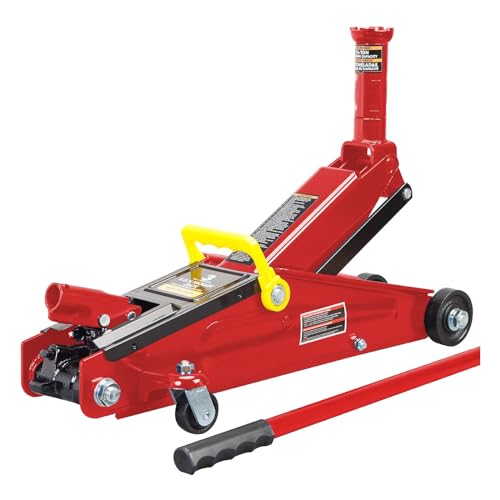
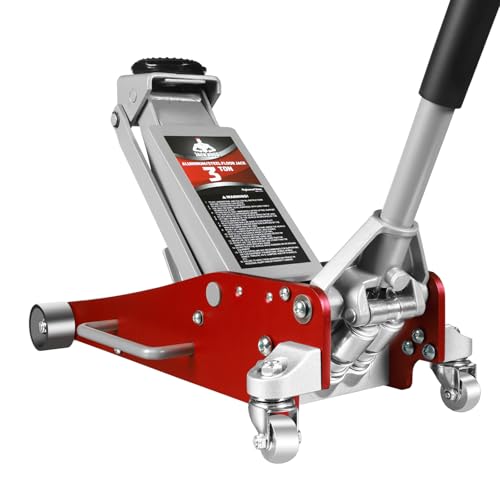
If you want to preserve your brake system's integrity, avoid hard stops and sudden braking. These actions generate excessive heat, causing brakes to wear down faster and increasing the risk of brake fade. By anticipating traffic and maintaining a safe following distance, you minimize abrupt stops and extend the life of your brake components. Employ gradual braking techniques—progressively apply pressure to the pedal—to reduce stress and improve stopping efficiency. Consistent conservative driving habits considerably decrease maintenance costs and maintain brake reliability. Investing in reliable lifting equipment when servicing your brakes can further ensure safety and proper maintenance.
| Driving Habit | Effect on Brakes | Benefit |
|---|---|---|
| Sudden Braking | Accelerates wear down | Increases brake fade risk |
| Maintaining Distance | Allows smooth deceleration | Extends brake life |
| Gradual Braking | Reduces heat buildup | Enhances stopping efficiency |
| Conservative Driving | Lowers brake system stress | Saves on maintenance expenses |
Use Engine Braking on Declines
When driving downhill, use engine braking by downshifting to a lower gear to slow your vehicle without overusing the brakes. This technique reduces brake wear and prevents overheating on long or steep declines. To do it safely, shift gears gradually while controlling your speed and maintaining stability.
Benefits of Engine Braking
Although many drivers rely heavily on their brakes, you can reduce brake wear and enhance vehicle control on declines by using engine braking. This technique decreases brake wear and tear by shifting to a lower gear and releasing the accelerator, allowing the engine to slow your vehicle through compression. Engine braking greatly reduces brake fade, a dangerous condition caused by overheated brake components during prolonged downhill use. By lowering brake temperatures by up to 30%, engine braking helps reduce the frequency of brake maintenance and repair costs. Additionally, it prolongs the lifespan of your brake components, ensuring consistent performance. Employing engine braking not only reduces wear but also enhances safety by maintaining better vehicle stability and control on steep declines, giving you greater confidence and freedom behind the wheel.
How to Engine Brake
Before descending a hill, you should downshift to a lower gear to engage engine braking effectively. This technique uses engine braking to reduce brake wear by allowing the engine to slow the vehicle without relying solely on the brakes. To maintain vehicle control and prevent brake fade during prolonged downhill driving, downshift before the slope and smoothly match engine speed with your vehicle speed. This synchronization avoids sudden jerks or loss of traction, ensuring a smooth descent. By generating resistance through the engine, you relieve the brake system from continuous heat buildup, preserving brake efficiency. Engine braking not only prolongs brake life but also enhances your control on steep declines, freeing you from excessive brake usage and promoting safer, more confident driving on hills.
Safety Tips on Declines
Mastering engine braking sets the foundation for safer descents on declines by reducing reliance on traditional braking systems. Before entering a decline, downshift to engage engine braking, which helps maintain a safe speed, minimize heat buildup, and reduce wear on brake components. This technique prevents overheating and enhances safety by maintaining control and lowering the risk of brake failure. For optimal safety, consider the load-bearing requirements of your vehicle and road conditions, ensuring your braking system is well-matched to the task.
| Action | Benefit | Result |
|---|---|---|
| Downshift early | Engine assists slowing | Maintain safe speed |
| Use engine braking | Reduce brake use | Minimize heat |
| Control speed | Prevents overheating | Enhance safety |
| Avoid continuous braking | Reduce brake wear | Prevent brake failure |
| Monitor vehicle | Stability on declines | Maintain control |
Use engine braking to liberate your driving and protect your brakes.
Remove Unnecessary Weight From Your Vehicle
You should regularly remove excess cargo to reduce your vehicle’s weight and improve brake response. Lighter loads decrease braking distance and lessen wear on brake components. Keeping only essential items onboard also enhances fuel efficiency and vehicle handling.
Reduce Excess Cargo
Removing just 100 pounds of excess cargo from your vehicle can noticeably reduce the strain on your braking system, improving both brake longevity and fuel efficiency. To reduce excess cargo, routinely declutter your car and remove unnecessary items weighing down your vehicle. Excess weight increases stopping distances and accelerates wear on brake components, compromising braking performance. By lightening your load, you maintain ideal brake function, enabling your brakes to respond more effectively during sudden stops. Additionally, a lighter vehicle enhances better handling and responsiveness, which further supports safe braking. Prioritizing the removal of unneeded cargo not only extends brake life but also liberates you from the costs and risks associated with premature brake wear and reduced fuel economy. Keep your vehicle lean for reliable, efficient braking every time.
Benefits of Light Loads
Lightening your vehicle by shedding unnecessary weight directly enhances its fuel efficiency and braking performance. Reducing excess weight lessens the strain on your car's brakes, extending their lifespan and decreasing the frequency of costly repairs. A lighter load improves handling, shortens stopping distances, and boosts overall safety. Consider the impact of weight management:
| Factor | Benefit |
|---|---|
| Weight Reduction | Improves fuel efficiency by 1-2% per 100 lbs |
| Brake Performance | Enhances stopping power and responsiveness |
| Maintenance Costs | Lowers brake wear and repair frequency |
Just as it's important to distribute weight evenly when jacking up a floor from a crawl space, managing your vehicle's load ensures optimal brake performance and vehicle safety.
 Top 5 Warning Signs Your Brakes Need Service
Check Rotors for Warping or Damage
Inspecting your rotors at least every 6,000 miles helps catch warping or damage before it compromises braking performance. When you check rotors for warping, measure thickness variations; anything over 0.002 inches signals a problem. Pay close attention to surface damage like grooves, cracks, or discoloration, as these reduce braking efficiency and often require rotor replacement. During routine brake inspections, listen for unusual noises such as grinding or squeaking, which indicate rotor issues. If your vehicle pulls when braking, suspect uneven rotor wear and have the rotors checked for proper alignment and surface condition. Maintaining rotors in good condition guarantees peak braking performance, giving you the freedom to drive confidently and safely without unexpected brake failure.
Clean Brake Components to Prevent Debris Build-up
Brake components like calipers and rotors accumulate dirt, dust, and debris that can impair performance and accelerate wear. To maintain peak brake function, you need to clean brake components regularly, ideally every 6,000 miles during routine maintenance. Use a specialized brake cleaner to effectively remove brake dust buildup without damaging parts. This prevents overheating caused by trapped debris and guarantees smooth operation. By keeping the braking system free from contaminants, you improve braking response and reduce the risk of premature component failure. Consistent cleaning extends the lifespan of the brake system, saving you costly repairs and enhancing safety. Don’t overlook this essential task—clean brake components diligently to preserve your vehicle’s braking efficiency and enjoy reliable stopping power.
Address Brake Warning Signs Immediately
If you notice squeaking, a soft pedal, or your car pulling to one side when braking, don’t ignore these warning signs. These symptoms often indicate worn pads, air in brake lines, or brake imbalance that need immediate inspection. Schedule a professional brake check promptly to maintain safe and reliable stopping performance.
Recognize Warning Symptoms
When you hear squeaking or grinding noises while slowing down, it’s a clear sign that your brake pads may be worn and need immediate inspection. A spongy brake pedal often indicates air in the brake lines or low brake fluid, both compromising reliable braking performance. If your vehicle pulls to one side during braking, uneven brake wear or faulty brake components could be the cause. Unusual vibrations or pulsations in the pedal suggest warped rotors or damaged components demanding prompt brake maintenance. Never ignore dashboard warning lights related to the brake system; they signal critical issues requiring professional brake inspection. Recognizing these warning symptoms early helps you maintain ideal brake components and guarantees your vehicle’s braking system remains dependable and safe.
Schedule Prompt Brake Inspection
Although some brake issues may seem minor, you should schedule a professional inspection immediately upon noticing any warning signs. Regularly inspect your brake system every 6,000 miles or six months to maintain peak performance and safety. Promptly addressing dashboard warnings or unusual noises prevents costly repairs and brake failure. Scheduling professional brake inspections guarantees qualified technicians identify hidden problems and recommend necessary repairs. Knowing when to act liberates you from unexpected breakdowns and maintains control.
| Warning Sign | Action Required |
|---|---|
| Unusual noises | Schedule an appointment immediately |
| Spongy brake pedal | Arrange a brake inspection promptly |
| Vibrations | Seek professional brake inspections |
| Dashboard brake light | Address warning signs without delay |
| Regular mileage check | Regularly inspect brake system for safety |
Frequently Asked Questions
How Do You Make Your Brakes Last Longer?
You can extend brake life by adopting smooth driving habits, performing regular brake pad replacement, brake fluid inspection, and brake system cleaning. Monitor warning signs and brake noise troubleshooting to prevent temperature effects damaging your brakes.
Can I Spray WD-40 on My Brake Pads?
Don’t spray WD-40 on brake pads; it compromises brake pad materials and friction, causing brake noise and safety risks. Use proper lubrication techniques and brake fluid types, inspect brake wear indicators, and replace pads during brake system inspection.
What Is the 30/30/30 Rule for Brakes?
You follow the 30/30/30 rule by inspecting brake pad types, brake rotor maintenance, and brake line inspection every 30 days, checking brake fluid importance and brake pedal feel every 30 miles, and servicing the brake system warning and ABS functionality every 30,000 miles.
How to Maintain a Car Brake System?
You should regularly check brake fluid levels, inspect brake pads and rotors, and listen for brake noise. Address brake warnings promptly, maintain the hydraulic system, and perform timely brake replacement to guarantee peak brake performance and safety.
Final Thoughts
Keeping your brakes reliable is like maintaining a finely tuned instrument—every component must work in harmony. By regularly inspecting pads, monitoring fluid, and addressing warning signs immediately, you guarantee your braking system performs safely and efficiently. Practice smooth braking, avoid sudden stops, and remove extra weight to reduce wear. Don’t overlook routine inspections and cleaning to prevent damage. Stay proactive, and your brakes will respond precisely when you need them most.
 Top Products for Effective Brake System Cleaning
Reliable Floor Jacks on a Budget: Best Picks for Under $150
Top-Rated Floor Jacks Over $100: Built for Professionals, Priced for Smart Buyers
If you want to know other articles similar to 10 Tips to Keep Your Car Brakes Reliable you can visit the Brake System Maintenance category.
7 Best Ways to Maintain Your Car Brakes

What Does Professional Brake Maintenance Cost?

Why Regular Brake Fluid Changes Matter Most

7 Best Tips for DIY Brake System Cleaning

How Frequently Should You Inspect Car Brake Pads?

Top Products for Effective Brake System Cleaning

Top 5 Warning Signs Your Brakes Need Service

3 Best Tips for Winter Brake System Care
Leave a Reply
This is also interesting