













Top 5 Warning Signs Your Brakes Need Service


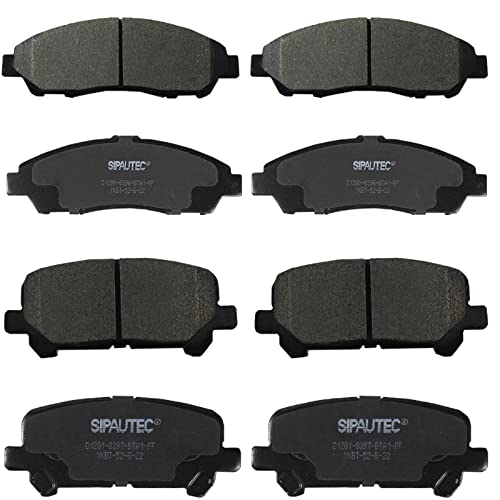
If you hear high-pitched squealing or grinding noises, your brake pads may be worn or damaged.
Feeling vibrations when braking often signals warped rotors.
A soft or spongy pedal suggests air in the lines or low brake fluid.
Noticeably longer stopping distances indicate reduced braking efficiency.
Finally, a burning smell during or after braking points to overheating components.
 Top Products for Effective Brake System Cleaning
Recognizing these signs early helps prevent costly repairs and guarantees your vehicle stops safely—explore these indicators further to protect your braking system.
Table
Main Points
- High-pitched squealing or grinding noises indicate worn or damaged brake pads needing immediate service.
- Vibrations or pulsations in the brake pedal or steering wheel suggest warped brake rotors.
- A soft or spongy brake pedal feel signals air in brake lines or low brake fluid requiring inspection.
- Longer stopping distances reveal reduced braking efficiency due to worn brake components.
- A burning smell during or after braking indicates overheated brake pads needing prompt attention.
High-Pitched Squealing or Grinding Noises

If you hear a high-pitched squealing or grinding noise when applying your brakes, it’s a clear signal that your brake pads need immediate attention. High-pitched squealing typically comes from built-in warn indicators on worn brake pads, designed to alert you before damage escalates. Grinding sounds, however, indicate the brake pads are completely worn, causing metal-to-metal contact with the rotor. This not only reduces braking efficiency but also jeopardizes vehicle safety and leads to costly rotor damage. Ignoring this brake noise puts you at risk and often results in extensive repairs. To maintain liberation from unexpected failures, commit to regular inspections. Catching wear early guarantees your brake pads receive timely replacement, preserving braking performance and safeguarding your freedom on the road.
Vibrations or Pulsations When Braking

When you feel vibrations or pulsations while applying the brakes, it often signals that your brake rotors have warped. Warped rotors result from excessive heat during heavy braking, creating uneven surfaces that disrupt the braking system. These vibrations may be felt through the brake pedal or steering wheel, indicating an urgent need for professional inspection. Ignoring this compromises brake performance and increases stopping distances, risking your safety. Addressing the issue promptly can restore ideal brake function.
| Cause | Effect |
|---|---|
| Excessive heat | Warped rotors |
| Warped rotors | Vibrations or pulsations |
| Uneven surfaces | Brake pedal feedback |
| Ignored vibrations | Increased stopping distances |
| No inspection | Compromised braking system safety |
Soft or Spongy Brake Pedal Feel

Although your brake pedal may feel responsive under normal conditions, a soft or spongy sensation often signals air trapped in the brake lines or low brake fluid levels, both of which reduce hydraulic pressure essential for effective braking. When you detect a soft brake pedal, it indicates compromised brake performance and diminished braking efficiency. Persistent spongy brake pedal feel increases the risk of brake failure, threatening vehicle safety. If the pedal sinks to the floor, it could mean significant brake fluid leakage or a failing master cylinder, demanding immediate brake inspection. Addressing these issues promptly restores hydraulic pressure and ideal brake system function, ensuring reliable brake performance. Don’t ignore a soft or spongy brake pedal; it’s a critical warning that your vehicle’s safety depends on swift, precise action.
Longer Stopping Distances

One key indicator that your brakes need service is an increase in stopping distances. When you notice longer stopping distances, it often means your brake pads are worn, which directly diminishes braking efficiency and compromises your vehicle’s safety. If you must press harder on the brake pedal to maintain stopping power, underlying brake system issues may be present. These increased stopping distances pose critical safety risks, especially in emergency scenarios or heavy traffic, where every inch counts. To preserve your freedom and safety on the road, regularly inspect your braking system and address any abnormalities promptly. Seeking professional brake service at the first sign of longer stopping distances guarantees your braking performance remains reliable and your vehicle’s safety uncompromised. Don’t ignore this warning—act decisively to maintain control.
Burning Smell During or After Braking

Two common causes of a burning smell during or after braking are overheated brake pads and excessive friction within the brake system. When brake pads wear down, they generate increased friction, causing the materials to overheat and emit a distinct burning smell. Overheated brakes reduce braking efficiency, heightening your risk of brake failure and damage to essential brake components like rotors and calipers. If you notice this odor, especially after repeated braking on declines, schedule an immediate inspection.
 How Frequently Should You Inspect Car Brake Pads?
Key points to monitor include:
- Persistent burning smell after braking
- Reduced braking efficiency
- Visible wear on brake pads or rotors
- Frequent need for brake maintenance
Addressing these signs promptly protects your safety and prevents costly repairs.
Frequently Asked Questions
How Do You Know if You Need Brake Service?
You’ll know you need brake service if you notice brake noise issues, brake pedal vibrations, or brake fluid leaks. Regular brake system inspections, brake performance tests, and checking brake pad thickness, rotor condition, and brake line corrosion are essential.
What Are Some Signs That Your Car Brakes Might Need Fixing?
You’ll notice brake noise, brake vibration, or a soft brake pedal signaling issues. Check brake fluid levels, watch for brake warning lights, and prioritize brake maintenance or inspection to prevent brake overheating and guarantee timely brake replacement.
What Is the Brake Warning Symbol?
You can't ignore the brake warning symbol—it’s a crucial safety indicator on your dashboard lights alerting you to brake system issues. These maintenance alerts demand immediate vehicle diagnostics to prevent brake failure and guarantee your car safety.
What Is a Common Symptom of Worn Out Brake Pads?
You’ll notice brake noise like squealing or brake grinding, brake vibration in the pedal feel, or brake fade during stops. These symptoms signal worn pads, needing immediate brake inspection and brake replacement to maintain brake longevity and safety.
 7 Best Tips for DIY Brake System Cleaning
Final Thoughts
Imagine driving with worn brakes is like riding a bike with worn-out tires—it’s risky and unpredictable. Ignoring warning signs like squealing noises or a spongy pedal can increase your stopping distance by up to 30%, putting you and others in danger. Stay alert to these signals and service your brakes promptly. Doing so guarantees your vehicle responds precisely when you need it most, keeping your drives safe and controlled every time.
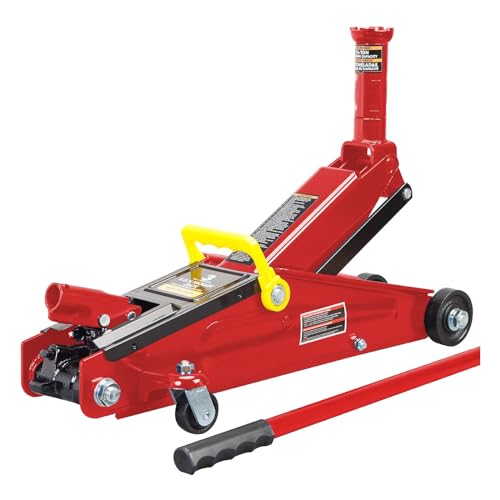
Reliable Floor Jacks on a Budget: Best Picks for Under $150
Top-Rated Floor Jacks Over $100: Built for Professionals, Priced for Smart Buyers
If you want to know other articles similar to Top 5 Warning Signs Your Brakes Need Service you can visit the Brake System Maintenance category.
7 Best Ways to Maintain Your Car Brakes

What Does Professional Brake Maintenance Cost?

Why Regular Brake Fluid Changes Matter Most

7 Best Tips for DIY Brake System Cleaning

How Frequently Should You Inspect Car Brake Pads?

Top Products for Effective Brake System Cleaning

3 Best Tips for Winter Brake System Care

10 Tips to Keep Your Car Brakes Reliable
Leave a Reply
This is also interesting