












7 Best Ways to Maintain Your Car Brakes


To maintain your car brakes effectively, schedule regular inspections checking pad thickness, rotor condition, and fluid levels.
Watch for warning signs like squealing or pulsating pedals. Drive smoothly to reduce wear and use engine braking on descents.
Replace brake fluid every two years and use quality parts for replacements. Clean brake components regularly to prevent debris buildup.
Keep a maintenance schedule and consult professionals as needed to guarantee safety and longevity.
Discover more ways to optimize your brake performance below.
Table
- Main Points
- Regular Brake Inspections and Monitoring
- Recognizing and Responding to Brake Warning Signs
- Proper Driving Techniques to Reduce Brake Wear
- Maintaining Brake Fluid for Optimal Performance
- Choosing Quality Brake Components for Replacements
- Cleaning and Servicing Brake Components Effectively
- Scheduling Professional Brake Maintenance and Repairs
- Frequently Asked Questions
- Final Thoughts
Main Points
- Schedule regular brake inspections at least once a year or every 12,000 miles to monitor pads, rotors, and fluid condition.
- Recognize warning signs like squeaking, grinding noises, pulsating pedals, and dashboard brake lights for early brake system issues.
- Practice smooth driving and gradual braking to reduce brake wear and heat buildup, extending pad and rotor life.
- Check and replace brake fluid every two years to prevent moisture damage and maintain optimal braking performance.
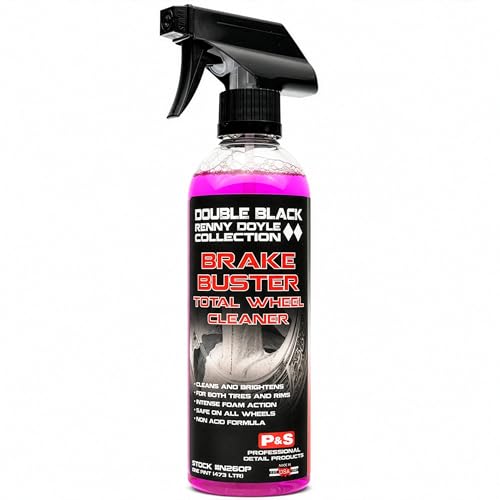
- Clean brake components regularly with dedicated brake cleaner and ensure calipers move freely to avoid uneven wear.
Regular Brake Inspections and Monitoring

Although you may not notice it daily, regular brake inspections are essential for maintaining your vehicle's safety and performance. You should schedule these inspections at least once a year or every 12,000 miles. During a brake inspection, a professional mechanic evaluates key brake components, focusing on brake pads’ thickness—ensuring they remain at least a quarter inch thick to maintain proper braking performance. Additionally, the mechanic checks brake rotors for grooves, cracks, or scoring that could compromise safety. Monitoring brake fluid levels and condition is equally critical; dark or contaminated fluid demands prompt replacement to preserve the system’s integrity. By committing to regular brake inspections and monitoring, you empower yourself to prevent brake failure and sustain control, liberating you from unexpected hazards on the road.
 Top 3 Warning Signs Your Brakes Need Attention
Recognizing and Responding to Brake Warning Signs

You need to recognize common brake warning signals like squeaking noises, a vibrating pedal, or dashboard warning lights to maintain safety. If you notice any of these signs, take immediate action by inspecting the brake system or seeking professional help. Prompt response prevents further damage and guarantees reliable braking performance. Regularly checking the hose length and flexibility of your brake bleeder kit ensures you can efficiently address potential issues during maintenance.
Common Brake Warning Signals
How can you tell when your brakes need immediate attention? Key brake warning signals include squeaking or grinding noises, indicating worn-out brake pads. A pulsating brake pedal signals warped rotors, while a hard pedal may reveal brake booster or fluid issues. Dashboard warning lights—especially the brake warning light—alert you to brake system problems that require professional inspections to prevent brake failure. For effective brake care, using brake bleeder kits can help maintain your system and prevent many common issues.
| Warning Signal | Possible Cause | Recommended Action |
|---|---|---|
| Squeaking/Grinding | Worn brake pads | Replace brake pads promptly |
| Pulsating Pedal | Warped rotors | Inspect and resurface/replace |
| Warning Light | Brake system malfunction | Immediate professional check |
Recognizing these signs early helps you avoid brake problems and maintain safety.
Immediate Actions to Take
Recognizing brake warning signals is only half the battle; knowing how to respond immediately can prevent further damage and guarantee your safety. If you hear squeaking or grinding, inspect the brake pads without delay to avoid worsening the issue. A vibrating brake pedal signals potential warped rotors—schedule professional evaluation promptly. Dashboard brake warnings, like low fluid alerts, require swift action to maintain safety on the road. A hard, unresponsive pedal often means brake booster or fluid problems; don’t ignore these signs. Regular maintenance helps detect any reduction in stopping power early, allowing you to address issues with your braking before they escalate. Act decisively when these signs appear to protect your vehicle’s brakes and assure safe driving conditions at all times.
Proper Driving Techniques to Reduce Brake Wear

Adopting proper driving techniques plays an essential role in minimizing brake wear and extending the lifespan of your braking system. To reduce brake wear, avoid aggressive driving and sudden stops by anticipating traffic flow and maintaining a safe following distance—at least three seconds behind the vehicle ahead. This foresight allows for coasting, decreasing brake reliance and improving efficiency. Employ engine braking when descending hills to lessen brake component load. Additionally, regularly remove unnecessary weight from your vehicle, as lighter cars require less braking force to stop effectively. Gradual braking minimizes heat generation, preventing premature brake pad wear. By integrating these practical strategies, you guarantee brake pads last longer, enhancing your car’s safety and performance while liberating yourself from frequent, costly brake maintenance.
Maintaining Brake Fluid for Optimal Performance

While proper driving techniques help reduce brake wear, maintaining the brake fluid is equally important for ensuring consistent braking performance. You should regularly check brake fluid levels, since low fluid not only compromises braking performance but may also indicate potential leaks. To optimize brake function, replace the brake fluid every two years, as it absorbs moisture over time, increasing the risk of corrosion issues and brake failure. Monitor color and clarity closely; dark or contaminated fluid signals the need for immediate replacement. Always consult your owner's manual for specific brake fluid types and replacement intervals to guarantee compatibility and maintain system integrity. Additionally, high copper content in the fluid can reveal corrosion issues within your braking system, warranting prompt inspection and corrective action to preserve your vehicle’s safety and reliability.
Choosing Quality Brake Components for Replacements

Because brake components directly affect your vehicle’s stopping power and safety, choosing high-quality replacements is vital. Opt for brake pads and rotors that meet or exceed OEM specifications to guarantee compatibility and maintain braking performance. Ceramic brake pads offer superior stopping power and produce less dust, extending the life of both pads and rotors. Always verify that components comply with SAE standards to ascertain tested quality. Consider upgrading to stainless steel brake lines to enhance brake pedal responsiveness and reduce corrosion risks. Selecting premium materials not only improves safety but also minimizes premature wear and costly repairs. By investing in reliable brake components, you maintain precise control over your vehicle’s braking system, assuring consistent performance and your freedom on the road.
 10 Tips to Keep Your Car Brakes Reliable
Cleaning and Servicing Brake Components Effectively
Selecting high-quality brake components sets the foundation for reliable stopping power, but maintaining that performance requires regular cleaning and servicing. You should use a dedicated brake cleaner to remove dust, grime, and debris from pads, rotors, and calipers without causing damage. During cleaning, inspect pads for wear; make sure they remain at least a quarter-inch thick. Also, check rotors for grooves or cracks that impair braking efficiency. Clean calipers thoroughly and verify they move freely to prevent uneven wear. Don’t overlook brake fluid—replace it every two years to avoid corrosion within the braking system. Follow the manufacturer's specifications for installation and bedding of new components, guaranteeing peak braking performance. Routine, precise cleaning and inspection free you from unexpected failures and elevate your vehicle’s safety and reliability. When servicing your brakes, using ergonomically designed handles on your tools can help reduce fatigue and make the job more efficient.
Scheduling Professional Brake Maintenance and Repairs
To maintain ideal braking performance and safety, you should schedule professional brake maintenance at least once a year or every 12,000 miles. When scheduling professional brake maintenance, have your brakes inspected thoroughly to assess brake pad thickness, rotor condition, and brake fluid levels. Regular brake checks help detect underlying issues like worn components or low fluid that casual inspections might miss. Tracking your brake service history alerts you when brake fluid replacement is due, typically every two years. If the technician recommends brake pad replacement or repairs, consult a professional to guarantee high-quality parts are installed, preserving your vehicle’s performance and safety. Adhering to a consistent maintenance schedule liberates you from unexpected failures, keeping your braking system reliable and efficient.
Frequently Asked Questions
How Do I Keep My Brakes Healthy?
You should follow a strict maintenance schedule, inspect brake pads for wear, monitor brake fluid quality, heed warning signs and noise issues, adjust driving habits seasonally, and schedule regular brake inspections to keep your brakes healthy and reliable.
How to Maintain a Car Brake System?
Imagine Sarah’s brake fluid absorbed moisture, causing brake squeaking and reduced performance. You’ll maintain brake pads, rotors, calipers, and lines by scheduling regular brake inspections and timely brake replacement to guarantee safety and freedom on the road.
How Do You Make Your Brakes Last Longer?
You’ll extend brake life by adhering to a strict maintenance schedule, performing regular inspections, replacing brake pads at warning signs or noise indicators, monitoring brake fluid, adjusting driving habits for road conditions, and responding promptly to any issues.
What Is the 30/30/30 Rule for Brakes?
You follow the 30/30/30 rule by inspecting brake pad wear indicators and rotor condition every 30,000 miles, replacing pads below 30% thickness, checking brake fluid, monitoring pedal feel and brake noise, and performing system bleeding accordingly.
Final Thoughts
To keep your brakes in top shape, you’ll want to inspect regularly, respond swiftly to warning signs, and adopt smooth driving habits that reduce wear. Don’t forget to maintain brake fluid, choose quality parts, and clean components thoroughly. Finally, schedule professional check-ups to catch issues early. Like a well-tuned orchestra, each step plays its part—harmonizing for your safety and your car’s longevity. Keep control; keep braking smart.
 3 Best Tips for Winter Brake System Care
Reliable Floor Jacks on a Budget: Best Picks for Under $150
Top-Rated Floor Jacks Over $100: Built for Professionals, Priced for Smart Buyers
If you want to know other articles similar to 7 Best Ways to Maintain Your Car Brakes you can visit the Brake System Maintenance category.
What Does Professional Brake Maintenance Cost?

Why Regular Brake Fluid Changes Matter Most

7 Best Tips for DIY Brake System Cleaning

How Frequently Should You Inspect Car Brake Pads?

Top Products for Effective Brake System Cleaning

Top 5 Warning Signs Your Brakes Need Service

3 Best Tips for Winter Brake System Care

10 Tips to Keep Your Car Brakes Reliable
Leave a Reply
This is also interesting