













How Frequently Should You Inspect Car Brake Pads?


You should inspect your car’s brake pads every 12,000 miles or at least once a year to maintain safe braking.
If you drive frequently in the city, tow heavy loads, or engage in performance driving, check them more often—every 6 to 8 months or even after each session.
Watch for signs like squealing noises or a spongy pedal that demand immediate attention.
Exploring further reveals how driving habits, environmental factors, and brake components influence inspection timing.
Table
- Main Points
- Recommended Frequency for Brake Pad Inspections
- Signs Indicating Immediate Brake Pad Check
- Factors That Affect Brake Pad Wear and Inspection Timing
- Essential Components to Inspect Alongside Brake Pads
- Benefits of Regular Brake Pad Maintenance and Replacement
- Frequently Asked Questions
- Final Thoughts
Main Points
- Inspect brake pads every 12,000 miles or at least once annually for general driving conditions.
- For city driving, inspect brake pads every 6-8 months due to frequent stopping.
- Off-roading or towing requires brake inspections every 6 months for increased wear.
- Check brake pads immediately if you hear squeaking, experience spongy pedals, or notice longer stopping distances.
- Adjust inspection frequency based on driving habits, environment, and brake pad material for optimal safety.
Recommended Frequency for Brake Pad Inspections

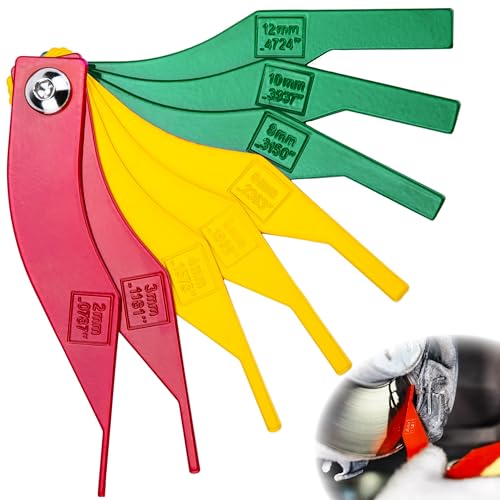
You should inspect your brake pads every 12,000 miles or at least once a year to maintain peak performance and safety. Regular inspections are critical to monitor wear and tear, ensuring your vehicle safety isn't compromised. If you drive mainly in city conditions, frequent inspections every 6-8 months are necessary due to increased braking stress from stop-and-go traffic. Off-roading or towing demands brake maintenance every 6 months, addressing the intensified strain on brake pads. Performance or track driving requires inspecting your brakes after each session to sustain ideal performance. Timely brake pad assessments prevent brake failure by identifying when pad thickness falls below ¼ inch. Consistent brake pad inspections empower you to uphold safety and performance, liberating you from unexpected mechanical failures and enhancing your driving confidence.
 7 Best Tips for DIY Brake System Cleaning
Signs Indicating Immediate Brake Pad Check

While regular inspections help maintain brake pad health, certain symptoms demand immediate attention to prevent safety risks. Ignoring these warning signs can compromise your brake system’s effectiveness and your safety.
- If brake pads are worn, you’ll often hear squeaking or squealing noises; this requires immediate attention to prevent further damage.
- A spongy brake pedal or a vehicle that pulls to one side during braking signals uneven wear or air in the brake lines—both brake issues needing urgent inspection.
- Noticeably longer stopping distances indicate that brake pads are compromised and you must check your brakes without delay.
Don’t wait for scheduled intervals alone; when these warning signs appear, the brakes inspected every routine won’t suffice. Act promptly to maintain control and freedom on the road.
Factors That Affect Brake Pad Wear and Inspection Timing

Because brake pad wear varies widely depending on several factors, you should adjust your inspection schedule accordingly. Your driving habits, environmental factors, and braking system type all influence brake wear and dictate how often you perform vehicle maintenance. Frequent stop-and-go traffic or towing heavy loads demands inspections every 6 months, while highway driving might allow 12,000 miles between checks. Recognizing symptoms like noises or spongy pedals requires immediate inspection regardless of schedule.
| Factor | Impact on Brake Wear | Recommended Inspection Interval |
|---|---|---|
| Driving Habits | Frequent stops increase wear | Every 6-8 months |
| Environmental | Rain, mountains cause strain | More frequent inspections |
| Brake Pad Material | Organic vs. ceramic lifespan | 30,000-70,000 miles |
Adjust your inspection schedule to guarantee peak performance and safety.
Essential Components to Inspect Alongside Brake Pads

Although inspecting brake pads is critical, checking related components guarantees thorough brake system health. To maintain peak braking performance and adhere to your inspection schedule, focus on these essential parts:
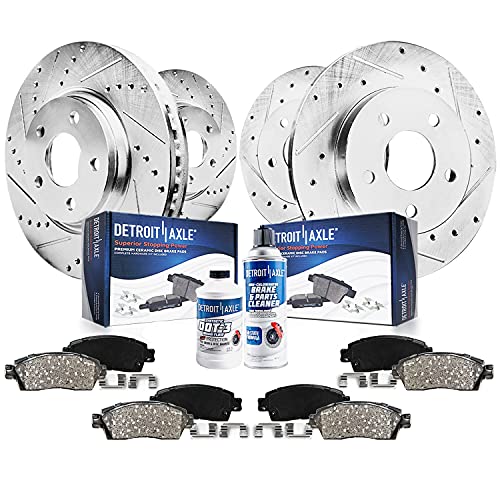
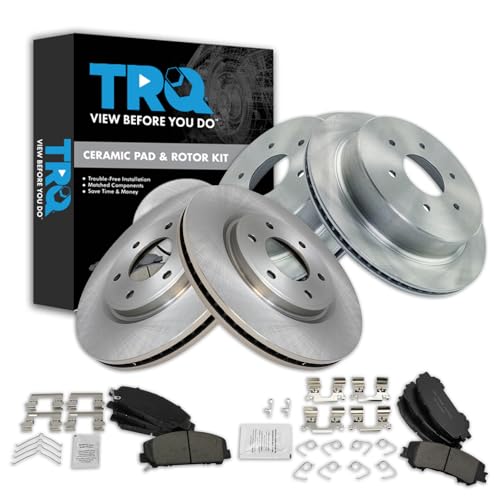
- Brake Rotors and Calipers: Inspect rotors for signs of wear, scoring, or warping. Check calipers for proper function and even wear to prevent uneven brake pad degradation.
- Brake Fluid Levels and Lines: Regularly monitor fluid levels; dark or thick fluid signals contamination, requiring a flush. Examine brake lines for leaks or corrosion that threaten hydraulic system integrity.
- Brake Pedal Feel: A spongy pedal indicates possible air in brake lines or master cylinder issues, demanding immediate attention.
For comprehensive maintenance, consider using brake bleeder kits to ensure your brake fluid is properly flushed and air-free, supporting optimal brake performance. Integrating these checks into your maintenance schedule guarantees early detection of problems, preserving your brake system’s reliability and your freedom on the road.
 Why Regular Brake Fluid Changes Matter Most
Benefits of Regular Brake Pad Maintenance and Replacement

Alongside inspecting brake system components like rotors and fluid lines, maintaining your brake pads regularly delivers significant advantages. Consistent inspection helps you detect wear early, ensuring peak braking performance and enhancing safety. Timely replacement of brake pads prevents rotor damage, avoiding costly repairs and preserving system integrity. Maintenance extends brake pad lifespan, which varies between 25,000 to 65,000 miles depending on your driving conditions and habits. Properly functioning brake pads also reduce engine load during stops, improving fuel efficiency. For those facing demanding driving conditions, upgrading to high-performance brake pads offers increased durability and reduced brake fade. By prioritizing regular inspection and maintenance, you maintain control over your vehicle’s braking system, empowering you with reliable, effective stopping power and the freedom to drive confidently. Many motorists also benefit from using car battery testers to ensure overall vehicle readiness, as electrical system health can impact braking system components and performance.
Frequently Asked Questions
How Often Do I Need a Brake Inspection?
You should adjust inspection frequency based on driving habits and watch for noise indicators or signs of brake pad wear. Regular seasonal checks and brake fluid importance guarantee brake system maintenance, safety measures, and control cost factors effectively.
What Is the 30/30/30 Rule for Brakes?
Imagine your brake system whispering its secrets. The 30/30/30 rule guides you to monitor brake pad longevity, wear indicators, fluid, and noise, considering brake types, materials, driving habits, and seasonal checks to master emergency braking and preserve components.
Is a Brake Inspection Worth It?
You’ll find brake inspections worth it, as they address brake pad lifespan, detect warning signs, and improve brake performance. Professional or DIY inspections guarantee cost-effective brake maintenance, considering brake pad types, driving habits, and safety concerns.
How Much Does a Brake Pad Inspection Cost?
You might think brake pad inspections break the bank, but professional services typically cost $50-$100. Comparing DIY inspections against service discounts boosts your brake performance, aligns with safety standards, and respects maintenance schedules and warning signs.
Final Thoughts
Think of your brake pads as the unsung heroes of your car’s safety system—they quietly bear the brunt of every stop. You should inspect them every 10,000 to 15,000 miles or immediately if you notice signs like squealing or reduced braking power. Factors like driving habits and road conditions affect their wear, so regular checks alongside rotors and calipers are essential. Staying proactive guarantees peak performance, preventing costly repairs and keeping you safe on the road.
 What Does Professional Brake Maintenance Cost?
Reliable Floor Jacks on a Budget: Best Picks for Under $150
Top-Rated Floor Jacks Over $100: Built for Professionals, Priced for Smart Buyers
If you want to know other articles similar to How Frequently Should You Inspect Car Brake Pads? you can visit the Brake System Maintenance category.
7 Best Ways to Maintain Your Car Brakes

What Does Professional Brake Maintenance Cost?

Why Regular Brake Fluid Changes Matter Most

7 Best Tips for DIY Brake System Cleaning

Top Products for Effective Brake System Cleaning

Top 5 Warning Signs Your Brakes Need Service

3 Best Tips for Winter Brake System Care

10 Tips to Keep Your Car Brakes Reliable
Leave a Reply
This is also interesting