













5 Best Ways to Check Transmission Fluid Level


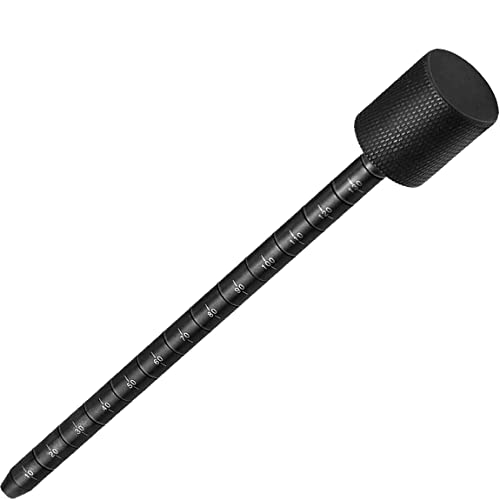
To check your transmission fluid level accurately, start by warming your vehicle on a flat surface with the engine running.
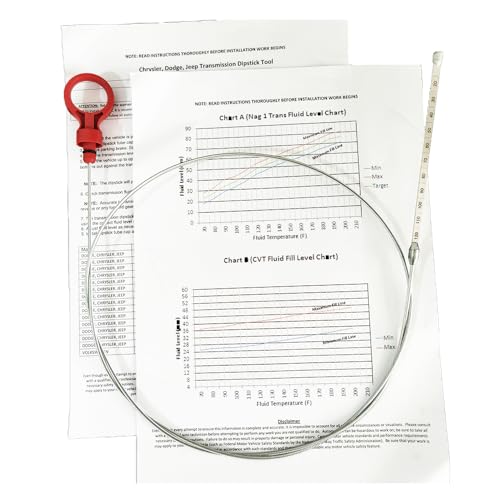
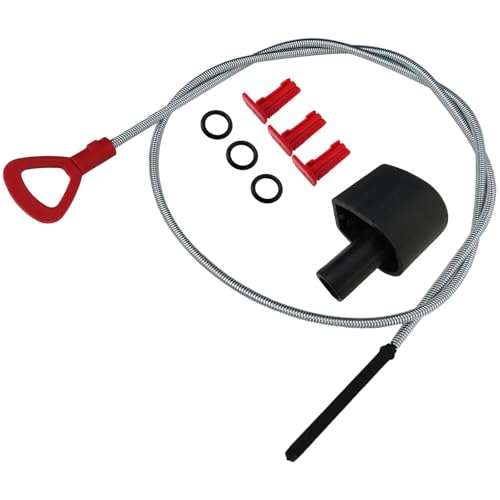
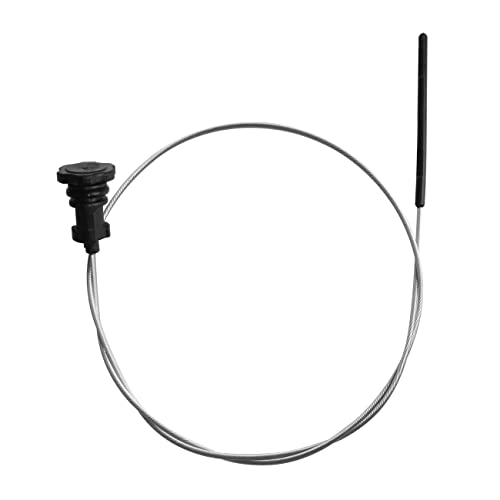
Locate the transmission dipstick—often labeled and near the back of the engine bay—and pull it out to wipe clean.
Reinsert and remove it to check the fluid level and condition; healthy fluid is reddish-pink and free of debris.
If low, add fluid gradually using the recommended type.
Following these steps helps maintain smooth transmission function, with more details available to guarantee precision.
 Transmission Fluid Checks Before Your Next Road Trip
Table
Main Points
- Park on a level surface, engage parking brake, and keep engine running at normal temperature for accurate fluid level reading.
- Locate the transmission dipstick under the hood, differentiating it from the engine oil dipstick using labels or the owner’s manual.
- Cycle through all gears briefly, then return to "Park" before removing the dipstick to check fluid level and condition.
- Wipe dipstick clean, reinsert fully, then remove again to accurately read the fluid level against marked indicators.
- Assess fluid color and smell; reddish-pink is healthy, dark or burnt-smelling fluid indicates contamination or overheating.
Prepare Your Vehicle for an Accurate Fluid Check

Before you check your transmission fluid, make certain to park your vehicle on a flat surface and engage the parking brake to keep it stable. You’ll need to start the engine and allow it to reach operating temperature, as fluid expands when warm, providing an accurate reading. Shift through all gears, pausing briefly in each to circulate the transmission fluid thoroughly. Once done, return the gear selector to "Park" while keeping the engine running—this guarantees the fluid level reflects true operating conditions. Don’t forget to consult your owner’s manual for any vehicle-specific instructions or precautions during this process. Following these precise steps sets the foundation for a reliable transmission fluid check, empowering you with the knowledge to maintain your vehicle’s performance confidently.
Locate and Identify the Transmission Dipstick

One key step in checking your transmission fluid is locating the transmission dipstick, which is usually found under the hood near the back of the engine bay close to the firewall. This dipstick is often labeled for easy identification and differs from the engine oil dipstick in color or design. To avoid confusion, consult your owner's manual—it provides exact location details and confirms whether your vehicle even has a traditional transmission dipstick, as many modern cars use sealed transmissions without one. The manual also outlines specific procedures for checking the fluid, which can vary by model. By accurately identifying the transmission dipstick, you guarantee precise checking the fluid, empowering you to maintain your vehicle’s performance confidently and independently.
Perform the Fluid Level Check Correctly

When you check the transmission fluid level, keep the engine running and at normal operating temperature to get an accurate reading. Park your vehicle on a level surface, engage the parking brake, and cycle through all gears before returning to "Park" to circulate the fluid evenly. Slowly pull out the dipstick, wipe it clean, and fully reinsert it before removing it again to check your transmission’s fluid level against the dipstick’s markings. Always refer to your owner’s manual to confirm the correct procedure and the recommended transmission fluid type. If the fluid level is low, add the specified fluid gradually through the dipstick tube using a funnel, avoiding overfilling. Following these precise steps guarantees an accurate fluid level check and helps maintain transmission health.
Assess the Condition of Your Transmission Fluid

Several key indicators help you assess the condition of your transmission fluid accurately. Since transmission fluid is best checked hot, verify your vehicle has warmed up before inspecting. To assess the condition, follow these steps:
Check transmission fluid when hot for accurate assessment of its condition using key indicators.
- Color Check: Healthy fluid is reddish-pink; dark brown or black fluid signals contamination.
- Smell Test: A burnt odor indicates overheating and potential internal damage.
- Debris Inspection: Place a small fluid sample on a white surface; visible debris or metal shavings suggest serious issues.
- Routine Monitoring: Regularly check fluid condition and level to detect leaks or problems early.
Add Transmission Fluid Safely When Needed

Although adding transmission fluid might seem straightforward, doing it safely requires careful attention to prevent spills and overfilling. Always use a funnel when pouring automatic transmission fluid through the dipstick tube to guarantee precise delivery. Consult your vehicle’s owner’s manual to confirm the recommended fluid type, avoiding compatibility issues that could damage your transmission. Add fluid gradually, checking the level frequently to maintain accuracy and prevent overfilling, which can cause internal damage. After topping off, run the engine for a few minutes, then recheck the fluid level to verify it rests at the correct mark. If the fluid appears dark, burnt-smelling, or contaminated, resist the urge to simply add more; instead, consider a full fluid replacement to preserve transmission health and performance.
 Common Indicators of Low Transmission Fluid
Frequently Asked Questions
Do You Check Transmission Fluid Cold or Running?
Don't check transmission fluid cold; you want engine temperature up. Running engine guarantees fluid's expanded, providing accurate checking methods. This precision frees you from guesswork, letting you maintain your vehicle confidently and effectively.
Do You Check Transmission Fluid in Park or Neutral?
You should check transmission fluid in Park for most vehicles, ensuring safety and accurate reading during the checking procedure. Always consult your manual, as some models require Neutral. This step is essential for effective vehicle maintenance.
What Is the Best Way to Check Transmission Level?
Imagine you warm your car, then check fluid on a level surface. Use the correct transmission fluid types, inspect fluid color indicators—bright red means healthy—and maintain a regular checking frequency to guarantee smooth, liberated driving performance.
Do You Crank a Car to Check Transmission Fluid?
You crank the car to check transmission fluid, ensuring accurate dipstick readings and proper fluid color assessment. This helps identify transmission symptoms early while maintaining dipstick accuracy, empowering you to monitor your vehicle’s health effectively.
Final Thoughts
By following these steps, you’ll keep your transmission fluid in check and your vehicle running smoothly. Think of your transmission fluid as the lifeblood of your gearbox—too little or too dirty can cause serious damage. Always prepare your vehicle properly, locate the dipstick accurately, check fluid levels carefully, assess fluid condition, and add fluid safely when needed. Staying diligent with these checks will help you avoid costly repairs and extend your transmission’s lifespan.
 What Frequency Should You Check Transmission Fluid?
Reliable Floor Jacks on a Budget: Best Picks for Under $150
Top-Rated Floor Jacks Over $100: Built for Professionals, Priced for Smart Buyers
If you want to know other articles similar to 5 Best Ways to Check Transmission Fluid Level you can visit the Transmission Fluid Care category.
Why Should You Replace SUV Transmission Fluid?

10 Best Ways to Check Transmission Fluid Without Dipstick

Why Is Your Car Shifting Roughly Lately?

How to Check Civic Transmission Fluid: 3 Steps

How to Check Your Car’s Transmission Fluid

How Much Does a Professional Transmission Fluid Check Cost?

What Frequency Should You Check Transmission Fluid?

Common Indicators of Low Transmission Fluid
Leave a Reply
This is also interesting