













Top Advantages of Regular Wheel Balancing


Regular wheel balancing guarantees you get a smoother, safer ride by eliminating vibrations and improving handling.
It extends your tire lifespan by preventing uneven wear, saving you money on replacements.
Balanced tires also enhance fuel efficiency by up to 10%, reducing rolling resistance.
Plus, it protects your suspension system from premature wear caused by excess vibrations.
 How to Tell If Your Car Needs Wheel Balancing
Keeping your wheels balanced maintains vehicle stability and safety—explore how this simple maintenance step benefits multiple aspects of your driving experience.
Table
Main Points
- Ensures a smoother, vibration-free ride by maintaining even road contact and vehicle stability.
- Extends tire lifespan by preventing uneven wear and distributing stress evenly across tires.
- Enhances fuel efficiency by reducing rolling resistance and optimizing tire weight distribution.
- Protects suspension components from excessive wear caused by vibrations and uneven tire patterns.
- Prevents steering wheel vibrations and uneven tire wear, promoting safer and more comfortable driving.
Ensures a Smoother and Safer Ride

A smoother and safer ride starts with regular wheel balancing, which eliminates vibrations that become especially noticeable at speeds over 50 mph. Tire balancing guarantees that your wheels maintain even road contact, dramatically improving vehicle handling and stability. When you skip this essential tire maintenance, you risk uneven tread wear that can cause steering wheel shaking and excessive vibrations, compromising safety driving. These imbalances not only disrupt your smoother ride but also increase wear on suspension components, leading to costly repairs. By routinely balancing your tires, you maintain peak vehicle stability, enhance control, and reduce hazards associated with unstable road contact. Committing to this precise maintenance step liberates you from unsafe driving conditions and promotes confidence every time you hit the road.
Extends the Lifespan of Your Tires

Beyond improving ride comfort and safety, regular wheel balancing plays a significant role in extending the lifespan of your tires. By balancing your tires consistently, you prevent uneven tire wear—a primary cause of premature tire tread wear that shortens tire life. Properly balanced tires distribute stress evenly across the tread, reducing vibrations and limiting degradation. This consistent balancing maintains peak tire performance, ensuring better traction and handling throughout the tire’s service life. Tire balancing can extend the life of your tires by up to 15% compared to unbalanced counterparts, directly translating into fewer replacements and lower maintenance costs. Investing in regular tire balancing not only enhances safety but also saves you money by preserving your tires’ integrity and durability over time.
Enhances Fuel Efficiency

When you maintain regular tire balancing, you guarantee even weight distribution across all wheels, which can boost your vehicle’s fuel efficiency by up to 10%. Unbalanced tires increase rolling resistance, reducing gas mileage and causing uneven wear that shortens tire life. Regular tire balancing minimizes vibrations in the steering, improving traction and allowing your vehicle to operate more efficiently. This optimized performance reduces overall gas consumption, making your drive smoother and more economical. By addressing imbalances promptly, you prevent energy loss associated with uneven tire rotation, directly enhancing fuel efficiency. Investing in regular tire balancing not only extends tire life but also liberates you from frequent fuel stops, empowering you with better control over your vehicle’s performance and your fuel expenses.
Protects the Vehicle’s Suspension System

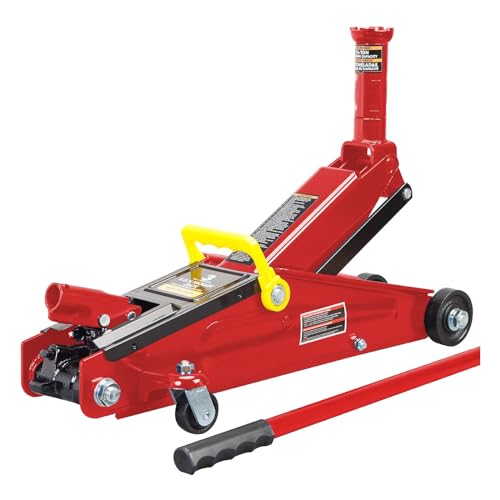
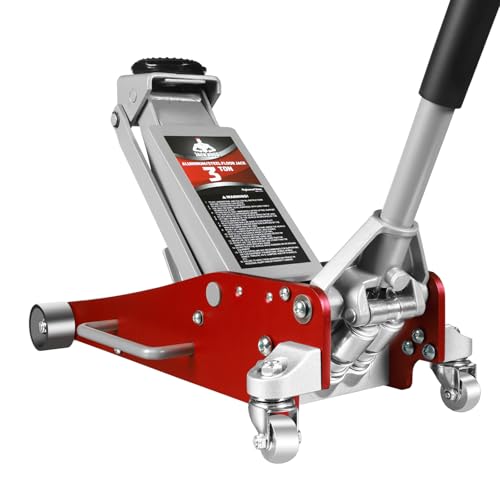
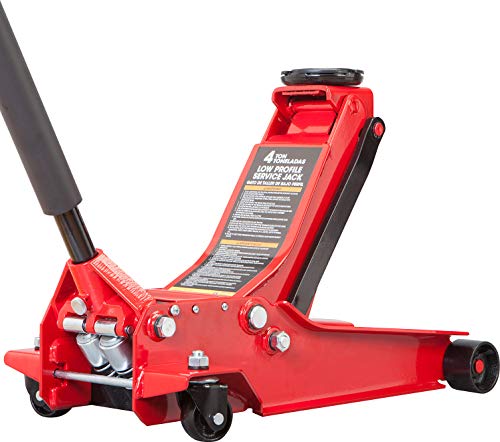
Since unbalanced tires cause uneven weight distribution, they generate vibrations that place undue stress on your vehicle’s suspension system. These vibrations lead to excessive tire wear and uneven wear patterns, accelerating deterioration of shocks and struts. Regular wheel balancing minimizes these vibrations, preserving the suspension system’s integrity and extending component lifespan. Neglecting tire balancing can trigger alignment issues, increasing repair costs and risking more severe suspension damage. Incorporating tire balancing into your vehicle maintenance routine guarantees consistent ride comfort and ideal handling. By protecting suspension components from premature wear, regular wheel balancing not only enhances your vehicle’s performance but also reduces long-term repair expenses, granting you a smoother, safer driving experience with less frequent visits to the mechanic. For any suspension work, using quality floor jacks ensures safe lifting and added protection for both your vehicle and the person performing maintenance.
 Why Balance Wheels After Changing Tires? 5 Reasons
Prevents Uneven Tire Wear and Vibrations

Although you might not notice immediately, unbalanced tires cause uneven tire wear by failing to distribute weight evenly across all wheels. Tire balancing guarantees that weight is properly allocated, preventing uneven tire wear and reducing vibrations. These vibrations, often felt as steering wheel vibrations at highway speeds, not only cause discomfort but accelerate wear and tear on your tires and vehicle components. By maintaining properly balanced tires, you extend the lifespan of your tires and promote a smooth ride. This smooth ride minimizes stress on suspension and other systems, helping you avoid costly repairs. Regular tire balancing is a precise, technical measure that safeguards your vehicle’s integrity and enhances driving safety, granting you greater freedom and confidence on the road.
Frequently Asked Questions
What Are the Advantages of Wheel Balancing?
You’ll enjoy improved performance, enhanced safety, and tire longevity with wheel balancing. It guarantees a smoother ride, fuel efficiency, vibration reduction, cost savings, better brake effectiveness, steering precision, and noise reduction—liberating your drive precisely.
What Is the Best Type of Wheel Balancing?
You might think manual techniques suffice, but dynamic balancing with digital technology outperforms static balancing, optimizing tire wear, vibration reduction, performance improvement, cost efficiency, and safety considerations—follow frequency recommendations for true liberation on the road.
Is Road Force Balancing Better Than Regular Balancing?
Road Force balancing offers superior balancing accuracy, enhancing ride comfort and vibration reduction. It improves handling stability, reduces uneven tire wear, and boosts performance. Though costlier, it’s more cost-efficient long-term by minimizing alignment impact and extending tire life.
Which Is More Important, Wheel Balancing or Alignment?
You should prioritize wheel alignment importance, as it prevents uneven tire wear effects, enhances driving safety benefits, and improves handling. Regular service frequency recommendations preserve suspension system health, reduce vibration, and optimize performance—professional service recommendations guarantee cost-effective maintenance.
 5 Best Wheel Alignment Services Near You
Final Thoughts
You can’t afford to ignore regular wheel balancing—it’s like giving your vehicle a superhero shield against premature tire wear, shaky rides, and skyrocketing fuel costs. By keeping your wheels perfectly aligned, you not only extend tire life but also safeguard your suspension and boost efficiency, saving you heaps on repairs and gas. Skipping this simple maintenance is practically inviting chaos on the road. Stay balanced, drive smarter, and keep your ride flawless every mile.
Reliable Floor Jacks on a Budget: Best Picks for Under $150
Top-Rated Floor Jacks Over $100: Built for Professionals, Priced for Smart Buyers
If you want to know other articles similar to Top Advantages of Regular Wheel Balancing you can visit the Wheel Alignment Balancing category.
How to Tell If Your Car Needs Wheel Balancing

Why Wheel Alignment Matters After Hitting a Pothole

7 Tips to Reduce Wheel Alignment Costs

How Proper Wheel Alignment Boosts Fuel Efficiency

5 Best Ways Wheel Alignment Differs From Balancing

Why Does Wheel Alignment Affect Uneven Tire Wear?

How Frequently Should You Schedule Wheel Alignment?

5 Best Wheel Alignment Services Near You
Leave a Reply
This is also interesting