











Timing Belt Vs Timing Chain: 5 Key Differences


You’ll find timing belts made of reinforced rubber and chains from metal, making chains more durable but belts quieter.
Belts need replacing every 60,000-100,000 miles, while chains often last much longer and rely on oil lubrication inside the engine.
Chains can rattle when worn; belts usually fail suddenly.
Both pose serious engine risks if neglected.
 What Tools Are Needed for Timing Belt Replacement?
Understanding these distinctions is essential for maintenance decisions and avoiding costly failures as you explore further.
Table
Main Points
- Timing belts are made of reinforced rubber and need replacement every 60,000-100,000 miles, while timing chains are metal and can last the engine's lifetime.
- Timing belts operate quietly outside the engine without lubrication; timing chains run inside, require engine oil lubrication, and may produce rattling noises.
- Timing belts are easier and less costly to replace, whereas timing chains require complex engine disassembly for maintenance or replacement.
- Timing belts have lower wear resistance and risk sudden failure, while timing chains offer superior durability but may cause performance issues if worn.
- Failure of either can cause severe engine damage, but neglected timing belts are more prone to abrupt catastrophic failure in interference engines.
Material Composition and Durability

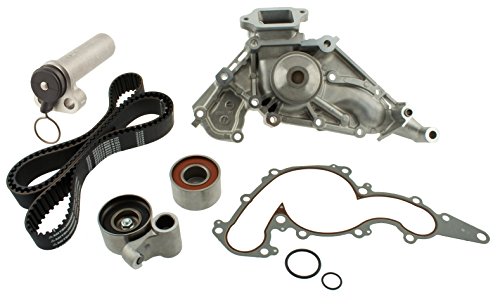
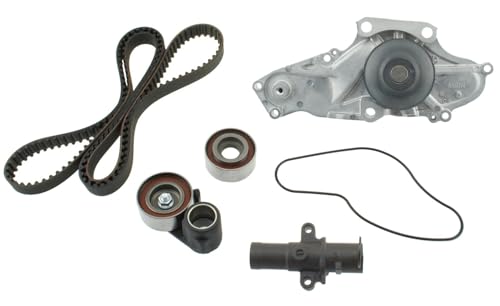
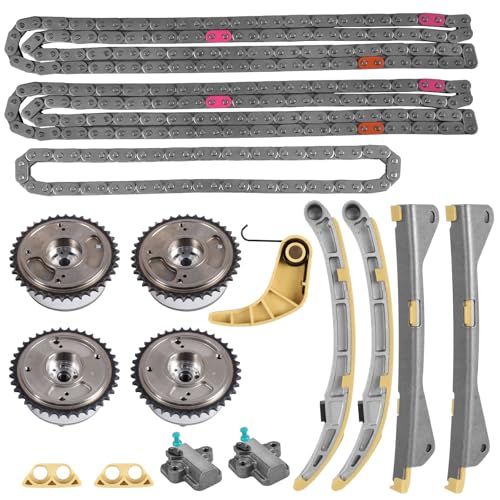
Although timing belts and timing chains serve the same function, they differ markedly in material composition and durability. You’ll find timing belts made of reinforced rubber, often embedded with Kevlar or fiberglass to enhance strength. This design offers flexibility but limits wear resistance, making timing belts vulnerable to heat, oil, and debris damage. In contrast, timing chains boast a metal construction, resembling bicycle chains, which grants them superior durability and wear resistance. Engine oil lubricates timing chains continuously, reducing friction and extending their lifespan—often lasting the entire engine life. Timing belts lack this lubrication, resulting in shorter replacement intervals, typically between 60,000 to 100,000 miles. Understanding these distinctions empowers you to choose between the flexibility of timing belts and the robustness of timing chains, aligning maintenance with your liberation from unexpected failures.
Maintenance and Replacement Intervals

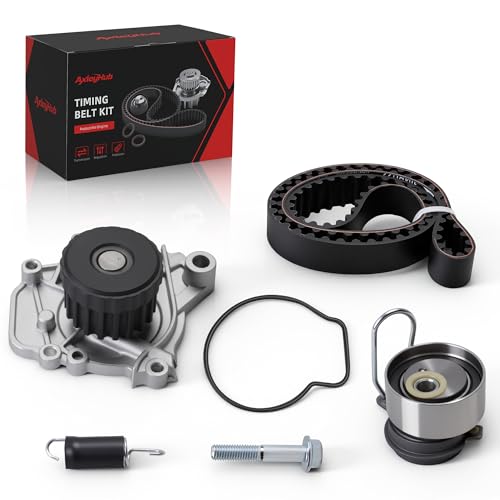
Understanding the differences in material and durability between timing belts and chains directly impacts how you approach their maintenance and replacement. Timing belts typically require replacement every 60,000 to 100,000 miles, as outlined in your owner’s manual, while timing chains often last the engine lifespan, exceeding 150,000 miles without intervention. You should follow manufacturer maintenance schedules precisely, noting the recommended replacement intervals to avoid engine damage. It’s prudent to replace the timing belt alongside the water pump to minimize labor costs and prevent complications. Vigilantly monitor for signs of wear—such as unusual noises or performance drops—to detect issues early. By adhering to these guidelines, you guarantee ideal engine function and extend its longevity, liberating yourself from unexpected failures and costly repairs.
Noise and Operational Differences

Two key materials define the operational noise differences between timing belts and chains: rubber for belts and metal for chains. You’ll notice that a timing belt operates quietly because its rubber composition dampens engine noise effectively. In contrast, a timing chain’s metal construction can generate rattling sounds, especially when wear stretches the chain or the tensioner weakens. This noise often signals operational issues, allowing you to detect timing chain wear early. Timing belts maintain a consistent noise profile until failure, making them less likely to warn you through sound. Regular maintenance, including timely tensioner inspection and oil changes, reduces noise and wear in timing chains. Conversely, timing belts are more vulnerable to environmental wear factors impacting noise, emphasizing the importance of adhering to replacement schedules for reliable engine performance.
Lubrication Requirements and Engine Integration

Lubrication plays a vital role in the performance and durability of timing components, distinctly separating timing belts from timing chains. Timing belts, made of reinforced rubber, operate outside the engine block and don’t require lubrication, making them vulnerable to environmental damage and necessitating more frequent maintenance and replacement. In contrast, timing chains consist of metal and run inside the engine, relying on engine oil for continuous lubrication. This integration not only protects the chain from wear but also allows it to withstand higher temperatures and stresses. Proper oil viscosity is essential to maintain the timing chain’s longevity and smooth operation. While timing belts offer easier access for replacement, timing chains demand more complex disassembly due to their embedded engine components, reflecting a trade-off between maintenance frequency and integration complexity.
 Recommended Timing Belt Replacement Intervals Explained
Potential Risks and Engine Damage Consequences

When a timing belt breaks, especially in interference engines, it can cause immediate and severe engine failure as pistons collide with open valves, resulting in extensive internal damage. Unlike timing belts, timing chain failures are less frequent but can still lead to catastrophic engine damage if the chain stretches or snaps, often preceded by rattling noises. Neglecting maintenance or failure to replace a timing belt within recommended intervals (60,000 to 100,000 miles) greatly raises the risk of sudden breakdowns and costly internal engine damage. Similarly, ignoring timing chain wear can trigger performance issues, backfiring, and loss of synchronization between the crankshaft and camshaft, culminating in engine failure. To avoid these risks, you must prioritize timely inspection and replace a timing component as part of rigorous maintenance to safeguard engine longevity and performance.
Frequently Asked Questions
What Is the Difference Between a Timing Belt and Timing Chain?
You’ll find timing belts require frequent replacement, lower maintenance costs initially, and quieter operation, while timing chains boast superior wear resistance, longer engine longevity, noisier performance, complex installation, and higher manufacturer recommendations for durability.
How Do I Know if My Car Has a Timing Chain or Belt?
Think of your engine like a clock; listen for unusual noises using noise detection methods. Check your owner's manual for manufacturer recommendations, compare replacement cost, and review car maintenance tips to identify timing belt lifespan or timing chain benefits in vehicle diagnostics guide.
How Do You Identify a Timing Belt?
You identify a timing belt by inspecting its teeth, tension, and alignment. Listen for timing belt noise signaling wear or failure. Regular timing belt maintenance guarantees lifespan; check for cracks or fraying to prevent costly timing belt replacement.
What Are Symptoms of a Bad Timing Chain?
Imagine a loose guitar string—your timing chain noise causes rattling sounds, engine misfires, rough idling, loss of power, oil leaks, check engine alerts, excessive vibrations, and unusual wear, signaling critical timing issues demanding your immediate attention.
 Warning Signs Your Car’s Timing Belt Is Failing
Final Thoughts
When you choose between a timing belt and a timing chain, picture the smooth pulse of your engine’s heartbeat. Belts offer quiet precision but demand regular care, while chains bring rugged endurance with a louder, metallic rhythm. Understanding their material, maintenance, and risks lets you engineer longevity and reliability. By grasping these differences, you guarantee your engine’s timing stays in perfect sync, avoiding costly damage and keeping performance sharp and steady.
Reliable Floor Jacks on a Budget: Best Picks for Under $150
Top-Rated Floor Jacks Over $100: Built for Professionals, Priced for Smart Buyers
If you want to know other articles similar to Timing Belt Vs Timing Chain: 5 Key Differences you can visit the Timing Belt Care and Replacement category.
Warning Signs Your Car’s Timing Belt Is Failing

Recommended Timing Belt Replacement Intervals Explained

What Tools Are Needed for Timing Belt Replacement?

How to Tell If Your Timing Belt Needs Replacement

Consequences of a Broken Timing Belt Explained

Why Does Timing Belt Replacement Cost Vary?

What Are the Top Shops for Timing Belt Replacement?

Why Replace Your Toyota Camry Timing Belt?
Leave a Reply
This is also interesting