












Common Indicators Your Car Suspension Needs Attention



If you notice uneven tire wear, your car pulling to one side, or excessive bouncing, your suspension likely needs attention.
Sharp nose diving during braking, steering wheel vibrations, clunking noises over bumps, fluid leaks from shocks, or an uneven vehicle stance also signal wear or damage.
These symptoms compromise handling and safety, so timely inspection and repair are essential to maintain control and performance.
Keep exploring to understand what these signs mean and how to address them.
Table
- Main Points
- Uneven Tire Wear Patterns
- Vehicle Pulling to One Side
- Excessive Bouncing or Swaying
- Nose Diving During Braking
- Noticeable Steering Wheel Vibrations
- Clunking or Knocking Noises Over Bumps
- Fluid Leaks From Shocks or Struts
- Uneven Vehicle Stance or Leaning
- Frequently Asked Questions
- Final Thoughts
Main Points
- Uneven tire wear or bald spots often indicate suspension or alignment problems that need immediate attention.
- Steering wheel vibrations while driving commonly signal worn shocks, struts, or suspension components.
- Vehicle pulling to one side or nose diving during braking suggests front suspension or shock absorber issues.
- Clunking noises or fluid leaks near shocks or struts reveal worn suspension parts requiring prompt repair.
- Excessive bouncing, swaying, or uneven vehicle stance are clear signs of weakened springs or failing shocks.
Uneven Tire Wear Patterns

When you notice uneven tire wear patterns, it often signals misalignment or worn suspension components like control arms or bushings, which disrupt even pressure distribution on your tires. Uneven tire wear manifests as bald spots, cupping, or excessive wear on one side of the tire tread, directly impacting vehicle stability. Ignoring these signs compromises your suspension system’s effectiveness and degrades your driving experience. Regularly inspecting tire tread lets you catch these issues early, enabling timely suspension adjustments or repairs that extend tire life. By addressing the root causes within your suspension components, you restore balanced tire contact, improving handling and fuel efficiency. This vigilance liberates you from avoidable breakdowns and unsafe driving conditions, ensuring your vehicle performs at its best on every journey.
Vehicle Pulling to One Side

One common sign of suspension or alignment issues is your vehicle pulling to one side during driving. This often points to front wheel misalignment, which not only causes uneven tire wear but also compromises handling. A failing suspension component, like a damaged control arm or worn bushings, can also trigger this problem, demanding immediate inspection. Ignoring your vehicle pulling to one side jeopardizes safety by increasing accident risk and impairing braking performance. To maintain control and extend suspension life, schedule regular alignment checks every 6,000 to 10,000 miles, especially after impacts with potholes or curbs. Addressing these symptoms promptly liberates you from costly repairs and unsafe driving conditions.
Excessive Bouncing or Swaying

If your car bounces excessively after bumps or sways during turns, worn shocks, struts, or suspension components may be the cause. These issues compromise handling and increase safety risks, demanding prompt attention. Understanding repair and maintenance options can help restore stability and guarantee safe driving conditions.
 Find Local Suspension and Steering Inspection Services
Causes of Excessive Bouncing
Although your vehicle’s springs absorb shocks from uneven roads, worn-out shock absorbers or struts fail to control their motion, causing excessive bouncing. This bounce results from wear and tear in the suspension system components, reducing their ability to stabilize the vehicle. When shock absorbers or struts degrade, they can’t dampen spring oscillations, making signs of suspension problems evident through rough rides and compromised vehicle handling. Ignoring these signs accelerates tire wear and suspension damage. To help you identify causes quickly, here’s a concise overview:
| Cause | Effect on Vehicle |
|---|---|
| Worn Shock Absorbers | Increased bounce, harsh ride |
| Damaged Struts | Reduced control, swaying motion |
| Spring Fatigue | Less shock absorption |
| Suspension Wear & Tear | Poor handling, uneven tire wear |
| Leaking Hydraulic Fluid | Loss of damping efficiency |
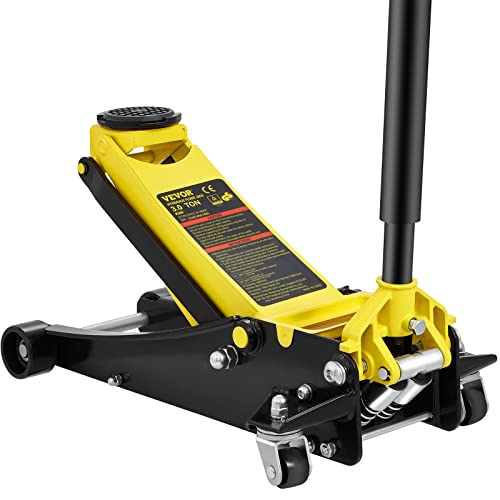
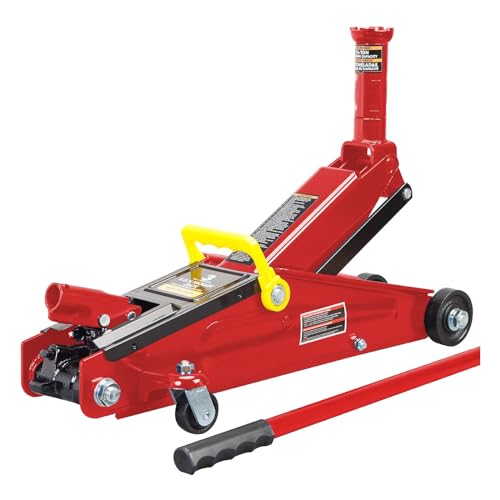
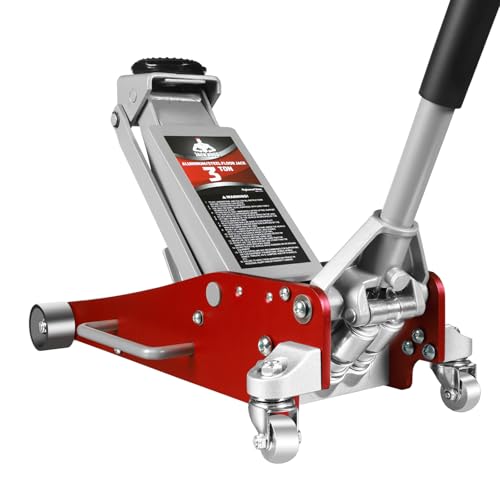
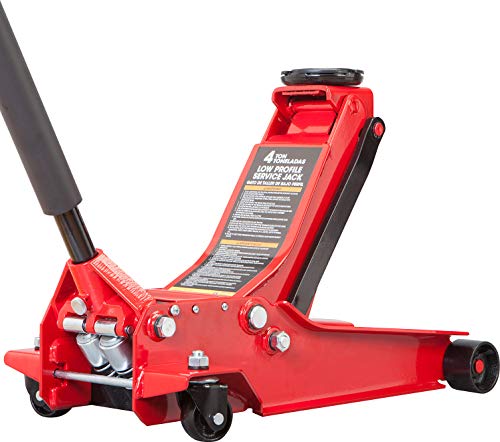
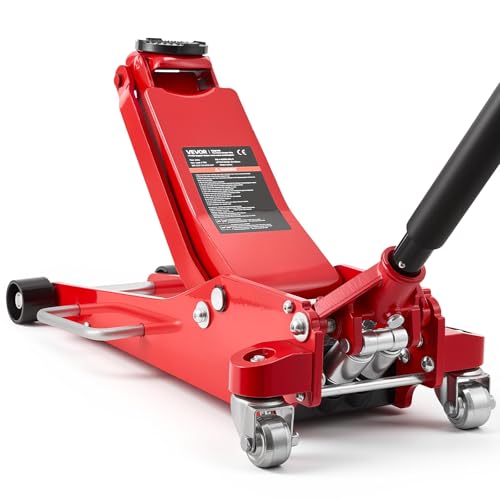
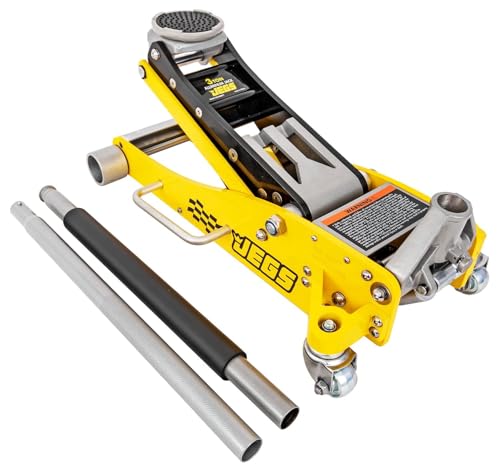
Choosing the right floor jack can also help when inspecting or repairing suspension components, ensuring both safety and ease of access.
Addressing these keeps your drive smooth and safe.
Safety Risks of Swaying
When your vehicle sways excessively during turns or bounces on uneven surfaces, it directly undermines stability and control, increasing the risk of losing grip—especially at higher speeds. Excessive swaying often signals suspension issues like worn-out shocks or struts that fail to dampen motion and keep tires firmly on the road. This instability compromises vehicle stability and elevates the potential for a safety hazard by extending stopping distances and reducing maneuverability. You’ll likely notice decreased confidence and discomfort during cornering or abrupt maneuvers, which further impacts driving safety. Regular inspections are essential to identify and address these suspension problems before they escalate. Prioritizing timely checks preserves your vehicle’s stability and safeguards your freedom on the road.
Repair and Maintenance Options
Excessive bouncing or swaying during driving signals that your suspension components require attention to maintain peak performance and safety. Recognizing signs your car’s suspension needs service is vital to preserving control and comfort. Worn shocks and struts lose their ability to dampen motion, causing instability and a rough ride. Addressing suspension issues promptly means inspecting for leaks, mechanical wear, or damaged springs. Suspension repair often involves replacing these components to restore ideal damping and handling. Regular maintenance keeps your suspension system essential for absorbing impacts and reducing excessive bouncing. By doing so, you reclaim a comfortable ride and enhance driving safety. Don’t ignore these signs; timely intervention prevents further damage and guarantees your vehicle responds reliably under all conditions. Using quality floor jacks ensures safe and stable lifting when performing suspension inspections or repairs.
Nose Diving During Braking

When you notice the front of your car sharply dipping during braking, worn shocks or struts are usually the cause. This excessive movement reduces braking efficiency and compromises your control. Addressing this issue promptly is critical to maintaining safe driving conditions.
Causes of Nose Diving
Although braking is essential for vehicle control, nose diving occurs if your shock absorbers or struts are worn out or malfunctioning, causing the front end to dip sharply. Nose dives happen because worn-out shock absorbers fail to absorb the braking force effectively, shifting excessive weight forward. This undermines braking performance and stresses suspension components, especially under heavy front loads. Over time, deteriorated shocks reduce vehicle handling precision and stability. Regular inspection is vital since suspension parts usually last between 50,000 to 100,000 miles. Ignoring these signs delays necessary replacement, worsening nose diving and compromising control. By addressing worn shock absorbers promptly, you restore balanced braking response and maintain ideal vehicle handling, freeing yourself from hazardous, unpredictable driving conditions.
Impact on Driving Safety
If your vehicle's shock absorbers or struts fail to manage braking forces properly, you'll notice nose diving during stops, which directly compromises driving safety. This occurrence is one of the common signs that indicate worn-out or malfunctioning shocks, reducing your vehicle’s braking performance and extending stopping distances. Nose diving disrupts the vehicle’s alignment and stability, especially under heavy loads, jeopardizing vehicles performance and safety. Ignoring such signs your suspension needs attention can escalate into severe safety risks and costly repairs. To guarantee your driving safety and maintain peak braking performance, have your suspension system inspected regularly. Proper suspension integrity ensures predictable vehicle response during braking, liberating you from unnecessary hazards and enhancing control every time you drive.
 7 Signs Your Car Suspension Needs Attention
Noticeable Steering Wheel Vibrations
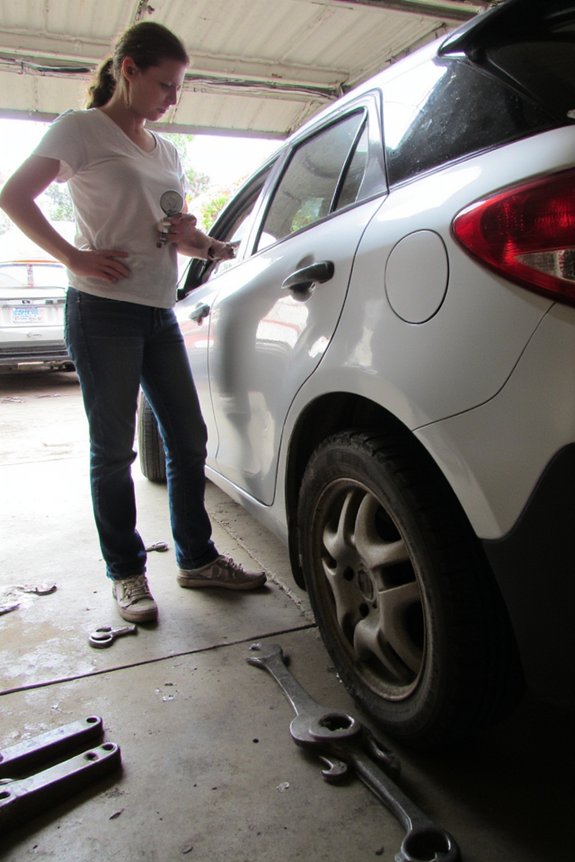
Why do you feel vibrations in your steering wheel while driving at certain speeds? These vibrations often signal suspension problems, such as worn shocks or struts that fail to stabilize your vehicle. When these components degrade, your vehicle handling suffers, making your drive less safe and less controlled. Additionally, suspension issues can cause uneven tire wear, further amplifying steering wheel vibrations. Ignoring these signs puts you at risk of more extensive damage and costly repairs. To regain control and guarantee safety, schedule a professional inspection promptly. A technician will diagnose the root cause of the vibrations, evaluating your suspension system and tires. Addressing these issues early liberates you from compromised handling and preserves your vehicle’s performance on the road.
Clunking or Knocking Noises Over Bumps
Steering wheel vibrations often hint at suspension wear, but another clear warning sign is clunking or knocking noises when you drive over bumps. These clunking sounds typically indicate worn-out components within your suspension system, such as shocks, struts, or control arms. Loose or damaged bushings can also cause increased movement, directly impairing vehicle handling and stability. Ignoring these noises compromises your vehicle’s ability to absorb shocks and maintain tire contact, risking safety and leading to more extensive damage. To maintain control and safety, schedule a thorough inspection as soon as you notice clunking. Early diagnosis lets you address necessary repairs promptly, preventing costly breakdowns and restoring your suspension system’s performance and your driving freedom. For those performing repairs at home, using car ramps for stability can make inspecting and fixing your suspension components safer and more convenient.
Fluid Leaks From Shocks or Struts
Fluid leaks from shocks or struts often appear as oily spots around suspension components, signaling compromised seals and escaping damping fluid. When you spot these fluid leaks, it means the shocks or struts can’t maintain proper fluid levels essential for effective damping. Without sufficient fluid, metal-on-metal contact accelerates wear, jeopardizing your suspension system’s integrity. A fluid pool under your vehicle after parking is a clear warning that immediate maintenance is necessary. Ignoring leaks reduces vehicle handling precision and endangers safety by increasing the risk of suspension failure. Regular inspections help you detect leaks early, letting you act before damage escalates. By promptly addressing fluid leaks from shocks or struts, you preserve your suspension system’s performance and protect your freedom on the road.
Uneven Vehicle Stance or Leaning
Noticing oily spots or fluid pools under your vehicle points to worn shocks or struts, but uneven stance or leaning reveals another set of suspension concerns. An uneven vehicle stance, where one side sits lower, often signals a failed or weakened spring within your suspension system. This compromises handling and stability, especially when carrying excessive weight that strains components further. If your vehicle consistently leans after bumps or during cornering, these are clear signs of suspension issues requiring immediate inspection. Addressing an uneven stance promptly enhances ride comfort and driving dynamics, while preventing further damage. Regular inspections let you identify spring or shock wear early, ensuring the weight of the vehicle distributes properly. Don’t ignore an uneven vehicle stance—it’s a crucial indicator your suspension needs attention to maintain safety and control.
Frequently Asked Questions
How to Tell if Your Car Needs Suspension?
You’ll notice suspension performance drops if your vehicle handling worsens, tire wear becomes uneven, or alignment issues arise. Poor ride comfort and reduced dampening effect from worn shock absorbers signal your car needs suspension service.
What Is Something That Needs to Be Checked on the Suspension?
Coincidentally, when you check suspension components like shock absorbers and strut mounts, you’ll spot alignment issues or worn suspension bushings. Monitoring tire wear improves road handling, freeing you from unexpected failures and unsafe driving conditions.
What Is the Most Common Problem in Suspension System?
You’ll find suspension wear mainly from shock absorber and strut replacement needs. Misalignment causes handling problems, while spring failure or noises call for noise diagnosis to prevent further damage and guarantee your vehicle’s freedom on the road.
What Are the Three Common Suspension Noises?
Imagine driving when creaking sounds signal bushing wear. The three common suspension noise types include creaking sounds, shock absorber sounds, and road noise. Use diagnostic methods to pinpoint strut issues and address problems efficiently.
 10 Key Items Covered in Suspension Checks
Final Thoughts
Think of your car’s suspension like the legs of a table—if one leg is uneven or weak, the whole table wobbles. When you notice uneven tire wear or your vehicle pulling to one side, it’s a clear sign your suspension needs attention. Ignoring these signs can compromise safety and handling. Stay proactive by checking for vibrations, noises, or leaks regularly to keep your ride stable, controlled, and reliable on every drive.
Reliable Floor Jacks on a Budget: Best Picks for Under $150
Top-Rated Floor Jacks Over $100: Built for Professionals, Priced for Smart Buyers
If you want to know other articles similar to Common Indicators Your Car Suspension Needs Attention you can visit the Suspension Steering Care category.
When to Schedule Your Suspension Inspection: 7 Tips
Why Regular Steering Checks Matter for Your Car
Top 3 Suspension and Steering Inspection Tips

Signs It’s Time to Replace Steering Parts

How Much Are Suspension and Steering Checks?
10 Key Items Covered in Suspension Checks

7 Signs Your Car Suspension Needs Attention
Find Local Suspension and Steering Inspection Services
Leave a Reply
This is also interesting