











When to Schedule Your Suspension Inspection: 7 Tips


You should schedule your suspension inspection if you notice your vehicle dipping during braking, bouncing after bumps, or hear unusual noises.
Keep an eye on uneven tire wear, like bald spots or cupping, which signal suspension issues.
Always inspect after driving on rough roads or following any accident, no matter how minor.
Stick to your manufacturer’s recommended schedule, typically yearly or every 50,000 miles, and have a professional diagnose hidden problems to maintain safety and performance.
Explore further guidance to optimize your suspension care.
Table
- Main Points
- Recognize Unusual Vehicle Behavior
- Monitor Tire Wear Patterns
- Check After Driving on Rough Roads
- Inspect Following an Accident
- Follow Manufacturer’s Recommended Schedule
- Assess Suspension Components During Regular Maintenance
- Consult a Professional for Diagnostic Evaluation
- Frequently Asked Questions
- Final Thoughts
Main Points
- Schedule an inspection yearly or every 50,000 miles as recommended in your vehicle’s owner manual.
- Inspect immediately after driving on rough roads to check for accelerated suspension wear or damage.
- Get a suspension check after any accident, even minor, to detect hidden damage or misalignment.
- Monitor for signs like vehicle nose diving, unusual noises, or visible fluid leaks and schedule an inspection promptly.
- Regularly rotate tires and inspect for uneven wear patterns indicating suspension or alignment issues needing attention.
Recognize Unusual Vehicle Behavior

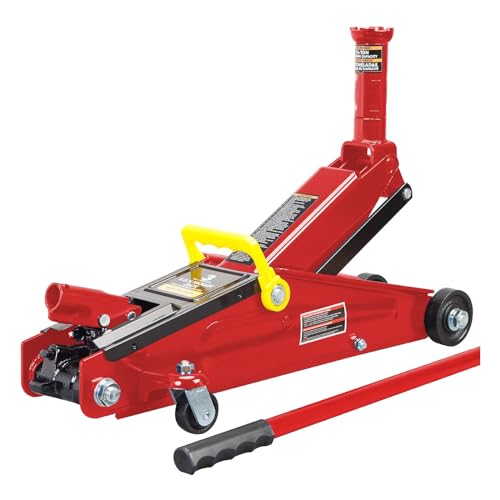
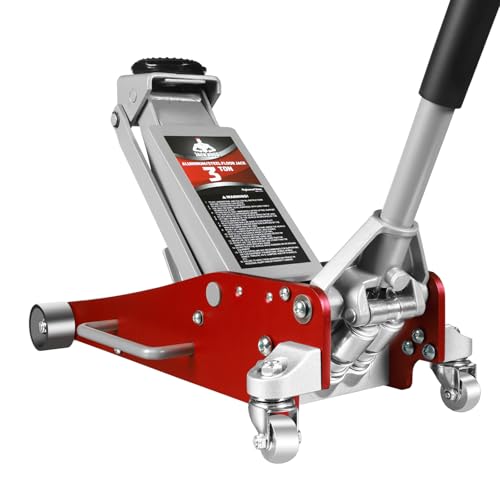
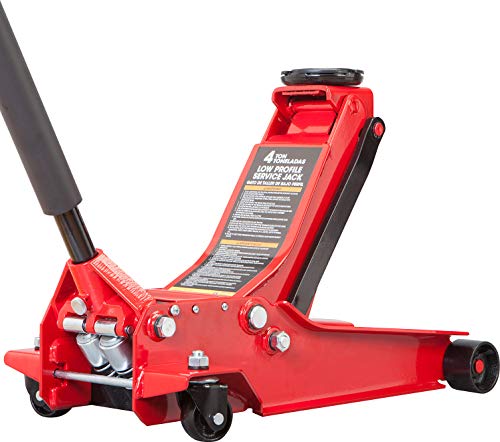
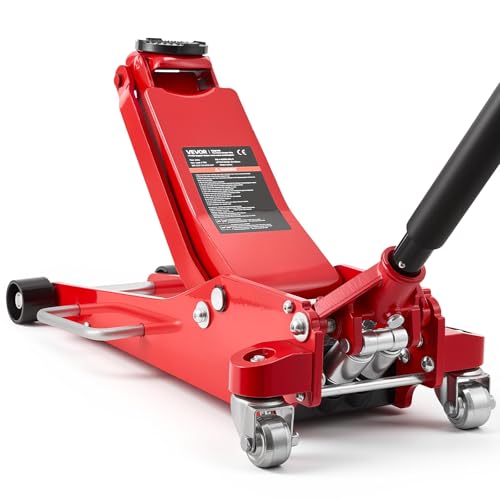
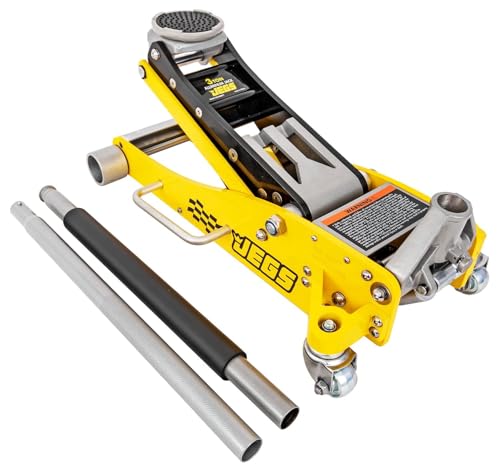
When you notice your vehicle dipping or "nose diving" during braking, it's a clear sign that your shocks may be worn and need immediate inspection to maintain safety. Such behavior indicates compromised shock absorbers, essential suspension components that control vehicle stability. You should also be alert to continued bouncing after bumps, which signals damaged shocks or leaf springs requiring prompt attention. A visible lowering in one corner suggests suspension failure, demanding an immediate assessment of tire inflation and suspension integrity. Regularly scheduling a yearly inspection helps identify these issues early, preventing hazardous driving conditions. Recognizing these unusual vehicle behaviors empowers you to maintain control, enhance safety, and liberate yourself from unexpected suspension failures on the road. Using quality floor jacks is crucial when inspecting or repairing suspension parts, as they provide safe lifting and stability during maintenance.
Monitor Tire Wear Patterns

Although tire wear might seem like a routine maintenance issue, uneven patterns can reveal critical suspension or alignment problems that require your immediate attention. Monitoring tire wear patterns lets you identify issues early, preventing unsafe driving conditions. Check for bald spots, cupping, or scalloping—these signs often point to worn suspension components needing prompt suspension inspection. Rotate your tires every 5,000 to 7,500 miles to promote even wear and detect subtle problems.
| Tire Wear Pattern | Possible Cause | Recommended Action |
|---|---|---|
| Bald spots | Suspension malfunction | Schedule suspension inspection |
| Cupping/scalloping | Worn suspension components | Immediate suspension inspection |
| Uneven wear | Alignment or suspension issue | Check alignment, inspect suspension |
Stay vigilant—uneven wear compromises safety and signals freedom from neglect.
Check After Driving on Rough Roads

After driving on rough roads, you should schedule a suspension inspection to assess potential damage from increased stress on components. These conditions often require more frequent checks to catch misalignment or wear early. Staying proactive helps maintain vehicle stability and prevents costly repairs.
Rough Road Impact
Because rough roads subject your vehicle’s suspension to increased stress, you should schedule an inspection promptly after driving on such terrain. The shocks and struts endure amplified strain from potholes, gravel, and uneven surfaces, accelerating wear and risking component failure. When your suspension is checked after encountering these conditions, technicians can identify damage or misalignment early, preventing escalation. You might notice a rough ride or unusual noises indicating compromised suspension integrity. Addressing these signs quickly preserves your vehicle’s handling and safety, ensuring it performs efficiently. Regularly verifying your suspension after rough road exposure liberates you from unexpected breakdowns and costly repairs, maintaining control and confidence on every drive. Don’t let rough terrain undermine your vehicle’s reliability—schedule inspections promptly.
 Common Indicators Your Car Suspension Needs Attention
Increased Inspection Frequency
Frequent exposure to rough roads demands more regular suspension inspections to detect accelerated wear and potential damage. When you drive on uneven terrain, potholes, or gravel, your suspension components endure constant stress, which can degrade their performance and compromise vehicle safety. To maintain peak function and avoid costly repairs, schedule suspension inspections every six months or immediately after any significant jolts during your drive.
Consider these key moments for increased inspection frequency:
- After driving on rough roads or off-road trails to check for misalignment or damage
- Following noticeable impacts or vibrations that may indicate suspension stress
- When you experience changes in handling or ride comfort, signaling potential component wear
Regular suspension inspections guarantee your vehicle remains safe, responsive, and comfortable on all terrains.
Inspect Following an Accident

One essential step you should never skip is scheduling a suspension inspection immediately following any accident, no matter how minor it seems. Even slight impacts can cause misalignment or damage to critical suspension components, compromising vehicle safety and stability. By conducting a thorough suspension inspection after an accident, you guarantee that all hidden issues are identified and addressed promptly. Neglecting this step risks unsafe driving conditions and may lead to costly long-term damage. Integrate suspension checks into your overall post-accident repair process to catch problems early and maintain control over your vehicle’s performance. Prioritizing timely inspections not only safeguards your freedom on the road but also protects your investment by preventing further deterioration or failure of suspension elements.
Follow Manufacturer’s Recommended Schedule

While your driving habits and road conditions influence suspension wear, you should always follow the manufacturer’s recommended inspection schedule outlined in your vehicle’s owner manual. This schedule typically advises suspension inspections at least once a year or every 50,000 miles to guarantee safety and ideal performance. Adhering to the schedule helps you detect potential issues early, avoiding costly repairs and preserving your vehicle’s warranty. Keep in mind, harsher conditions may require more frequent inspections.
Follow your vehicle’s inspection schedule—typically yearly or every 50,000 miles—to ensure suspension safety and performance.
Key reasons to follow the manufacturer’s suspension inspection schedule:
- Guarantees early detection of wear or damage
- Maintains vehicle handling, comfort, and safety
- Preserves warranty coverage by complying with inspection intervals
Trust the manufacturer’s schedule to liberate you from unexpected suspension failures.
Assess Suspension Components During Regular Maintenance
During your regular maintenance, inspect bushings and joints for wear or damage to prevent suspension failure. Examine shocks and struts closely for any hydraulic fluid leaks, which indicate they need replacement. Keeping these components in check helps maintain ride quality and vehicle safety.
Inspect Bushings and Joints
A thorough inspection of bushings and joints at every oil change helps you catch early signs of wear that might compromise your suspension’s stability and comfort. To maintain peak vehicle performance, you should inspect bushings and joints regularly during car maintenance. Schedule your service at least once a year or more frequently if you drive under harsher conditions. Checking these components prevents suspension misalignment and uneven tire wear, enhancing handling and safety. Look for visible damage, cracks, or excessive play, as these indicate the need for replacement.
Key inspection points include:
 Find Local Suspension and Steering Inspection Services
- Bushings’ rubber integrity and signs of cracking
- Ball joints for looseness or excessive movement
- Control arm joints for wear or damage
Regular checks free your ride from unexpected issues and keep your suspension system reliable.
Examine Shocks and Struts
You should inspect shocks and struts at least once a year to detect leaks, physical damage, or unusual noises that indicate wear. Regularly check the suspension by examining shocks or struts for hydraulic fluid leaks; these leaks signal impending failure and compromise safety. Also, listen for abnormal sounds during driving, as they often reveal worn components. Physically inspect shocks or struts for dents, corrosion, or other damage to guarantee peak function. If you drive frequently on rough terrain or use your vehicle heavily, increase inspection frequency. Timely replacement of worn shocks or struts not only improves ride comfort but also prevents further suspension damage. By routinely evaluating these components, you keep your vehicles safe, reliable, and free from avoidable suspension issues.
Consult a Professional for Diagnostic Evaluation
Although some suspension issues might seem minor, consulting a professional for a diagnostic evaluation guarantees that hidden problems are accurately detected and addressed before they worsen. When you consult a professional, they use specialized diagnostic tools to assess your suspension and steering components beyond what a visual inspection reveals. This thorough diagnostic evaluation helps identify wear patterns or misalignments that could compromise safety and performance.
Professional diagnostics uncover hidden suspension issues before they escalate, ensuring vehicle safety and optimal performance.
Key benefits of professional diagnostic evaluation include:
- Precise identification of suspension and steering component faults invisible to the untrained eye.
- Early detection of tire wear patterns signaling suspension misalignment or failure.
- Customized maintenance recommendations tailored to your vehicle’s usage and condition.
Frequently Asked Questions
When Should I Get My Suspension Checked?
You should get your suspension checked when signs of failure appear, like unusual vibrations or noises. Use an inspection checklist regularly to maintain suspension longevity, ensuring your vehicle’s stability and performance remain uncompromised for your freedom on the road.
How Often Should Suspension Be Inspected?
You should schedule a suspension inspection at least once a year or every 50,000 miles, as suspension wear can cause safety hazards. Watch for signs of deterioration, and maintain inspection frequency to keep your vehicle stable and secure.
How Much Should a Suspension Inspection Cost?
You should expect suspension inspection costs between $50 and $100, with repair costs varying by labor rates. Maintain inspection frequency regularly, following maintenance tips, to avoid costly repairs and guarantee your vehicle’s peak performance and safety.
How Often Should Suspension Components Be Inspected?
Think of suspension wear like a clock ticking quietly; ignoring inspection signs is like missing its chime. You should inspect suspension components yearly, or sooner with rough use, following maintenance tips to avoid costly damage and stay free.
Final Thoughts
You might not notice suspension issues until unusual vehicle behavior contrasts sharply with your smooth driving expectations. While tire wear and rough roads quietly signal trouble, ignoring them risks costly damage. Scheduling inspections after accidents or during regular maintenance guarantees your suspension performs at its best. Balancing manufacturer guidelines with professional diagnostics keeps your vehicle safe and efficient. Don’t wait for problems to escalate—proactive inspection is the key to maintaining control and comfort on every drive.
 7 Signs Your Car Suspension Needs Attention
Reliable Floor Jacks on a Budget: Best Picks for Under $150
Top-Rated Floor Jacks Over $100: Built for Professionals, Priced for Smart Buyers
If you want to know other articles similar to When to Schedule Your Suspension Inspection: 7 Tips you can visit the Suspension Steering Care category.
Common Indicators Your Car Suspension Needs Attention

Why Regular Steering Checks Matter for Your Car

Top 3 Suspension and Steering Inspection Tips

Signs It’s Time to Replace Steering Parts

How Much Are Suspension and Steering Checks?

10 Key Items Covered in Suspension Checks

7 Signs Your Car Suspension Needs Attention

Find Local Suspension and Steering Inspection Services
Leave a Reply
This is also interesting