











Why Regular Steering Checks Matter for Your Car


You should perform regular steering checks to maintain precise vehicle control and avoid safety risks like sudden steering failure or skidding. Inspections catch worn components, fluid leaks, and misalignment early, preventing costly repairs and uneven tire wear. Steering issues reduce responsiveness and increase driver fatigue, compromising performance. Keeping your system in top condition guarantees smooth handling and extends tire life. Understanding these factors helps you protect your car’s safety and driving quality.
Table
- Main Points
- The Role of Steering in Vehicle Safety
- Common Signs of Steering System Wear
- How Steering Issues Affect Driving Performance
- The Impact of Steering Problems on Tire Wear
- Preventing Steering Failures Through Regular Checks
- Benefits of Professional Steering Inspections
- Maintaining Steering System Components for Longevity
- Frequently Asked Questions
- Final Thoughts
Main Points
- Regular steering checks ensure safe vehicle control and prevent sudden steering failures during emergency maneuvers.
- Identifying worn components early prevents excessive play, vibrations, and unusual noises that affect steering responsiveness.
- Proper maintenance reduces uneven tire wear, extending tire lifespan and saving costly replacements.
- Monitoring power steering fluid and alignment maintains smooth, precise steering and reduces driver fatigue.
- Professional inspections detect hidden issues, enhancing safety, handling accuracy, and overall driving comfort.
The Role of Steering in Vehicle Safety

Because your steering system directly controls your vehicle's direction, its proper function is essential for safe navigation and effective response to road conditions. Maintaining precise steering control guarantees vehicle stability, especially during sudden maneuvers or emergency braking. Through regular inspections, you can identify potential issues in critical components like tie rods and ball joints, which directly influence steering responsiveness. Neglecting preventative maintenance increases safety hazards, including the risk of skidding or loss of control. Confirming proper alignment and timely repairs preserves handling accuracy, boosting your confidence behind the wheel. By prioritizing steering system checks, you actively reduce accident risks and uphold safety standards, liberating yourself from the dangers of compromised control and reinforcing your command over the vehicle’s path.
Common Signs of Steering System Wear

You should check for excess play in the steering wheel, as it often signals worn tie rods or ball joints that affect control. Also, inspect around the steering components for any fluid leaks, which can indicate a failing power steering system. Catching these signs early helps maintain precise steering and overall vehicle safety.
Identifying Steering Wheel Play
Two inches is generally the maximum acceptable amount of play in your steering wheel before it signals worn components like tie rods or ball joints. Identifying steering wheel play is essential for maintaining vehicle stability, safety, and performance. Regular inspections help you catch early signs of wear in steering components, preventing costly repairs.
Watch for these common indicators of steering wheel play:
- Excessive looseness or free movement in the steering wheel beyond two inches.
- Steering wheel vibrations or unusual noises during turns.
- Uneven tire wear caused by compromised steering control.
Ignoring these steering issues can jeopardize your control and lead to uneven tire wear, reducing your car’s stability. Keep steering wheel play in check to safeguard your freedom on the road.
Detecting Steering Fluid Leaks
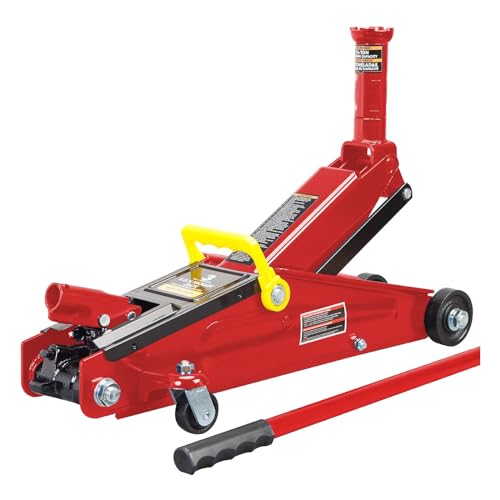
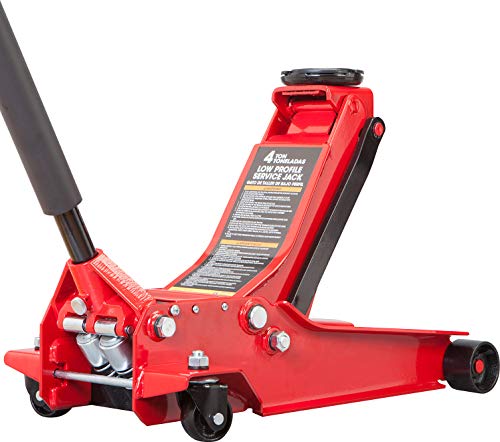
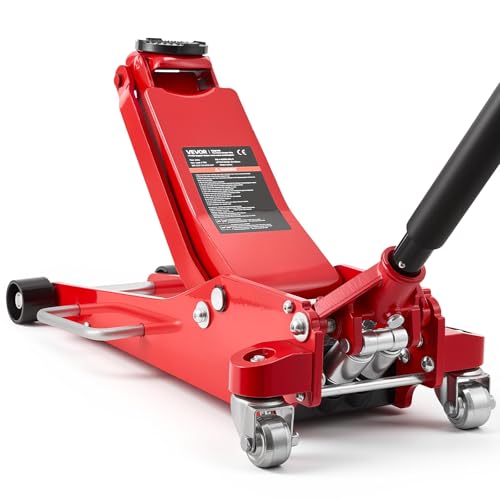
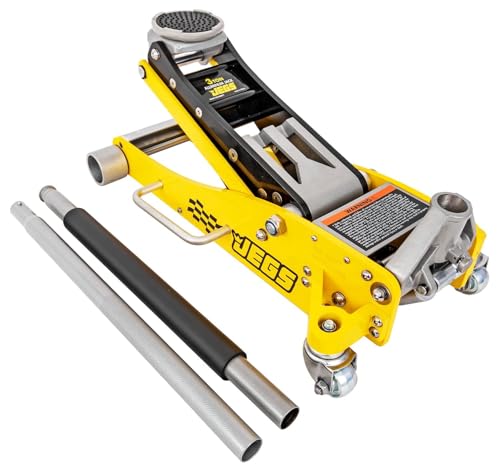
How can you tell if your vehicle’s steering system is leaking fluid? Look for visible puddles under the car or a whining noise when turning the wheel—these warning signs often indicate steering fluid leaks. Regular inspections help you identify issues early by checking for dampness around the power steering pump or steering rack, which signals worn seals or hoses. Low power steering fluid levels reduce steering responsiveness and increase effort, compromising suspension components and your control. Prioritizing maintenance and monitoring fluid levels guarantees superior performance and vehicle safety. By addressing leaks promptly, you prevent costly repairs and potential steering failure, preserving your vehicle’s freedom and reliability. Stay vigilant—regular checks are essential for liberation from unexpected breakdowns and unsafe driving conditions. If you need to lift your vehicle for a closer inspection, consider using a hydraulic trolley floor jack for safe and efficient access to the undercarriage.
 When to Schedule Your Suspension Inspection: 7 Tips
How Steering Issues Affect Driving Performance

When your steering system loses responsiveness, you’ll notice delayed reactions that compromise precise control. Increased steering effort can cause fatigue, reducing your ability to maintain focus during longer drives. These issues not only affect handling but also elevate safety risks by limiting your ability to react quickly in critical situations.
Reduced Steering Responsiveness
Why does your steering feel sluggish or unresponsive during critical maneuvers? Reduced steering responsiveness often stems from underlying steering issues that impair your control and compromise safety. Key factors include:
- Component wear in the suspension and steering systems, such as worn tie rods or ball joints, introduces excess play, delaying vehicle response.
- Poor alignment caused by deteriorated suspension parts causes your vehicle to pull to one side, diminishing steering precision.
- Fluid leaks in the power steering system reduce fluid levels, impairing feedback and making steering feel heavy and unresponsive.
Regular inspections help detect these problems early, ensuring ideal steering responsiveness. Addressing fluid leaks, alignment, and component wear enhances your driving performance and safeguards your liberation on the road. Prioritize steering checks to maintain control and safety.
Increased Steering Effort
Although increased steering effort may seem like a minor inconvenience, it often signals low power steering fluid levels or worn components that directly impact your vehicle’s maneuverability and driving comfort. When power steering fluid leaks occur, the system loses hydraulic assistance, making turns harder and increasing driver fatigue. Worn steering components like the steering rack, tie rods, or ball joints introduce friction, requiring more physical effort to maintain responsive steering. Regular maintenance and inspections help identify early signs of wear and tear, preventing progressive damage that compromises your vehicle running smoothly. Addressing increased steering effort promptly guarantees your steering system operates efficiently, preserving driving ease and control. Don’t ignore these symptoms—consistent checks safeguard your freedom on the road by keeping steering precise and effort minimal.
Safety Risks and Hazards
Since steering components directly influence your vehicle's responsiveness, any wear or looseness can severely compromise your control, increasing accident risks during critical maneuvers. Poor steering due to premature wear or suspension issues affects vehicle stability and raises safety risks. Regular inspections help catch fluid leaks and worn parts before they cause steering failure. Consider these critical hazards:
- Excessive play or stiffness in the steering wheel reduces precision, delaying your reaction time in emergencies.
- Sudden vehicle veering from malfunctioning steering components can lead to collisions with obstacles or other vehicles.
- Misalignment and worn parts cause uneven tire wear, increasing the likelihood of skidding under adverse conditions.
Stay vigilant with your steering system to maintain control and liberate yourself from hidden dangers on the road.
The Impact of Steering Problems on Tire Wear

When your steering system is misaligned, it causes uneven tire wear that shortens the lifespan of your tires and drives up maintenance costs. Misaligned wheels force your vehicle to pull to one side, wearing down the tire edges unevenly. Worn steering components like tie rods and ball joints worsen handling, accelerating inconsistent tire wear patterns. Regular vehicle steering inspections identify these issues early, allowing you to address minor issues before they escalate. By promptly correcting alignment problems and maintaining steering components, you prevent excessive tire wear and maintain peak performance. This proactive approach not only extends tire life but also saves you $400 to $800 on premature replacements, empowering you to keep your vehicle running efficiently and economically.
Preventing Steering Failures Through Regular Checks

Regular steering checks identify worn components like tie rods and ball joints before they cause failures, ensuring your vehicle remains responsive and safe. By embracing regular maintenance, you prevent unexpected breakdowns and costly repairs. Steering inspections also detect power steering fluid leaks early, maintaining system efficiency and steering stability. Prioritize these three actions:
 Common Indicators Your Car Suspension Needs Attention
- Inspect and replace worn components promptly to avoid steering failures.
- Monitor power steering fluid levels to prevent malfunctions.
- Verify proper wheel alignment during checks to reduce tire wear and enhance control.
Addressing minor steering issues during routine checks liberates you from sudden malfunctions and unsafe driving conditions. Consistent steering inspections empower you to maintain peak vehicle performance and safety, keeping your driving experience smooth and reliable.
Benefits of Professional Steering Inspections
Taking steering maintenance a step further, professional inspections offer a level of expertise that uncovers issues you might miss during routine checks. ASE Certified technicians identify wear in critical components like tie rods and ball joints, ensuring steering becomes responsive and safe. Inspections can help detect power steering fluid leaks early, preventing costly repairs and maintaining smooth operation. Addressing subtle issues such as vibrations or noises enhances driving comfort and prevents alignment problems that cause uneven tire wear. The importance of regular professional steering inspections lies in their ability to prevent sudden steering failures, greatly improving your vehicle’s safety. By entrusting these checks to experts, you take proactive control over your vehicle’s steering system, securing reliability and freedom on the road.
Maintaining Steering System Components for Longevity
Although steering system components endure constant stress, you can greatly extend their lifespan through diligent maintenance. Regular Steering Inspections enable you to spot wear in critical parts like tie rods and ball joints before they compromise safety. To maintain your steering system and extend the life of its components, focus on these key actions:
- Monitor and maintain proper power steering fluid levels to prevent fluid leaks and avoid damage to the power steering pump.
- Address misalignment promptly to reduce uneven tire wear and enhance overall vehicle performance.
- Conduct routine checks on the steering rack and linkage to guarantee responsiveness and prevent excessive play.
Frequently Asked Questions
Does It Matter What Power Steering You Use?
You need the correct power steering fluid for hydraulic steering systems to avoid steering component wear and noise issues. Electric steering advantages and aftermarket steering options offer upgrades, but always follow steering maintenance tips and respect steering fluid types.
How Often Should You Check Your Steering?
You probably don’t want to check your steering fluid or steering components only when steering noise annoys you. Instead, inspect your steering wheel, power steering, and steering ratio every year or 20,000 km to keep steering responsiveness at its best.
Can Alignment Cause Power Steering Problems?
Yes, alignment effects can degrade steering responsiveness, increase tire wear, and worsen vehicle handling. Misalignment stresses suspension and power steering types, causing steering fluid leaks. Follow alignment frequency and maintenance tips to avoid suspension issues and preserve steering integrity.
Why Is the Steering System Important?
Your steering system functions like the captain of a ship, guiding your car precisely. You must monitor steering fluid maintenance, steering wheel play, and steering response issues, ensuring proper steering wheel alignment, column repairs, rack inspection, and power steering types for upgrades.
Final Thoughts
Remember, “a stitch in time saves nine.” Regular steering checks keep your vehicle safe and performing at its best by identifying wear early, preventing costly repairs, and reducing uneven tire wear. By maintaining steering components and scheduling professional inspections, you guarantee precise control and extend your car’s lifespan. Don’t wait for problems to escalate—proactive care safeguards both your safety and your investment on the road.
 Find Local Suspension and Steering Inspection Services
Reliable Floor Jacks on a Budget: Best Picks for Under $150
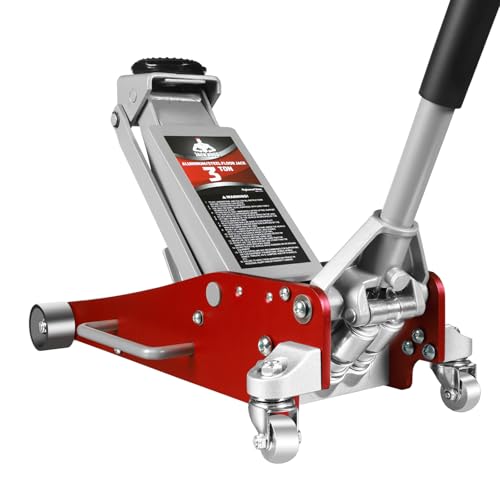
Top-Rated Floor Jacks Over $100: Built for Professionals, Priced for Smart Buyers
If you want to know other articles similar to Why Regular Steering Checks Matter for Your Car you can visit the Suspension Steering Care category.
Common Indicators Your Car Suspension Needs Attention

When to Schedule Your Suspension Inspection: 7 Tips

Top 3 Suspension and Steering Inspection Tips

Signs It’s Time to Replace Steering Parts

How Much Are Suspension and Steering Checks?

10 Key Items Covered in Suspension Checks

7 Signs Your Car Suspension Needs Attention

Find Local Suspension and Steering Inspection Services
Leave a Reply
This is also interesting