
































10 Best Car Battery Checks for Winter Maintenance


To prepare your car battery for winter, inspect terminals for corrosion and clean them properly.
Test battery voltage with a multimeter, aiming for 12.6 volts or higher.
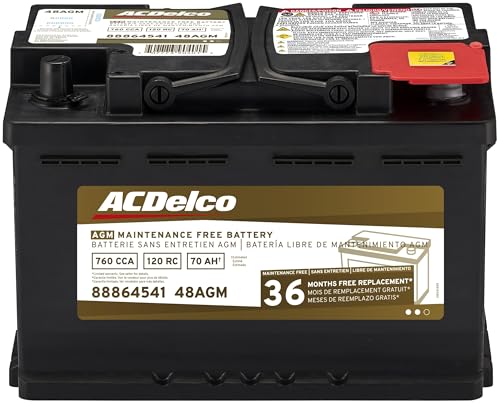
Check battery age and replace if over five years or showing signs of wear.
Confirm the battery is securely mounted and cables are intact.
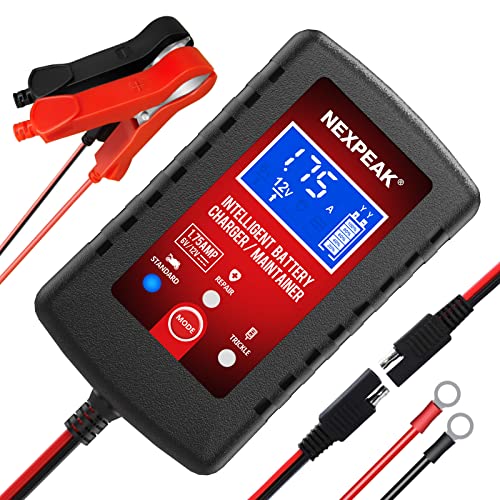
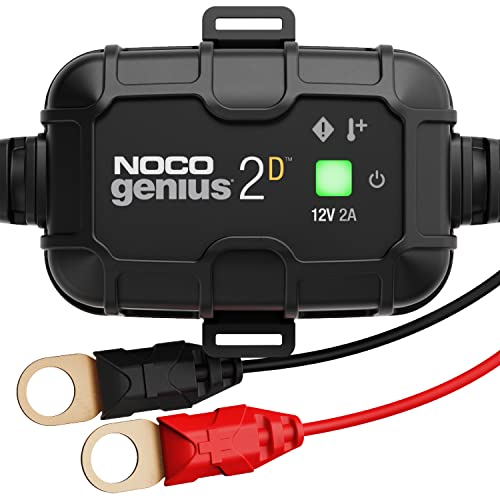
Use a trickle charger during long winter parking and avoid short trips that drain charge.
Limit electrical accessory use on startup, and schedule professional system checks.
Exploring these steps can help you optimize winter battery reliability.
Table
- Main Points
- Inspect Battery Terminals for Corrosion
- Test Battery Voltage With a Multimeter
- Check Battery Age and Replace if Necessary
- Ensure Battery Is Securely Mounted
- Clean Battery Terminals and Cable Ends
- Examine Battery Cables for Wear and Corrosion
- Use a Trickle Charger During Extended Parking
- Avoid Short Trips to Maintain Battery Charge
- Limit Use of Electrical Accessories on Startup
- Schedule Professional Battery and Charging System Check
- Frequently Asked Questions
- Final Thoughts
Main Points
- Inspect and clean battery terminals for corrosion and apply petroleum jelly to prevent moisture buildup during winter.
- Test battery voltage with a multimeter; healthy batteries read around 12.6 volts, below 12.4 volts needs attention.
- Ensure the battery is securely mounted to minimize vibrations and potential internal damage in cold conditions.
- Use a trickle charger when the vehicle is parked for extended periods to maintain battery charge in freezing temperatures.
- Limit electrical accessory use during startup and let the engine idle briefly to conserve battery power in cold weather.
Inspect Battery Terminals for Corrosion

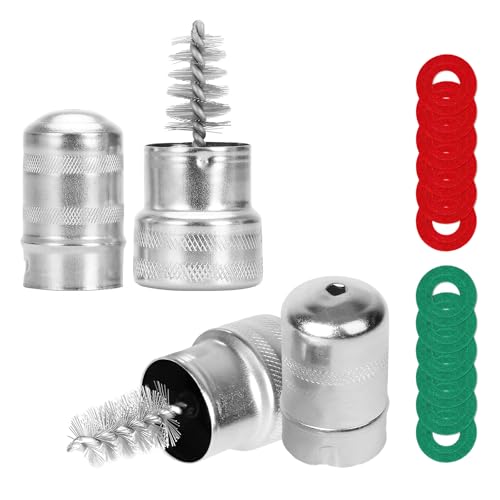
One key step to prepare your car battery for winter is inspecting the terminals for corrosion. You need to inspect battery terminals regularly, looking for white, ashy deposits that signal corrosion. Corrosion obstructs electrical flow, which is critical as battery performance naturally declines in cold weather. If you find corrosion, clean the terminals using a baking soda and water mixture; it neutralizes acid and restores conductivity efficiently. After cleaning, confirm terminals are tightly connected to prevent power loss caused by loose contacts. Finally, apply a thin layer of petroleum jelly on the terminals to seal out moisture and inhibit future corrosion. By maintaining clean, secure terminals, you’ll maximize battery performance and reliability throughout harsh winter conditions, giving you freedom from unexpected starting failures.
Test Battery Voltage With a Multimeter

Before winter sets in, you should test your car battery voltage with a multimeter to confirm reliable starting power. Set your multimeter to a DC voltage range of 15-20V. Place the red probe on the positive terminal and the black probe on the negative terminal, assuring solid contact. A healthy battery should read around 12.6 volts or higher with the vehicle off. If it reads below 12.4 volts, your battery needs charging or replacement. Perform battery checks under load by turning on headlights and heater; voltage dropping below 10.5 volts signals a weak battery. Regularly test battery voltage to confirm your battery maintains sufficient charge, especially in cold temperatures when power demand spikes. This precise step helps you avoid unexpected failures and keeps your vehicle liberated from winter setbacks. For even more accurate results and in-depth diagnostics, consider using a FOXWELL BT705 Car Battery Tester to unleash the full potential of your car battery checks.
Check Battery Age and Replace if Necessary

Car batteries generally last between three and five years, so checking your battery's age is crucial to guarantee dependable performance during winter. If your battery is over three years old, perform battery testing to evaluate its voltage and overall health. A fully charged, healthy battery should read about 12.6 volts; readings below 12.4 volts indicate diminished capacity. Additionally, inspect for physical wear like terminal corrosion or a bloated case, which are signs you should replace if necessary. Regular maintenance, including age checks and timely replacement, guarantees reliable starts in cold weather conditions, minimizing the risk of breakdowns. By proactively checking your battery’s age and condition, you empower yourself to maintain vehicle reliability and stay liberated from winter-related disruptions. For those seeking advanced diagnostics, consider using a car battery tester like the ZKH Car Battery Tester for reliable performance evaluations.
Ensure Battery Is Securely Mounted

Make sure your battery hold-down clamp is tight and secure to prevent movement during operation. Inspect the mounting brackets and battery tray for corrosion or damage that could compromise stability. Keeping the battery firmly mounted reduces vibrations that can cause internal damage and poor electrical connections, especially in cold weather. For added assurance, consider using a car battery tester to check your battery’s health as part of your winter maintenance routine.
 Why Replace Your Car Battery Yourself?
Check Battery Hold-Down
Although often overlooked, checking the battery hold-down is essential to guarantee your battery stays securely mounted. A poorly secured battery can cause vibrations that lead to internal damage and affect cold-weather starts. To assure peak performance, you must:
- Check your battery hold-down clamp or bracket for tightness and proper fit.
- Inspect battery hold-down components for wear or corrosion that could compromise stability.
- Confirm the battery terminals remain firmly connected, avoiding disconnection during operation.
A secure battery hold-down minimizes movement that can loosen battery terminals and cause electrical issues. By maintaining a solid hold-down, you protect your battery from damage and assure reliable engine starts, even in harsh winter conditions. Regularly verifying this simple yet critical component liberates you from unexpected winter failures.
Inspect Mounting Brackets
One critical step in winter battery maintenance is inspecting the mounting brackets to guarantee your battery stays securely in place. You need to regularly inspect mounting brackets for wear, corrosion, or rust that could undermine secure installation. A properly secured battery prevents movement that risks damaging terminals or causing short circuits during cold weather driving. If the battery shifts, it compromises electrical contact, leading to starting issues and reduced battery performance. Always use the correct brackets and fasteners specified for your vehicle’s battery to maintain stability. Confirm the battery sits firmly in its tray, eliminating any chance of movement. By ensuring a secure installation, you protect your battery’s integrity and enhance reliability in harsh winter conditions.
Prevent Vibrations Damage
Since vibrations can cause internal damage and reduce battery performance, especially in cold weather, you need to guarantee your battery is securely mounted. A stable battery minimizes vibrations that degrade its internal structure and shorten lifespan, essential for winter reliability. To secure your battery effectively:
- Use appropriate hold-down clamps to prevent movement during driving, which wears terminals and cables.
- Regularly inspect mounts and brackets for corrosion or wear that can loosen the battery.
- Replace any weakened supports promptly to maintain stability and peak performance.
Clean Battery Terminals and Cable Ends

You should remove corrosion from battery terminals using a baking soda and water paste to neutralize acid buildup safely. Always disconnect the negative terminal first to prevent electrical shorts during cleaning. After drying, apply a protective coating like petroleum jelly to seal out moisture and inhibit future corrosion.
Remove Corrosion Safely
Although corrosion buildup on battery terminals may seem minor, it can greatly impair your vehicle's electrical system during winter. To maintain peak electrical performance and battery health throughout the winter months, follow these steps when cleaning battery terminals:
- Disconnect the battery, starting with the negative terminal, to prevent electrical shorts.
- Apply a baking soda and water paste to neutralize corrosion, scrubbing terminals and cable ends thoroughly.
- Rinse with clean water, dry completely, and verify no residue remains that could degrade performance.
For even better results, consider using a battery tester with reverse polarity protection to ensure safe and accurate battery health checks after cleaning.
Apply Protective Coating
Following the removal of corrosion, protecting battery terminals and cable ends helps maintain ideal electrical connectivity. After cleaning with a baking soda paste, rinse and dry the terminals thoroughly to eliminate moisture that accelerates corrosion. Next, apply a thin layer of petroleum jelly as a protective coating; this seals out moisture and inhibits future corrosion buildup. Ensuring secure connections is crucial—inspect battery cables for signs of wear or looseness, as compromised cables can impair performance, especially in winter temperatures. By applying this protective coating and confirming tight connections, you safeguard your battery’s efficiency and reliability during cold weather. This maintenance step liberates you from unexpected starting issues, keeping your vehicle ready and resilient throughout winter’s challenges.
Examine Battery Cables for Wear and Corrosion
A thorough examination of battery cables for wear and corrosion is essential to confirm reliable winter performance. You must verify the integrity of electrical connections to maintain peak battery performance in cold conditions. Focus on these critical steps:
- Inspect battery cables for fraying, cracking, or visible damage that compromises electrical connections.
- Look closely for corrosion buildup at cable terminals, which obstructs current flow and reduces battery efficiency.
- Use a multimeter to measure voltage drop across cables; significant drops indicate corrosion or wear requiring immediate attention.
Secure connections prevent intermittent power loss and starting issues. Replace cables showing severe corrosion or damage to liberate your vehicle from unexpected winter breakdowns and maintain trustworthy battery function.
Use a Trickle Charger During Extended Parking
When you plan to leave your vehicle parked for an extended period during winter, using a trickle charger helps maintain your battery’s perfect charge level. This device supplies a low, steady current, keeping your battery fully charged without overcharging. In extreme cold, batteries naturally lose power, increasing the risk of a dead battery and unreliable starts. A trickle charger compensates for this by ensuring your battery retains optimal voltage despite inactivity and temperature stress. For best results, park in a sheltered spot to further shield the battery from harsh conditions. By integrating a trickle charger into your winter maintenance routine, you extend battery lifespan and secure dependable vehicle performance, liberating yourself from unexpected cold-weather failures and costly replacements.
Avoid Short Trips to Maintain Battery Charge
You should avoid frequent short trips under 20 minutes, as they prevent your alternator from fully recharging the battery, leading to gradual discharge. In cold weather, this incomplete recharge increases the risk of battery failure due to higher electrical demands. To maintain ideal charge, aim for drives lasting at least 30 minutes or use a trickle charger when short trips are unavoidable.
 Signs Your Car Battery Needs Replacement
Impact of Short Trips
Since short trips don't give your vehicle's alternator enough time to fully recharge the battery, they cause a gradual loss of charge that can lead to battery failure. In cold weather, this issue intensifies as your battery struggles harder to supply power, reducing battery performance and overall battery health. To maintain peak function, consider these key impacts of short trips:
- They prevent the battery from reaching its ideal charge level (~12.6 volts), limiting its ability to start your vehicle reliably.
- Accessories draw additional energy during brief drives, further draining the battery.
- Frequent short trips accelerate chemical degradation within the battery, shortening its lifespan.
To safeguard your battery health, minimize short trips and make sure your alternator can fully recharge your battery during longer drives.
Alternative Driving Strategies
Although short trips may seem convenient, they prevent your alternator from fully recharging the battery, causing a gradual loss of charge that compromises performance. To guarantee your battery stays at ideal levels, adopt alternative driving strategies such as extending trip durations to at least 30 minutes. This allows the alternator sufficient time to recharge fully, especially critical in cold temperatures when battery capacity diminishes. Regularly check your battery's state to identify any charge deficiencies early. Limiting the use of electrical accessories during brief drives also helps conserve power, preventing unnecessary drain. By consciously avoiding frequent short trips and implementing these driving strategies, you’ll maintain better battery health, ensuring reliable starts and performance throughout winter’s harsh conditions. If you do experience a dead battery, having a portable car jump starter on hand can provide a quick and reliable solution, helping you get back on the road without waiting for roadside assistance.
Limit Use of Electrical Accessories on Startup
When temperatures drop below freezing, limiting the use of electrical accessories like the radio and heater during startup conserves critical battery power needed for ignition. Cold reduces your battery’s capacity by up to 50%, so every amp counts. To guarantee your battery performs reliably, follow these steps:
- Limit use of electrical accessories until the engine warms up.
- Start your vehicle and let it idle for a few moments to allow the alternator to recharge the battery.
- Gradually turn on accessories only after confirming your battery’s ability to supply sufficient power.
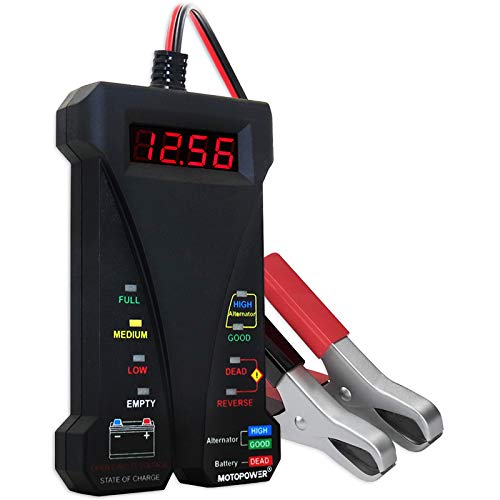
Using a car battery tester like the MOTOPOWER MP0515A can help you monitor your battery’s health and ensure it’s ready for winter conditions.
Schedule Professional Battery and Charging System Check
To guarantee your battery can handle the increased power demands of winter, schedule a professional battery and charging system check before temperatures plunge. A technician will use specialized tools to measure battery voltage, cold cranking amps (CCA), and overall battery performance, detecting weaknesses that cold weather may exacerbate. During this service, they’ll inspect and clean battery terminals and cables to prevent corrosion, which impairs electrical flow in freezing conditions. Additionally, evaluating the charging system identifies alternator issues that could jeopardize vehicle reliability throughout winter. Many service centers offer complimentary testing, making it easy to verify your battery’s readiness. By proactively scheduling a professional battery and charging system check, you empower yourself with reliable winter starts and avoid being stranded in cold weather.
Frequently Asked Questions
What Is the Best Battery Chemistry for Cold Weather?
You’ll find Lead Acid and AGM Batteries excel in cold cranking and battery performance during winter. Lithium Ion struggles as cold slows reactions, so stick with AGM for reliable starts and robust power in frigid conditions.
What Should I Check on My Car for Winter?
You should check winter tire maintenance, antifreeze levels, windshield wiper function, engine oil viscosity, and headlight brightness to guarantee safety and performance. These checks help you stay liberated from winter vehicle troubles.
When Should You Check Your Battery During Winter Months?
You should perform battery testing monthly during winter to monitor battery life under cold temperatures. Align checks with your maintenance schedule and after extreme weather for effective winter preparation, ensuring reliable power and avoiding unexpected failures.
How Do I Keep My Car Battery Good in the Winter?
Balance battery basics by blending battery maintenance tips with cold weather precautions. Boost battery lifespan extension through charging system checks. Bolster winter driving safety by minimizing accessory use and sheltering your car, securing strong starts and steady power.
Final Thoughts
Winter’s chill can sap your car battery like a slow drain, but with these checks, you’ll keep its power flowing strong. Think of your battery as the heart of your vehicle—treat it with care by inspecting terminals, testing voltage, and ensuring secure mounts. Regular maintenance, from cleaning corrosion to using a trickle charger, acts like a warm blanket against cold drains. Stay proactive, and your battery will deliver reliable starts all season long.
 Why Does My Car Battery Need Regular Replacement?
Reliable Floor Jacks on a Budget: Best Picks for Under $150
Top-Rated Floor Jacks Over $100: Built for Professionals, Priced for Smart Buyers
If you want to know other articles similar to 10 Best Car Battery Checks for Winter Maintenance you can visit the Battery Care and Services category.
Why Does My Car Battery Keep Failing?

How Much Does Car Battery Inspection Cost?

7 Best DIY Methods for Car Battery Terminal Cleaning

When to Replace Your Car Battery: 5 Key Tips

Why Choose Nearby Shops for Car Battery Replacement?

Why Does My Car Battery Need Regular Replacement?

Signs Your Car Battery Needs Replacement

Why Replace Your Car Battery Yourself?
Leave a Reply
This is also interesting