












When to Replace Your Car Battery: 5 Key Tips


You should replace your car battery when you notice slow engine cranks, dim headlights, or dashboard warning lights indicating weakening power.
Consider battery age—typically lasting 3 to 5 years—as performance degrades over time. Environmental factors like extreme temperatures and frequent short trips also shorten battery life.
Use a multimeter or load tester to assess battery health accurately.
Finally, choose a replacement with the correct size and Cold Cranking Amps for your vehicle’s needs. Exploring these factors further will help you maintain reliable performance.
 7 Best DIY Methods for Car Battery Terminal Cleaning
Table
- Main Points
- Recognizing the Signs of a Failing Battery
- Understanding How Battery Age Affects Performance
- Environmental and Driving Factors That Impact Battery Life
- Proper Testing Techniques to Assess Battery Health
- Selecting the Correct Replacement Battery for Your Vehicle
- Frequently Asked Questions
- Final Thoughts
Main Points
- Replace your battery if it’s over five years old to ensure reliable performance and avoid unexpected failures.
- Watch for slow engine crank and dim headlights as signs your battery is weakening and may need replacement.
- Check battery voltage regularly; readings below 12.4 volts indicate potential battery problems requiring replacement.
- Replace the battery if you notice corrosion, swelling, or persistent dashboard battery warning lights.
- Consider environmental factors like extreme heat or cold that accelerate battery wear and may necessitate earlier replacement.
Recognizing the Signs of a Failing Battery

How can you tell if your car battery is failing? Start by observing a slow engine crank when you try to start your vehicle—that’s a critical sign your battery is weakening. Dim headlights, especially at idle, indicate the battery isn’t supplying adequate power. If electrical components like power windows or dashboard lights respond sluggishly, your battery may be struggling to maintain voltage. A clicking sound during startup often points to a weak connection or a dead car battery needing immediate attention. Most importantly, if the battery warning light illuminates on your dashboard, it signals charging issues that require you to replace your battery promptly. Recognizing these signs of a dead battery helps you avoid a dead vehicle and maintain your freedom on the road.
Understanding How Battery Age Affects Performance

Noticing signs like slow engine cranks or dim headlights often points to a battery nearing the end of its service life. Car batteries typically last three to five years, and as an aging battery approaches this range, its performance steadily declines. Sulfation reduces its ability to hold charge, lowering voltage and impairing electrical systems. When voltage drops below 12.4 volts, you should identify potential problems promptly. Ignoring these signs risks a dead battery and sudden failures. Battery replacement after five years is usually necessary to maintain reliable vehicle operation. Extreme temperatures exacerbate degradation, but focusing on battery life and monitoring voltage allows you to act decisively, ensuring freedom from unexpected breakdowns and peak performance from your car’s electrical systems. Using a FOXWELL BT705 Car Battery Tester can help you quickly assess your battery’s health and make informed decisions about replacement.
Environmental and Driving Factors That Impact Battery Life

Several environmental and driving factors directly influence your car battery’s lifespan and performance. Extreme heat accelerates battery degradation, greatly reducing battery life, especially in hot climates. Conversely, cold weather hampers battery performance; temperatures below freezing slash efficiency by up to 33%, with losses exceeding 50% at subzero levels. Short driving trips prevent your alternator from fully recharging the battery, shortening its life by limiting energy replenishment. Additionally, vibration from rough roads or aggressive driving damages internal battery components, undermining longevity and performance. Understanding these environmental stressors and driving conditions empowers you to optimize battery maintenance. Selecting a quality battery designed to withstand such challenges further safeguards battery life, ensuring reliable operation and liberation from unexpected failures.
Proper Testing Techniques to Assess Battery Health

Understanding the environmental and driving factors that affect your battery’s lifespan is only part of maintaining ideal performance. To accurately assess battery health, measure the battery voltage with a multimeter set between 15-20 volts; a healthy battery reads around 12.6 volts, while anything below 12.4 volts signals charging or battery replacement. Use a battery tester to perform load tests, observing voltage drops that indicate internal issues and weakened battery performance. Inspect for corrosion on terminals and a swollen battery case, both signs of compromised battery integrity. Pay attention to slow cranking and flickering dashboard lights as practical indicators of failing battery function. Schedule regular battery health checks, especially after three years, to proactively extend battery lifespan and avoid unexpected failures.
Selecting the Correct Replacement Battery for Your Vehicle

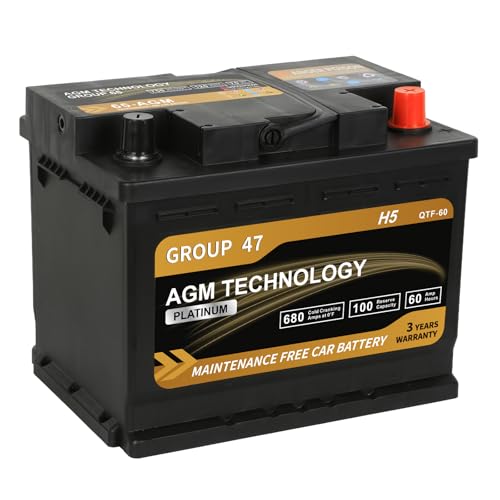
Choosing the right replacement battery for your vehicle involves matching specific criteria to guarantee ideal performance and safety. First, verify the battery size and group number to confirm a proper fit aligned with your vehicle’s specific requirements. The group number dictates dimensions and terminal placement, critical for installation. Next, assess the Cold Cranking Amps (CCA); select a battery with a CCA rating that provides reliable engine starts in your climate. Additionally, consider the battery capacity, measured in Amp-hours (Ah), to ensure it delivers sufficient power to your vehicle over time. If uncertain, always consult with a mechanic or battery specialist to avoid damaging your vehicle’s electrical system. Properly matching these factors when you replace your car battery maximizes efficiency and extends battery lifespan.
 How Much Does Car Battery Inspection Cost?
Frequently Asked Questions
How Do I Know When My Car Key Needs a New Battery?
You’ll spot symptom signs like a weak key fob signal or dim LED, indicating battery lifespan's end. Watch for warning indicators, consider cost factors, compatibility issues, and follow DIY replacement steps using correct battery types for effective maintenance.
At What Percentage Do I Need to Replace My Car Battery?
You should replace your car battery once its charge drops below 25%, signaling voltage drop and reduced lifespan. Monitor warning signs like corrosion issues, perform DIY checks, consider age factors, extreme temperatures, and balance replacement costs with maintenance tips.
How Do I Tell if My Car Battery Needs Replacing?
You’ll notice battery symptoms like slow starts or dim headlights as battery indicators decline, especially after five years of battery lifespan. Perform battery testing, watch for battery warning lights, and prioritize battery maintenance to guarantee timely battery replacement and peak battery performance.
How Often Do You Need to Replace a Car Key Battery?
You’ll replace your car key battery every 3-5 years, considering key battery lifespan, remote key maintenance, and keyless entry batteries. Watch battery warning signs, factor environmental impacts, DIY battery change, key fob issues, replacement costs, and key fob programming.
Final Thoughts
By the time your car battery reaches about three to five years, its capacity can drop by nearly 50%, considerably affecting performance. Paying attention to signs like slow engine cranks and using proper testing methods helps you avoid unexpected failures. Remember, environmental factors and driving habits also play a big role in battery lifespan. Choosing the right replacement battery guarantees peak performance and reliability, keeping your vehicle running smoothly without surprises.
 Why Does My Car Battery Keep Failing?
Reliable Floor Jacks on a Budget: Best Picks for Under $150
Top-Rated Floor Jacks Over $100: Built for Professionals, Priced for Smart Buyers
If you want to know other articles similar to When to Replace Your Car Battery: 5 Key Tips you can visit the Battery Care and Services category.
10 Best Car Battery Checks for Winter Maintenance

Why Does My Car Battery Keep Failing?

How Much Does Car Battery Inspection Cost?

7 Best DIY Methods for Car Battery Terminal Cleaning

Why Choose Nearby Shops for Car Battery Replacement?

Why Does My Car Battery Need Regular Replacement?

Signs Your Car Battery Needs Replacement

Why Replace Your Car Battery Yourself?
Leave a Reply
This is also interesting