















Why Does My Car Battery Need Regular Replacement?


Your car battery needs regular replacement because its chemical components degrade over time, reducing its ability to supply consistent power.
Heat, cold, and frequent short trips accelerate this aging process by affecting capacity and recharge cycles.
Ignoring maintenance can lead to slow starts, dim lights, or complete failure.
Testing voltage and recognizing early signs help prevent unexpected breakdowns.
Understanding causes, effects, and proper care guarantees your battery’s reliability and longevity—explore how to optimize its performance effectively.
Table
- Main Points
- Average Lifespan of Car Batteries
- Signs Your Car Battery Is Failing
- Effects of Climate on Battery Performance
- Impact of Driving Habits on Battery Longevity
- How to Test Your Car Battery’s Health
- Risks of Delaying Battery Replacement
- Choosing the Right Replacement Battery
- Benefits of Professional Battery Maintenance
- Tips for Extending Your Car Battery’s Life
- Frequently Asked Questions
- Final Thoughts
Main Points
- Car batteries degrade over time, losing capacity and efficiency, typically lasting only three to five years.
- Extreme temperatures accelerate battery wear by damaging internal components and reducing chemical reactions.
- Frequent short trips prevent full battery recharge, causing gradual capacity loss and earlier failure.
- Corrosion and buildup on terminals reduce battery performance and increase the risk of electrical issues.
- Regular replacement prevents unexpected breakdowns and costly repairs from battery leaks or sudden failure.
Average Lifespan of Car Batteries

Car batteries typically last between three and five years, but many start losing efficiency after just three. Understanding the average lifespan of car batteries helps you anticipate when to seek battery replacement service before failure occurs. Factors like extreme temperatures, frequent short trips, and driving habits shorten the battery's lifespan by stressing its internal chemistry. Regular battery checks are vital to monitor voltage; a healthy battery should read about 12.6 volts. If your readings fall below this threshold, it’s time to replace your car battery to avoid unexpected breakdowns. Staying proactive guarantees you recognize the signs of a failing battery early, maintaining your vehicle’s reliability and freeing yourself from inconvenient disruptions caused by a weakened or dead battery.
Signs Your Car Battery Is Failing

You’ll notice your engine cranking slowly when the battery’s charge weakens, signaling that replacement is near. Dimming headlights or malfunctioning electrical components also indicate insufficient power delivery from the battery. Additionally, physical signs like a bloated battery case or foul sulfuric odors require immediate attention to prevent failure.
Warning Signs to Watch
When your engine cranks slowly at startup or your headlights dim while idling, these can be clear indicators that your battery is losing its ability to hold a charge. Slow engine cranking and dimming headlights are key warning signs you shouldn’t ignore. If you notice the battery light illuminated on your dashboard, it signals potential charging system problems. Repeatedly needing jump starts points to decreased performance and a weakening battery. Additionally, inspect the battery case—any bulging or distortion suggests internal damage and an urgent need for replacement. Recognizing these signs early frees you from unexpected breakdowns and costly repairs. Stay vigilant for these symptoms to guarantee your vehicle’s electrical system remains reliable and your mobility stays uninterrupted.
 Why Choose Nearby Shops for Car Battery Replacement?
Common Battery Symptoms
Several key symptoms indicate that your battery is failing and requires prompt attention. Recognizing these common battery symptoms helps you decide when to have your battery checked or replace it to avoid complete failure.
- Slow engine crank during starting power tests signals the battery is weak and likely needs replacement.
- Dimming headlights or interior lights are clear signs the battery is failing to provide sufficient power.
- An illuminated battery warning light on your dashboard suggests charging system issues that often mean you need to replace the battery.
- A bulging or misshapen battery case is a critical safety sign that demands immediate replacement.
If you notice any of these signs, don’t delay—get your battery checked and replaced as necessary to maintain vehicle reliability.
Effects of Climate on Battery Performance

Although climate conditions vary widely, they greatly impact your car battery’s performance and longevity. Low temperatures slow chemical reactions inside the battery, reducing its capacity and making engine starts difficult during cold spells. Conversely, high temperatures accelerate electrolyte evaporation, damaging internal components and degrading performance. These temperature extremes necessitate vigilant maintenance, including regular checks of fluid levels and terminal condition, to prevent premature replacement. Additionally, high humidity can cause corrosion at battery terminals, further compromising efficiency. Seasonal fluctuations demand more frequent inspections to guarantee peak capacity and reliable function. By understanding how temperature and environmental factors affect your battery, you can take proactive steps to maintain its health, avoid unexpected failures, and extend its service life, empowering you to drive with confidence regardless of the climate.
Impact of Driving Habits on Battery Longevity

If you frequently take short trips, your car battery won’t fully recharge, which reduces its performance and lifespan. Using electronic accessories while the engine is off also drains the battery quickly, increasing wear. To maintain battery health, it’s important to balance driving habits and electrical usage carefully.
Short Trips Effects
When you frequently take short trips, your car's alternator doesn't have enough time to fully recharge the battery, causing its health to decline gradually. This impacts your car battery’s overall performance and shortens its lifespan. To preserve battery health, consider these points:
- Short trips under 20 minutes limit recharge cycles, causing gradual power loss.
- Onboard electronics drain the battery during short drives, accelerating wear.
- Repeated insufficient recharge can reduce battery capacity by up to 30%.
- Combining short trips with longer drives guarantees consistent recharge, supporting vehicle maintenance and extending battery lifespan.
Electronic Accessories Usage
Short trips alone can weaken your car battery, but adding frequent use of electronic accessories intensifies the strain. Using electronic devices like lights, radio, and air conditioning while the engine is off drains the battery rapidly, reducing the battery's health and lifespan. Aggressive driving habits increase electrical demand, forcing the battery to work harder. Your car battery might fail prematurely if it lacks sufficient power for starting the engine. Avoid excessive use of electronics when parked and consider a trickle charger to maintain charge during inactivity. Using a dedicated diagnostic tool like the TOPDON AD500 OBD2 Scanner can help monitor your vehicle’s battery health and identify issues before they lead to premature failure.
| Factor | Impact on Battery | Suggested Action |
|---|---|---|
| Electronic Devices Use | Rapid battery drain | Limit usage when off |
| Short Trips | Incomplete recharge | Combine trips or charge |
| Aggressive Driving | Increased electrical demand | Drive smoothly |
| Battery Maintenance | Prolongs lifespan | Use trickle charger |
How to Test Your Car Battery’s Health

How can you accurately assess the health of your car battery to avoid unexpected failures? To maintain peak battery health and anticipate replacement needs, you must regularly inspect and test your battery. Follow these steps:
- Check your battery voltage with a multimeter; a healthy battery reads about 12.6 volts or higher when the engine is off.
- Look for signs of a failing battery, such as slow engine crank or dim lights.
- Perform a load test at an auto shop to identify hidden issues not detected by voltage checks.
- Monitor your battery’s age, replacing it every three to five years as wear reduces efficiency.
For even more precise diagnostics, consider using specialized tools like the FOXWELL BT705 Car Battery Tester, which can provide a comprehensive analysis of your battery’s condition beyond basic voltage checks.
Risks of Delaying Battery Replacement
Regularly testing your car battery’s health helps you recognize signs that indicate it’s time for a replacement. Delaying battery replacement can cause frequent jump starts and costly repairs, as a failing battery can lead to decreased vehicle performance and engine misfires. Ignoring these signs strains your alternator and risks safety hazards like battery leaks or bulging.
 When to Replace Your Car Battery: 5 Key Tips
| Risk | Impact | Consequence |
|---|---|---|
| Frequent jump starts | Temporary fixes | Inconvenient breakdowns |
| Decreased performance | Engine struggles to start | Power loss to electricals |
| Battery damage | Leaks or bulging casing | Fire hazard, costly repairs |
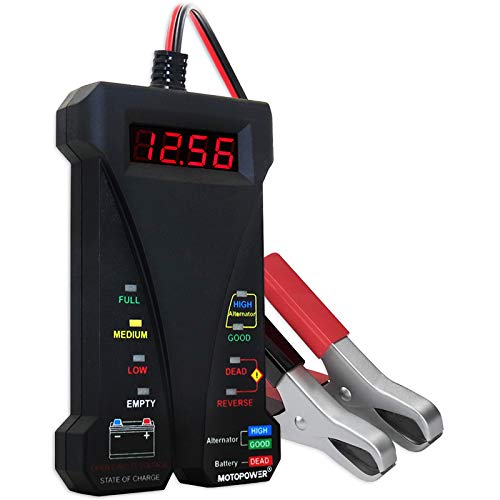
For more reliable diagnostics, consider using a MOTOPOWER MP0515A Car Battery Tester to monitor your battery’s health and catch potential problems early. Don’t ignore a sign that your battery needs attention—replace your battery promptly to avoid these risks.
Choosing the Right Replacement Battery
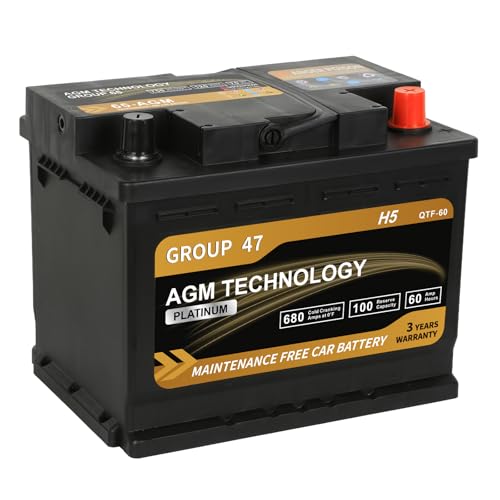
What factors should you consider to guarantee you select the right replacement battery for your vehicle? Choosing a replacement battery requires precision to make certain your car’s important parts function at their best. Here’s what to focus on:
- Refer to your owner’s manual for specifications to match the electrical system and physical dimensions.
- Opt for a name-brand battery with a recent manufacturing date—less than six months old—to make certain it’s properly cared for and performs well.
- Verify the cold cranking amps (CCA) meet or exceed manufacturer recommendations for reliable starts, especially in cold weather.
- Select the correct battery type, particularly if your vehicle has stop-start technology, to maximize how long car batteries last.
For added assurance, consider using a car battery tester to accurately assess the health of your battery before making a replacement decision.
Benefits of Professional Battery Maintenance
After selecting the right replacement battery, maintaining it professionally guarantees peak performance and longevity. Professional maintenance employs advanced diagnostics to assess your car battery’s health accurately, detecting issues like low voltage or corrosion early on. Certified technicians perform thorough cleaning terminals and inspect the battery case to prevent deterioration, which directly extends battery lifespan. This proactive approach helps prevent breakdowns by identifying symptoms such as slow engine crank or dimming lights before failure occurs. When it’s time for replacement, professionals ascertain precise installation, optimizing the battery’s integration with your vehicle’s electrical system. By relying on expert services, you secure reliable power delivery and avoid costly repairs, empowering you to drive with confidence and freedom.
Tips for Extending Your Car Battery’s Life
To extend your car battery’s life, you should routinely inspect and clean the battery terminals to prevent corrosion that can disrupt electrical flow. Regularly check your battery terminals and the battery case for cracks or leaks to avoid premature failure. Adjust your driving habits to support battery health—drive your vehicle at least once a week to guarantee your car’s battery fully charges and limit short trips that prevent full recharging. Protect the battery from extreme temperatures by parking in shaded areas or using battery blankets. By following these steps, you’ll maximize battery efficiency and potentially extend its lifespan beyond the typical three years, empowering you with reliable vehicle performance and reducing frequent replacements. Here’s how:
- Clean battery terminals regularly
- Inspect battery case for damage
- Drive weekly and avoid short trips
- Shield battery from extreme temperatures
Frequently Asked Questions
Why Do I Keep Needing to Replace My Car Battery?
You keep replacing your battery due to factors like extreme weather effects, poor battery maintenance, and driving habits impact. Watch signs of failure, check charging system issues, and choose quality battery brands to extend battery lifespan effectively.
Is $200 Expensive for a Car Battery?
You’ll find $200 reasonable for a car battery, considering types, lifespan, and installation tips. Compare costs, watch signs of failure, practice battery maintenance tips, and assess environmental impact to choose the best fit for your vehicle’s needs.
How Do I Know if My Battery or Alternator Needs Replacing?
Think of your car’s electrical system as a heartbeat; battery health and alternator function signal life. Spot warning signs, use testing methods, follow maintenance tips, and track replacement frequency to solve electrical issues confidently and liberate your drive.
What Is the Most Common Cause of Car Battery Drain?
You’re likely facing parasitic drain caused by electrical issues or a faulty charging system. Temperature effects and battery types also impact battery life. Follow maintenance tips to optimize performance and extend your battery’s lifespan effectively.
 7 Best DIY Methods for Car Battery Terminal Cleaning
Final Thoughts
So, you want your car battery to live forever, huh? Newsflash: it won’t. Ignoring regular replacements is like expecting your phone to run on one charge forever—fantasy. Climate, driving habits, and simple wear degrade performance, risking inconvenient breakdowns. Test it, choose wisely, and maintain professionally to avoid being stranded. Welcome timely battery replacement; your car—and your sanity—will thank you. After all, even batteries need a little TLC to keep the sparks flying.
Reliable Floor Jacks on a Budget: Best Picks for Under $150
Top-Rated Floor Jacks Over $100: Built for Professionals, Priced for Smart Buyers
If you want to know other articles similar to Why Does My Car Battery Need Regular Replacement? you can visit the Battery Care and Services category.
10 Best Car Battery Checks for Winter Maintenance

Why Does My Car Battery Keep Failing?

How Much Does Car Battery Inspection Cost?

7 Best DIY Methods for Car Battery Terminal Cleaning

When to Replace Your Car Battery: 5 Key Tips

Why Choose Nearby Shops for Car Battery Replacement?

Signs Your Car Battery Needs Replacement

Why Replace Your Car Battery Yourself?
Leave a Reply
This is also interesting